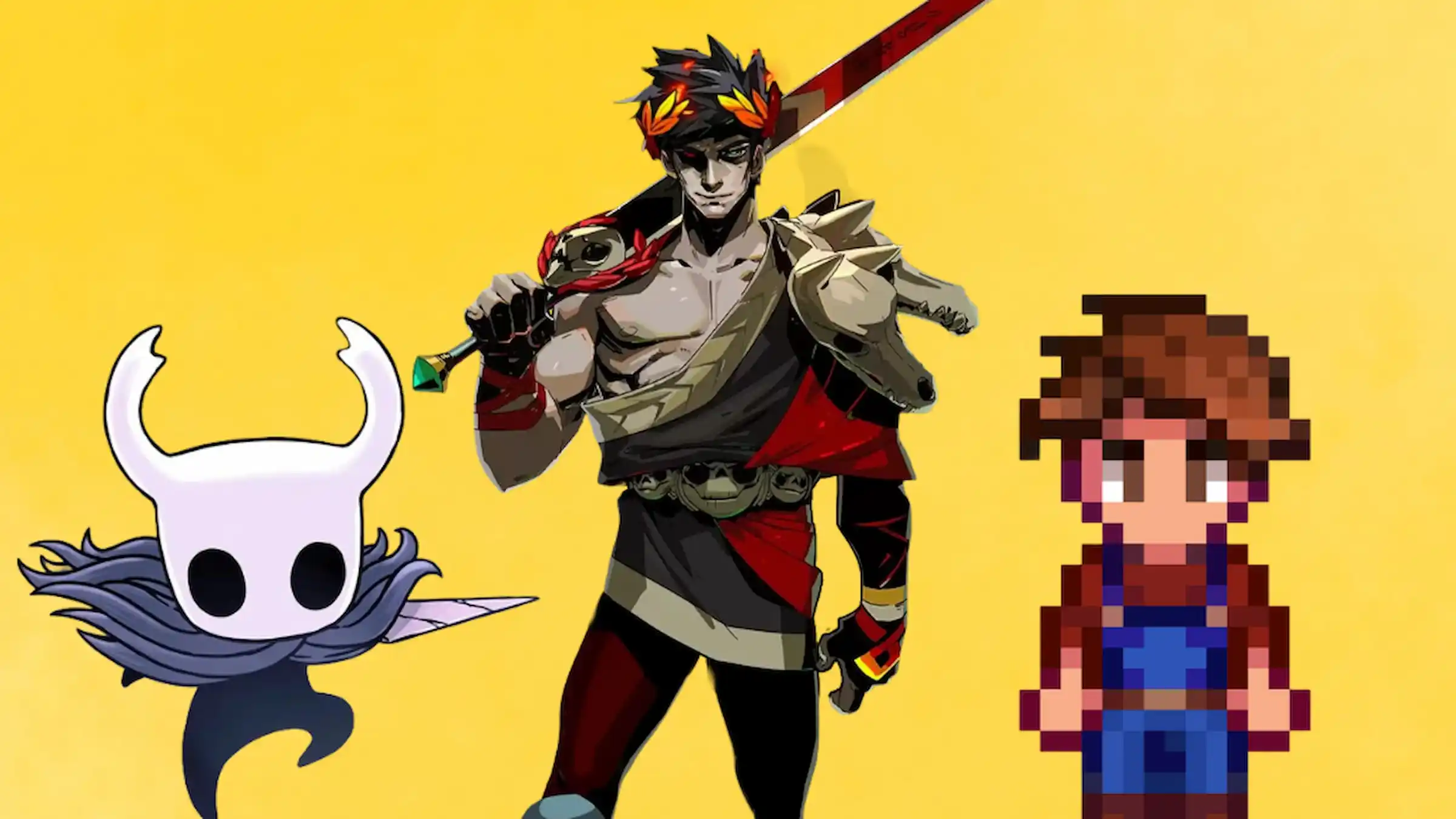
Indie games are incredibly popular today, frequently topping sales charts and even winning major awards. It wasn’t always this way, though – they used to be a small, relatively unknown part of the gaming world. While many games helped change this, one released nine years ago stands out as particularly important. It’s possible that without this game, indie titles would have stayed on the fringes of the industry, and a specific genre would have remained a niche interest for a dedicated few.
Team Cherry launched Hollow Knight nearly a decade ago, on February 24th, 2017. This beautifully hand-drawn adventure game quickly became a hit, helping to popularize the Metroidvania style and proving the potential of indie development. Players loved its difficult but rewarding gameplay, immersive atmosphere, rich story, and stunning artwork. As a fan of both bugs and platforming games, it felt like a dream come true. And I wasn’t the only one—the game built a massive following and created huge excitement for its upcoming sequel, Hollow Knight: Silksong.
Hollow Knight’s Rise to Fame
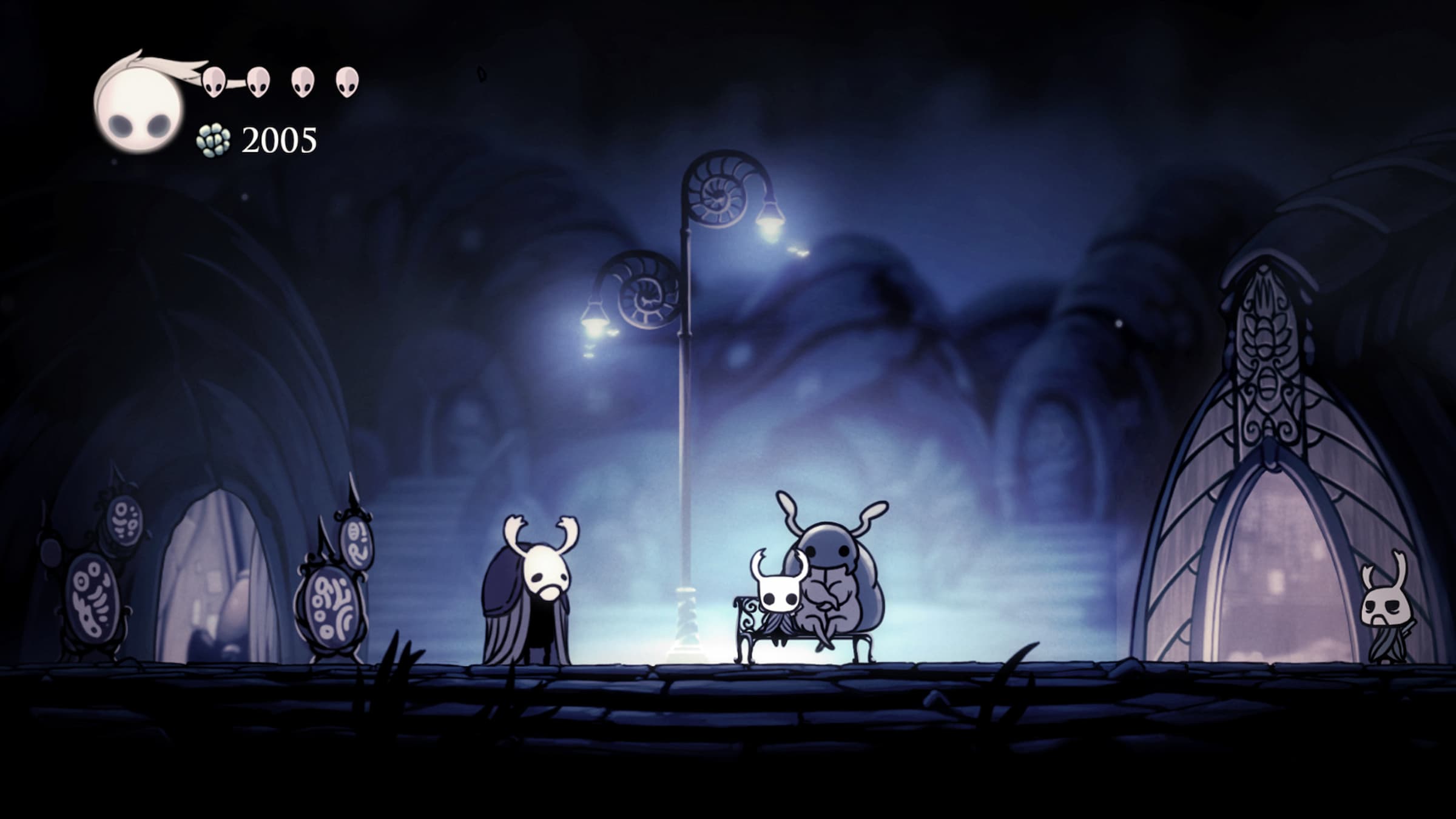
The success of Hollow Knight among indie games came from its incredible world design, challenging gameplay, and immersive atmosphere. Developed by the small Australian studio Team Cherry, the game created Hallownest, a vast and interconnected world that felt truly alive, despite its somber mood. The beautiful hand-drawn art style, smooth character movement, and demanding combat all worked together to reward careful exploration. As a fan of indie games, I was particularly impressed by its size – it was much larger than most indie titles I’d played.
The game quickly became popular largely through players telling each other about it. Online discussions, live streams, and initial reviews consistently praised its intricate design and satisfying gameplay. Even those new to the Metroidvania style were captivated by its complex world filled with secrets and optional challenges. Each player’s journey felt unique, from discovering the beautiful City of Tears to the eerie Ancient Basin. The game’s map and world design truly set Hollow Knight apart. I still vividly remember simply relaxing on a bench in the City of Tears, listening to the atmosphere with my favorite character, Quirrel.
Beyond its excellent gameplay, Hollow Knight resonated with players because of its emotional depth. The game subtly revealed a tragic story of a lost kingdom through its environments, item details, and a style similar to the ‘soulslike’ genre. Many players, including me, found themselves deeply invested in unraveling the game’s lore long after completing it. This sparked a thriving community filled with fan art, in-depth analyses, speedruns, and ongoing conversations, keeping the game popular for years. Ultimately, Hollow Knight proved to be incredibly impactful, not only for the gaming world but especially for fans of Metroidvania games.
Hollow Knight Made Metroidvanias Mainstream
Before the release of Hollow Knight, Metroidvania games were popular with a dedicated fanbase, but hadn’t reached a large mainstream audience. While the genre had a history of beloved titles like Metroid and Castlevania, few modern games gained widespread attention. Independent developers tried new things with the formula, but most didn’t make a big impact. Major game studios largely avoided the genre, and even Nintendo, a pioneer of Metroidvanias, didn’t release a new 2D Metroid game until Metroid Dread in 2021 – four years after Hollow Knight came out. It’s unclear if Hollow Knight influenced Metroid Dread, but the timing is interesting.
The popularity of Hollow Knight proved that gamers were eager for games focused on detailed exploration. Its complex world, challenging but rewarding battles, and satisfying sense of improvement became a benchmark for Metroidvania games. It brought the genre back to prominence, inspiring many subsequent titles. Games like Nine Sols, Blasphemous, and the upcoming Crowsworn clearly show the impact of Hollow Knight. As a result, Metroidvanias have experienced a resurgence and continue to thrive.
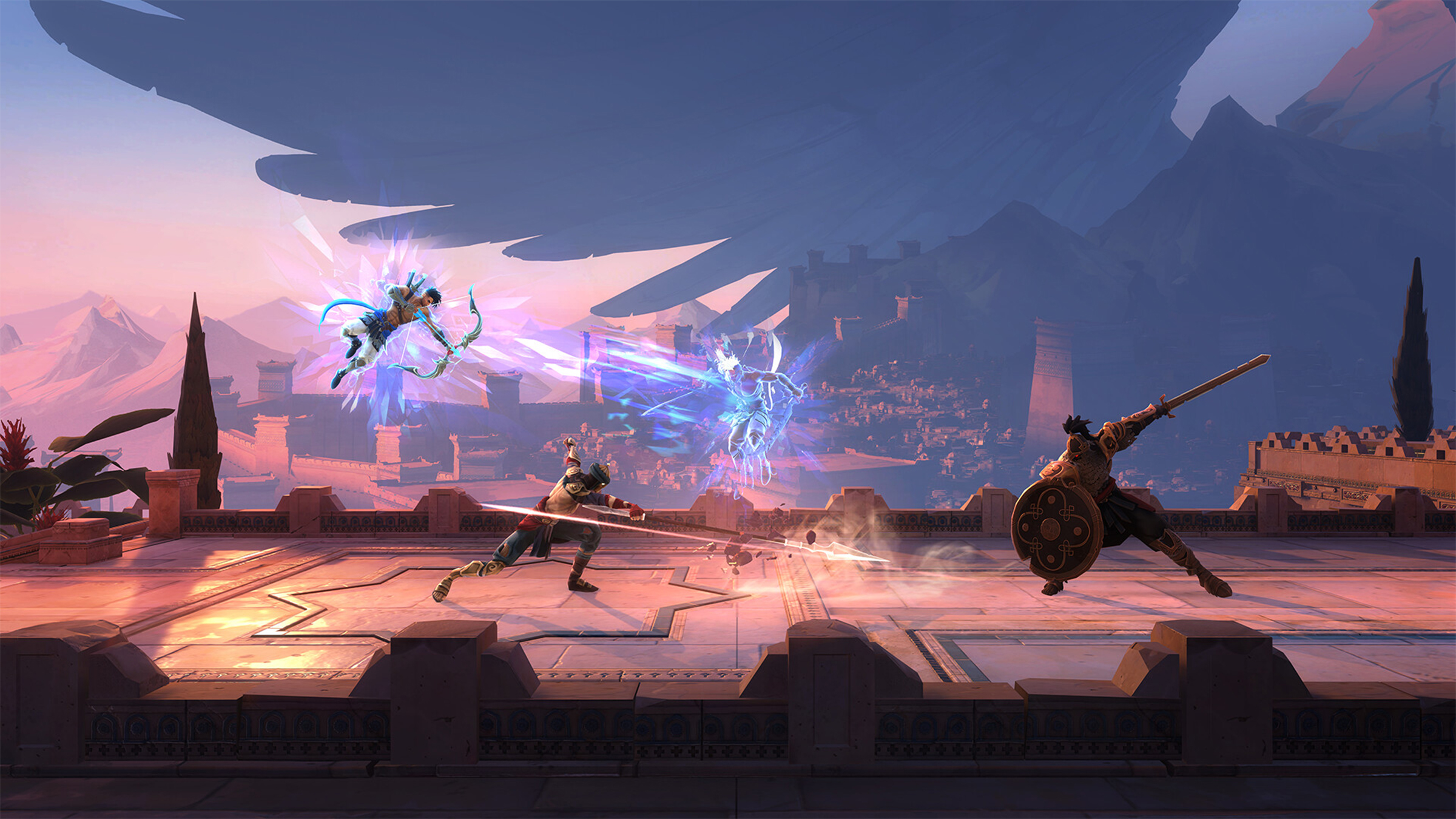
Game developers started embracing the Metroidvania style more and more, leading to a surge of new games. Even major studios like Ubisoft, with Prince of Persia: The Lost Crown, and Santa Monica Studio, with God of War: Sons of Sparta, joined in. A particularly exciting development was the return of Konami’s Castlevania series with Castlevania: Belmont’s Curse. This release was a major turning point for the genre, and its impact can still be seen in many Metroidvania games—and even in games of other types.
Its Legacy and the Long Road to Silksong
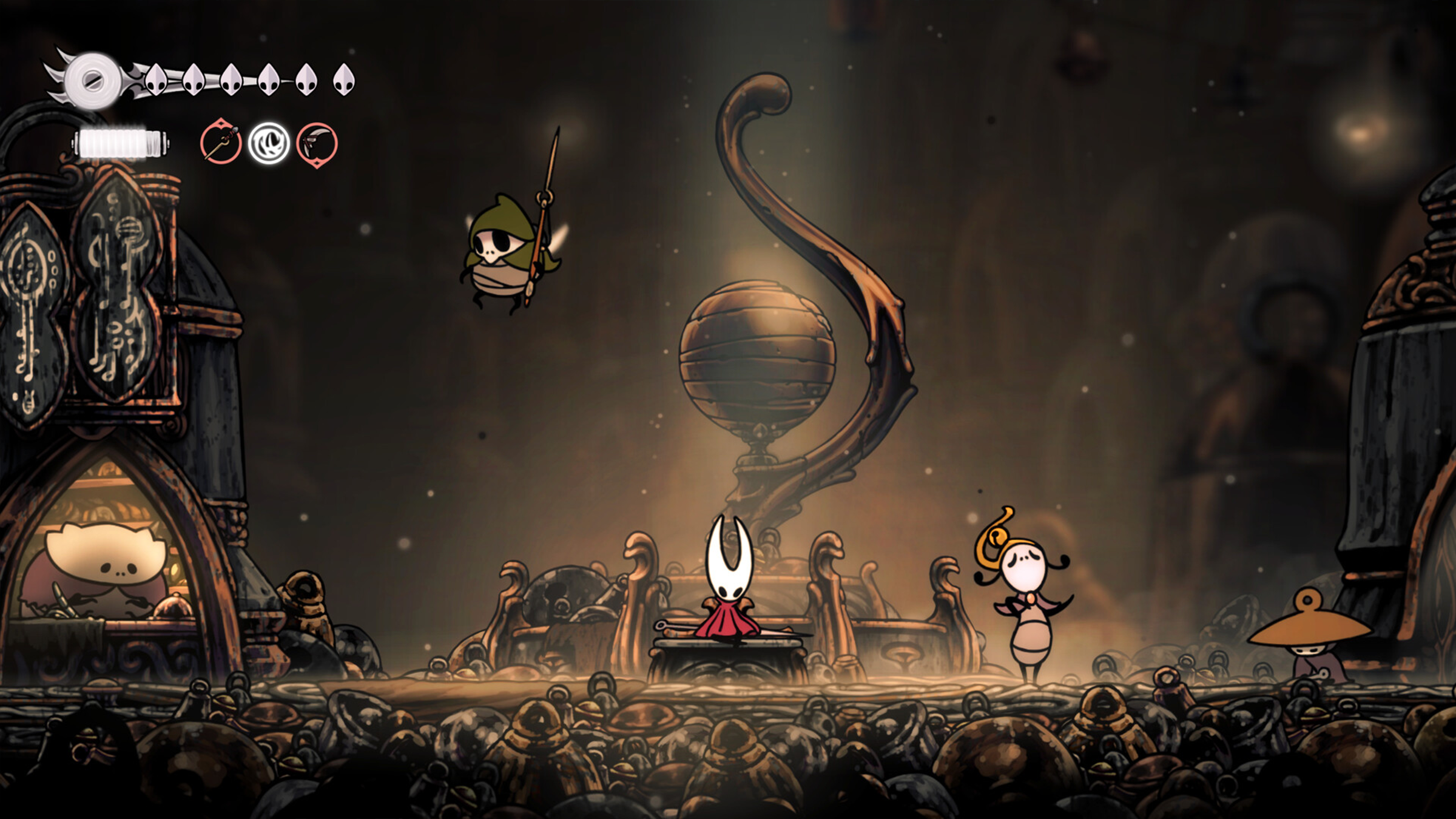
The impact of Hollow Knight extends beyond its success – it’s also shaped by the huge excitement for its sequel, Hollow Knight: Silksong. The announcement of Silksong led to an unusually long and enthusiastic wait from fans, a standout moment in indie game history. Players, myself included, obsessively followed any news, flooded livestreams with questions, and jokingly embraced a ‘waiting’ persona. When Team Cherry finally announced a release date, other game developers even delayed their own games to avoid competing with it – and this happened even with games outside the Metroidvania genre.
What truly stands out about Hollow Knight is how it proved what indie developers are capable of. Team Cherry showed that a small studio can achieve huge success by focusing on creativity, quality, and careful design. Many other developers have since been inspired by the game to create their own large-scale projects, and it continues to encourage newcomers to the industry. I’m confident that Hollow Knight and its upcoming sequel, Silksong, will be remembered as some of the most important indie games ever made, especially with Team Cherry planning to expand Silksong with downloadable content.
Looking back on its ninth anniversary, the impact of Hollow Knight feels even stronger. It significantly raised the profile of independent games, heavily influenced the Metroidvania genre, and established a new standard for immersive world design. Since its release, indie games have flourished, proving the genre’s deserved popularity. As these games continue to evolve, they demonstrate that small, dedicated teams can rival and even surpass larger, AAA studios. Hollow Knight was pivotal in this shift and remains a standout title in the indie game landscape.
What do you think? Leave a comment below and join the conversation now in the ComicBook Forum!
Read More
- Gold Rate Forecast
- Dialoop coming to Switch on June 17
- Adam Levine Looks So Different After Shaving His Beard Off
- 10 Movies That Were Banned in Different Countries For Random Reasons
- Steam Makes Sci-Fi Game 100% Free for 72 Hours
- Nintendo Switch 2 Reportedly Getting Remake of One of the Best PS3 and Xbox 360 Games
- Welcome to Demon School! Iruma-kun season 4 release schedule: When are new episodes on Crunchyroll?
- Tekken 8 Fans Furious as Tifa Tipped for Street Fighter 6 Instead
- Michael Jackson Biopic’s Record-Breaking Debut Unseats 2026’s Biggest Box Office Hit On U.S. Chart
- See Kaia Gerber & Lewis Pullman’s Vanity Fair Oscars Party Date Night
2026-02-24 20:43