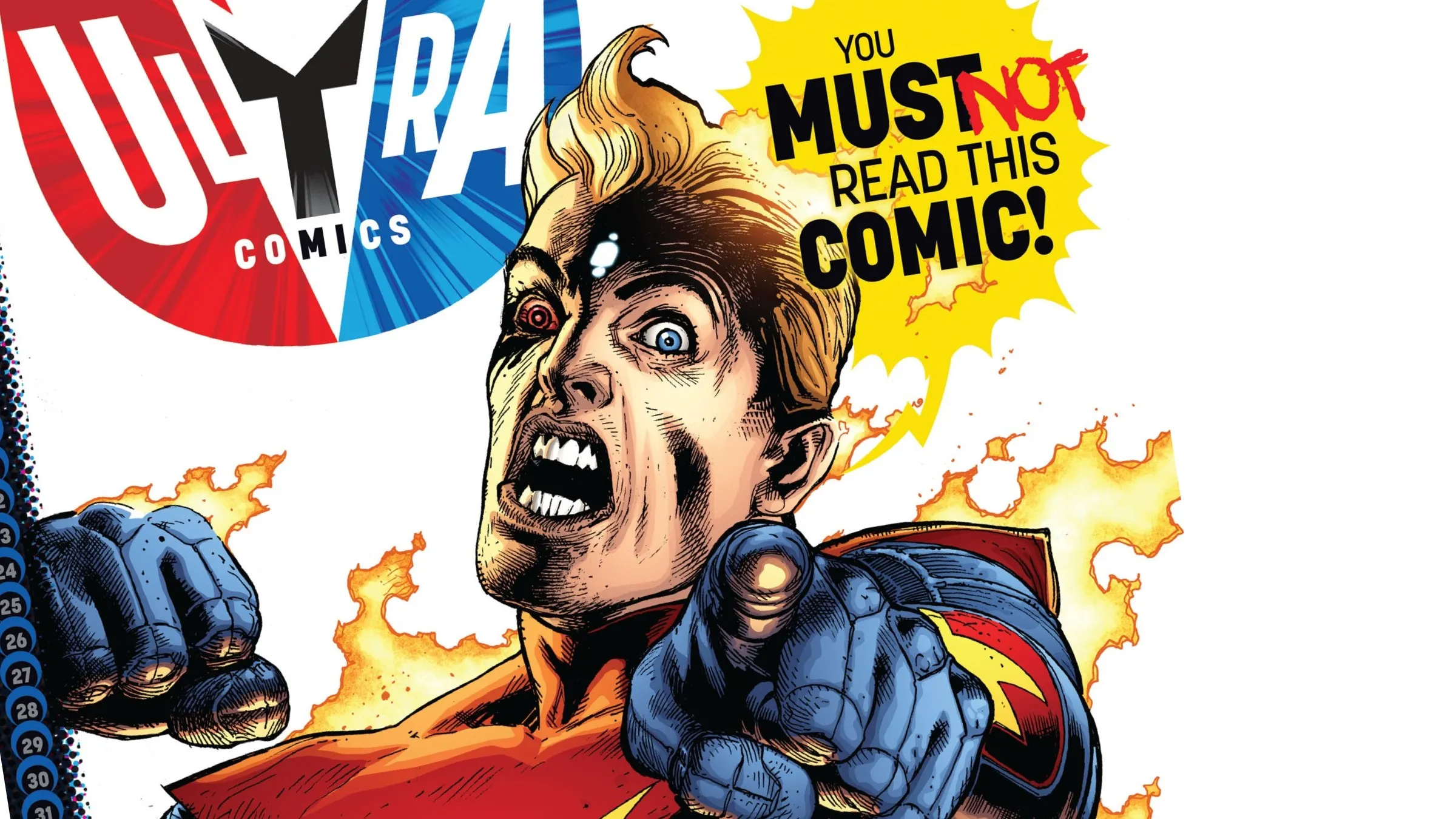
Today’s comic book fans are experiencing something special. Thanks to the success of the Marvel and DC movie universes, characters and stories that were once limited to comics and graphic novels are now coming to life on the big screen. While the movie Avengers: Infinity War has become a massive blockbuster, its source material, The Infinity Gauntlet, was originally just a story you could only read in a comic book back in 1991.
The popularity of superhero movies has opened the door for other comic books and graphic novels to be adapted into films. While superheroes still dominate these adaptations, titles like the memoir My Friend Dahmer, the fantasy adventure Nimona, and the horror story The Empty Man have all made it to the big screen. This might make it seem like any comic book could become a blockbuster movie, but that’s not really the case. Some stories work perfectly as comics and simply wouldn’t translate well to film.
5) The Multiversity
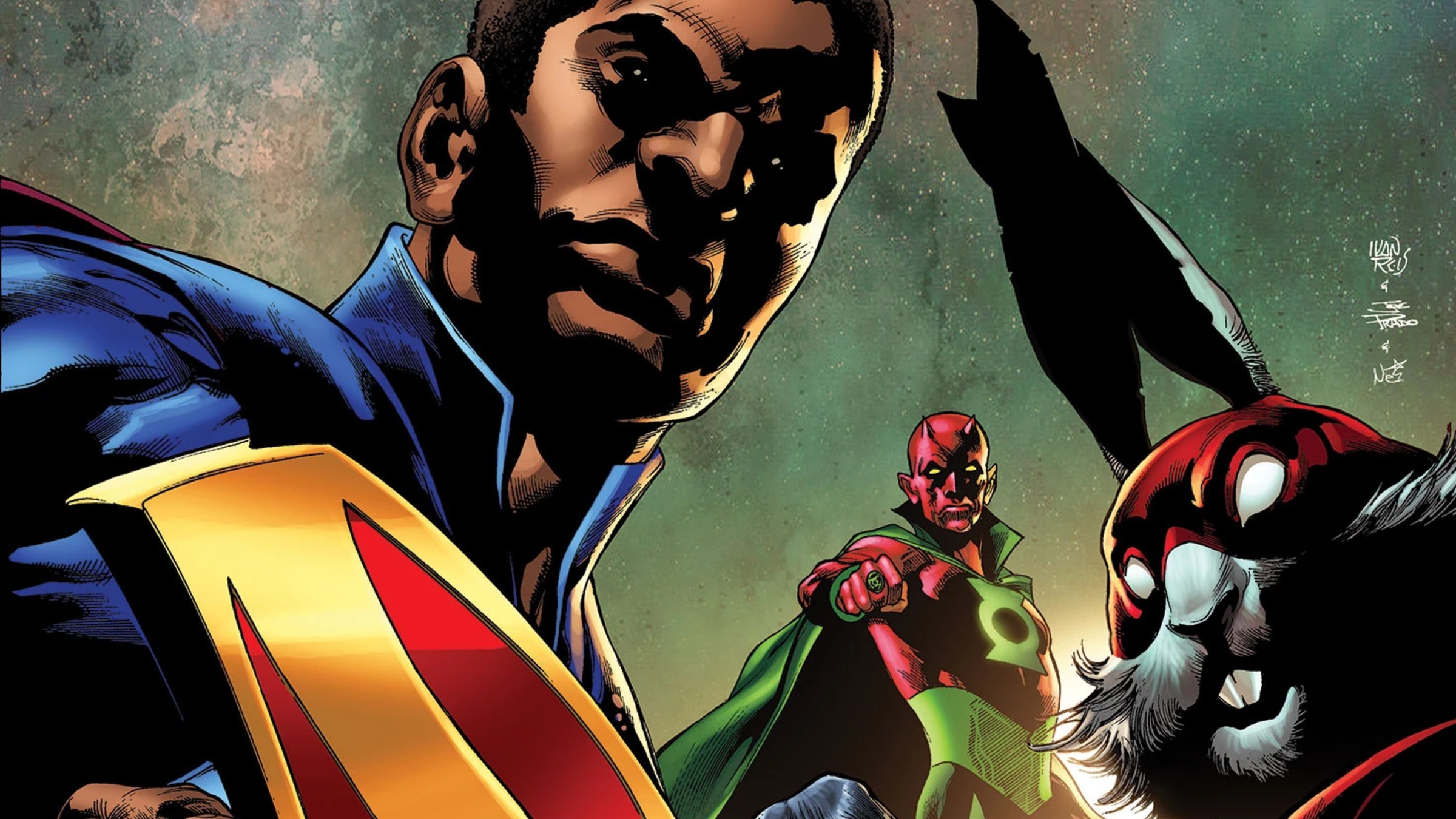
Grant Morrison’s The Multiversity is a landmark achievement in comic book storytelling, expertly mapping out the entire DC Comics multiverse. It’s a story that truly thrives as a comic – impossible to tell in any other medium. The series weaves together a large, overarching plot featuring heroes from 52 different universes, but it’s also made up of individual stories that lovingly recreate and honor different periods of comic book history, both in terms of their stories and how they look.
For instance, issue #4, Pax Americana, uses characters from Charlton Comics to offer modern political commentary, while also echoing the style of Alan Moore and Dave Gibbons’ Watchmen. Issue #8, Ultra Comics, is even more unique, directly involving the reader as a key part of the story and playfully warning against reading the series on its cover. Overall, The Multiversity is a celebration of the entire history of comic books, especially superheroes and their development over the last hundred years. Adapting it into a movie would completely miss the point of what makes it special.
4) It’s Lonely At The Centre Of The Earth
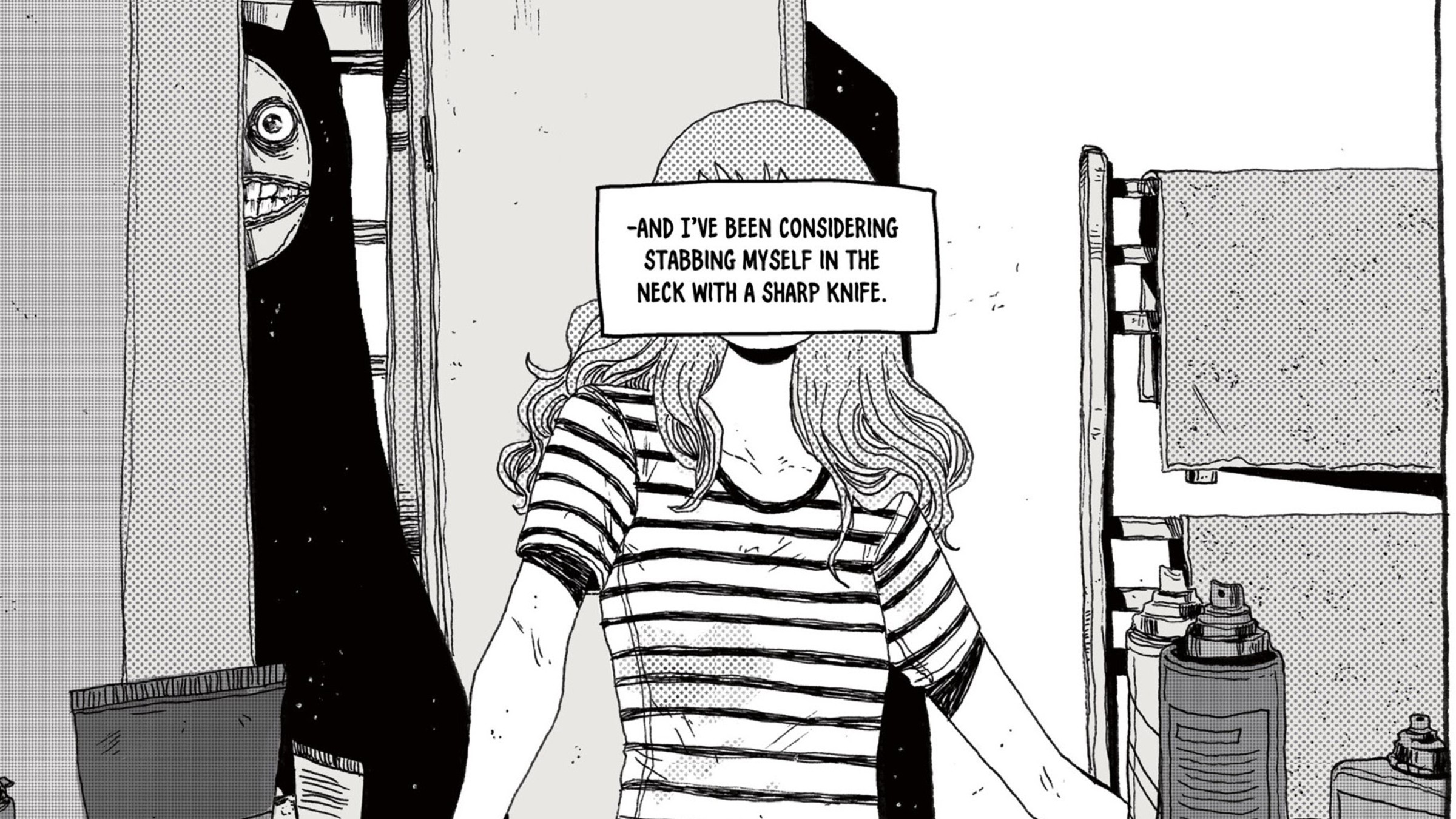
Zoe Thorogood’s graphic novel, It’s Lonely, is a standout work of recent years, offering a remarkably honest and personal look at modern life. What truly sets it apart is its constantly shifting art style – the way the visuals change not just between pages, but even within the same page. Thorogood portrays herself in many different forms, each with a unique appearance reflecting her mood. She often shows these different versions of herself interacting, as if they’re having a conversation. And, subtly but powerfully, she visually represents her depression as a constant presence in the background.
The graphic novel It’s Lonely completely breaks the rules of traditional comics, constantly changing how it tells its story. At one point, the main character, Thorogood, has a breakthrough and decides she can structure her graphic novel however she wants, proclaiming, “I can be anything on the page.” True to her word, she literally restarts the entire book, reprinting the cover, title page, and copyright information halfway through. It’s Lonely is a deeply honest and emotional read, but it’s also impressive for how it challenges what a comic book can be and consistently surprises the reader.
3) Miracleman
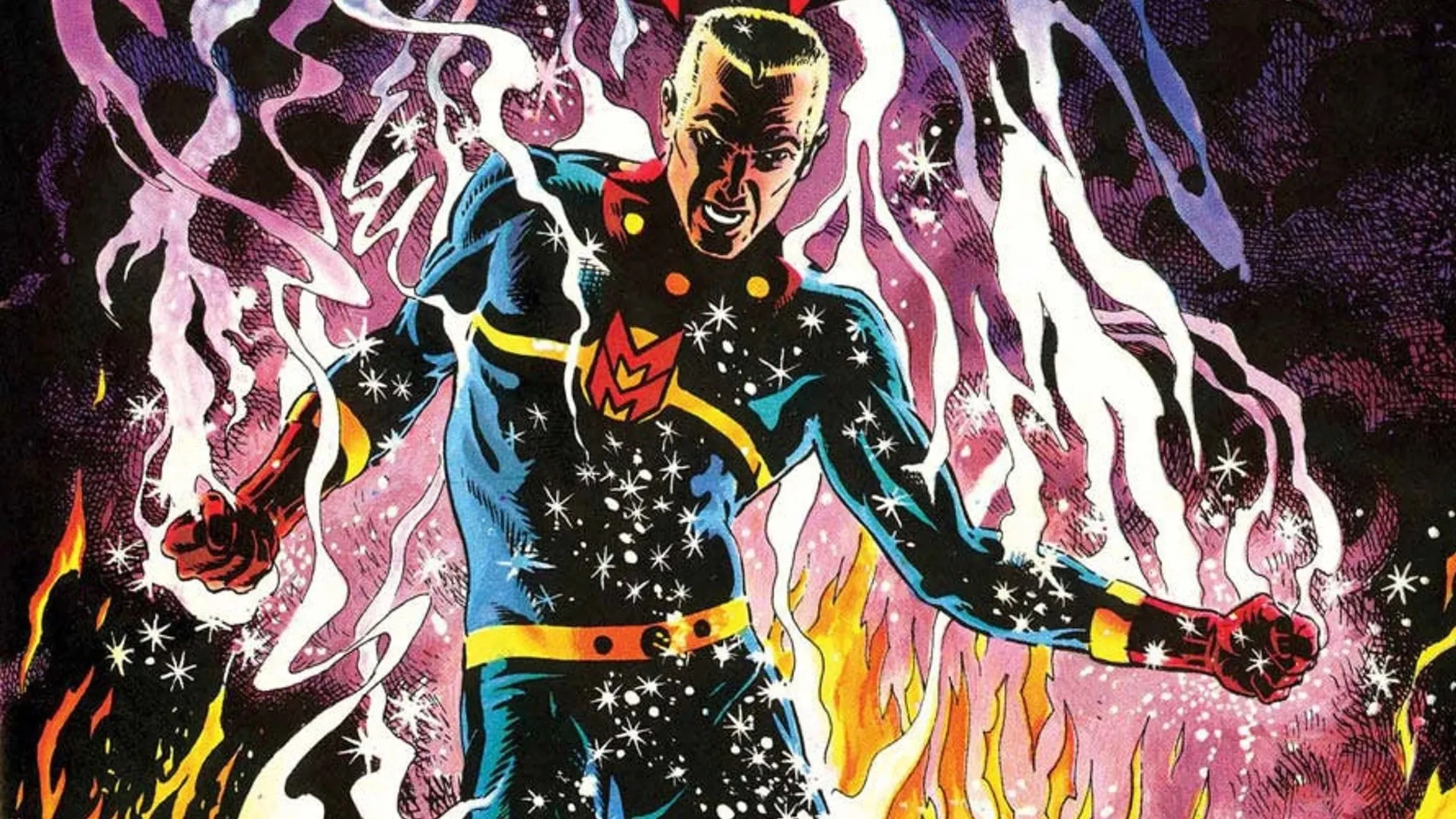
Honestly, I could fill a whole list with just Alan Moore’s comics, but I’m starting with his run on Miracleman from the 80s. It’s a revamp of a British character originally created by Mick Anglo – kind of a spin-off of Shazam/Captain Marvel, actually. This was really where Moore started playing with the idea of deconstructing superheroes, something he’d later nail with Watchmen. The story centers around Mike Moran, who’s grown up and completely forgotten the magic word that turns him into Miracleman. When a run-in with terrorists jolts his memory, he tries to reconnect with his old friends, but everyone’s changed. From there, it gets wild: he fights old enemies, teams up with alien races, and ultimately ends up ruling Earth – but in a surprisingly positive way, genuinely using his powers to make things better for everyone.
As much as I’d love to see a Miracleman movie, I just don’t think it would work. Hollywood would inevitably soften the really dark and challenging parts of the story, and that’s what makes it special. Sure, we have the technology now to actually show everything from the comics, but the core of what Miracleman is – that bleak outlook and deconstruction of superheroes – would be lost. It feels like it would end up being a watered-down version of itself. Plus, the whole series is so clearly a tribute to classic superhero stories, and that magic would be hard to capture on film. It’s a story that really belongs in the comic book format, honestly.
2) Zero
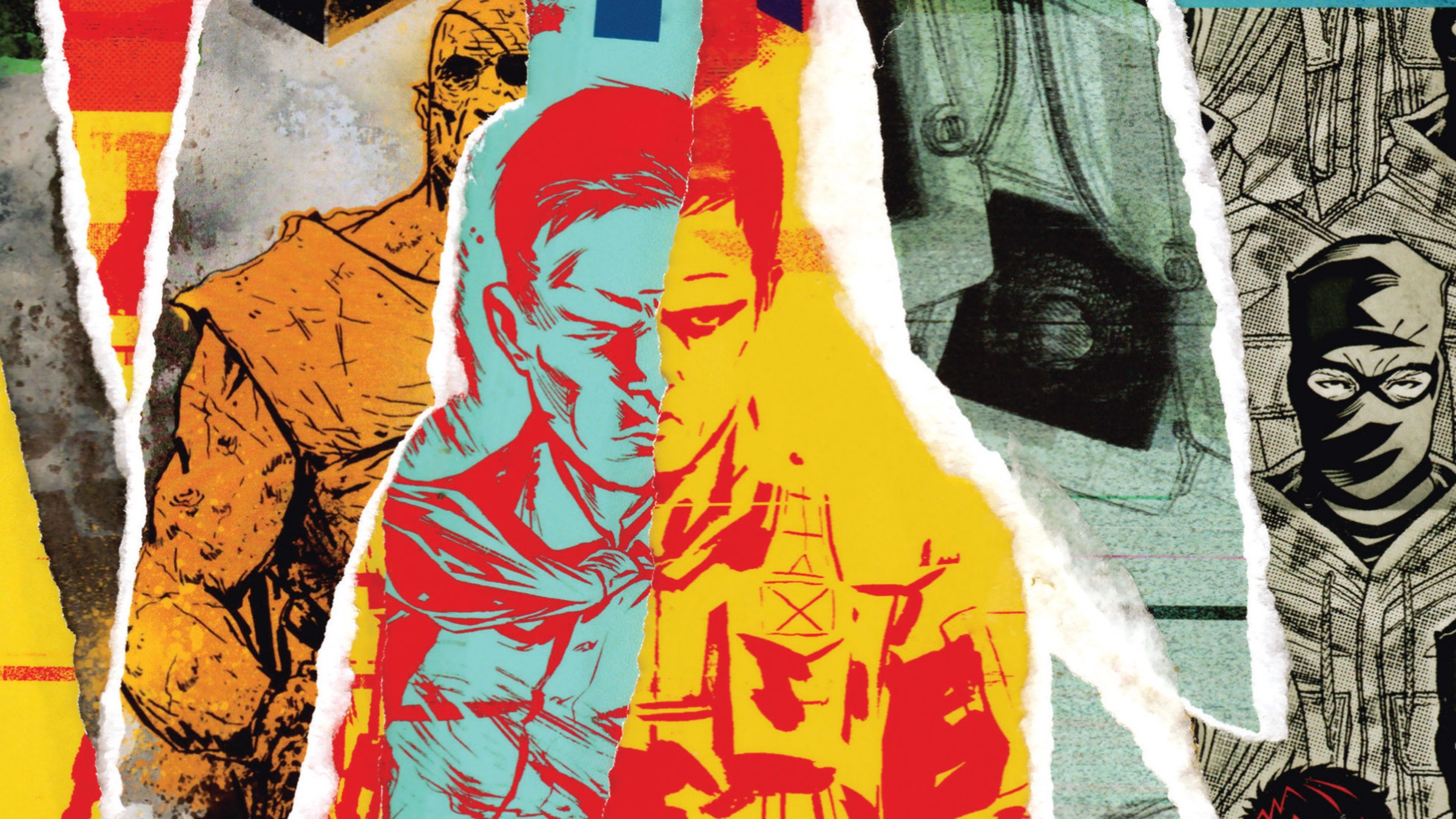
Aleš Kot is a comic book writer known for focusing on what makes the medium unique, rather than trying to force it into other forms. This approach is evident in works like Material and Generation Gone, but truly shines in his Image series, Zero. The comic follows Edward Zero, a highly trained secret agent, and each issue features a different artist, giving the series a constantly evolving and distinctive visual style.
When I first started reading Zero, it felt like a classic spy thriller, but it quickly took a turn I never saw coming. It breaks the fourth wall and throws you into this incredibly strange, philosophical conversation between William S. Burroughs and Alan Ginsberg – they’re basically figuring out the meaning of life and the universe! Honestly, even showing this visually would be a huge challenge because the comic is so experimental. But beyond that, the core ideas are just too massive and mind-bending to really work as a traditional movie. It’s a story that feels built for the page, not the screen.
1) Mary Tyler MooreHawk
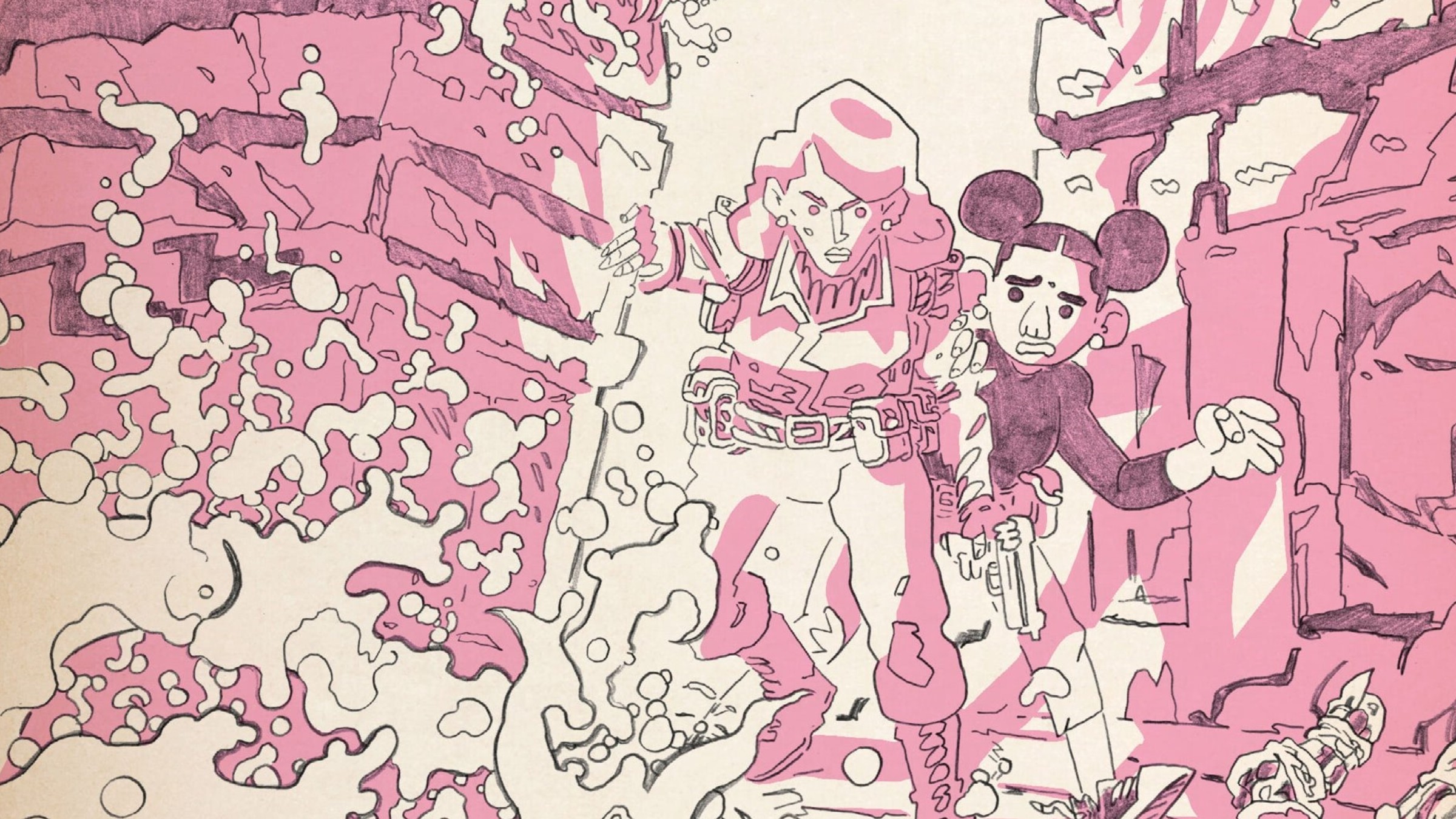
Dave Baker’s graphic novel made waves two years ago with its unique structure. It’s a blend of classic adventure—imagine a mix of The Adventures of Jonny Quest and Doom Patrol, presented as a comic called Mary Tyler MooreHawk—and a future-set mystery told through magazine articles. These articles document the history of the comic. Adding another layer of complexity, almost every page includes detailed footnotes that expand on the world of Mary Tyler MooreHawk, the people who made it, and the author’s dystopian future where physical media is outlawed and corporations rule. Interestingly, Dave Baker plays a triple role: he’s the artist, the fictional creator of Mary Tyler MooreHawk within the story, and the investigator chronicling its history.
Feeling lost? That’s precisely why Mary Tyler MooreHawk will likely remain a graphic novel. It’s designed to be a completely immersive, physical experience that stretches the boundaries of what a graphic novel can be. While someone could try to adapt it into a movie, the closest comparison right now is probably I Saw the TV Glow, though that film is also intentionally meant to be a commentary on the media it presents.
Read More
- Tekken 8 Fans Furious as Tifa Tipped for Street Fighter 6 Instead
- Nintendo Switch 2 Reportedly Getting Remake of One of the Best PS3 and Xbox 360 Games
- Gold Rate Forecast
- Welcome to Demon School! Iruma-kun season 4 release schedule: When are new episodes on Crunchyroll?
- 10 Movies That Were Banned in Different Countries For Random Reasons
- See Kaia Gerber & Lewis Pullman’s Vanity Fair Oscars Party Date Night
- Michael Jackson Biopic’s Record-Breaking Debut Unseats 2026’s Biggest Box Office Hit On U.S. Chart
- Crimson Desert Guide – How To Unlock All Elemental Skills
- Shonen Jump’s Hottest Series Is All Set For Anime Announcement After Latest Update
- The Fairly OddParents’ Creator Reveals Who Timmy Ended Up With
2026-02-24 21:13