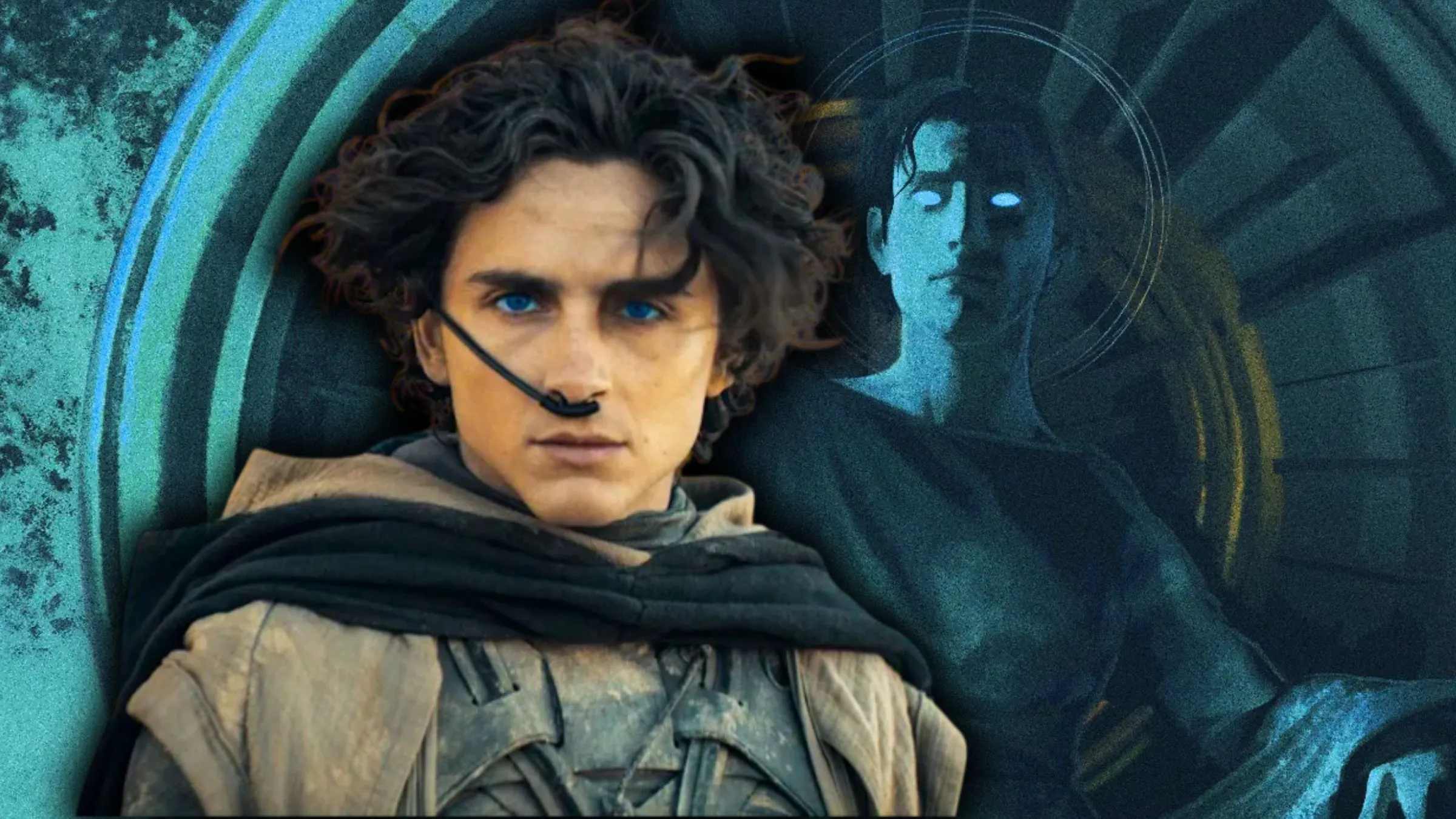
Frank Herbert’s Dune has been popular with readers for many years, but the recent films directed by Denis Villeneuve have made it even more widely known. At the heart of the story is Paul Atreides, a fascinating and complicated science fiction hero. In Dune: Part Two, Timothée Chalamet portrays Paul as he gains power on the planet Arrakis, developing a clever plan against his enemies, House Harkonnen, and becoming seen as a legendary figure. However, the most important part of Paul’s journey isn’t about his strength or success – it’s what happens afterward. What does that mean?
Frank Herbert didn’t intend for his main character to be a typical hero; he created him as a cautionary tale, and that message initially comes across strongly. However, as the story progresses in the books, that warning becomes less clear. The upcoming Dune: Part Three movie has a great opportunity to deliver that original warning effectively. Given that audiences have already seen two large-scale films about a young leader’s rise to power, the conclusion needs to be straightforward, powerful, and stay true to the story that’s been established. Let’s examine how to achieve that.
Warning: Spoilers ahead for the Dune book series.
Paul’s Ending Could Have Been Stronger and Dune: Part 3 Must Do It Justice
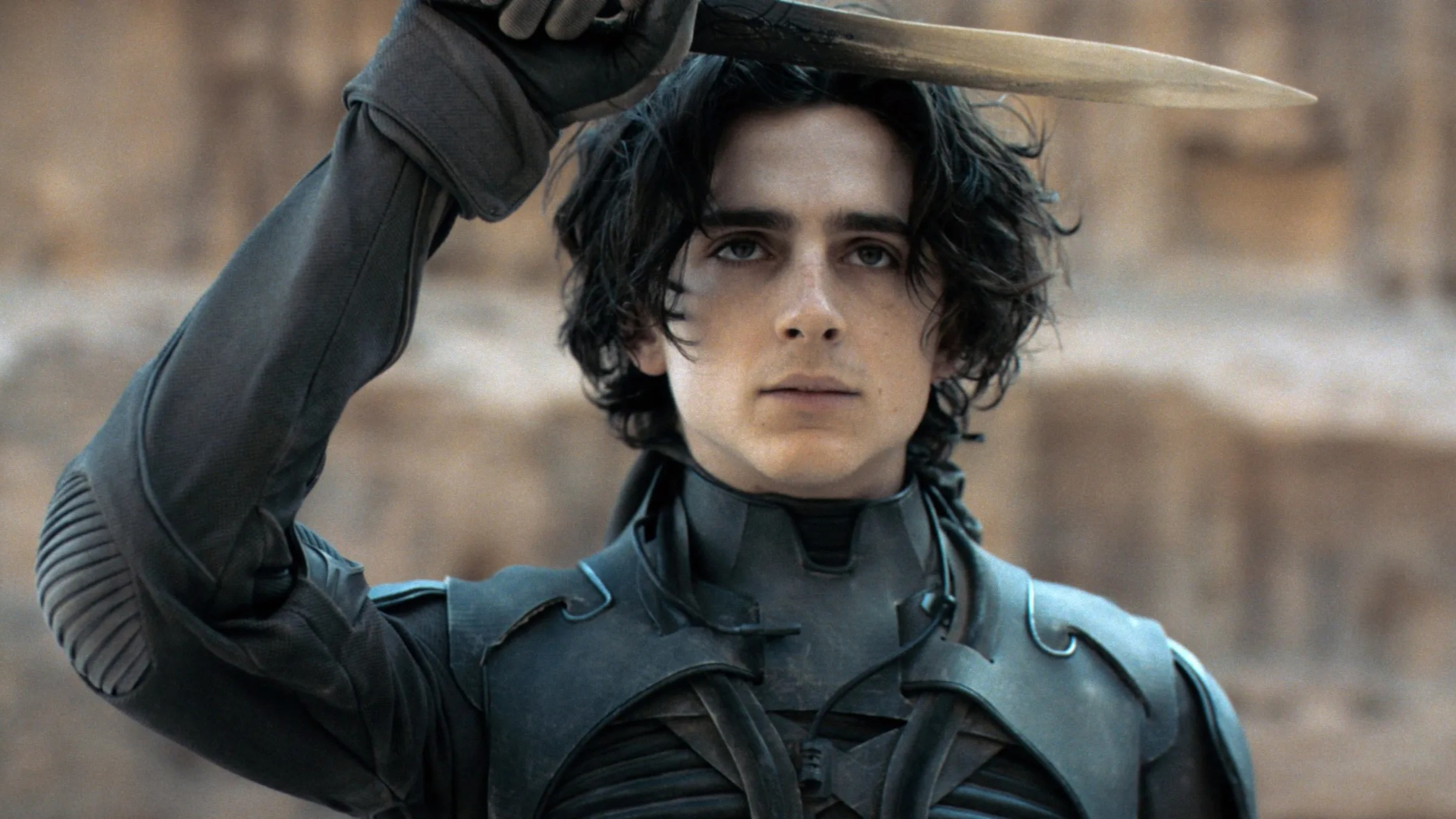
We all understand that a satisfying open ending is different from one ruined by endless sequels. Films like Inception leave viewers thinking and interpreting, while The Matrix Revolutions felt drawn out and tired. Fight Club worked perfectly as a standalone film because its central story reached a natural conclusion. However, Terminator 3: Rise of the Machines had a powerful ending that lost its impact when the series kept revisiting the same conflict. Similarly, the character of Paul Atreides in Dune is most compelling as a tragic hero, not as a figure constantly added to a growing, complex story.
Dune: Part Three will conclude the film series, as director Denis Villeneuve plans to finish the story with this final movie, based on the novel Dune Messiah. The film takes place years after Paul Atreides’ victory on Arrakis, where he now reigns as emperor. However, his rule is marked by a galaxy-wide religious war waged by the Fremen, resulting in massive casualties. Simultaneously, Paul faces growing political threats from groups like the Bene Gesserit, the Spacing Guild, and those loyal to the former empire. Instead of showing a strengthening empire, the movie will likely depict one already falling apart from within.
This is a key point because it avoids a simple understanding of the story so far, both in the first book and the movies. Defeating the Harkonnens wasn’t the goal – it actually created a bigger problem. Paul anticipated a holy war, or jihad, and thought he could manage it. But in Messiah, he discovers he was mistaken. His ability to see the future, previously a strength, becomes a burden. He sees every possible outcome, and they all end badly – a hint of this was actually included at the end of Dune: Part Two. This internal struggle and the weight of his prescience are far more compelling to watch than just battles and wars.
What ultimately happens to Paul Atreides? In the original story, the ending is stark and emotionally resonant for both the character and the reader. After becoming blind and suffering numerous betrayals and losses, Paul walks into the desert alone, a practice among the Fremen for those who are blind. This ending feels true to the story’s themes and Herbert’s criticism of idolizing heroes. However, he does reappear later in the third book, Children of Dune, which concludes his story. While his return isn’t necessarily a mistake—he has understandable motivations—leaving him in the desert permanently might have created a more powerful and impactful ending, fully emphasizing the weight of his decision to step down from power.
Why Exactly Does Dune: Part 3 Need to Close Paul’s Arc Differently
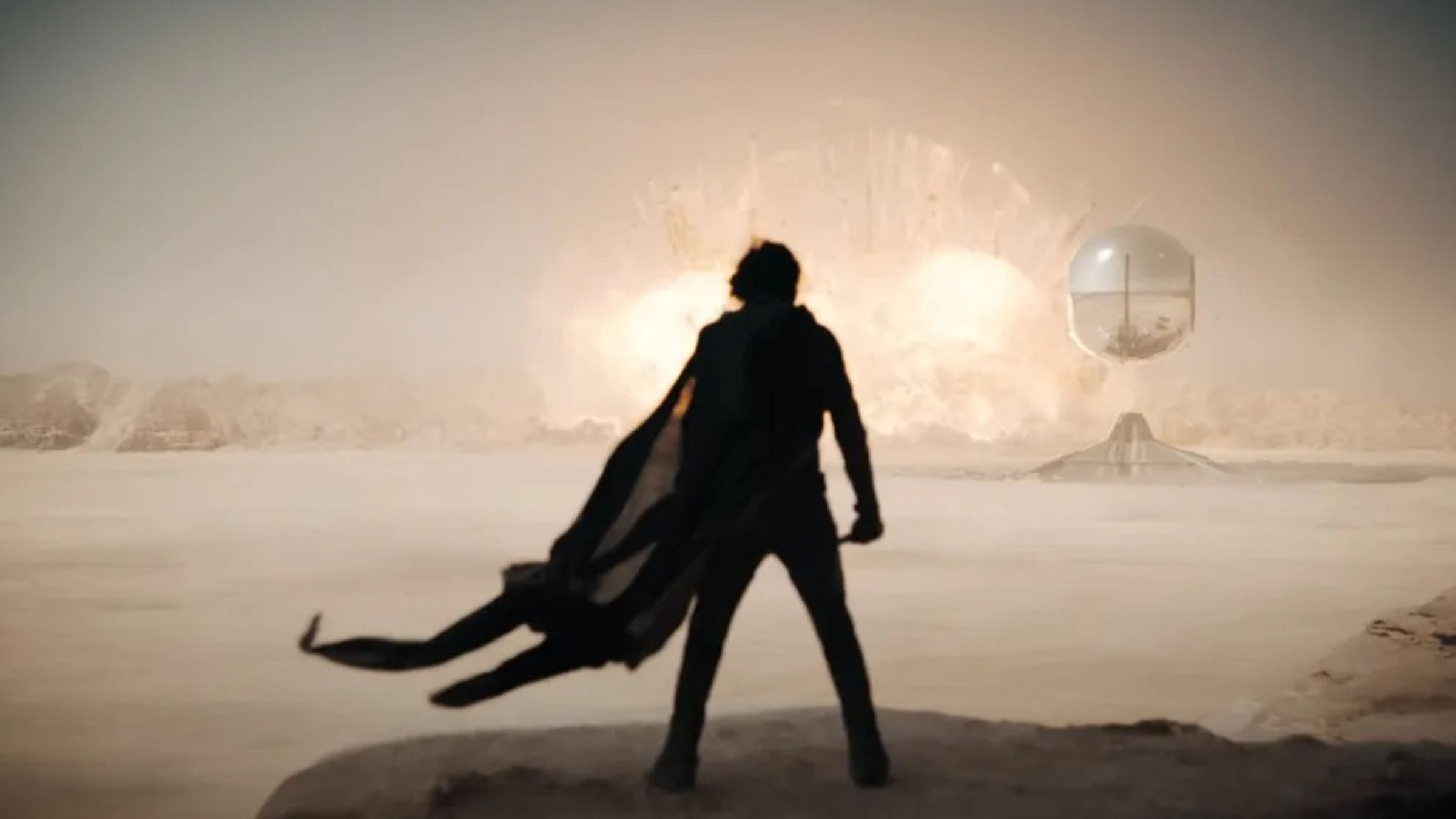
Okay, so everyone’s predicting Paul will end up a solitary figure in the desert by the time this trilogy wraps up, and honestly, it makes sense. But after seeing Dune: Part Two, I’ve learned not to take anything for granted! Villeneuve clearly loves the source material and gets this story. He’s been remarkably faithful to the spirit of the books, and the changes he has made feel really smart – especially considering how notoriously difficult this saga was thought to be to adapt for the big screen. All that said, I’m putting my faith in him. I’m hoping he won’t stray too far from the ending we get in the books, but at this point, it’s all just educated guessing!
The director clearly understands Herbert’s vision for Dune and the meaning of Paul’s journey. The film deepened the complexities of Paul’s relationships, adding political and emotional weight to his connection with Chani (Zendaya) and turning his arranged marriage to Irulan (Florence Pugh) into a painful personal conflict. These choices highlight the troubling aspects of Paul’s ascent to power. Part Two really focused on his willingness to pursue power, even knowing the consequences, which sets up a potentially uncompromising final chapter.
Given everything we know, it seems likely that Dune: Part Three will conclude the story at the same point as Dune Messiah – and won’t go any further. This is both the most sensible and the most daring approach. Paul doesn’t need a heroic death or a grand sacrifice. He simply needs to realize he’s become the very thing he was afraid of: an uncontrollable symbol. The true power of the story lies in his decision to step down, not in any glorious final battle. Film can even amplify this impact beyond the book by visually depicting the devastating consequences of the jihad, showing the faces of those who suffer, and emphasizing the psychological burden of his leadership. This would make his final journey into the desert incredibly powerful and emotionally resonant, far beyond just a symbolic act.

Another factor is that audiences are now accustomed to never-ending franchises, which can be thrilling but sometimes leads to unfocused storytelling. While it’s uncertain if Children of Dune will ever be made into a film – perhaps with a different director than Denis Villeneuve, as Warner Bros. is reportedly interested – completing the story in three films offers something increasingly rare: a true trilogy with a clear start, middle, and finish. This ‘rise, reign, and fall’ structure is dramatically satisfying, thematically resonant, and, crucially, honors the complexity of Paul Atreides. He doesn’t require a grand redemption arc; he needs to face the consequences of his actions. Hopefully, the upcoming movie will deliver just that.
Dune: Part 3 hits theaters on December 18.
What do you think? Leave a comment below and join the conversation now in the ComicBook Forum!
Read More
- Gold Rate Forecast
- 10 Movies That Were Banned in Different Countries For Random Reasons
- Nintendo Switch 2 Reportedly Getting Remake of One of the Best PS3 and Xbox 360 Games
- Welcome to Demon School! Iruma-kun season 4 release schedule: When are new episodes on Crunchyroll?
- Tekken 8 Fans Furious as Tifa Tipped for Street Fighter 6 Instead
- 9 Great Supernatural Characters Everyone Forgot About
- See Kaia Gerber & Lewis Pullman’s Vanity Fair Oscars Party Date Night
- Michael Jackson Biopic’s Record-Breaking Debut Unseats 2026’s Biggest Box Office Hit On U.S. Chart
- PS5 Game Devs Collectively Clown on Nvidia’s Controversial DLSS 5 Tech
- The Fairly OddParents’ Creator Reveals Who Timmy Ended Up With
2026-02-25 16:41