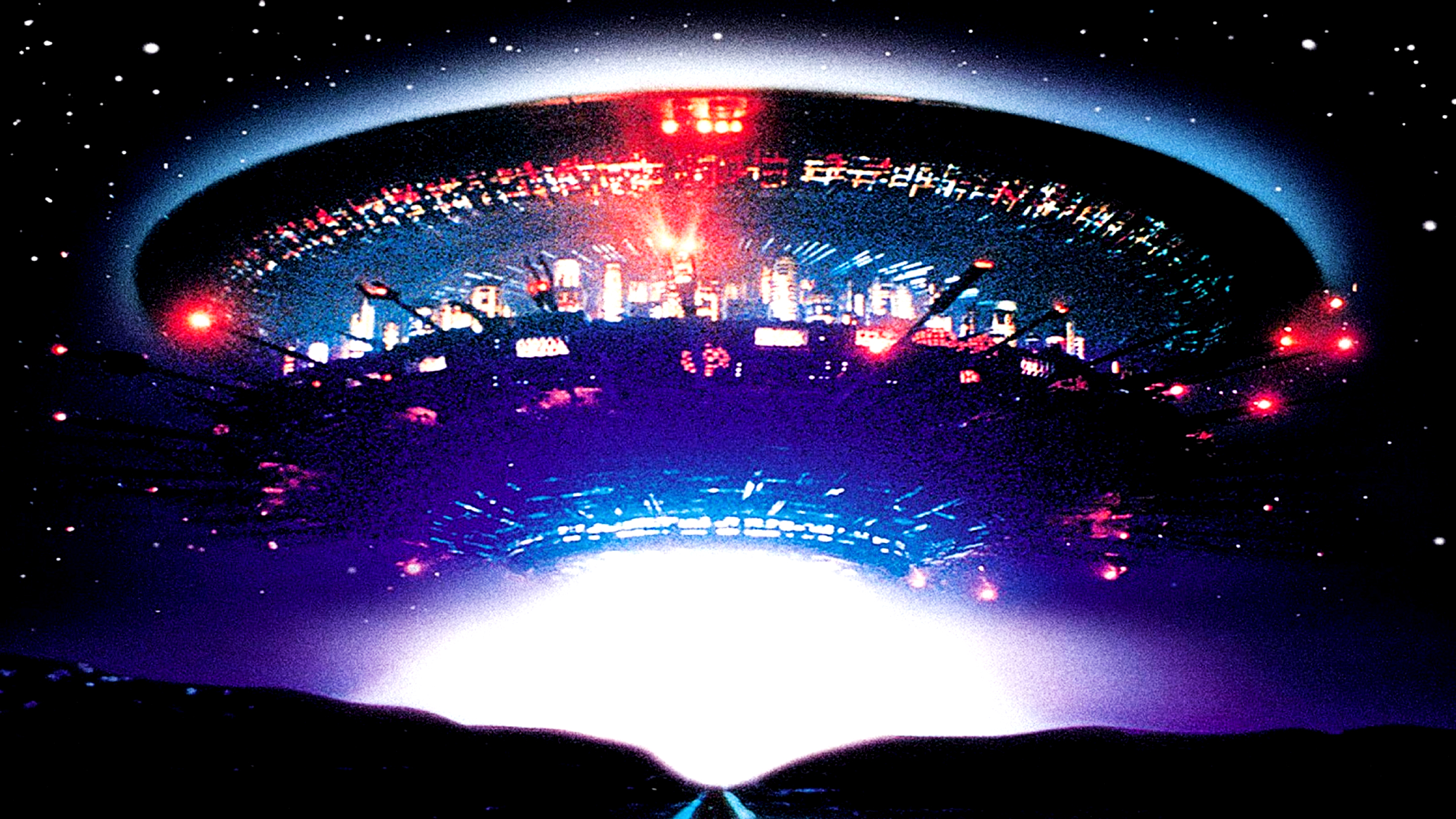
Ever since Georges Méliès’ groundbreaking film A Trip to the Moon at the start of the 1900s, science fiction movies have been a place for filmmakers to explore ideas about what the future might hold. These films often reflect what people are thinking and feeling at the time, and we’ve seen that change over the years – from the hopeful, American-focused visions of the 1950s, to more thoughtful and artistic films, then big-budget blockbusters, and now the high-quality, critically acclaimed sci-fi movies we see today.
Science fiction directors have tackled everything from epic space adventures to gritty cyberpunk worlds, terrifying horror to thought-provoking first encounters with alien life. The best of them are truly skilled storytellers who can imagine the future. This list highlights ten of the greatest sci-fi filmmakers, each with a signature style, and showcases what we consider to be their most important or best film.
10) David Cronenberg: Videodrome
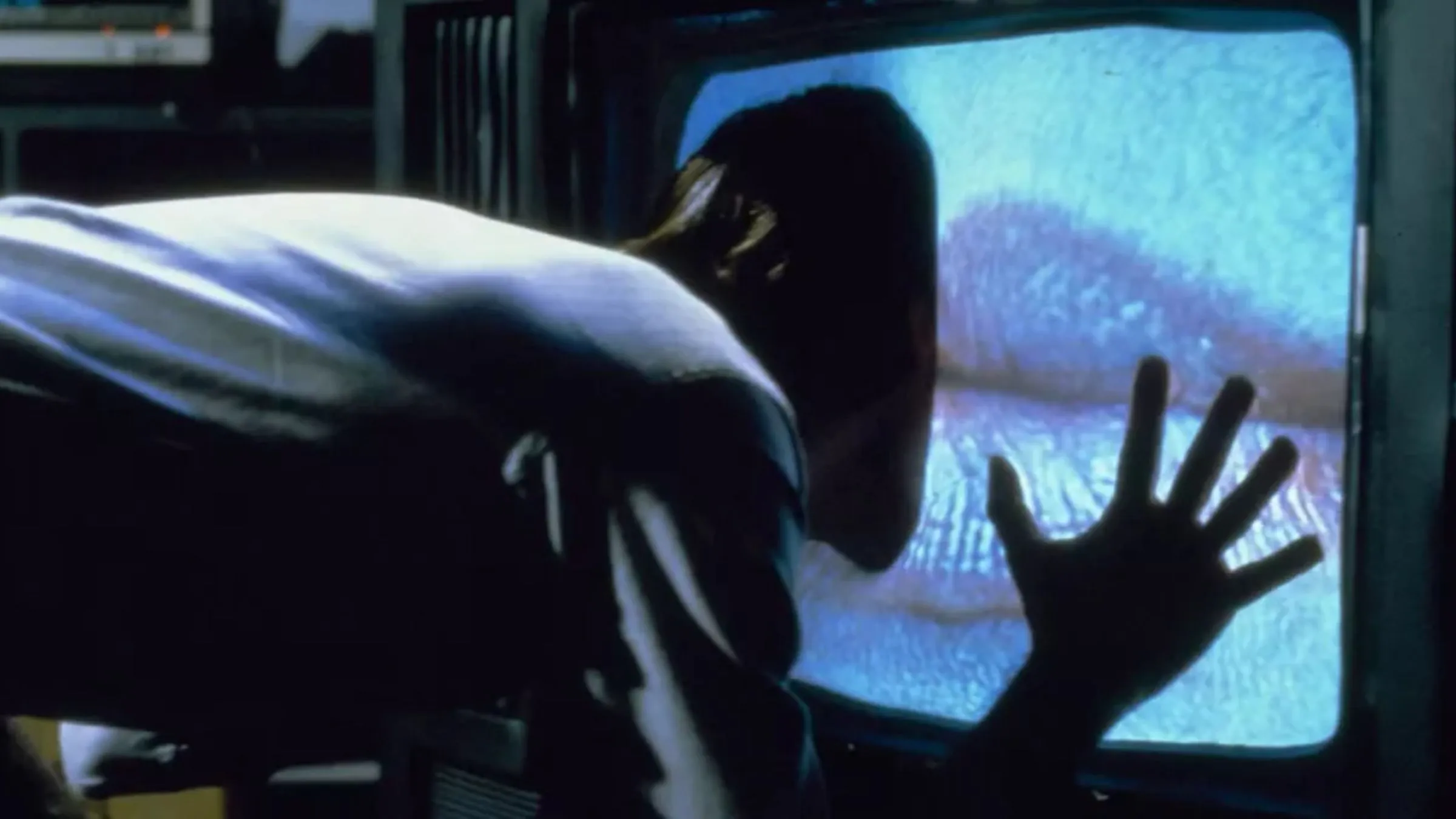
David Cronenberg, often called the “Baron of Blood,” is famous for his unsettling and realistic horror effects. He’s a leading figure in the body-horror genre and continues to be highly respected. Though many consider The Fly his greatest achievement, his most compelling films explore the relationship between people and technology, and Videodrome exemplifies this theme perfectly.
Released in 1983, this film is a mind-bending journey into the distorted reality of a former newsman, fueled by the power of media. It’s famous for its striking and unforgettable visuals, and is considered a landmark achievement in both science fiction and body horror – a cult favorite that has become a true classic.
9) Christopher Nolan: Interstellar

Christopher Nolan is a hugely successful director known for working across many different types of films. While some believe his best work is the superhero movie The Dark Knight, he’s also a skilled science fiction director. Many fans consider his sci-fi epic Interstellar to be his most lasting and popular film.
Even though Interstellar came out in 2014, it still has a huge and passionate following. Fans continue to debate the movie’s details and share how deeply it moved them, often admitting to crying during Matthew McConaughey’s scenes. It’s easily his most daring, scientifically accurate, and thought-provoking film, and it perfectly demonstrates his ability to convince studios that audiences enjoy intelligent stories.
8) James Cameron: Terminator 2

James Cameron is the director behind many of the most popular science fiction movies ever made, such as Aliens, The Terminator, and the Avatar series. He’s famous for pushing the boundaries of filmmaking technology, sometimes even creating new technology specifically for his films. A prime example is Terminator 2: Judgment Day, where he worked with Industrial Light & Magic to develop revolutionary CGI and digital effects, including the incredibly realistic liquid metal form of the T-1000.
While not James Cameron’s most commercially successful film, Terminator 2: Judgment Day is widely considered his finest science fiction work. It’s a standout sequel – one of the few that actually improves upon the original – and a landmark sci-fi action movie. Beyond its thrilling action, T2 delves into complex ideas about free will, destiny, and the moral implications of artificial intelligence. It also laid the groundwork for Cameron’s future blockbusters, including Avatar.
7) John Carpenter: The Thing
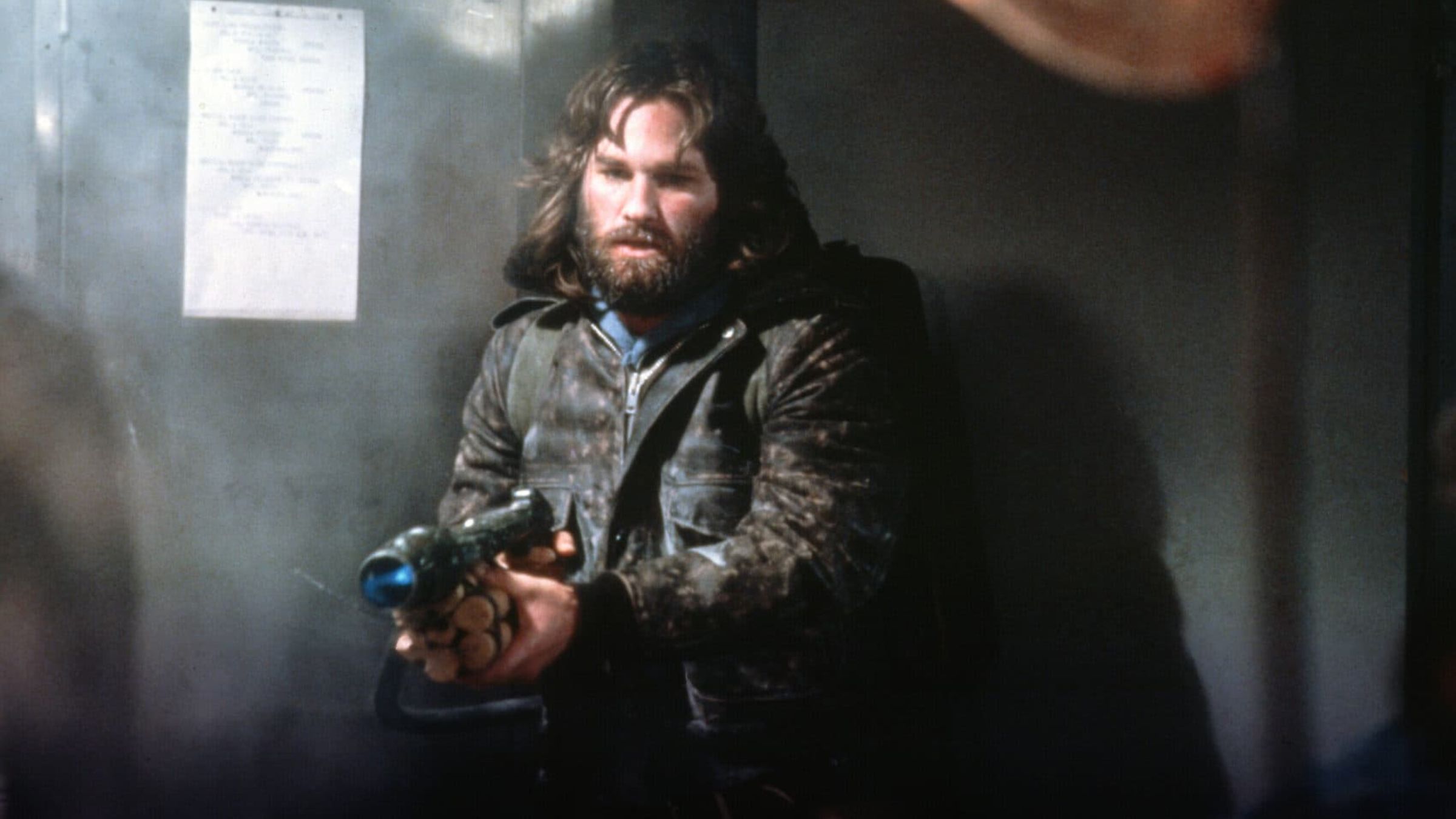
John Carpenter is a remarkably productive and talented director, and arguably the most important creator of science fiction cult classics since Jack Arnold, who made Creature of the Black Lagoon. He’s known for blending horror and science fiction, and directed films like They Live, Escape From New York, Dark Star, and Starman. However, he’s most famous for his 1982 horror film, The Thing.
John Carpenter’s The Thing is a nearly flawless science fiction horror film. It follows a team of American researchers in Antarctica who discover an alien lifeform capable of perfectly copying and taking over other organisms. Though it didn’t initially do well with audiences, The Thing is now considered a classic for its understated direction and remarkably realistic practical effects that remain impressive even now.
6) Ridley Scott: Blade Runner

Ridley Scott is a hugely influential science fiction director, famous for creating incredibly detailed and immersive worlds. He’s best known for two landmark films: Alien and Blade Runner. While Alien first established his reputation, it was Blade Runner that truly showed his genius and vision.
Ridley Scott’s 1982 film, Blade Runner, paints a picture of a futuristic Los Angeles filled with rain, glowing lights, and artificial beings called replicants. The movie explores the question of what defines humanity. Though its production was difficult and it wasn’t initially a hit, Blade Runner has become increasingly influential over time. It practically created the look and feel of cyberpunk science fiction, setting the standard for the genre.
5) Denis Villeneuve: Dune Part Two

When you mention Blade Runner, it’s clear that Denis Villeneuve – the director of the sequel – is a truly unique filmmaker in science fiction. He’s focused solely on the genre since his 2016 film Arrival, which proved sci-fi was still a powerful force in cinema. For most directors, Arrival and Blade Runner 2049 would be the highlights of their careers. But looking back, it’s evident these films were all stepping stones to his ambitious Dune trilogy.
Though the first installment felt like an introduction and the third hasn’t come out yet, Dune Part Two is Denis Villeneuve’s most impressive film so far—it’s bigger, more thrilling, and visually spectacular than anything he’s done before. Unlike many other directors, Villeneuve is known as a true artist with a distinct style, characterized by massive, stark visuals, immersive sound, and sparse dialogue. While directors like Ridley Scott and James Cameron are masters of their craft, Villeneuve brings a unique perspective and vision to his films. He successfully adapted Frank Herbert’s famously difficult novel, creating what is arguably the most ambitious and successful science fiction film adaptation ever made.
4) Fritz Lang: Metropolis
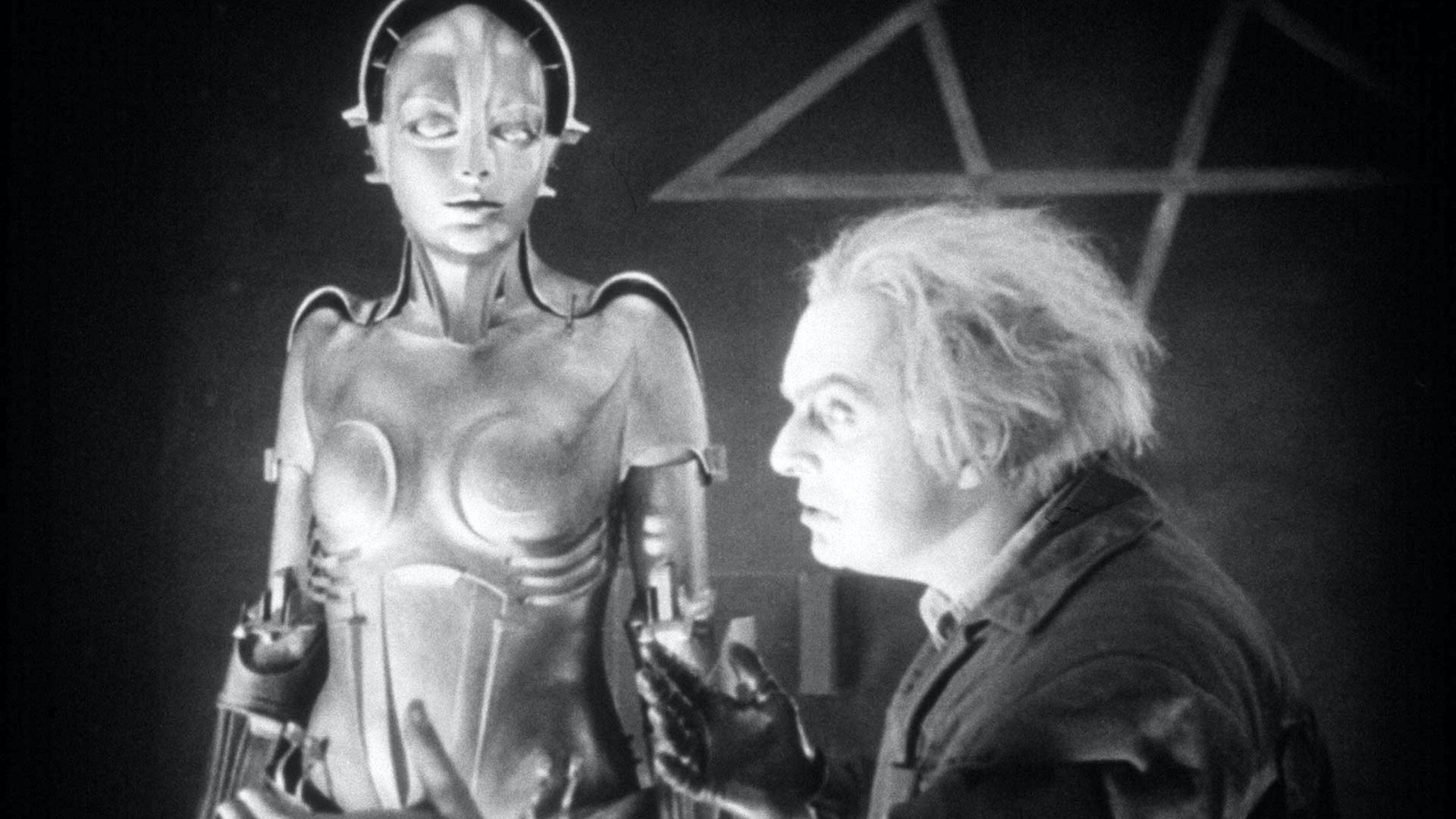
Long before science fiction became widely known, Fritz Lang established many of its key ideas. His 1927 film, Metropolis, is the basis for almost every science fiction movie that followed. It introduced the classic image of a bleak, futuristic city and created unforgettable characters – the rebellious robot, the ruthless factory owner, and the struggling working class – all of which remain central to the genre today. Every cyberpunk movie, including the Blade Runner films, is directly influenced by Lang’s work. Even considering the differences between silent films and those with sound, Metropolis remains a unique and important vision of the future, and deserves to be considered one of science fiction’s greatest films.
3) Steven Spielberg: Close Encounters of the Third Kind
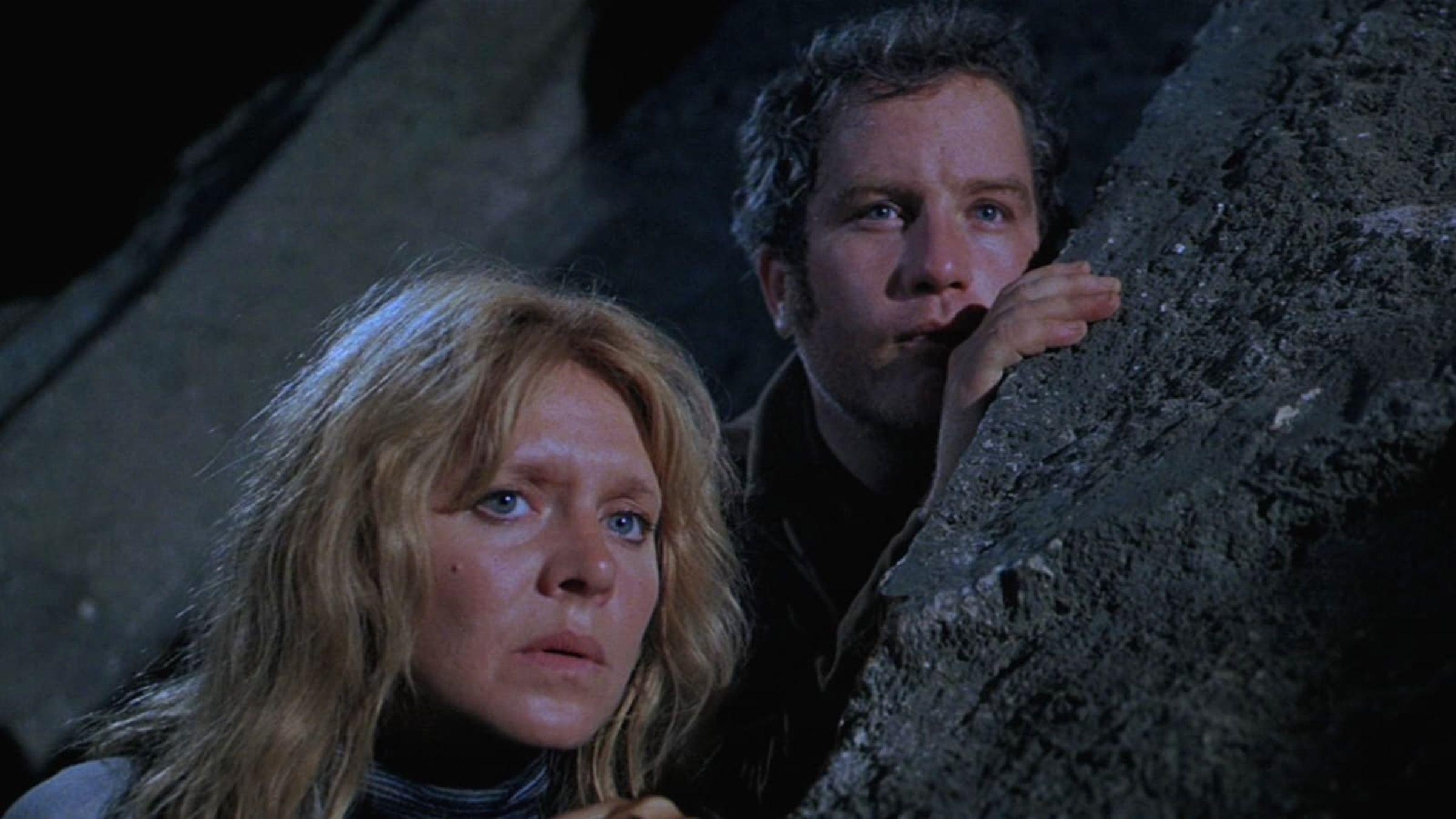
Steven Spielberg uniquely blended the futuristic feel of science fiction with genuine human emotion, and his work is largely responsible for the genre’s massive success in Hollywood. While many sci-fi films focus either on visual effects or complex ideas, Spielberg prioritizes emotional connection. Though choosing his overall best film is difficult, his 1977 classic, Close Encounters of the Third Kind, stands out as his finest sci-fi achievement and arguably the best film ever made about humanity’s first contact with aliens. It’s a grand, moving story about wonder, obsession, and our desire to believe in something bigger than ourselves, culminating in a truly unforgettable cinematic experience.
2) Andrei Tarkovsky: Solaris
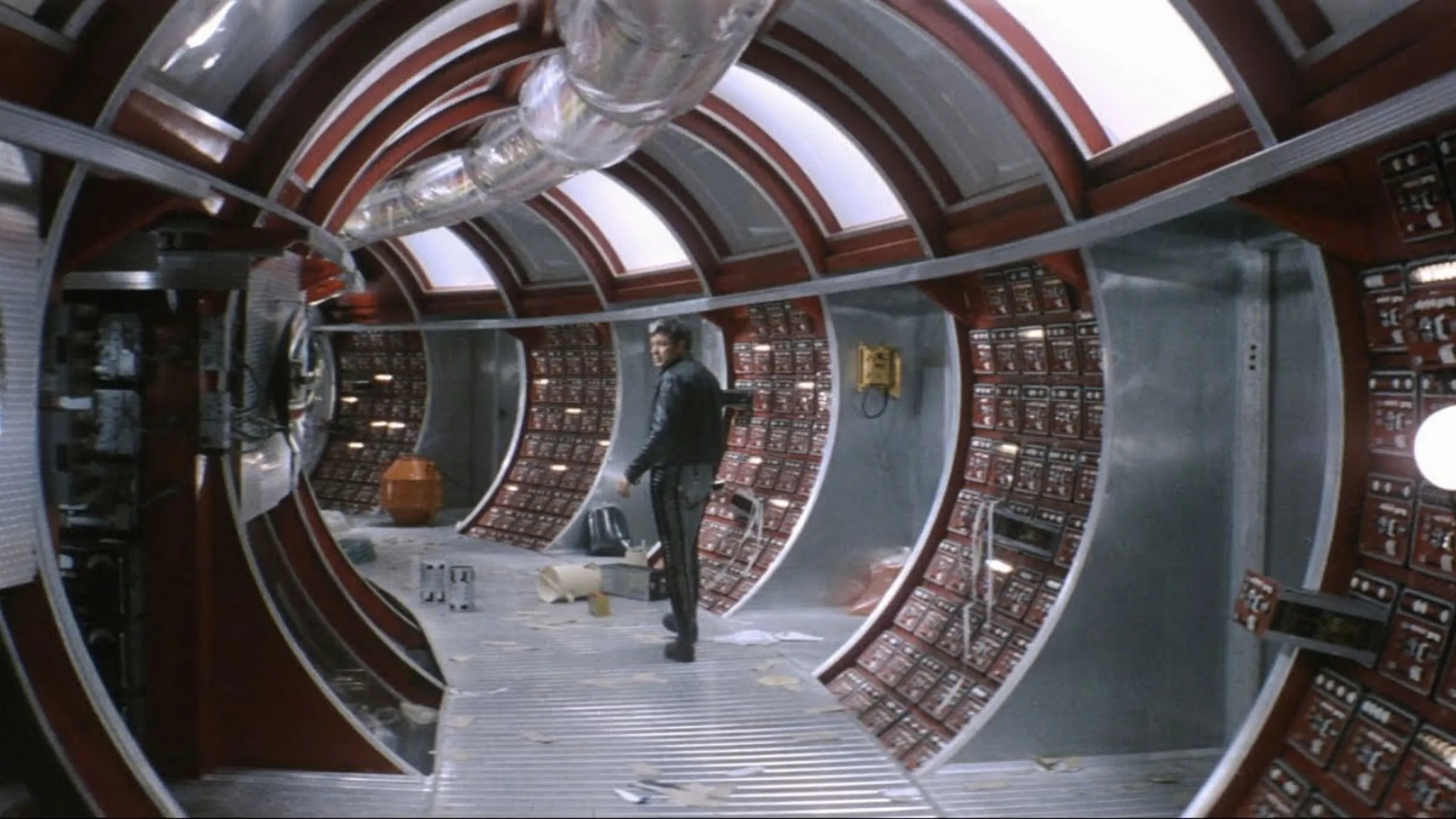
Andrei Tarkovsky, a renowned Soviet filmmaker, is celebrated as one of cinema’s greatest directors. Though he only made a few films that could be called arthouse – notably Solaris and Stalker – his unique vision and lasting impact are immense. Tarkovsky’s films are known for being beautifully poetic and deliberately paced, often exploring deep philosophical and spiritual themes. Many consider his 1972 film Solaris, based on the novel by Stanislaw Lem, to be his most important and masterful work, both within the science fiction genre and beyond.
Considered a landmark film, Solaris tells the story of a psychologist sent to a troubled space station, where he’s forced to face his own buried memories. It’s a rewarding experience for those who appreciate thoughtful cinema. Beyond inspiring countless science fiction films, Solaris pioneered concepts like the ‘haunted space’ trope and the ‘unfathomable alien.’ Notably, director Andrei Tarkovsky focused on exploring the complexities of the human mind rather than relying on technical jargon.
1) Stanley Kubrick: 2001: A Space Odyssey

Stanley Kubrick was a remarkably innovative director, known for both his artistic vision and his groundbreaking use of film technology. He’s considered one of the all-time greats, and his science fiction films are particularly celebrated. Films like the darkly humorous Dr. Strangelove and the unsettling A Clockwork Orange showcase his meticulous style and cynical perspective. But many consider his 1968 film, 2001: A Space Odyssey, to be his defining achievement – a true classic of hard science fiction.
Released in 2001, this film uniquely portrays the progression of humanity from early apes to a space-traveling civilization, avoiding a typical story structure. Director Stanley Kubrick created incredibly realistic and scientifically sound special effects, even inventing new techniques like slit-scan photography to capture the breathtaking visuals of space. Since its release, 2001 has become a benchmark for science fiction films, influencing countless directors and remaining a stunning technical, philosophical, and artistic achievement.
As a huge sci-fi fan, I’m always thinking about the masters of the genre. It got me wondering – who am I missing? Who would you add to the list of all-time great sci-fi directors? I’d love to hear your thoughts – let’s chat about it over in the ComicBook Forum!
https://comicbook.com/movies/list/10-great-sci-fi-movies-you-can-stream-for-free-now/embed/#
Read More
- Best Thanos Comics (September 2025)
- Gold Rate Forecast
- Where Winds Meet: How To Defeat Shadow Puppeteer (Boss Guide)
- PlayStation Plus Game Catalog and Classics Catalog lineup for July 2025 announced
- Samson: A Tyndalston Story Studio Wants Players to Learn Street Names, Manage Hour-to-Hour Pressure
- Did Churchill really commission wartime pornography to motivate troops? The facts behind the salacious rumour
- 4 TV Shows To Watch While You Wait for Wednesday Season 3
- 10 Best Anime to Watch if You Miss Dragon Ball Super
- Harnessing Superconductivity for Quantum Computing
- Resident Evil Requiem cast: Full list of voice actors
2026-03-07 23:17