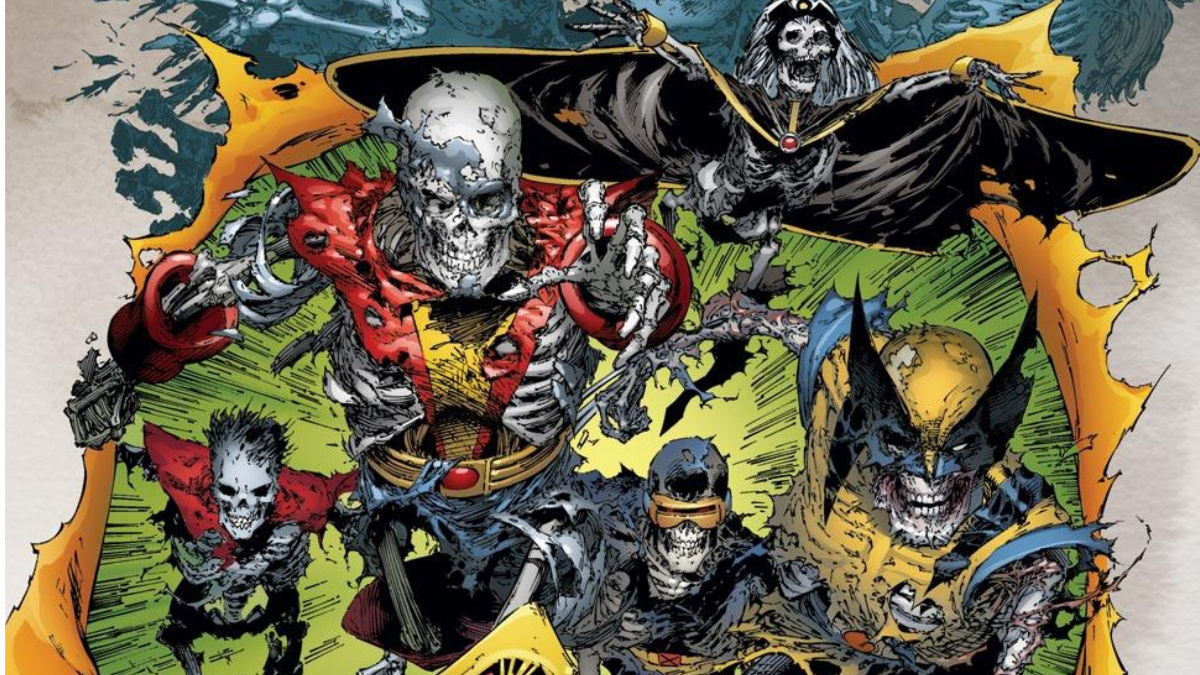
Over the years, I’ve come to appreciate how well-established comic book characters have developed distinct personalities. These character traits, established by various writers over decades, make each hero or villain feel like a real person rather than just a fictional character. While there may be differences in how these characters are portrayed from one work to another, they all have a unique identity that’s hard to miss. For instance, Captain America wouldn’t act out of character by harming an innocent creature like a dog.
However, after so many years, these beloved characters sometimes face situations that challenge their established personas, keeping us readers on our toes and adding depth to the stories we love.
Character alteration or transformation occurs when a character performs actions significantly different and contradictory to their established personality or goals, making it challenging to reconcile their past behavior with their current actions. This is frequently used to portray certain characters in a negative light for the purpose of the story being told by the writers. Regrettably, this tactic is commonly employed with long-standing characters to add excitement to those perceived as stale by those responsible. In essence, it’s about generating cheap shock value.
In some cases, these character transformations are so extreme that they leave a lasting impact, and the character never fully recovers, creating a blemish on their reputation. Today, we will examine seven particularly egregious instances of this phenomenon in Marvel Comics. Brace yourself for frustration.
1) Scarlet Witch: Avengers Disassembled/House of M

The well-known quote “No more mutants” is often associated with Scarlet Witch, yet it’s widely considered a misstep in her character development. Wanda, a long-standing Avengers member, had lost the children she created through her magical powers, and Agatha Harkness erased her memories to spare her the pain. In “Avengers Disassembled”, a mentally unstable Wanda discovered what happened to her children and blamed the Avengers for her misfortune. This led to her dismantling the team, which set the stage for the House of M event. There, she was manipulated by Quicksilver to reshape reality into a perfect utopia for mutants, ultimately coming close to annihilating all mutantkind by erasing the X-gene from nearly all mutants. This is troubling enough given that an established Avenger like Wanda went insane and threatened reality. However, it’s even more disappointing because she had already accepted her children’s fate in the 1985 “West Coast Avengers” Annual #7. Her extreme reaction to this revelation feels out of character, especially since she had moved past this tragedy before. These stories have done a disservice to Wanda’s character, as subsequent Scarlet Witch-centric books seem to focus on her dealing with the fallout from this unexpected spiral.
2) Cyclops: X-Factor/Avengers vs X-Men
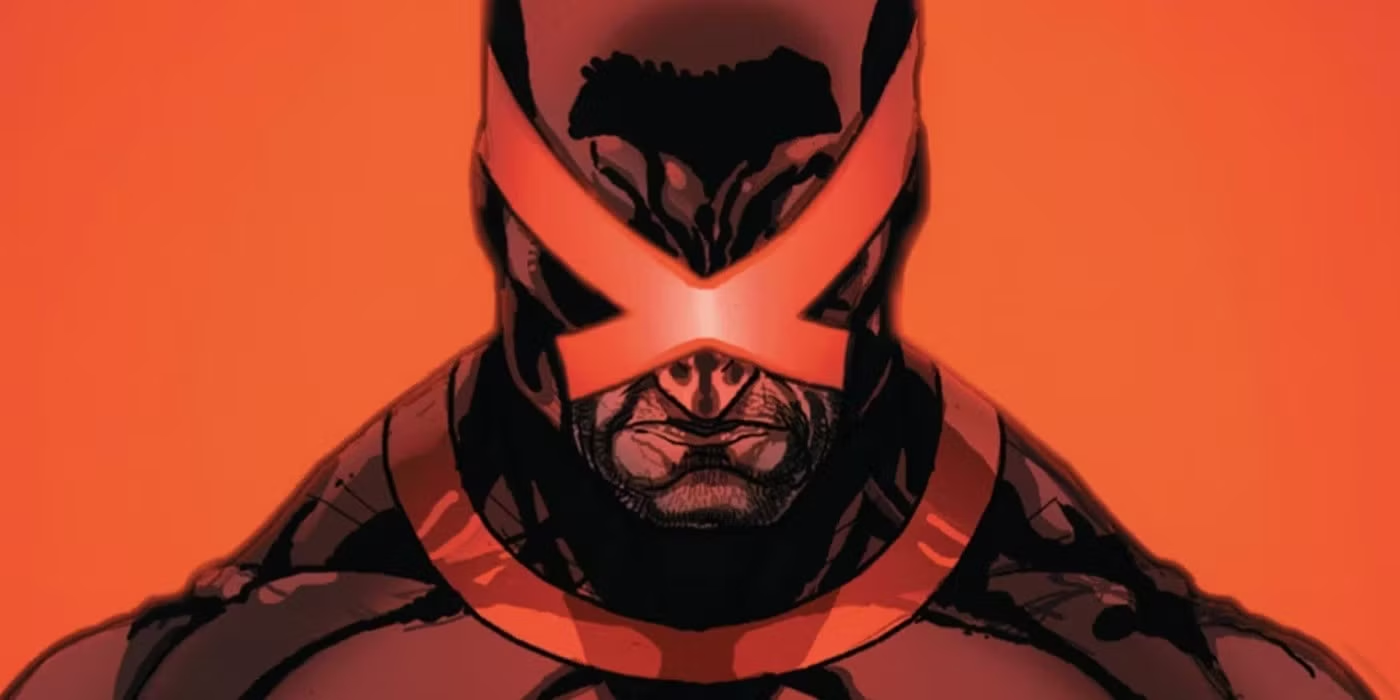
The primary leader among the X-Men is Cyclops, who stands as a beacon of resilience when the team faces tough times and must take a stand. He embodies the indomitable spirit that protects mutants and serves as the embodiment of Charles Xavier’s vision. However, his image took a significant hit with fans in the series X-Factor (1986) and among his fellow superheroes in Avengers vs X-Men. In X-Factor, Cyclops left his wife Madelyne Prior and their son Nathan as soon as he learned that Jean Grey had returned, which tarnished his reputation. In AvX, Cyclops transformed into a villain intent on world domination who killed Professor X, an action he would never consider, even in the face of deteriorating relationships with Charles.
In the context of X-Factor, Cyclops was trying to reach out to his family, but was foiled by villain interference and miscommunication. This incident may not be entirely unforgivable, but it is far from one of his finest moments. On the other hand, AvX represents a stark contrast to Scott Summers’ character. Although the Phoenix Force played a role in Cyclops’ villainous actions, they still led him to commit an act as heinous as murdering Charles Xavier, something that was out of character for him. Furthermore, Cyclops claimed to feel no remorse and would repeat his actions if given the chance, because he believed they benefited mutantkind, which made him resemble 1980s Magneto more than the heart of the X-Men. This portrayal of Cyclops can be attributed to Marvel’s rebellious phase in the 2010s, where they undermined the X-Men due to not owning the film rights, a decision that was detrimental to Cyclops fans.
3) Bruce Banner: Incredible Hulk (2011)

As a devoted movie enthusiast, I’ve always found the character of The Hulk intriguing – his image as a beast has been etched since his inception, swinging between heroism and destruction. Yet, the man behind the monster, Bruce Banner, has always been a noble soul striving to prevent harm. He may have had his fair share of flaws, including making mistakes and being somewhat arrogant, but he’s essentially good at heart.
However, the 2011 movie “Incredible Hulk” took an interesting turn. Doctor Doom surgically separated Bruce Banner from The Hulk’s psyche and inhabited his body. This left The Hulk free to seek solitude in a remote location, while Banner spiraled into madness. He became fixated on regaining the Hulk’s power, turning into a full-blown scientist with unethical experiments on apes and going to extreme lengths to capture The Hulk.
In essence, Banner transformed into a monster himself, as he lost his moral compass without the Hulk to blame for his actions. While later events suggest that his insanity was partly due to the brain tumor caused by his own experiments, the damage had already been done. The character of Banner needs to maintain a balance between goodness and rage, or else the essence of the character is lost. Despite his flaws, he remains fundamentally good – flawed, but noble.
4) Bishop: The Messiah Complex

In a dystopian future, a mutant named Bishop was born and eventually joined forces with his idols, the X-Men. Raised under an authoritarian regime and serving as a police officer in this future, he initially butted heads with the X-Men due to their contrasting ideologies. However, over time, he came to empathize with their perspective and shifted his mindset. Throughout numerous battles, Bishop demonstrated heroic actions in saving the world.
During the “Messiah Complex” event, however, his mission became to eliminate a newborn mutant named Hope Summers. After the “House of M” incident that significantly reduced the number of mutants globally, Hope was the first baby born with powerful mutant abilities, making her a highly sought-after and controlled figure. Bishop believed that Hope’s presence would lead to the worst persecution of mutants in history, so he dedicated himself to killing her as a child. He pursued her relentlessly for years before ultimately realizing that she was beneficial for the world and abandoned his quest.
While Bishop is known for his strong moral compass, his actions to kill an innocent baby were completely out of character, serving as a significant plot twist in his storyline.
5) Ant Man: The Avengers #213

The incident where Hank Pym (Yellowjacket) slaps his wife is arguably the most notorious instance of character defamation in comic book history. Initially, it was intended to depict a distraught and unstable Hank flailing his arms, accidentally striking Janet. However, the artist Bob Hall amplified the action for Marvel’s typical exaggerated style, resulting in a full-blown slap. The story goes that Jim Shooter, the writer, orchestrated this downfall of Hank Pym, as he was already on a self-destructive path, expressing his frustrations about his failures in science and heroism. Prior to this event, Hank was not well-liked among fans, but this single act propelled him into comic book infamy. Shooter’s entire tenure was marked by tearing down Hank, portraying him as unstable and malicious, culminating in this regrettable scene. This incident has become an integral part of any discussion about Hank Pym, and numerous stories often revisit this pivotal moment. Interestingly, before this period, such behavior was inconceivable for Hank, who had his flaws but never acted in such a manner. This one instance irrevocably shaped the trajectory of his character.
6) Charles Xavier: Deadly Genesis
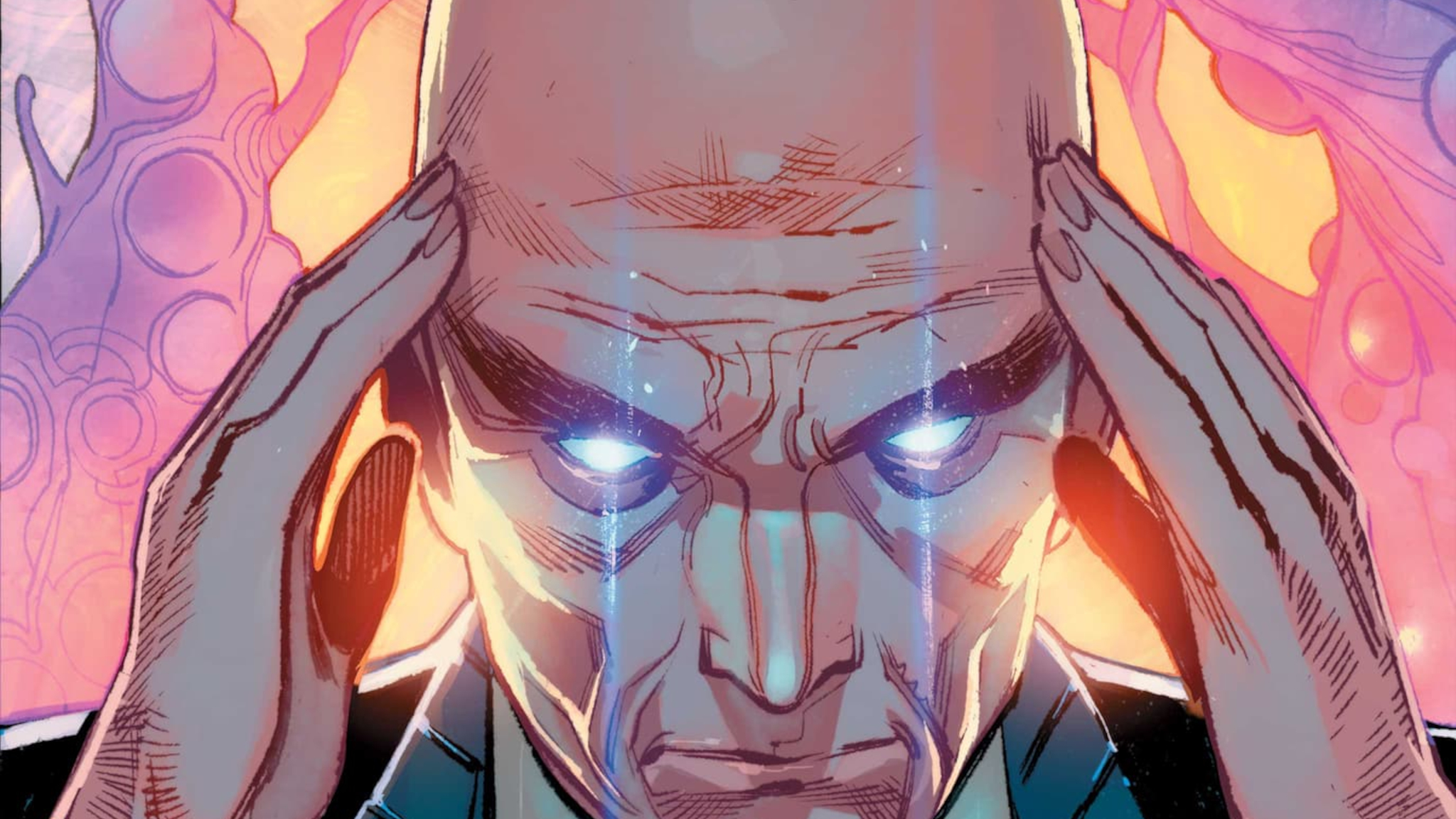
As a dedicated movie reviewer, I’ve always admired Professor X as the soul of the X-Men, tirelessly working towards his vision of a world where mutants and humans coexist harmoniously. However, his controlling nature and self-righteousness have been subjects of debate among fans. It all began to unravel with the comic “X-Men: Deadly Genesis.”
In this storyline, after the original X-Men were captured by the sentient island Krakoa, Professor X dispatched a different team before the one that ultimately succeeded. At the time, Moira McTaggert was training her own group of young mutants. Charles recruited them to rescue the others, marking their first mission. Unfortunately, this team suffered heavy casualties, including Cyclops’ long-lost brother Vulcan.
To conceal the existence and fate of this team, Professor X erased everyone’s memories and even used his telepathy to make Krakoa appear more sentient than it actually was. This deception helped him sell the idea that Krakoa was self-aware instead of merely animalistic. Although this aspect has been quietly retconned in the Krakoan age of X-Men, the revelation sparked a narrative that Charles had manipulated those closest to him for his convenience, something he’d never done to his family before.
This storyline set the stage for Charles to be portrayed as a liar and manipulator, tarnishing his reputation for shock value. The character of Professor X doesn’t resonate if he isn’t fundamentally a good person, and “X-Men: Deadly Genesis” played a significant role in this unfortunate turn of events.
7) Captain Marvel: Civil War II
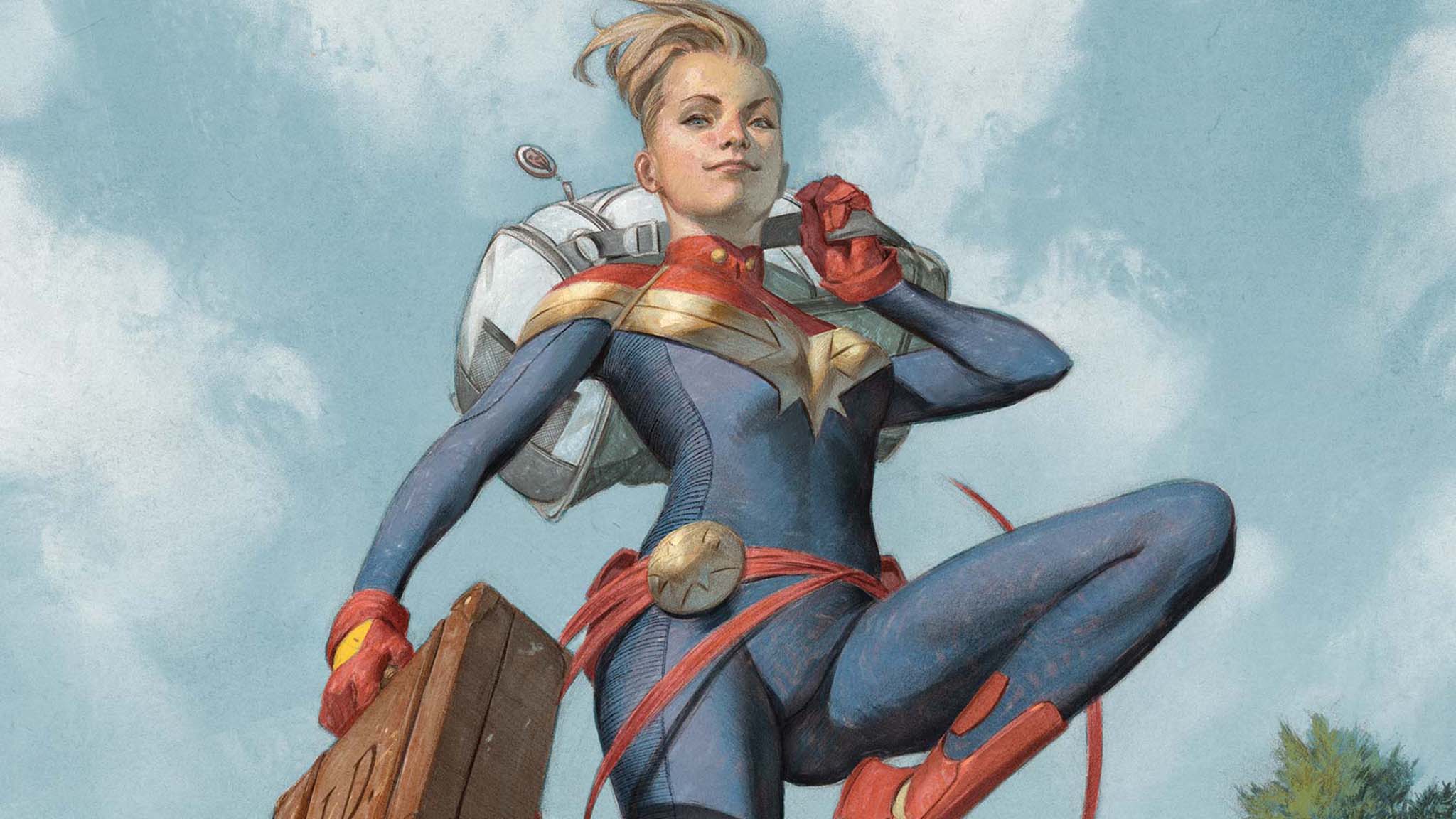
Undeniably, the “Civil War II” comic book event is widely criticized as one of Marvel’s most controversial and damaging stories, particularly for its portrayal of Carol Danvers, a character who has been an Avenger for many years. In this story, Carol was depicted as a figure enforcing pre-emptive detention based on questionable future visions, which many fans found to be a stark departure from her usual heroic image. This representation not only tarnished Carol’s character but also created a lasting negative impression in the minds of readers, some of whom still use this story as a reason to dislike her character today. Despite efforts to move past this narrative, the impact of “Civil War II” on Captain Marvel remains significant and divisive among fans.
https://comicbook.com/comics/news/10-best-x-men-stories-00s-grant-morrison-warren-ellis/embed/#
Read More
- FRONT MISSION 3: Remake coming to PS5, Xbox Series, PS4, Xbox One, and PC on January 30, 2026
- Best Controller Settings for ARC Raiders
- Taylor Sheridan’s Gritty 5-Part Crime Show Reveals New Final Season Villain
- Welcome to Demon School! Iruma-kun season 4 release schedule: When are new episodes on Crunchyroll?
- From season 4 release schedule: When is episode 2 out on MGM+?
- Mark Zuckerberg & Wife Priscilla Chan Make Surprise Debut at Met Gala
- The Boys Season 5 Officially Ends An Era For Jensen Ackles’ Soldier Boy
- ‘The Bride!’ Review: Jessie Buckley Breathes Life into a Monstrous Mess
- Invincible Season 4 Episode 4 Post-Credits Unveils a Demonic Return & More
- Meet the cast of Good Omens season 3: All the actors and characters
2025-07-21 19:23