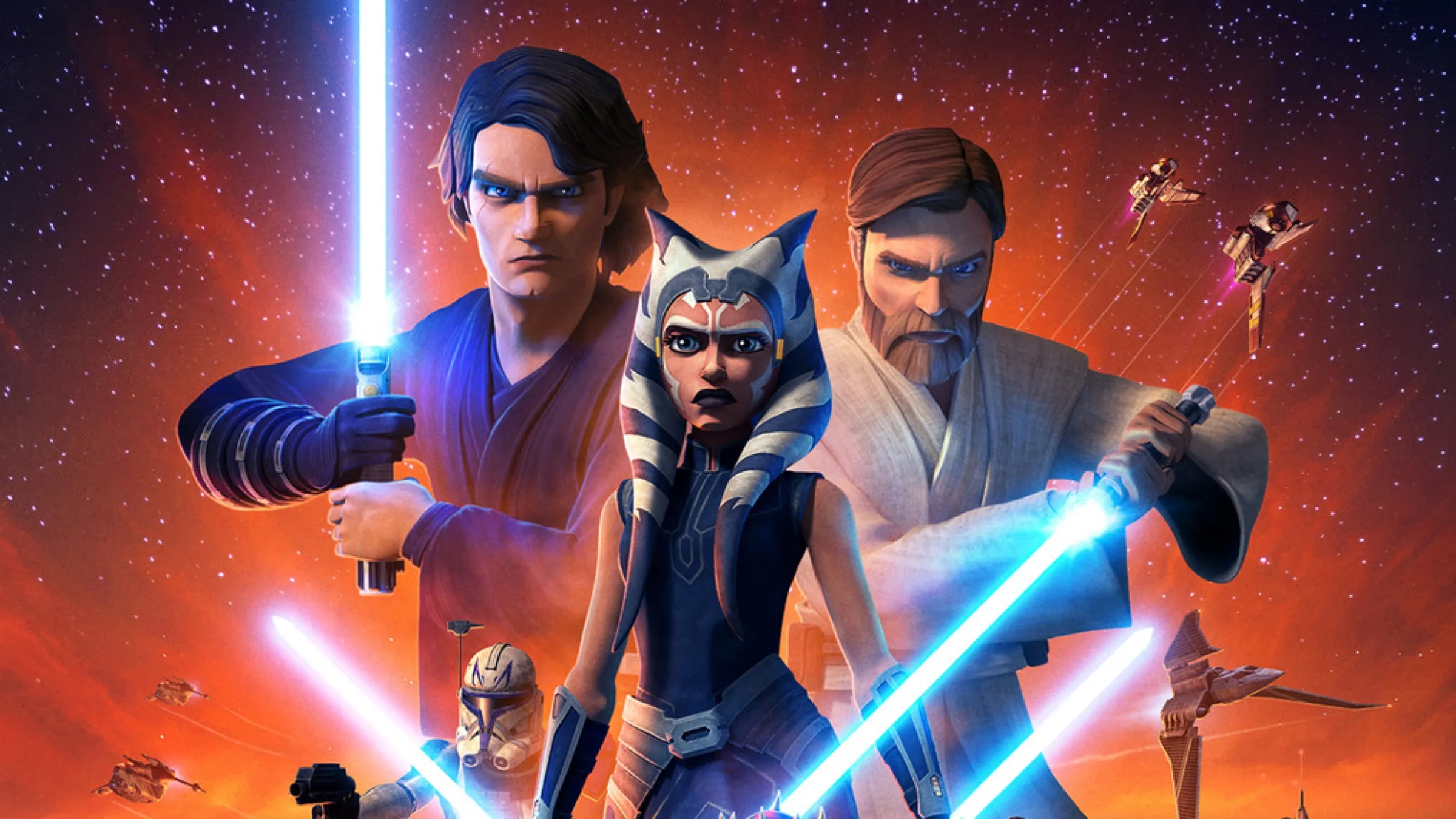
When Star Wars: The Phantom Menace was released, it was possibly the most eagerly awaited movie ever. Fans were thrilled to see George Lucas revisit the Star Wars universe and reveal the origins of Darth Vader, a story hinted at in the original films. The anticipation was so immense that it was nearly impossible for the film – and the entire prequel trilogy – to satisfy everyone. Despite the excitement, many viewers, especially those who had grown up with the original Star Wars, were let down. The initial response to the prequels was mixed, with common complaints focusing on stiff acting, excessive use of computer effects, and a weak storyline.
Over time, the Star Wars prequels have gained a new level of respect from fans. This is partly because the original viewers have grown up and are now able to share their positive experiences with the films. However, Lucasfilm also played a role in this change with the release of Star Wars: The Clone Wars. What started as a movie that received negative reviews – an animated story about Anakin Skywalker rescuing Jabba the Hutt’s son – evolved into a popular series that greatly expanded the Star Wars universe. Ultimately, The Clone Wars helped address many of the criticisms leveled against the prequel trilogy.
1) Showing the Clone Wars in Detail
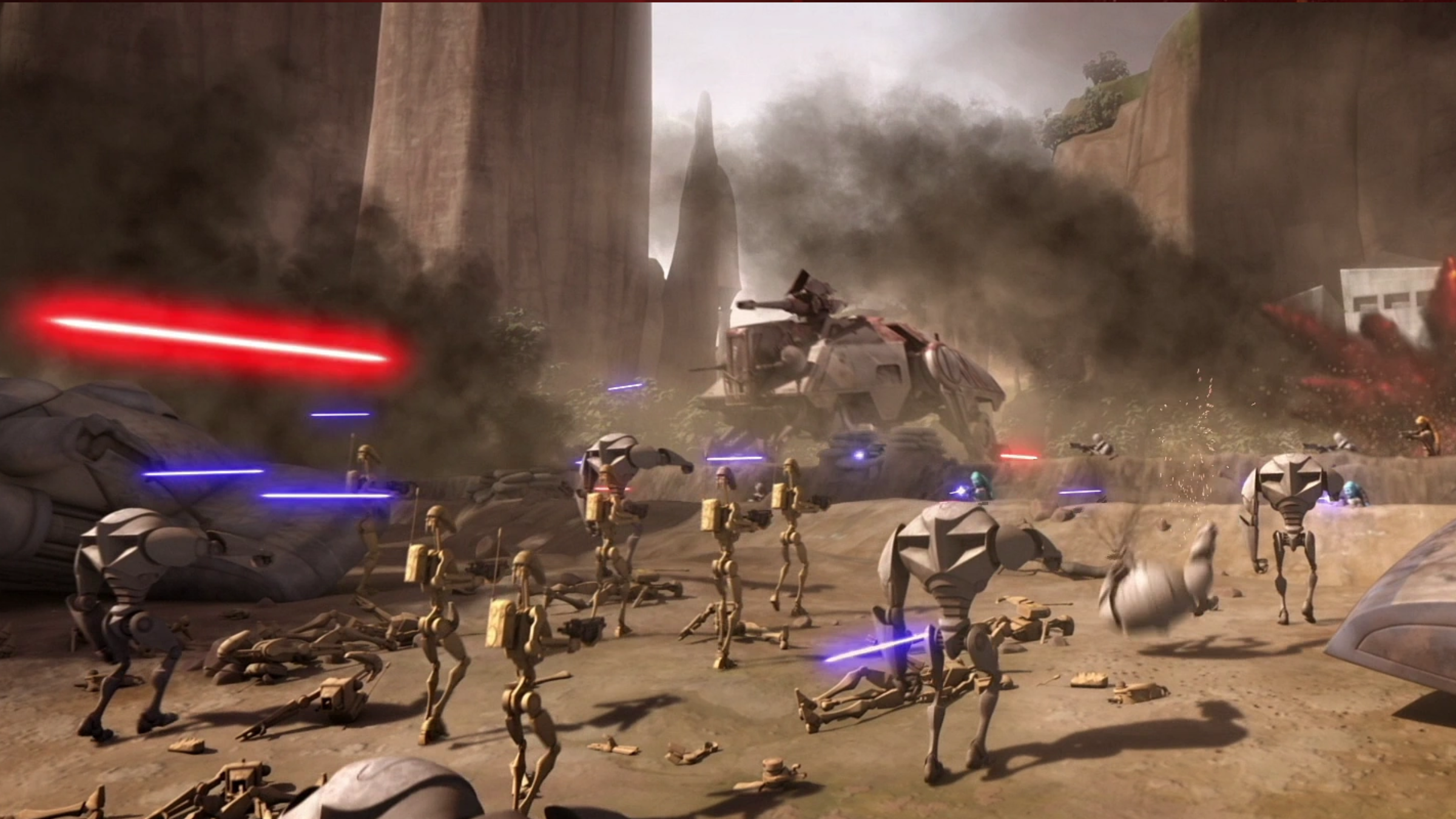
Unlike the original and sequel trilogies, the Star Wars prequels don’t start with a galaxy already at war. The first two films focus on building up to the Clone Wars, showing how Palpatine manipulates events to gain power and the secret creation of a clone army. The Clone Wars don’t actually begin until the very end of Attack of the Clones. By the time Revenge of the Sith arrives, the characters even hope they’re finally nearing the end of the fighting.
If you’ve only watched the Star Wars movies, the story might feel a little confusing. The Clone Wars happen mostly off-screen, which makes it hard to fully connect with what’s going on. In the original films, we saw big battles like Yavin, Hoth, and Endor, so the Rebels’ win in Return of the Jedi felt truly earned. Without seeing those battles, the end of the Clone Wars doesn’t feel very satisfying. However, if you’ve also watched the seven seasons of the TV show, and understand how the war affected the entire galaxy, the characters’ relief at the end makes a lot more sense.
2) The Portrayal of Anakin Skywalker

Anakin Skywalker wasn’t always portrayed positively in the movies, sometimes coming across as spoiled and annoying. However, his character was significantly developed in The Clone Wars TV series. The show presented Anakin as a genuinely good person – a noble and powerful hero dedicated to protecting the galaxy. He was a respected and intelligent leader, and this version of Anakin felt much more like the impressive Jedi Obi-Wan remembered. The series also highlighted the close, playful friendship between Anakin and Obi-Wan, like a classic buddy cop duo, which made their eventual fight in Revenge of the Sith even more heartbreaking.
It’s impossible to discuss The Clone Wars without highlighting Anakin Skywalker’s relationship with his padawan, Ahsoka Tano. This connection was crucial for Anakin’s development, showing a side of him rarely seen – a caring mentor to a bright and eager student. Their friendship created many memorable scenes, and it also played a significant role in Anakin’s eventual turn to the dark side. When Ahsoka was wrongly accused of bombing the Jedi Temple and left the Order, it sparked Anakin’s growing distrust of the Jedi, making his fall from grace even more complex and understandable.
3) Humanizing the Clone Troopers
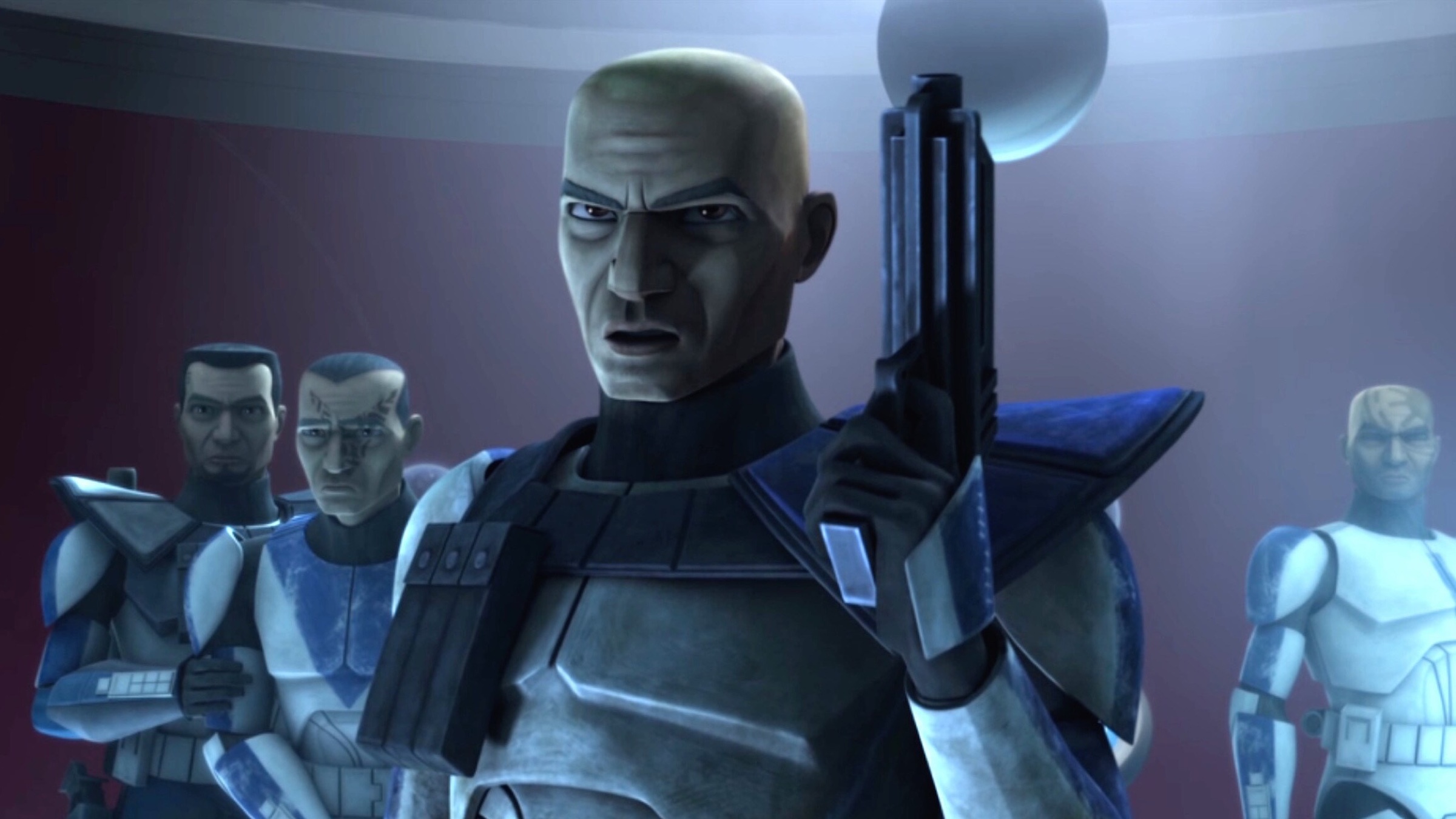
The clone troopers in the films are largely portrayed as expendable soldiers, lacking the individual identities that would make them memorable—much like the later Imperial stormtroopers. Despite being created specifically to fight for the Republic, this lack of character development is a major weakness of the prequel films. The original Star Wars trilogy, in contrast, highlighted lesser-known Rebel heroes like Wedge Antilles, Biggs Darklighter, and Jek Porkins, allowing audiences to connect with them. The prequel films failed to do this with the clone troopers, leaving them as anonymous figures.
One of the biggest achievements of The Clone Wars was how it transformed fans’ understanding of the clone troopers. The show went to great lengths to demonstrate that these soldiers, despite being created in a lab, were individuals with feelings and personalities. The series portrayed the clone troopers much like classic war movies show soldiers – as a close-knit group, a brotherhood with unique members. Dee Bradley Baker deserves immense praise for voicing the troopers in a way that made each one feel distinct, creating beloved characters like Captain Rex, Fives, and Echo. Importantly, The Clone Wars didn’t shy away from showing the emotional toll that war took on the troopers, making them complex and relatable.
4) Bringing Back Darth Maul
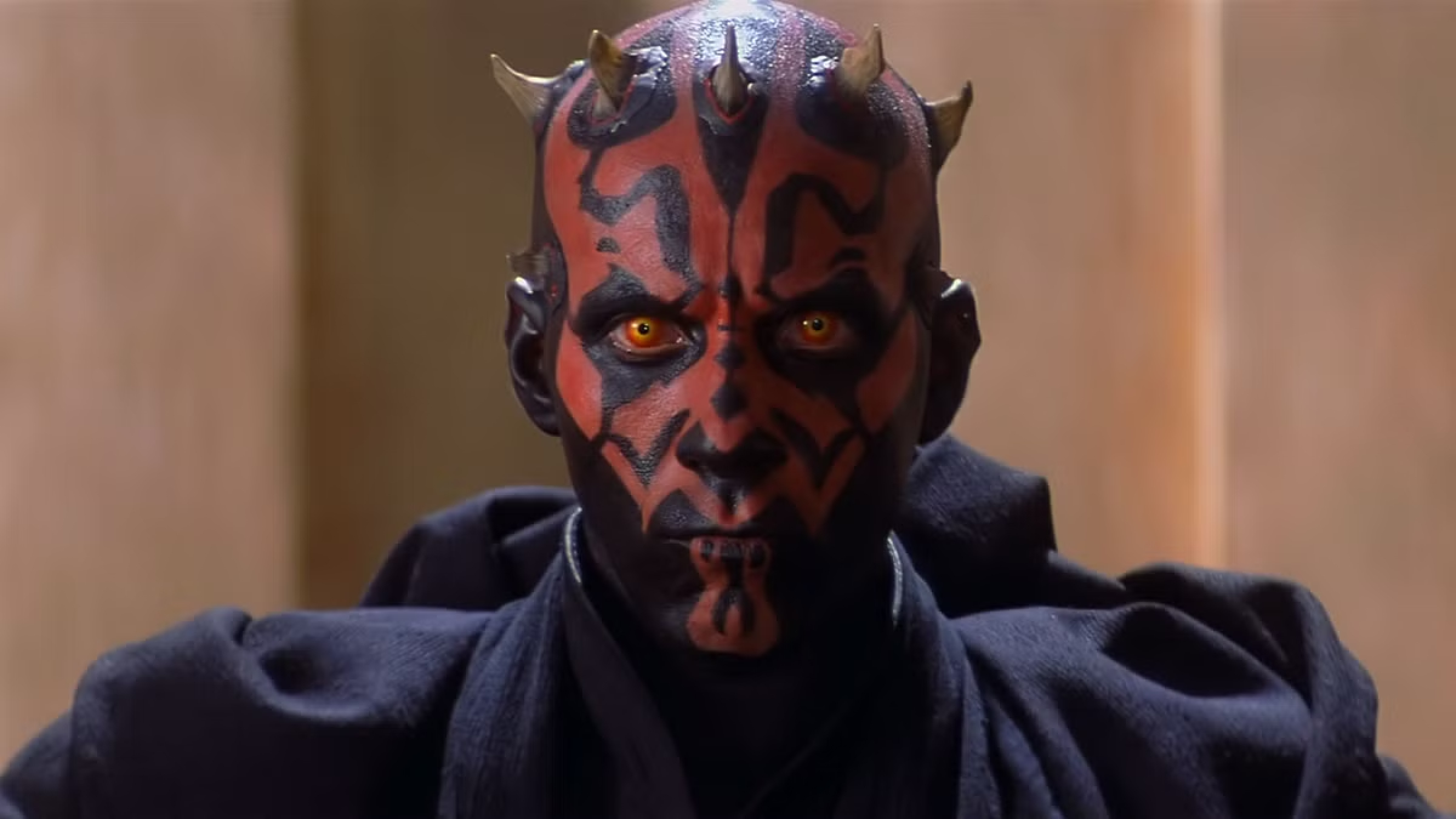
It’s no surprise that Darth Maul was heavily featured in the marketing for The Phantom Menace. His frightening appearance and unique double-bladed lightsaber led many fans to believe he’d become the prequels’ main villain, similar to Darth Vader, and potentially throughout the entire trilogy (before Anakin Skywalker’s rise). However, that didn’t happen. Maul seemingly died at the end of The Phantom Menace, which was a letdown even for viewers who liked the movie, as it felt like a promising character was underused.
George Lucas later recognized he’d underestimated Darth Maul, bringing the character back in Season 4 of The Clone Wars. It was revealed Maul had survived his duel with Obi-Wan, but was now consumed by rage. This marked a turning point, transforming Maul into one of the most compelling figures in the Star Wars universe. He went on to seize control of Mandalore and become a major force in the galaxy’s criminal networks. The Clone Wars series allowed Maul to fully develop as a character, providing the show with a captivating and merciless villain.
5) Fleshing Out General Grievous
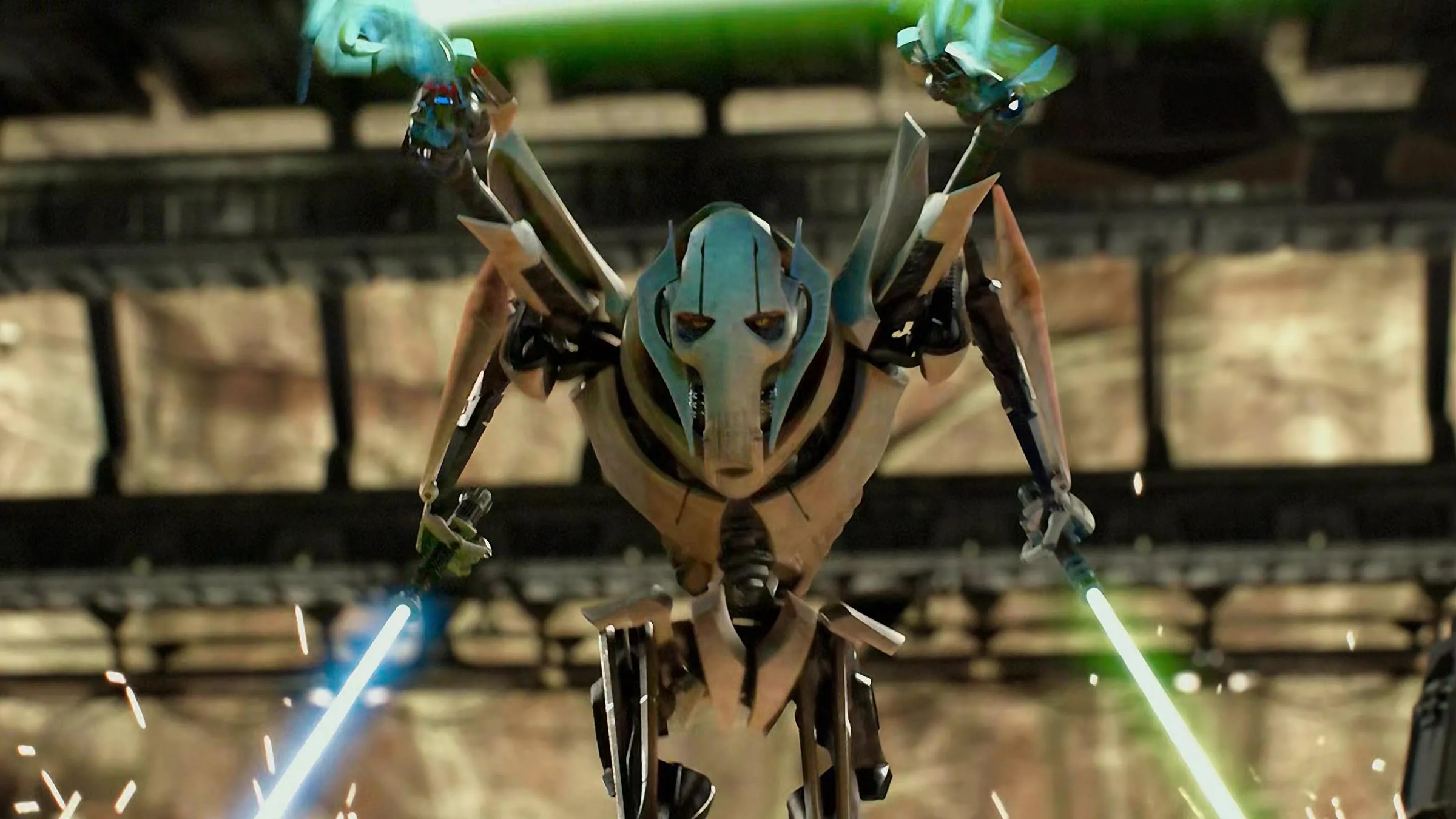
General Grievous is another villain whose story was greatly improved by the Clone Wars series. In Revenge of the Sith, he feels like a minor obstacle for Anakin and Obi-Wan, a “villain of the week” rather than a significant threat. If you’ve only seen the films, it’s hard to feel connected to the story because Grievous doesn’t have much established background. Since he’s only introduced in Revenge of the Sith, it’s difficult to fully care about the Jedi wanting to defeat him, and his death on Utapau doesn’t feel as satisfying as it should.
Luckily, The Clone Wars series does a great job of developing General Grievous as a major and persistent threat to the Republic. He’s portrayed as both clever and ruthless, making him a genuinely frightening villain who could defeat even Jedi Masters. The show explains why eliminating him was such a high priority for the Republic, beyond just his connection to the Separatists. For viewers of the series, the moment Obi-Wan Kenobi defeats Grievous by setting him on fire with a blaster is particularly rewarding.
6) Deepening The Anakin/Obi-Wan Dynamic
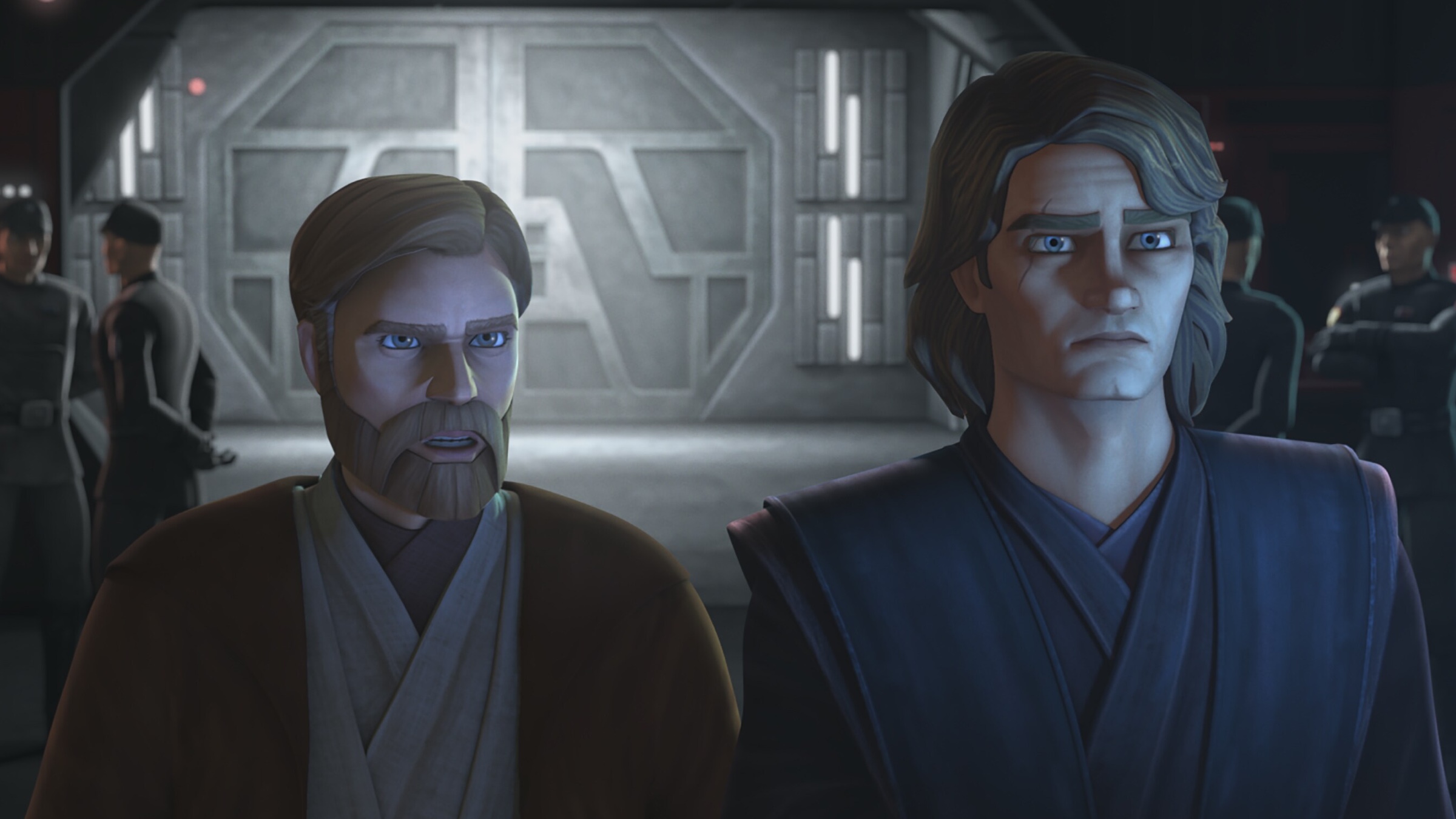
Beyond showing their teamwork in battle, The Clone Wars really developed the complex relationship between Anakin and Obi-Wan. The show particularly emphasized their differing views on love and relationships. Through the storyline with Sabine, we see that Obi-Wan once had to make a similar choice to Anakin, but he decided he couldn’t live a double life. Obi-Wan willingly gave up a potential romance with Sabine to stay dedicated to the Jedi Order, showing his commitment to doing what was right. He consistently chose the path of good, while Anakin’s secret life and the resulting pressure ultimately led him to the dark side.
The show The Clone Wars cleverly addresses how Obi-Wan knows about Anakin and Padmé’s relationship. In one funny scene during the final season, Captain Rex tries to stop Obi-Wan from overhearing Anakin’s private hologram call with Padmé. Although they try to hide it, Obi-Wan quickly figures out what’s going on, playfully telling Anakin, “I hope you at least told Padmé I said hello,” which shows he was aware of the romance. This moment adds depth to Obi-Wan’s character, highlighting his perceptiveness. He respected Anakin’s privacy because he was a loyal friend.
7) Exploring the Chosen One Prophecy

In The Phantom Menace, Anakin Skywalker is thought to be “the Chosen One,” a figure from Jedi prophecy destined to bring balance to the Force. However, the prequel films focused more on the Empire’s rise and Palpatine’s power grab, leaving little room to explore the prophecy or the deeper mythology of the Force. George Lucas later expanded on the Force through The Clone Wars television series, particularly in the story arc known as Mortis. This storyline follows Anakin, Ahsoka, and Obi-Wan as they investigate a mysterious signal and encounter the Mortis gods – three beings embodying different sides of the Force.
In the Mortis storyline, the Daughter embodies the light, the Son represents the dark, and the Father maintains the equilibrium between them. This arc is especially relevant to Anakin Skywalker, as the Father intended for him to succeed him and preserve this balance. Though debated since its release, the Mortis arc remains a compelling look at the mythical aspects of Star Wars, aiming to provide a richer understanding of the Force and the role of the Chosen One.
What do you think? Leave a comment below and join the conversation now in the ComicBook Forum!
Read More
- Epic Games Store Giving Away $45 Worth of PC Games for Free
- America’s Next Top Model Drama Allegations on Dirty Rotten Scandals
- PlayStation Plus Game Catalog and Classics Catalog lineup for July 2025 announced
- 4 TV Shows To Watch While You Wait for Wednesday Season 3
- Best Thanos Comics (September 2025)
- 40 Inspiring Optimus Prime Quotes
- 10 Great Netflix Dramas That Nobody Talks About
- 7 Best Animated Horror TV Shows
- 10 Best Buffy the Vampire Slayer Characters Ranked
- 32 Kids Movies From The ’90s I Still Like Despite Being Kind Of Terrible
2026-03-18 00:42