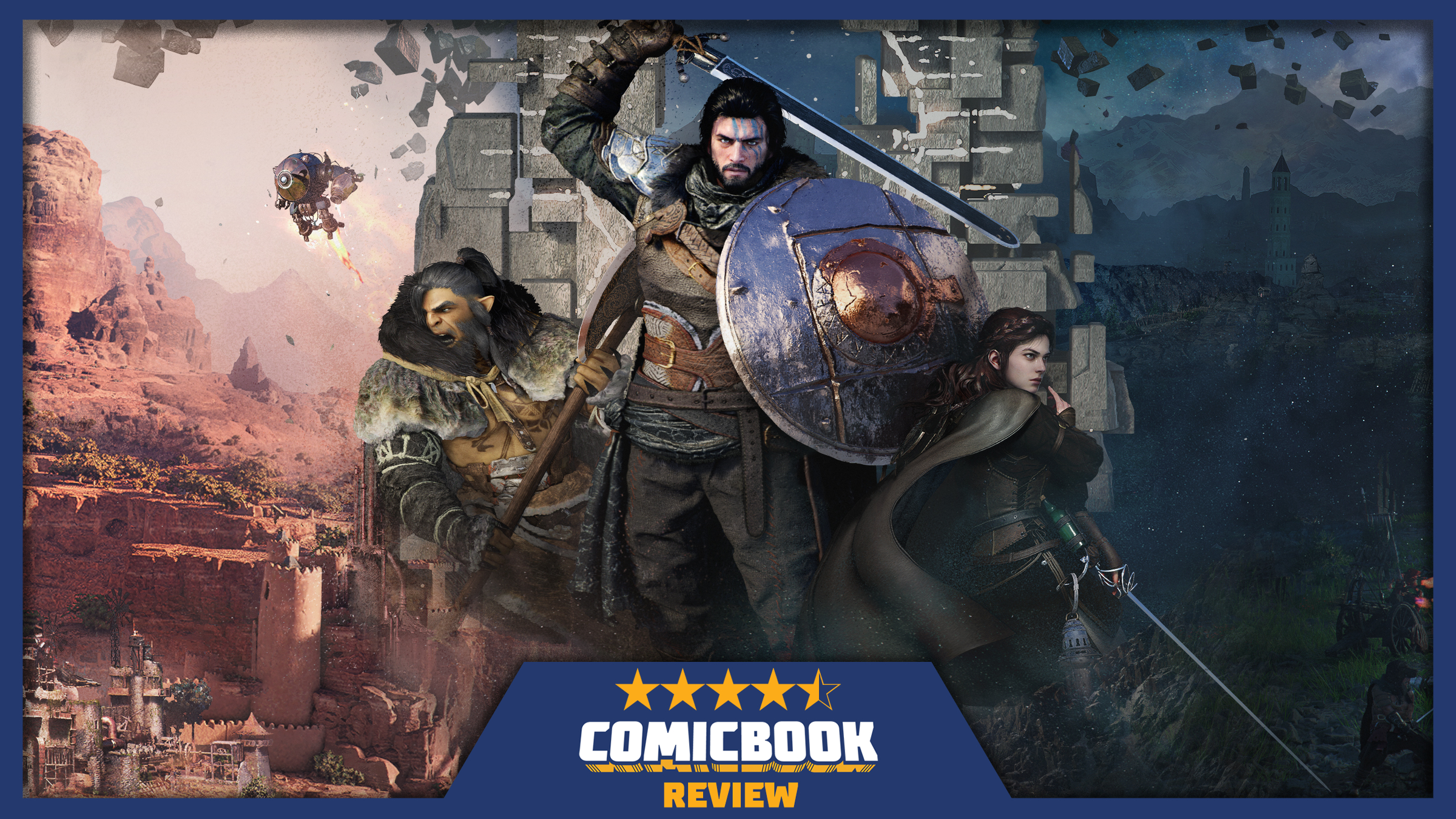
Reviewing Crimson Desert is incredibly challenging because it’s packed with so many different elements. It almost feels overwhelming, but that’s understandable considering the developer, Pearl Abyss, is known for making Black Desert Online, a famously complex MMORPG. You can definitely feel the influence of MMOs in Crimson Desert, similar to Kingdoms of Amalur. However, unlike Kingdoms, Crimson Desert benefits greatly from adapting those MMO systems into a single-player game, successfully maintaining a sense of intricate, interconnected gameplay.
Crimson Desert is a massive and incredibly ambitious fantasy game. Even after playing for over 200 hours, I still haven’t seen everything it has to offer – and it’s clear I couldn’t possibly complete it all in one playthrough. The game is packed with complex systems, countless quests, and a huge world to discover. I’m still finding new gameplay features, hidden secrets, and realizing there’s even more depth to things I thought I already understood. It’s truly enormous, but that level of ambition often comes with trade-offs.
Rating: 4.5/5
| Pros | Cons |
|---|---|
| Utterly massive, meticulously crafted world that deeply rewards exploration | Clunky controls and UI, along with inventory management that is very often frustrating |
| Visceral combat pairs with challenging, creative puzzles, all supported by a wealth of rewarding side activities. | Input inconsistencies and occasional finicky interactions in combat and the environment |
| Impressive performance complements a world packed with breathtaking, scenic vistas | The difficulty and learning curve might be overwhelming for players looking for a more laid-back experience |
| Multi-layered, emotionally engaging narrative on all fronts | Camera is geninuely painful to deal with |
| Camp progression and resource management that tie strategy, gameplay, and story together |
Combat in Crimson Desert Rewards Mastery but Punishes Ignorance
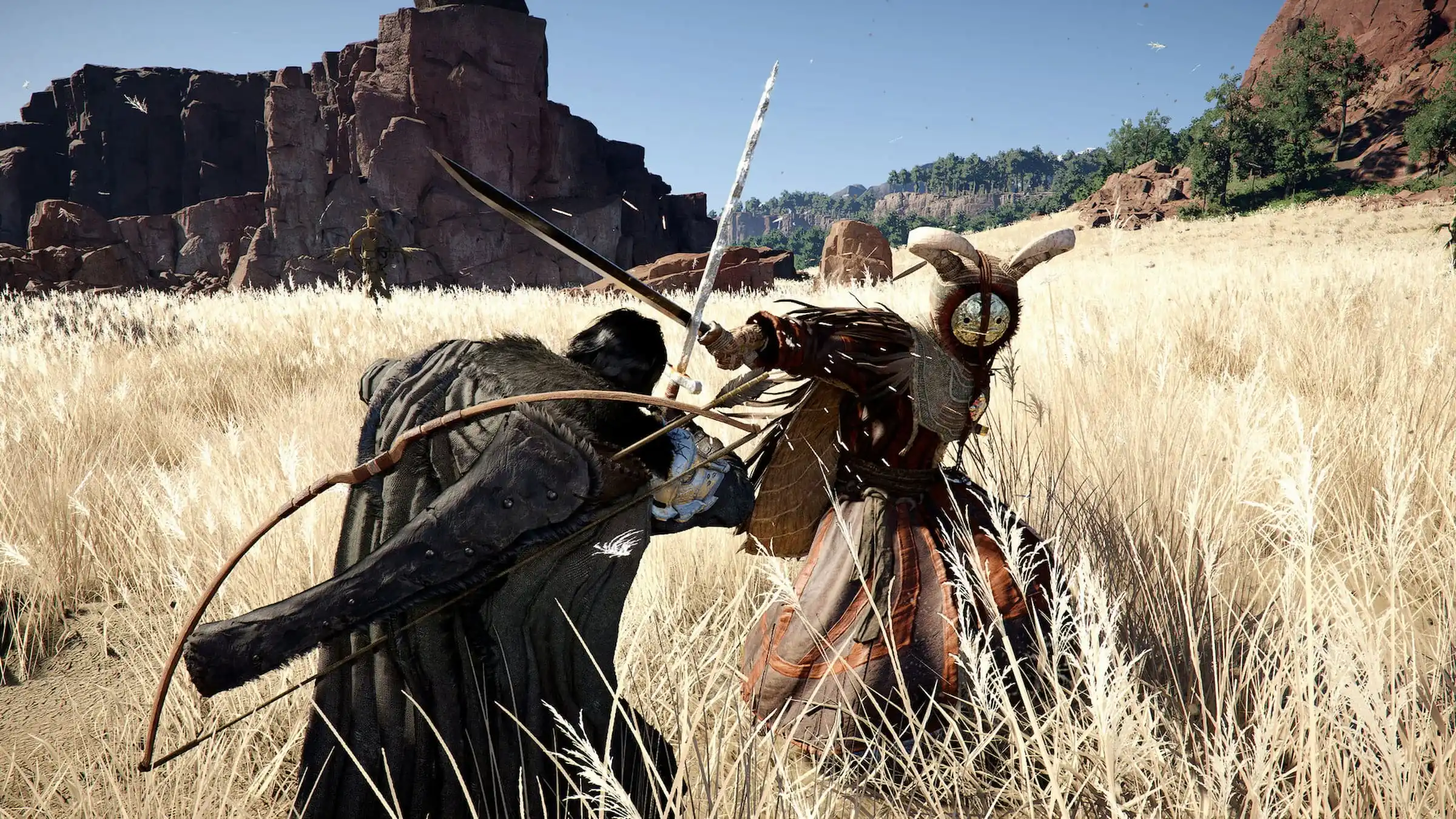
The combat in Crimson Desert is a system you constantly have to adapt to as the game evolves. At first, it feels comfortable and similar to other action games – this is intentional, helping you learn the basics. But as you progress, the game challenges you, showing that simply pressing buttons won’t be enough. What starts as intuitive quickly becomes more complex, requiring careful timing and a strong understanding of the game’s rules.
Okay, so as fights get harder, the game really makes you learn its rules. It’s not about just button-mashing through things. Those brief moments where you’re safe after getting hit? They’re super precise – you actually have to time your actions around them. And enemies aren’t just gonna let you constantly interrupt their attacks; you have to think about when to strike. Plus, enemy groups aren’t just thrown at you randomly. They’re placed in ways that force you to move and think about your positioning, making every fight feel more like a puzzle. It’s awesome because it keeps things interesting – you’re always having to adjust and learn, instead of falling into the same old patterns.
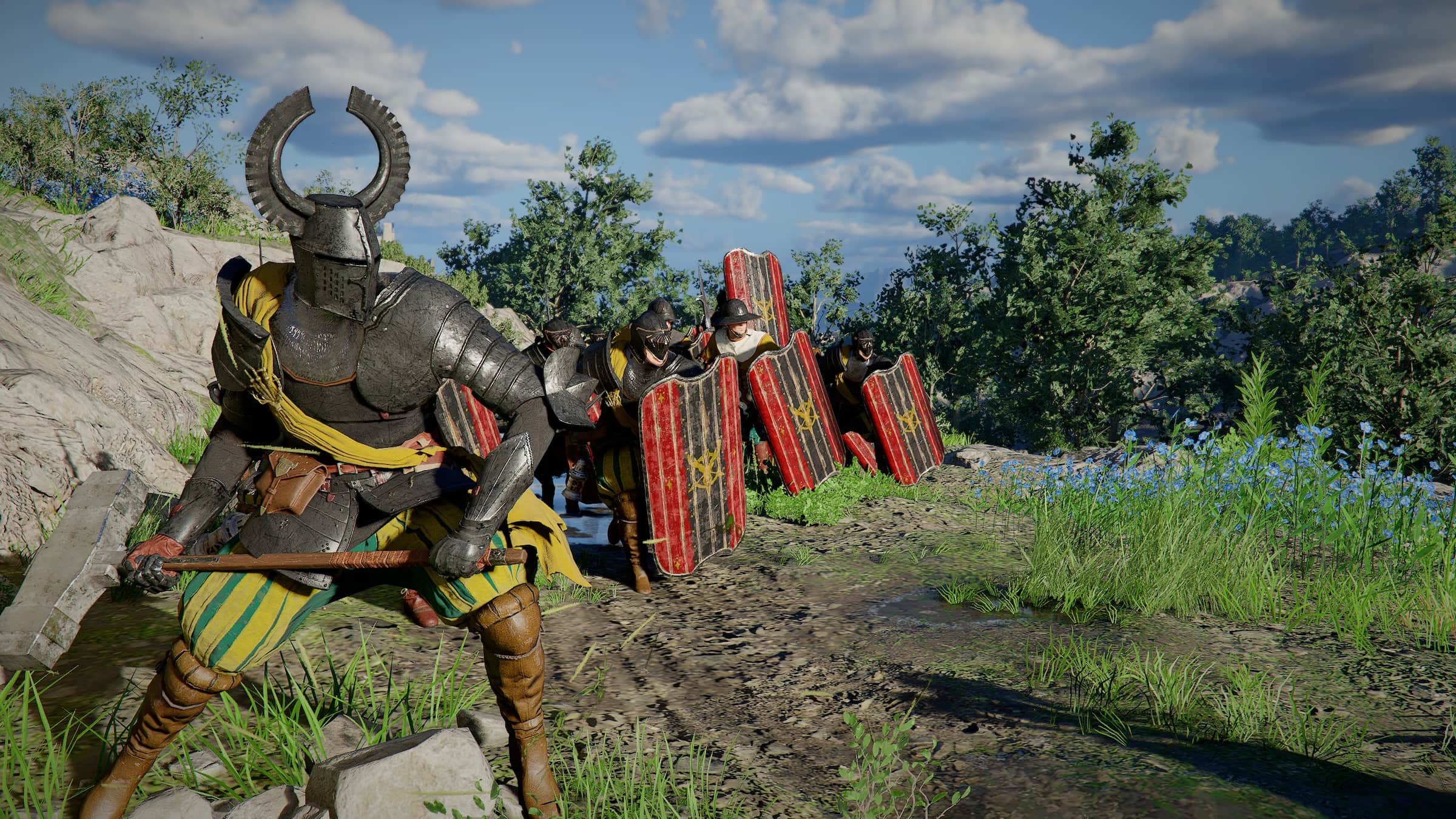
What makes this system truly special is how it grows with you as you learn. After playing for a while, you’ll notice a clear change – initial confusion turns into understanding, and then into skillful, deliberate action. I started to recognize patterns not just in how enemies act, but in the game’s underlying mechanics, figuring out how to use specific skills and positioning to control battles. Combat stops being about simply reacting and surviving, and becomes about understanding and directing how each encounter unfolds.
Beyond the technical details, fighting in Crimson Desert is simply thrilling. Every hit feels incredibly powerful, like a massive impact. Even after many hours of play, things like clotheslining enemies and smashing them into the ground remain incredibly satisfying. The visuals and sound design combine to make each fight feel epic and memorable, turning every encounter into something special.
Crimson Desert Delivers a Shockingly Relentless Challenge
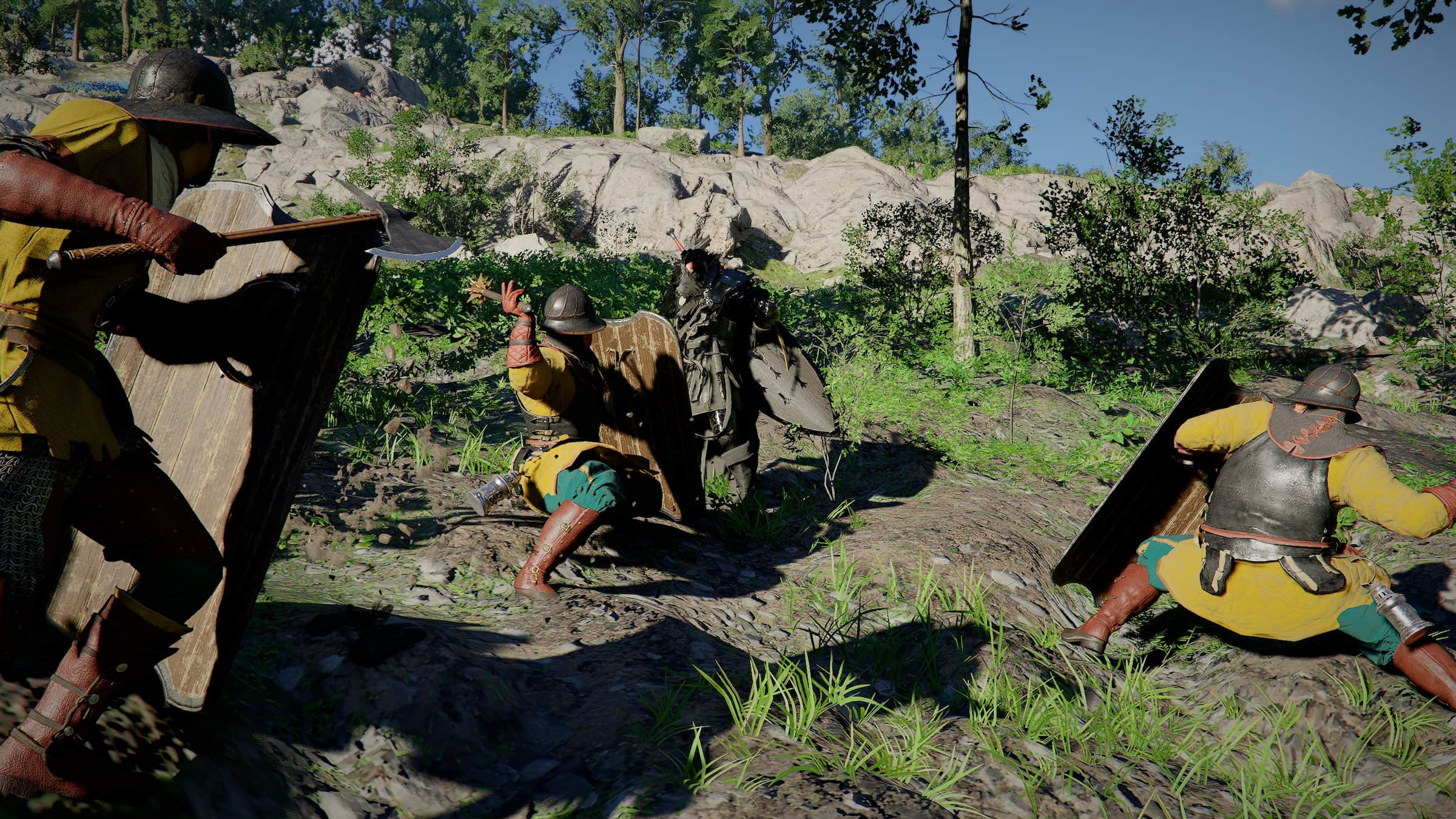
The difficulty in Crimson Desert is a core part of the game and deserves special attention. While marketing suggested an easier experience, the game is actually quite challenging from the start, and there’s no way to change that. This isn’t a simple feature; it’s a deliberate design choice that affects everything you do. Crimson Desert makes it clear that you need to work for your progress, focusing on keeping you actively involved rather than making things easy. This can be surprising, especially compared to many modern open-world games that aim to be as user-friendly as possible.
Unlike many games, this one doesn’t hold your hand. It avoids giving clear instructions not just in battles, but also while you’re exploring, completing quests, and generally progressing. You’ll often find objectives are simply marked on a map without much explanation, meaning you need to figure things out for yourself through observation and deduction. This design isn’t about following directions; it’s about truly understanding the game’s systems to succeed, which creates a more engaging experience.
For me, the boss fights in this game really nail what makes it special. They’re not just roadblocks, but real tests of everything I’ve learned so far. Honestly, some of them are brutal, but that’s the point! They show me exactly where I’m messing up and force me to think on my feet and try new strategies. Dying isn’t frustrating, though – it’s actually part of how you get better. It’s a cycle of learning from each attempt, kind of like playing a FromSoftware game where every death brings you closer to finally beating the boss.
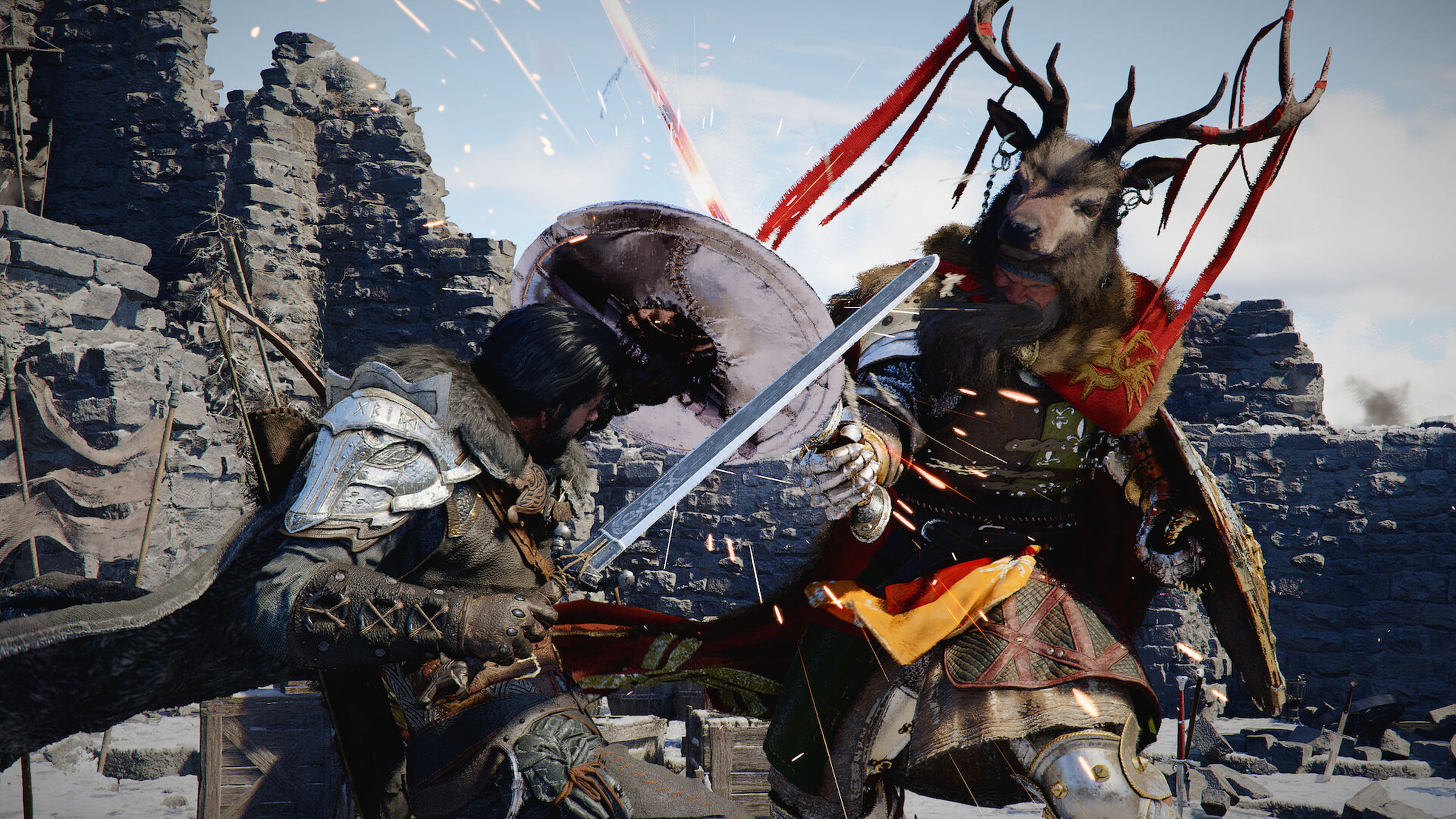
I’ve noticed they added healing items you can use during battles, which is cool because it gives you some breathing room and lets you prepare for tough fights. But it’s not a simple fix – they’ve balanced it well so it doesn’t break the game. You can just chug potions to get through things, but honestly, if you’re doing that a lot, it quickly shows you where you’re not really understanding the mechanics. Plus, constantly making and stocking up on all those consumables takes a ton of time and effort. I realized I could be using that time to actually get better at the game, instead of just trying to avoid learning. It really encourages you to engage with everything and learn the systems, because ultimately, skill is what matters, not just finding a way around the challenges.
Looking back, I see that many challenges were built on skills and experiences from earlier in the game. If I’d relied heavily on healing items to push through, I would have struggled much more later on. I think this is a great way to balance the gameplay, although some players might find it quite difficult. Crimson Desert is a challenging game, especially considering it’s an open-world action RPG, but I appreciate the level of difficulty.
Camp Management Becomes the Heart of Your Adventure
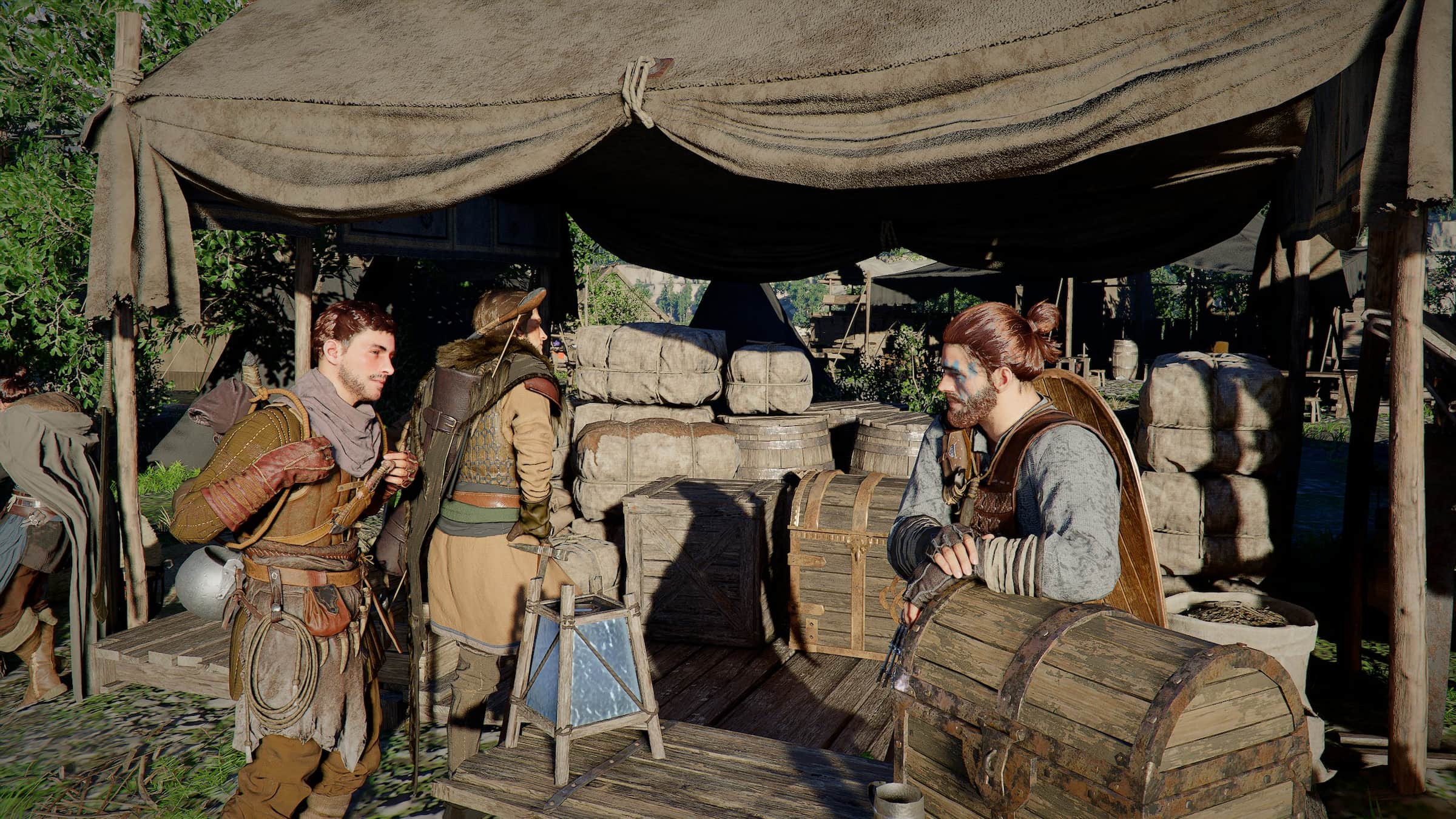
In Crimson Desert, the camp system is where my adventures really started to feel rewarding. At first, it seemed like just a useful place to manage my gear and send out simple tasks. But as I used it more, I realized the camp was central to the whole experience. Improving my camp, adding new characters, and sending them on missions became just as fun as fighting. Every choice I made felt important, and I quickly became invested in seeing the results.
I especially enjoyed managing missions. It wasn’t enough to just look at who was available; I had to carefully consider each Greymane’s skills and what resources we had to make sure the mission would succeed without wasting anything. Even seemingly easy tasks, like gathering fruit, could become costly if the wrong person was sent. Larger operations, like raiding enemy bases, required even more detailed planning and the right team. These moments felt truly strategic, and it was rewarding to see the camp thrive because of my choices – it gave me a rare sense of investment in the game world.
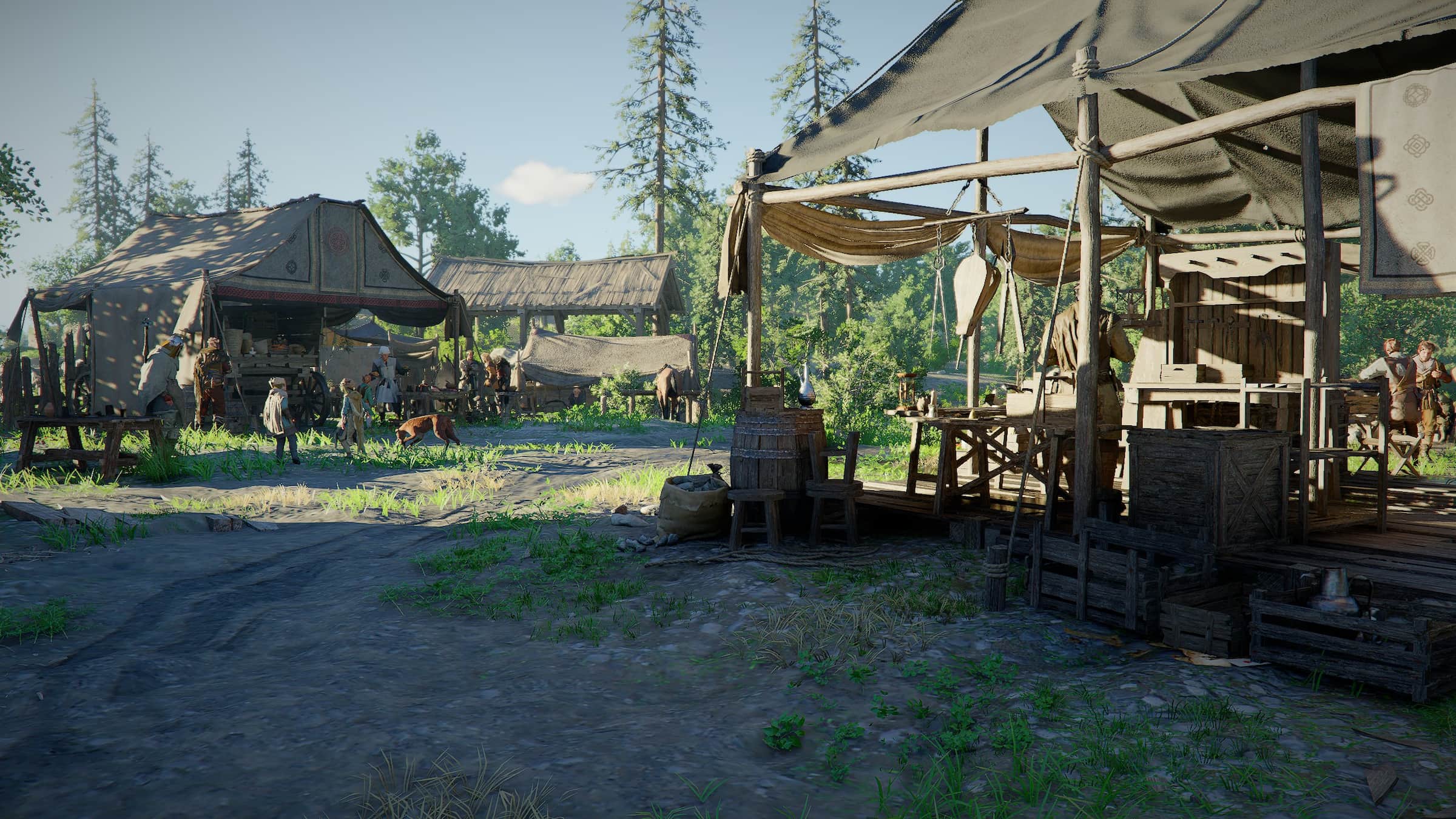
Finding people to join my camp turned out to be really satisfying. I looked for individuals who could bring new skills, like crafting or planning more challenging missions. Each new member made the camp more versatile and gave me more ways to approach challenges. As my group grew, I started thinking ahead, not just about what I needed right then, but also about what would be useful later on, which added a whole new level of strategy to the experience.
I was really struck by how well everything connected in this game. The camp isn’t just a feature – it’s the central hub that brings exploration, fighting, and gathering resources together. Seeing it develop and improve made me feel truly invested in the game world, which is rare. By the later stages, I really wanted to keep building and improving my camp, and it made everything else I did feel more meaningful. Plus, it was incredibly helpful too.
The camp helps players grasp the game’s depth by encouraging them to think ahead and actively participate. It’s a place where careful planning and inventive solutions are valued, acting as both a fun space to experiment with strategy and a core element that grounds the game’s mechanics.
Exploration Delivers One of the Most Immersive Fantasy Worlds Ever Built
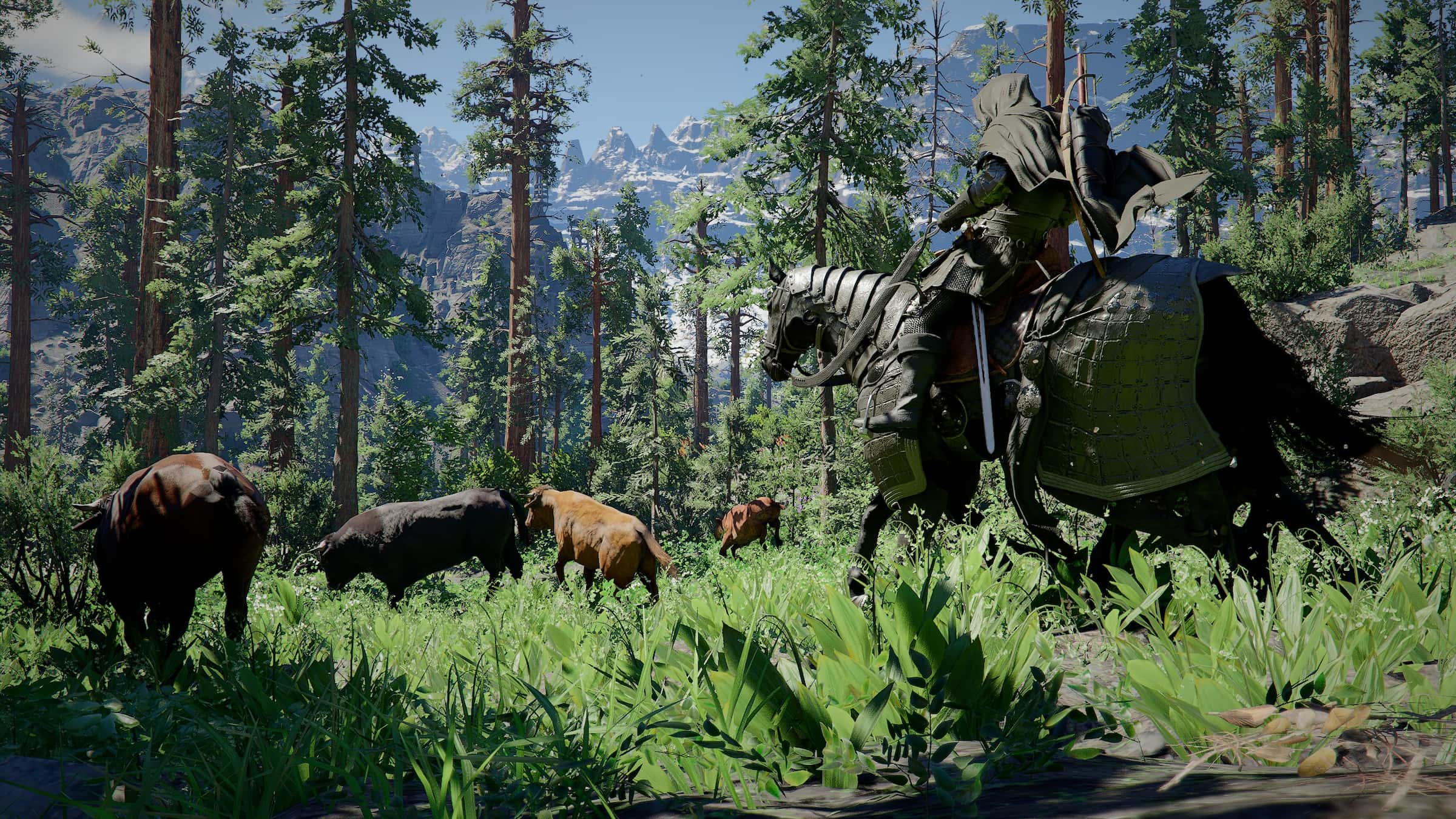
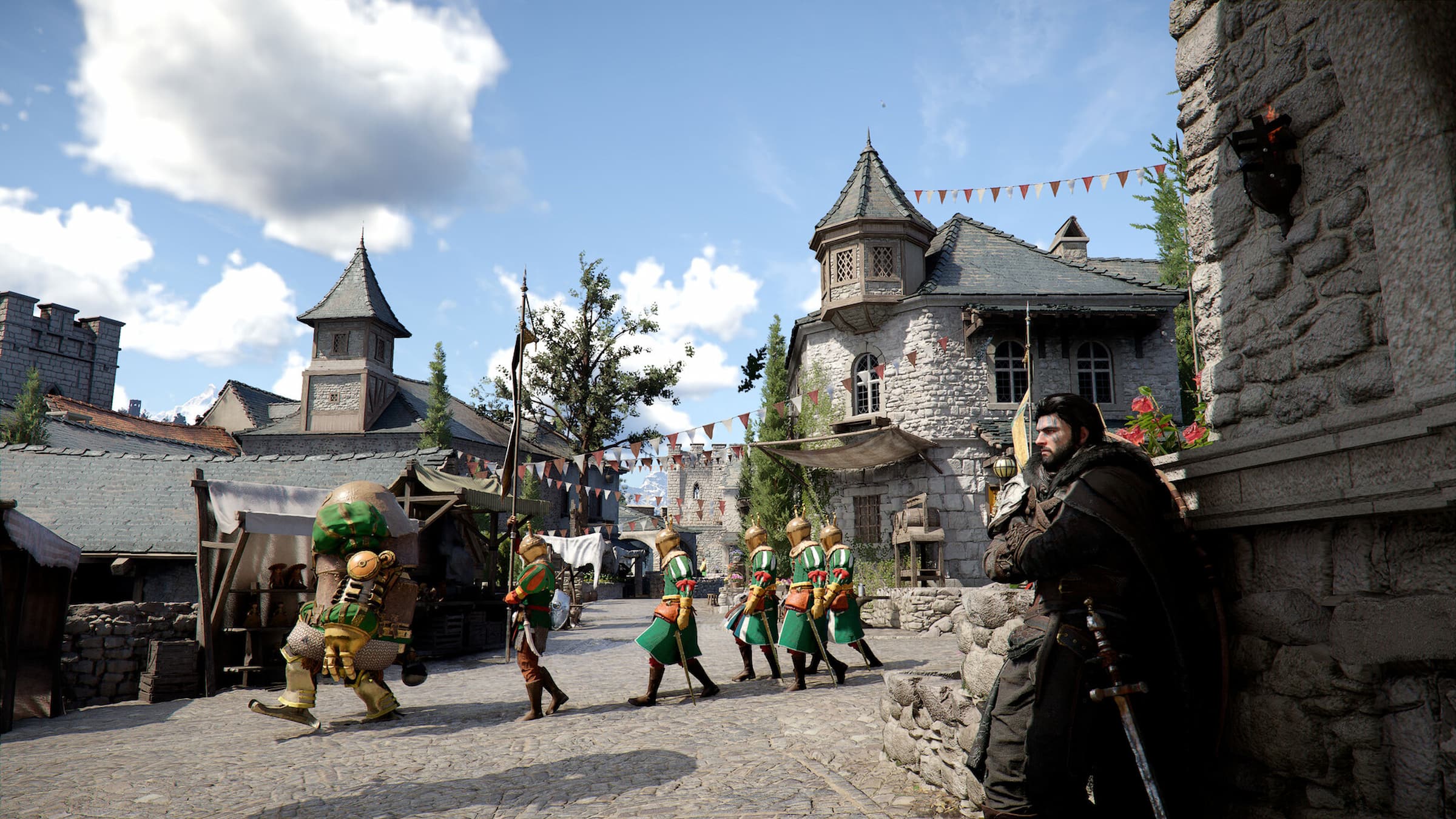
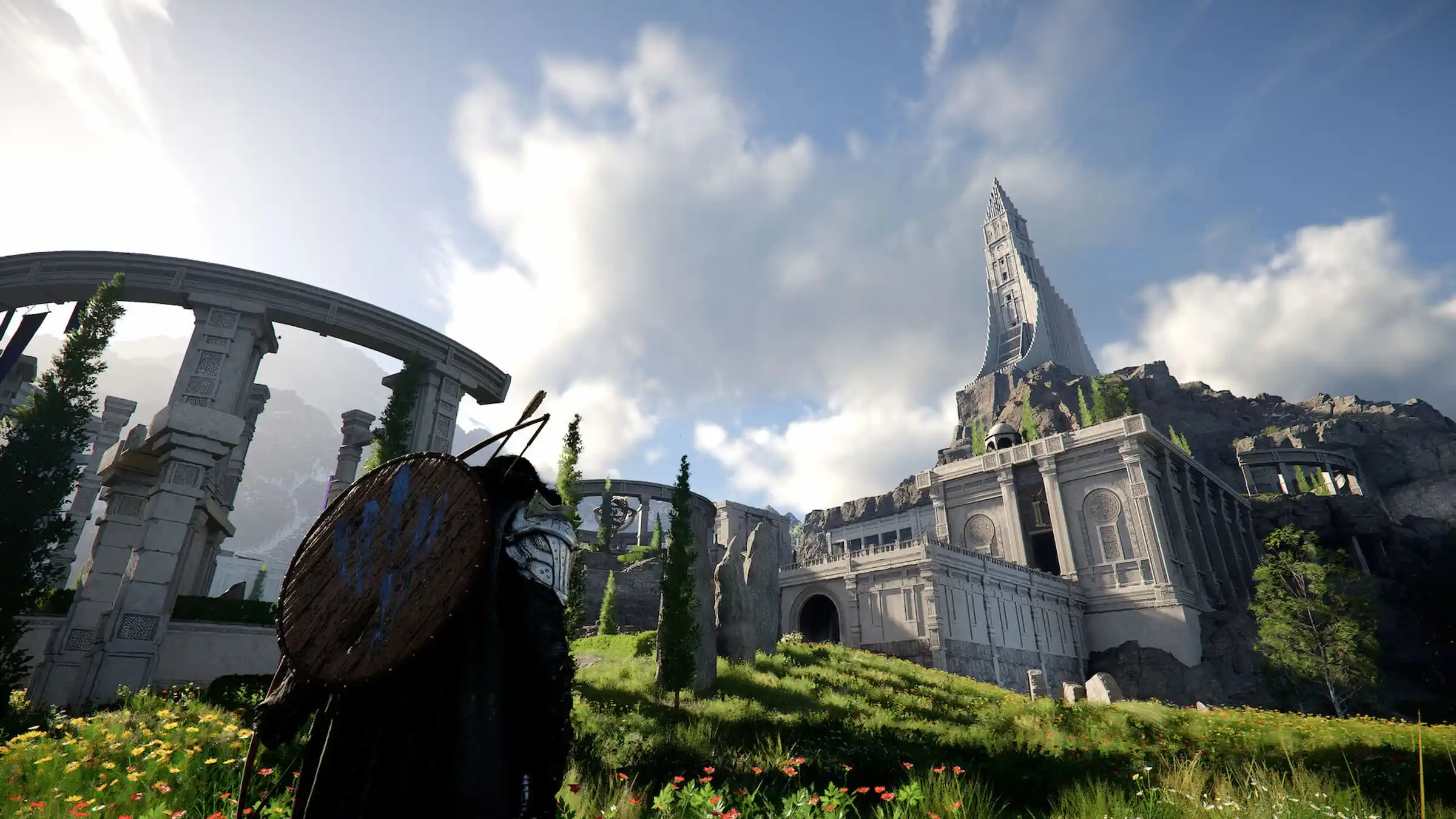
Exploring the world of Crimson Desert feels like stepping into a vibrant, unfolding story. Every corner of the landscape – from winding rivers to ancient ruins – hints at hidden secrets. I lost myself for hours simply wandering, but it never felt aimless. The beautiful lighting, mysterious fog, and imposing fortresses all drew me in, feeling like genuine places to explore, not just background scenery. Even small details, like the shape of a bridge or the sound of a blacksmith, made the world feel alive, and I felt connected to it just by being there. Discovering new things feels natural and rewarding, making exploration a truly immersive experience.
The game didn’t just tell me where to go; it encouraged me to explore and interact with everything around me. I solved clever puzzles using the environment, searched for hidden resources in caves, and tracked animals with realistic behaviors. Every time I went off the beaten path, I discovered more about the world – a wrecked cart revealed a local story, a damaged statue hinted at past battles, and even talking to travelers offered valuable rewards and deeper insights. It was incredibly rewarding to uncover these secrets, and I realized that taking my time and paying attention were more important than rushing through or fighting everything in my path.
Even simply traveling through the world felt special and engaging. I enjoyed climbing towers to get a view of the landscape, watching how villages and castles changed with the weather. Following rivers led me to secret places, and sometimes just climbing a rocky cliff revealed a stunning view that made me pause and appreciate the beauty around me. The world felt carefully designed, with its buildings, nature, light, and weather all reacting to my exploration and rewarding me with discoveries and a sense of wonder.
Crimson Desert creates a believable world through careful attention to detail. While the game reuses some assets, each location – from villages to ancient ruins – feels unique and full of character. I was impressed by how the arrangement of objects and spaces within buildings could convey stories without any spoken words. Even simple scenes, like children playing, made the world feel alive and populated. I continued to discover new and interesting areas even after playing for hundreds of hours, which shows that every part of the game world feels purposeful and well-crafted.
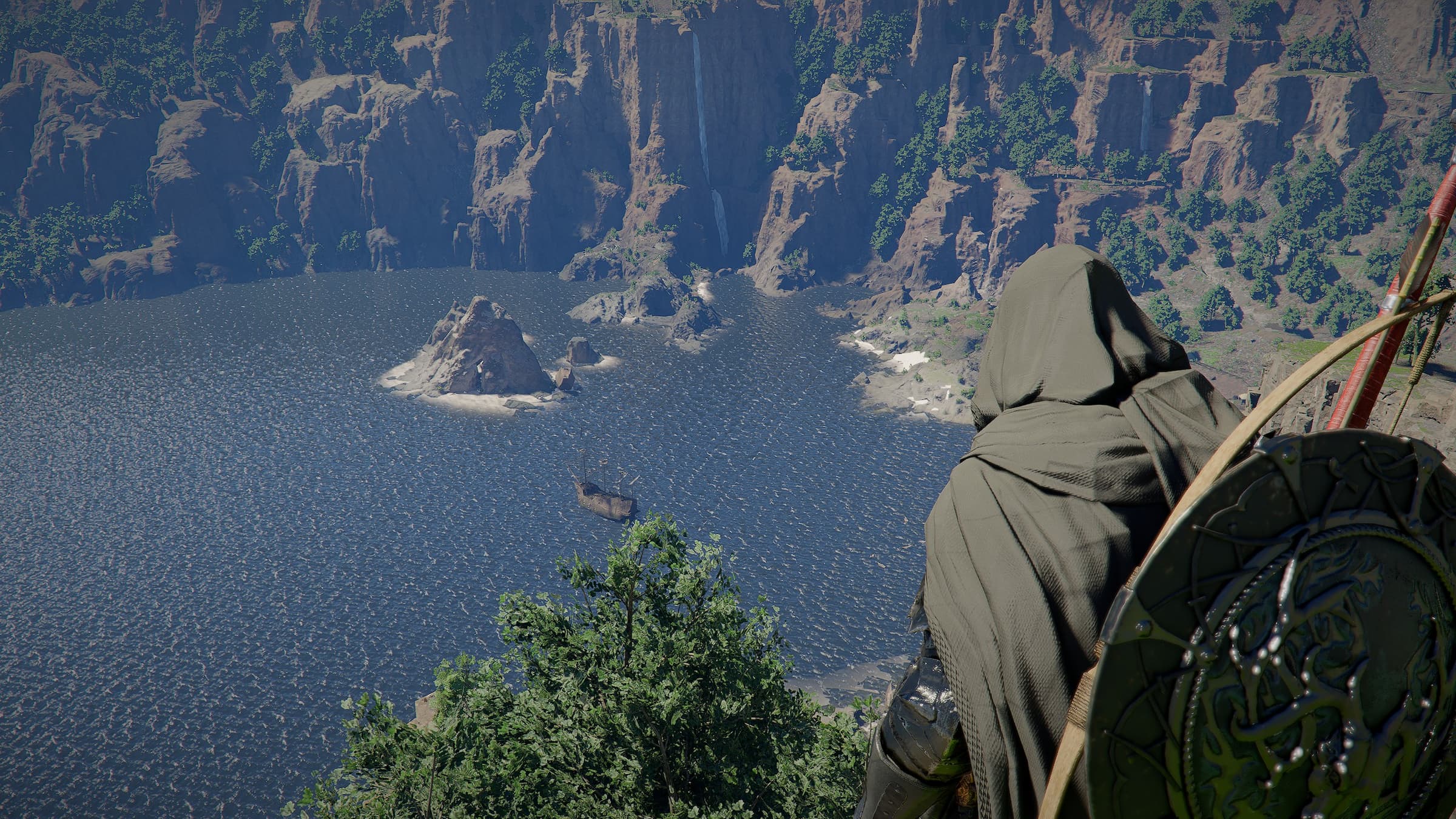
Exploring the world of Crimson Desert is a beautiful experience for all the senses, with a story that unfolds naturally as you play. I didn’t just feel like a player; I felt like someone discovering a vast and intriguing world, constantly rewarded for simply being curious. The world itself feels like an epic journey, and it’s through exploring it that the real adventure happens. Every time I ventured outside my camp, I created lasting memories.
Strong RPG Systems Offer Solid Build Depth
Let’s address the elephant in the room with Crimson Desert: despite the developers saying it’s not a role-playing game (RPG), it clearly plays like one. The game’s systems, how you improve your character, and its overall structure are all hallmarks of the RPG genre. Essentially, Crimson Desert is an action RPG very similar to Monster Hunter. While it doesn’t use traditional levels or experience points, it has plenty of other features that confirm this.
Take Abyss Cores, for example. These are rewards you earn from playing the game and can be equipped to your weapons and armor. They let you customize your combat style with incredible precision, almost like mixing potions. I tried different cores that increased my critical hit chance and attack power, but there were also more unusual options. I even bought one from a questionable vendor that made my sword attacks spray blood, turning every hit into a dramatic display. Choosing the right cores changed how I fought and planned my character’s build, meaning you really need to be creative and strategic to master the game.
The core of Buildcraft in Crimson Desert is its complex system, allowing for highly customized character builds. You can focus on quickly stunning enemies with shadow ravens, combine powerful attacks with health recovery, or target multiple weaknesses at once. This means building your character takes careful planning. By the middle of the game, I’d created a build specifically designed to take down tough elite enemies as fast as possible. You might wonder why focus on elites when you can attack with blood clots? It’s because elites are incredibly strong, and eliminating them quickly during a large battle is surprisingly impactful.
This RPG really lets you define your character. Every time I improved a stat or learned a new skill, it noticeably changed how I fought and interacted with the world. The game rewards trying different things, and your decisions have a real impact on everything from battles and resource gathering to how the environment responds to you.
The way you learn about the world in Crimson Desert is a key part of the game. Instead of just reading about things, you gain ‘Knowledge’ by actually paying attention and interacting with the environment. This system encourages you to be curious, and it gives you real advantages – especially when crafting, but also in combat and exploration. For instance, I learned a recipe for food that provided strong protection against ice, which helped me overcome a difficult challenge. This isn’t just about collecting information; it actively makes exploring the world more interesting and rewarding.
Narrative Craftsmanship Anchors the Entire Experience
The story in Crimson Desert is brilliantly told through three connected layers: the overarching plot, the detailed history of the Greymane family, and the smaller, personal stories of the people in Pywell. The main story unfolds at a thoughtful pace, allowing you to fully understand the world and characters without feeling overwhelmed. The game quickly establishes conflicts and personal connections, making everything that happens later feel meaningful. While it uses familiar fantasy elements, it presents them in a fresh and engaging way, even if the beginning is a little slow.
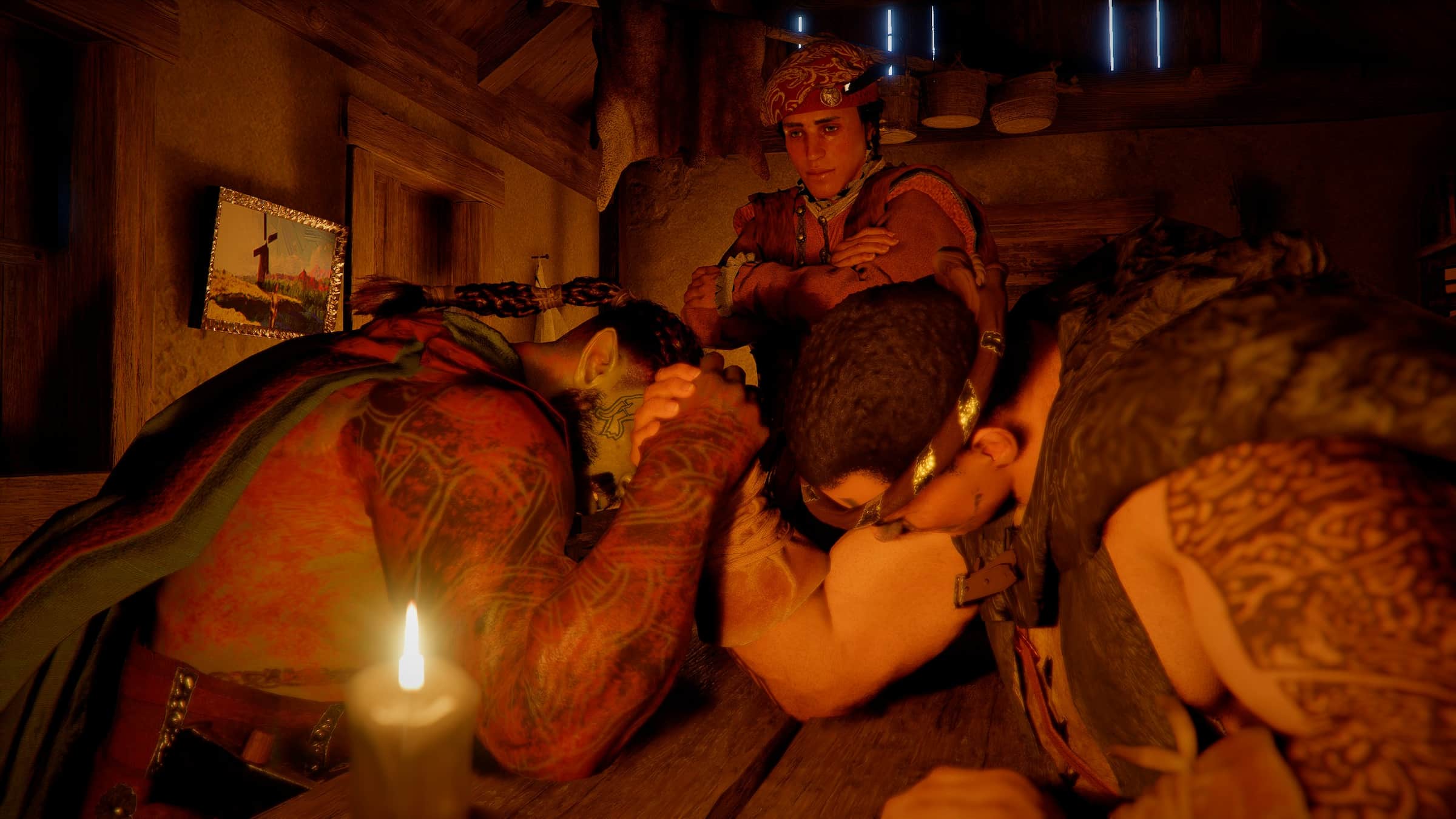
The story of the Greymane family is truly the most compelling part of the game, even more so than the main plot. Kliff and his companions feel like a genuine found family, each with their own unique personality, goals, and backstory. Their relationships feel incredibly natural and touching, and it’s genuinely heartwarming to see their bonds grow stronger. The way they support, tease, encourage, and protect each other creates a rare sense of belonging and emotional connection in such a large game. Their interactions make the camp feel lively and joyful, filled with laughter and a deep sense of loyalty – they truly feel like a family who always have each other’s backs. It’s exceptionally well done.
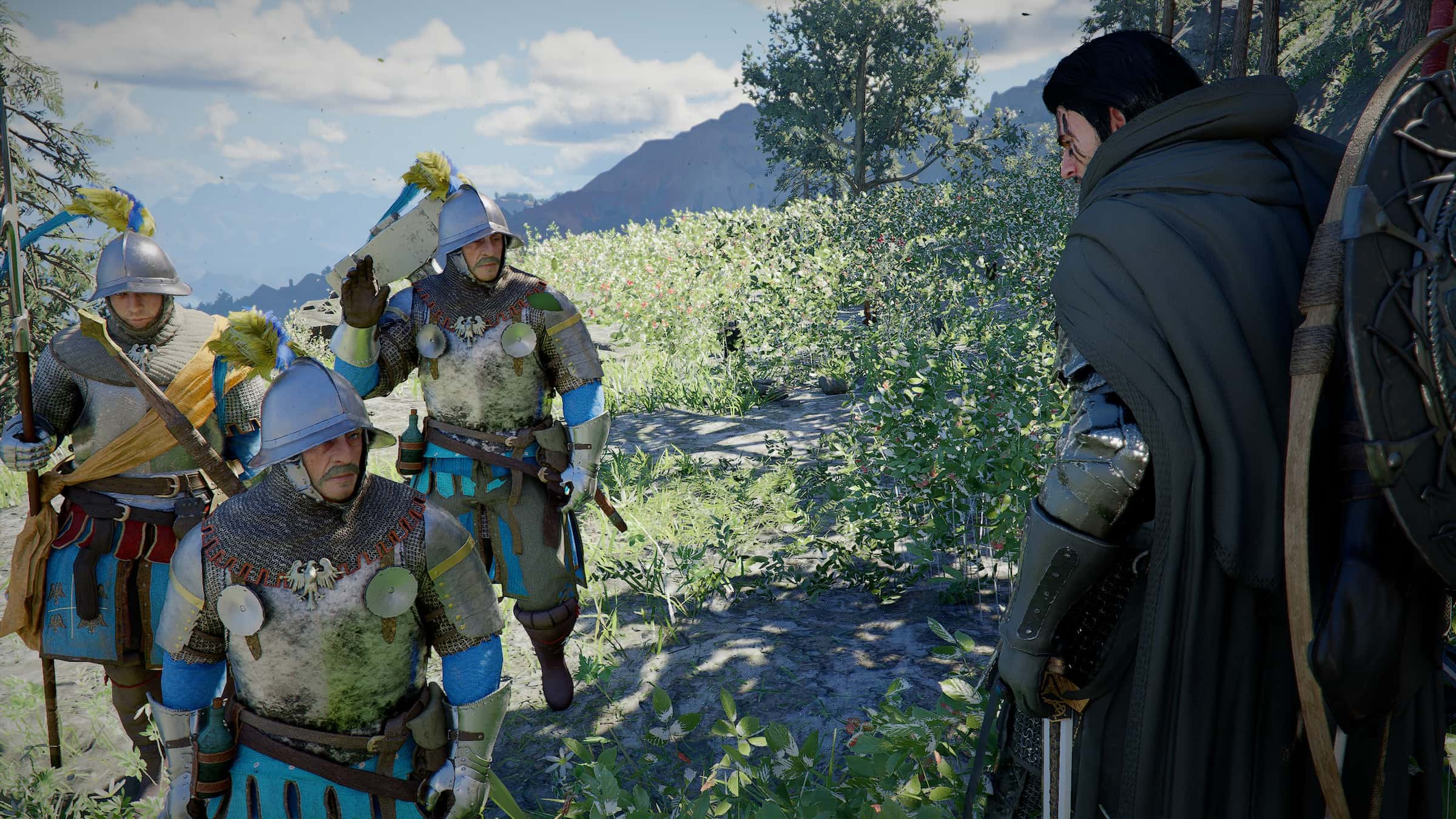
Kliff is a truly captivating character – one of the best I’ve seen in a long time. He’s a strong leader who also genuinely connects with others. He brings to mind Clive from Final Fantasy XVI with his powerful presence and willingness to make tough choices, but he also shares the calm, practical, and clever nature of Geralt from The Witcher.
Kliff isn’t just a skilled fighter; he’s the heart of the Greymanes. He acts as a father figure, providing stability and support to the group. He’s their friend, teacher, and protector, all rolled into one. Watching him with the Greymanes – offering genuine care, quiet advice, and lighthearted teasing – creates moments that are both inspiring and heartwarming. He’s the ideal comrade, but more than that, he’s a character players can truly connect with on an emotional level, not just look up to.
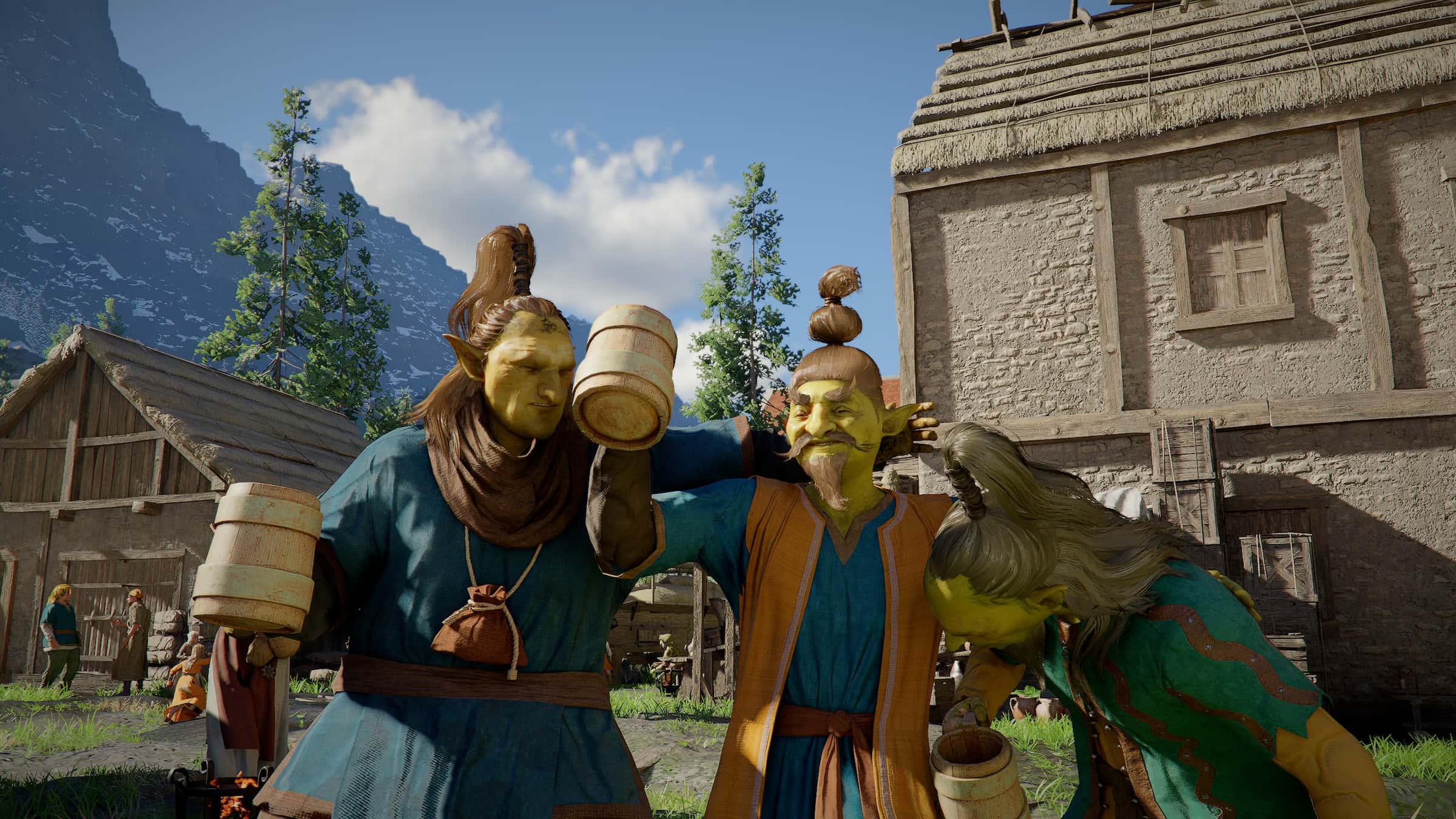
Beyond the main storyline, Pywell is filled with smaller, personal stories that make the world feel alive. Whether you’re helping locals or getting caught up in tricky conflicts between groups, these experiences show that your actions have meaning and the world reacts to you. Every encounter adds detail and makes you feel more invested in the larger story, turning exploration into something meaningful and reinforcing the idea that you truly impact this dynamic, living world.
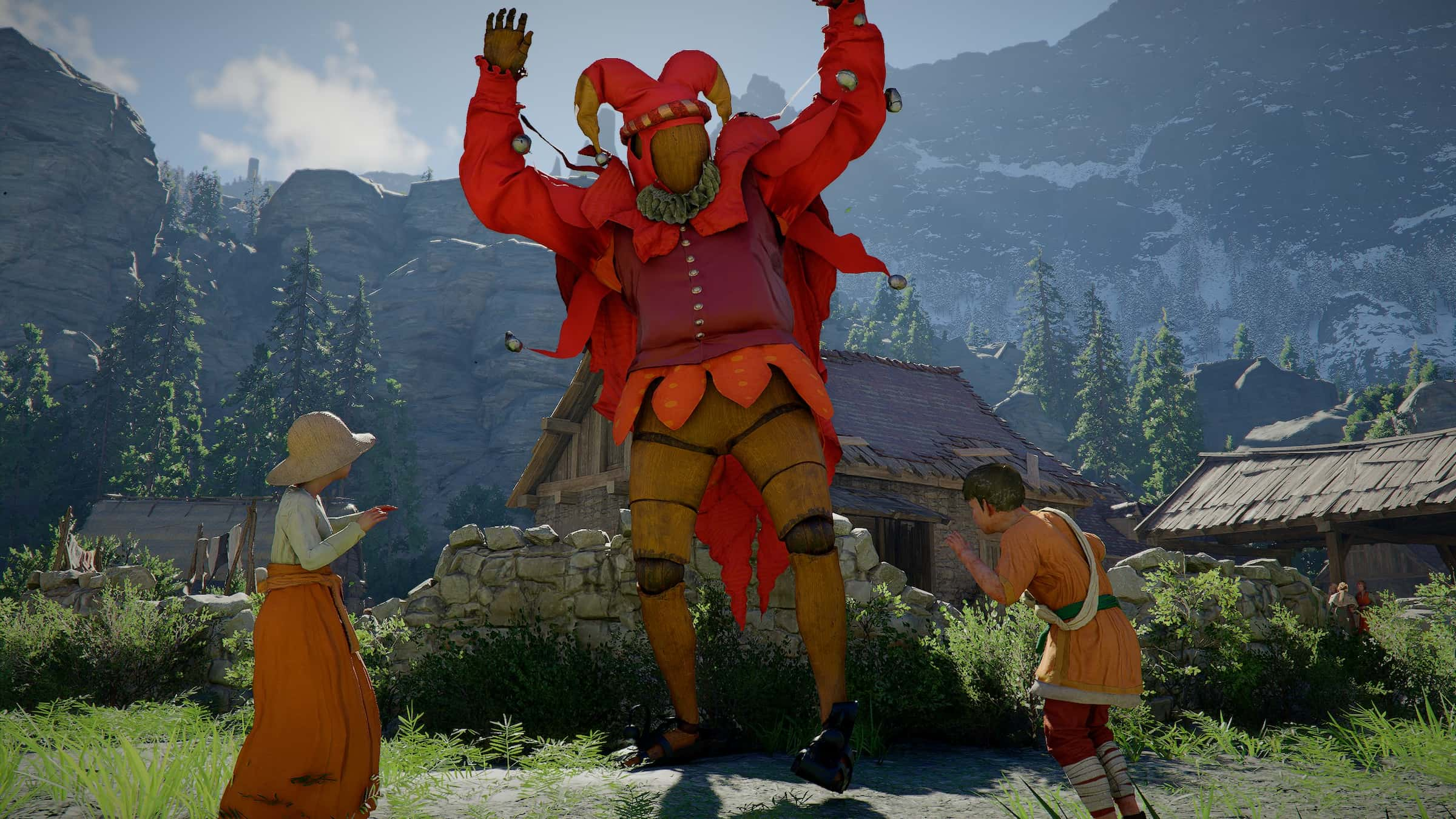
The different story elements in Crimson Desert create a narrative that feels both epic and deeply personal. The story unfolds at a deliberate pace, exploring the complex relationships between the Greymanes and weaving together individual stories with the larger world events. This ensures that every scene feels meaningful and emotionally impactful. At its core, the game is about the powerful bonds Kliff forms with his companions – a family built on shared battles, loyalty, and experience – and it’s this emotional connection that makes even the smallest moments feel truly memorable and human.
Graphics and Performance Impress on Every Level
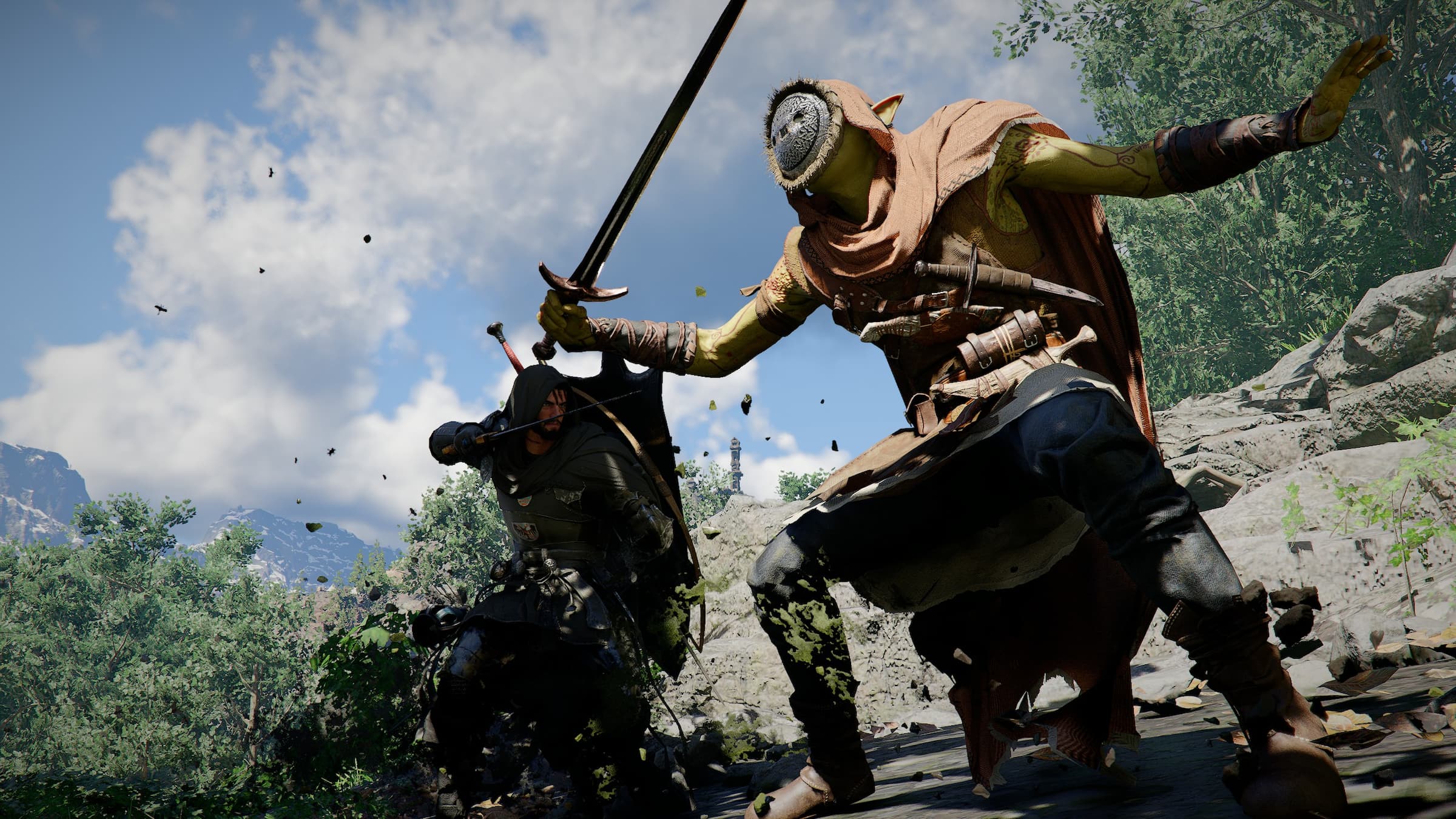
It’s clear that Crimson Desert is visually stunning. The game features incredibly detailed and diverse environments, ranging from harsh mountains to lively towns. The way light, water, and shadows are rendered feels very realistic, and small details – like animals moving around and changing weather – bring the world to life, even from a distance. Occasionally, you might notice some minor visual quirks, such as objects or plants appearing abruptly. Players who’ve played Black Desert Online might recognize this, as it’s a characteristic of the studio’s style. However, these issues are infrequent and usually go unnoticed.
The characters move incredibly naturally, and their faces and actions clearly show what they’re feeling and trying to do. Armor and weapons respond realistically to their surroundings, making every fight feel more believable. You can anticipate enemy attacks just by watching their movements, and the environment itself gives you hints without interrupting the gameplay. This game is built for you to observe and understand the world visually, which is perfect for a game about fighting and discovering new things.
I’m happy to share that the game runs consistently well, even during intense combat or in areas with a lot happening on screen. I consistently achieved 60 frames per second on a GeForce RTX 3060, and the game easily surpassed that with an RTX 4090. Frame rates are smooth, and loading between areas is almost unnoticeable. The game remains stable even with unexpected events like changing weather or large groups of enemies. I experienced a few crashes, but they were infrequent and spaced far apart.
Mechanical Frustrations Hold Back the Experience A Bit
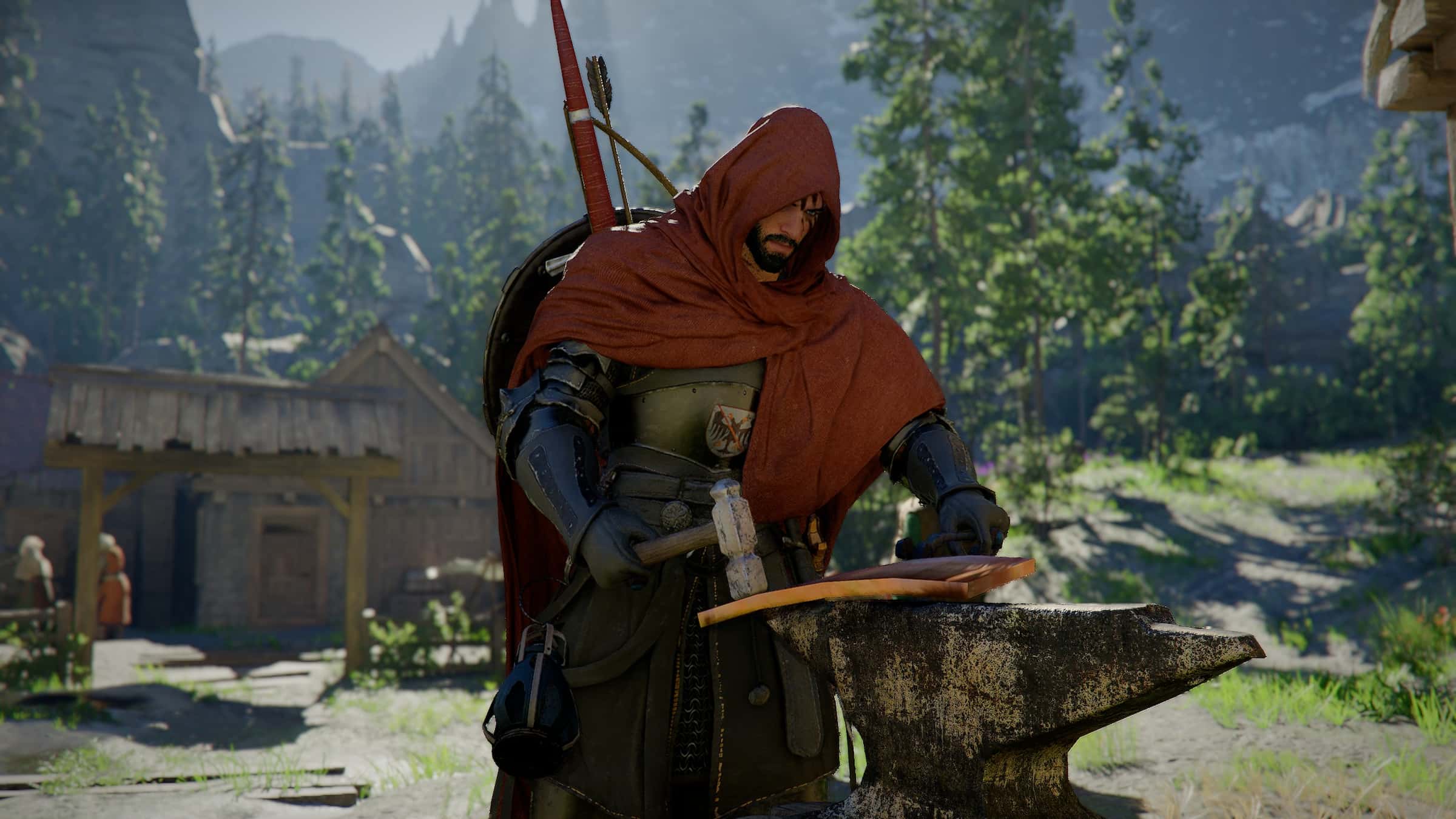
While Crimson Desert is visually stunning, it does have some issues that can be quite annoying. The menus and controls aren’t always easy to use, and keeping track of all the items you collect is a constant struggle, even with a large inventory of almost 200 slots. I spent a lot of time sorting through gear, selling things, and deciding what to keep, which often interrupted the flow of gameplay and took me out of the immersive experience during both exploration and fights. These frustrations didn’t ruin the game for me, but they did lessen my enjoyment.
Honestly, the controls were just… inconsistent. I’d try to jump, dodge, or pull off a combo, and sometimes it just wouldn’t register, which was super frustrating. Even simple stuff, like talking to characters or picking up items, could take a few tries. And don’t even get me started on aiming a bow – the timing felt off, and I wasted a ton of arrows missing shots. None of these things ruined the game on their own, but they added up to a lot of little annoyances that pulled me out of the experience. Even managing my camp or sending out missions felt like a chore because the menus were slow and clunky.
Some parts of the game, like crafting, improving gear, and using Abyss Cores, aren’t clearly explained and require a lot of testing to figure out. You have to experiment to learn how different Abyss Cores change weapon skills or how upgrades work with your character build. While discovering these things can be fun, it often feels repetitive and slows down the game, especially when you’re trying to get ready for tough challenges. These issues didn’t break the game, but they did occasionally detract from my overall enjoyment.
Crimson Desert is a remarkably ambitious game, and it largely succeeds in bringing its grand vision to life. While some frustrating UI elements and inventory issues hold it back from being perfect, they don’t overshadow the game’s brilliance. Even with these flaws, it’s a standout open-world experience, ranking among the best like Elden Ring. It’s a truly massive and imaginative world that stays with you long after you stop playing.
ComicBook was provided a Steam code for the purposes of this review.
What do you think? Leave a comment below and join the conversation now in the ComicBook Forum!
Read More
- 4 TV Shows To Watch While You Wait for Wednesday Season 3
- 40 Inspiring Optimus Prime Quotes
- 10 Most Memorable Batman Covers
- PlayStation Plus Game Catalog and Classics Catalog lineup for July 2025 announced
- Gold Rate Forecast
- 32 Kids Movies From The ’90s I Still Like Despite Being Kind Of Terrible
- 7 Best Animated Horror TV Shows
- 10 Ridley Scott Films With the Highest Audience Scores on Rotten Tomatoes
- Best Shazam Comics (Updated: September 2025)
- All 6 Takopi’s Original Sin Episodes, Ranked
2026-03-19 01:22