Despite being a beloved and long-running sci-fi series, Doctor Who is facing significant challenges as it approaches season 16. Many viewers feel the show has fallen into a pattern and needs to resolve key problems in the upcoming season to regain its momentum. There’s a lot of uncertainty about the future, and addressing these fundamental issues is crucial for getting Doctor Who back on track.
Starting in 1963, Doctor Who has lasted through huge shifts in television – both in how shows are made and who controls them. The series originally ran almost continuously from its debut until 1989, when it took a break.
The 1996 attempt to revive Doctor Who didn’t last, but the show successfully returned in 2005 and has been consistently popular for over 20 years. Recently, though, some poorly received seasons and internal issues have threatened its future. If the showrunners can address a few key problems, Doctor Who should be able to regain its strength.
Doctor Who Needs To Stop Building Up Season Finale Expectations And Then Not Delivering
When Doctor Who returned in 2005 with Russell T Davies in charge, it started off incredibly well with a fantastic first season. Although Christopher Eccleston left after just one season, Russell T Davies turned it into something truly memorable and introduced storylines that continued to develop in later seasons.
When Steven Moffat brought Matt Smith in as the Eleventh Doctor, the episodes ‘Raggedy Man’ and ‘The Girl Who Waited’ created something truly special with their cleverly connected storylines. However, more recently, many of the big reveals the show has been building towards haven’t quite lived up to expectations.
Although some fans appreciated the story of ‘The Impossible Girl,’ many have found recent plot twists – like the reveal of the Timeless Child and Ruby Sunday’s true identity – confusing and disappointing. Newer seasons, including storylines about a group of gods and the return of the Rani, haven’t lived up to expectations and feel contrived rather than exciting for most Doctor Who fans.
It’s Time To Stop Making Big Canon-Breaking Swings
A lot of the current problems with the show probably stem from recent showrunners trying too hard to leave their own unique stamp on Doctor Who, beyond simply creating new Doctors and adventures. Instead of building on the show’s long and wonderfully messy 60-year history, we’ve seen several instances where established storylines are being changed or undone in ways that don’t feel earned or satisfying.
The storyline involving the Timeless Child is arguably the most problematic aspect, but Russell T Davies also bears some responsibility. When he returned to Doctor Who, he introduced some unusual and distinctive ideas that are now officially part of the show’s history, even though they weren’t popular with everyone. A prime example is David Tennant’s brief return as the Fourteenth Doctor – the shortest tenure of any Doctor ever.
The season 15 finale of Doctor Who delivered a shocking twist: Ncuti Gatwa’s Doctor unexpectedly regenerated after just two seasons, only to become Rose Tyler. While Russell T Davies has stated Billie Piper isn’t truly a Doctor, the fact that Gatwa’s incarnation both began and ended with a split, then transformed into two key characters from Davies’ original run, feels a bit excessive and self-serving.
It remains to be seen how things will play out, but the constant addition of strange and unexpected plot points over the past five years is getting tiring. It’s time to return to what made the show successful and stop changing established storylines simply for the sake of being different.
Doctor Who’s “Mystery Girl” Companion Trend Needs A Break
In the original Doctor Who series, companions were essential to the stories and played a key role in the Doctor’s own development, often teaching him valuable lessons during their time together. However, the newer versions of Doctor Who seem to be increasingly focused on portraying companions as almost legendary figures.
Throughout the series, the Doctor’s companions have often taken on significant roles or identities. Rose Tyler was known as ‘Bad Wolf,’ Donna Noble briefly became a highly intelligent version of herself called ‘Doctor-Donna,’ and Amy Pond had a complex relationship with the Doctor, eventually becoming something of a mother figure. Clara Oswald was known as ‘The Impossible Girl,’ and the show initially hinted that Ruby Sunday was destined to be something special, but ultimately revealed her to be a completely normal person.
This storyline has become predictable and stale. Many companions don’t suit this type of plot, and it actually creates more interesting relationships with the Doctor when they interact as equals. The constant mystery surrounding a companion often feels like a pointless distraction or needlessly complicates their role in the universe.
Answer Unresolved Mysteries Before Creating New Ones
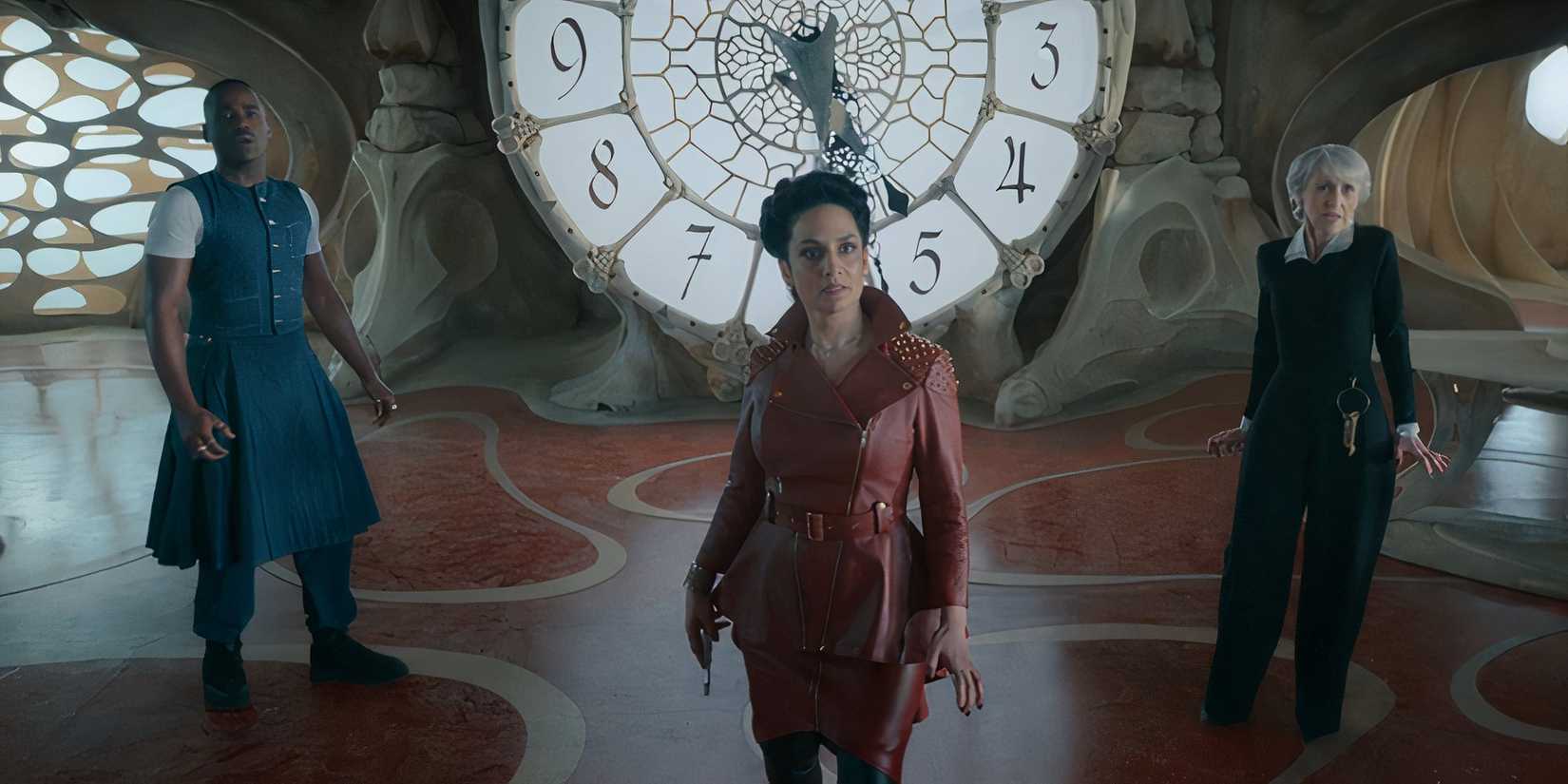
Doctor Who frequently introduces plot points and characters that are never fully explained, and often disappear as the show goes on. This has been a pattern since the very beginning – in the classic series, the Doctor would sometimes encounter strange future versions of himself, like The Valeyard, or see memories of faces he hadn’t lived. The modern show continues this tradition, leaving viewers with unanswered questions and lingering mysteries.
The introduction of the Timeless Child and the enigmatic Pantheon of Gods were major developments. The Timeless Child idea dramatically changed our understanding of the Doctor’s origins and past lives before becoming the First Doctor. However, given the Doctor’s long life spanning centuries, it seems strange that such a significant myth hadn’t been encountered before.
Putting aside the fact that the Doctor would likely have heard about this idea if it were true, the notion that he isn’t a Time Lord himself – but rather the source of their ability to regenerate – brings up important questions about his origins and the home of his people.
The show usually avoids explaining things like this, but it would be nice to understand what’s going on, especially since the series seems to be changing so much and losing what made it special.
Doctor Who’s Past 2 Seasons Relied Too Heavily On CGI
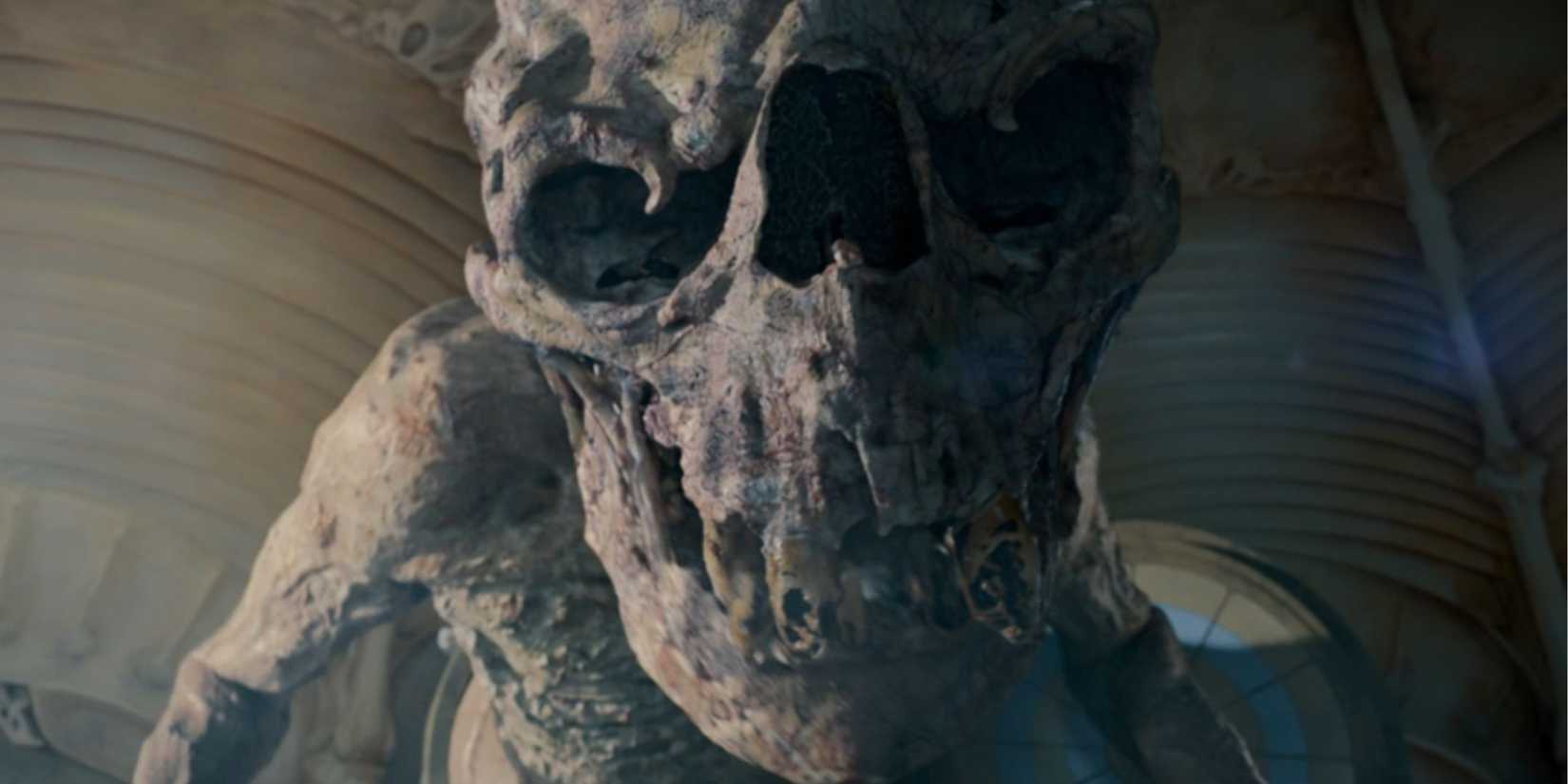
When Chris Chibnall took over Doctor Who, the show’s production values noticeably improved, with more sophisticated visual effects than previous seasons. The recent deal with Disney has further increased this trend, providing a bigger budget and allowing for even more extensive use of CGI.
While the show still relied heavily on traditional effects and sets, it also experimented with groundbreaking CGI to create large monsters like Sutekh and Omega. However, these digital creatures didn’t resonate with audiences as strongly as the more tangible, practical effects.
Limited budgets meant these creatures often appeared briefly on screen, lessening their overall effect. They didn’t quite work with the show’s tone, resulting in a weaker story and a production that felt like it was trying to be grander than it needed to be.
Doctor Who Needs A Team Committed To The Show For The Next 5+ Years

The most important thing for the future of Doctor Who is establishing a consistent production team. When Russell T Davies returned and Ncuti Gatwa was announced as the next Doctor, they pledged to release new episodes annually, and filming began well ahead of schedule – a practice they need to maintain.
Plans for the show shifted due to its success on Disney+ and Ncuti Gatwa’s quickly growing career. Gatwa chose to depart earlier than expected, and the show also saw two companions leave within its first two seasons. Now, Russell T Davies is also preparing to step down after the Christmas special in 2026.
This situation definitely puts the show in a strange spot, but it also shows us what Doctor Who really needs now. To regain the trust and love of its fans, the show needs a core group of people who will stay involved for at least the next five years, even if that doesn’t mean a new season every single year. Consistency is key to stabilizing things moving forward.
For the show to really succeed, the next creative lead should ideally stay with Doctor Who for at least one full regeneration – and hopefully two. The actors should also be on board with telling bigger stories that unfold over several seasons. If season 16 can establish this kind of commitment, the show has a good chance of making a strong return.
Read More
- 4 TV Shows To Watch While You Wait for Wednesday Season 3
- PlayStation Plus Game Catalog and Classics Catalog lineup for July 2025 announced
- 10 Most Memorable Batman Covers
- 7 Best Animated Horror TV Shows
- 40 Inspiring Optimus Prime Quotes
- 32 Kids Movies From The ’90s I Still Like Despite Being Kind Of Terrible
- 10 Best Buffy the Vampire Slayer Characters Ranked
- The 10 Best Episodes Of Star Trek: Enterprise
- Gold Rate Forecast
- 10 Movies That Were Secretly Sequels
2026-03-19 01:40