
Honestly, it’s been amazing to see the turnaround of Cyberpunk 2077. Everyone knows how rough the launch was, but it’s actually become a case study in how to fix a game and keep supporting it long after it’s out. As a fan, I was blown away watching CD Projekt Red rescue it from disaster and transform it into the incredible RPG it is now. I adore the game it’s become, and I wouldn’t change a thing.
I’ve been thinking a lot about the rocky launch of Cyberpunk 2077, widely considered one of the worst in video game history, and how it impacted the game overall. It’s fascinating to examine how the game evolved because of those initial problems, how the developers at CD Projekt Red responded, and how, surprisingly, those early failures might have actually led to greater long-term success for Cyberpunk 2077 than a flawless release ever could have.
Cyberpunk 2077’s Failings Kept It Popular For Longer
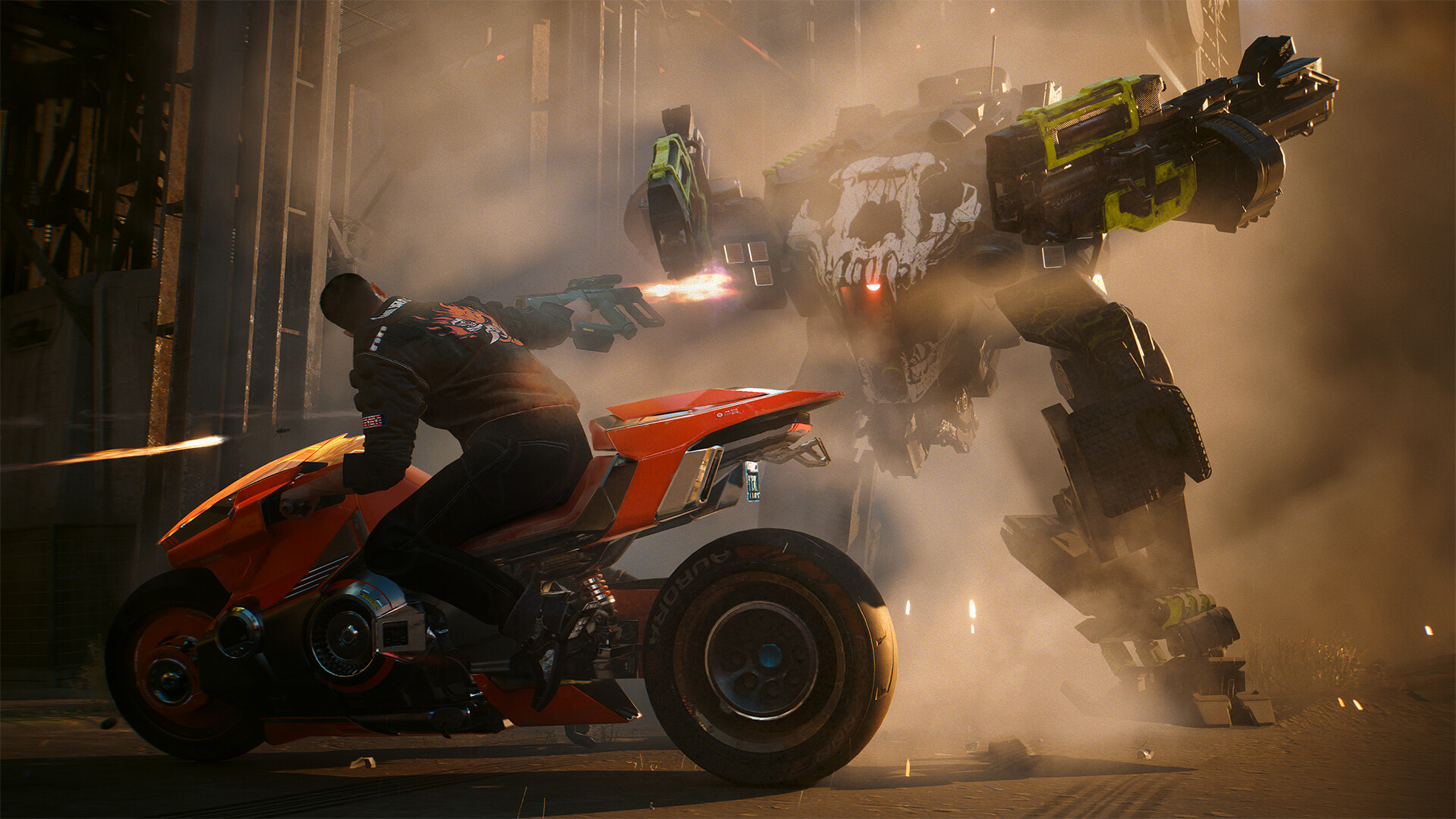
I definitely don’t think CD Projekt Red intentionally ruined the launch of Cyberpunk 2077 for publicity. That would be absurd and disrespectful to the developers who worked so hard on it. What I do think is interesting is the connection between the game’s troubled launch and its eventual massive success – it’s a topic worth looking into.
Despite a rocky start and initial disappointment, Cyberpunk 2077 became incredibly popular, and likely remains one of the most well-known single-player games ever. Over the past six years, consistent improvements kept the game relevant for far longer than most RPGs. Each update was eagerly awaited, and after version 2.0, excitement grew about potential future additions. Even as updates became less frequent, players continued to follow any news or livestreams from CD Projekt Red, hoping for more content.
The game’s continued success is surprisingly linked to its difficult start. If Cyberpunk 2077 had launched smoothly, players likely wouldn’t have demanded the features that were eventually added. Even if they had, CD Projekt Red might not have been as motivated to implement those changes, as the initial problems created a strong financial incentive to improve the game’s reputation. It’s unlikely Cyberpunk 2077 would still be attracting a growing player base five years later if it hadn’t faced those early challenges.
It’s likely Cyberpunk 2077 would have continued to receive support for years even if it had been a hit. However, what’s truly remarkable is the amount of post-launch support it has received, especially considering its rocky start. Even successful RPGs like Baldur’s Gate 3 eventually saw support wind down after about two years, as the developers moved on to new projects. Aside from Skyrim, which Bethesda constantly updates, Cyberpunk 2077 is unique in its continued support and ongoing relevance – and this is a direct result of its initial struggles, not its achievements.
Games Shouldn’t Attempt To Replicate Cyberpunk 2077’s Success
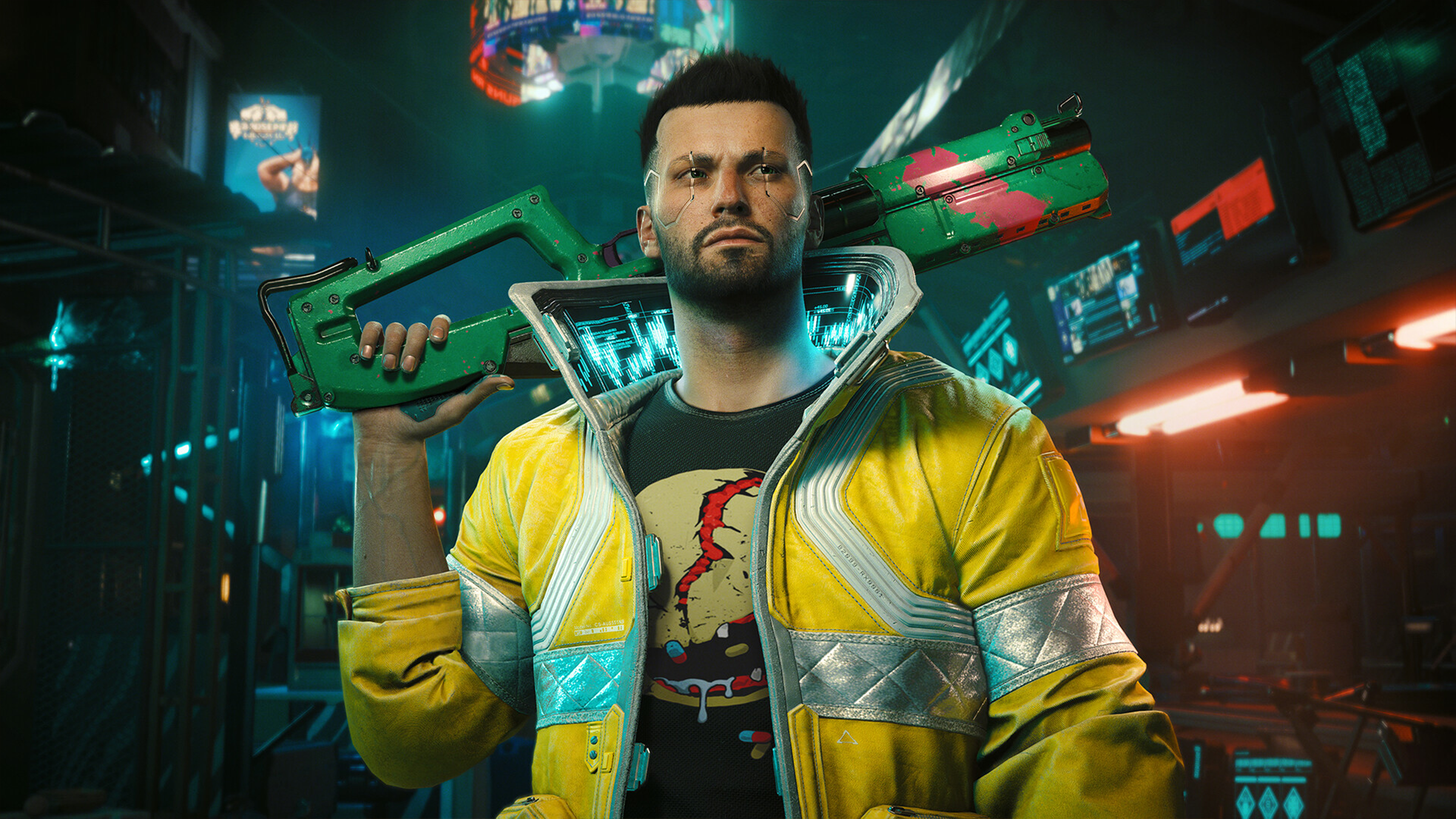
This situation is truly unique and can’t be easily repeated. The Sonic the Hedgehog movie redesign is the most comparable example – it generated a lot of publicity and possibly boosted ticket sales. However, deliberately aiming for failure isn’t a good plan, and should always be avoided. Very few games have successfully recovered from a poor start, and those that have usually had a solid base to build upon.
Games like No Man’s Sky, Rainbow Six Siege, and Cyberpunk 2077 all captured players’ imaginations, even when they were initially flawed. Cyberpunk 2077 wouldn’t have gained a following if it had been a typical RPG with a boring story. Likewise, No Man’s Sky would have been quickly abandoned if it was just a basic survival game on one planet. While Cyberpunk 2077 had a difficult launch and didn’t perform as expected, its core concept was compelling – more so than many RPGs. This initial appeal is what allowed the developers time and opportunity to fix issues and improve the game.
Releasing unfinished games is a bad idea. While it might slightly boost long-term sales, it’s far more likely to frustrate players who buy the game at launch and damage the reputation of the entire industry. Think about it: would you keep buying new Pepsi flavors or going to see blockbuster movies if they were consistently broken or disappointing when they first came out, only to be fixed months later? That’s simply not a viable or sustainable approach.
Games used to launch in a more finished state, before frequent post-release updates became the norm. While some studios have the means to quickly fix problems, most don’t. I’d prefer games be well-made at launch, even if it means less initial hype, rather than following the path of games like Cyberpunk 2077 or No Man’s Sky. While Cyberpunk 2077‘s troubled launch might have ultimately boosted its sales, it also created the impression that the game was only good after numerous fixes, which isn’t fair. I hope we can get back to a place where games are valued for their quality and artistic merit when they’re first released, instead of how well developers can recover from a flawed launch.
Could the rocky launch of Cyberpunk 2077 actually be a reason it’s still being talked about? Share your thoughts in the comments and join the discussion on the ComicBook Forum!
https://comicbook.com/gaming/list/4-best-open-world-games-that-arent-made-by-rockstar/embed/#
Read More
- Gold Rate Forecast
- 10 Most Powerful Versions of Superman, Ranked
- GBP CNY PREDICTION
- 007 First Light: Release Date, Story, Gameplay, Cast, Editions, and Platforms
- Superman’s 7 Best Power-Ups, Ranked
- 10 Best Free Games on Steam in 2026, Ranked
- Forza Horizon 6 Car List So Far: Confirmed Highlights, Cover Cars, DLC, and Rewards
- 10 Greatest Wii U Games of All Time, Ranked
- What happened to Soldier Boy in The Boys?
- CNY JPY PREDICTION
2026-03-30 00:10