
HBO remains one of the most influential networks in television history. The past year has been exceptionally successful for the network, with hits like the Emmy-winning medical drama The Pitt, record viewership for the second season of The Last of Us, and the highly praised return of The White Lotus. HBO plans to continue this success with its upcoming shows. A Knight of the Seven Kingdoms kicked off the year as another addition to the Game of Thrones universe, and House of the Dragon will be back for its third season this August. Plus, the long-awaited third and final season of Euphoria will premiere in the spring, and DC’s Lanterns is one of HBO’s biggest attempts yet to break into a new genre.
HBO has earned a reputation for quality, but many of its most popular dramas got off to a slow start. Some initially received mixed reviews and didn’t attract large audiences right away. However, HBO gave these shows time to develop, and they ultimately delivered innovative and compelling stories, demonstrating that truly ambitious television often needs time to find its footing.
5) Six Feet Under

Alan Ball’s show, Six Feet Under, revolves around a family running a funeral home in Los Angeles. The initial idea was intriguing, but the first season was uneven, as Ball worked to blend the show’s dark humor with its serious themes of loss. Early episodes sometimes felt disjointed, and viewers often found the Fisher family – especially Nate (Peter Krause) – frustrating rather than relatable. While ratings were decent, the show didn’t initially make a big impact. Over the next four seasons, however, Six Feet Under evolved into a deeply insightful exploration of death, hidden emotions, and how problems are passed down through families, ultimately becoming one of television’s most satisfying and emotionally resonant dramas. The series finale is still considered a gold standard for how to end a long-running show.
4) Deadwood
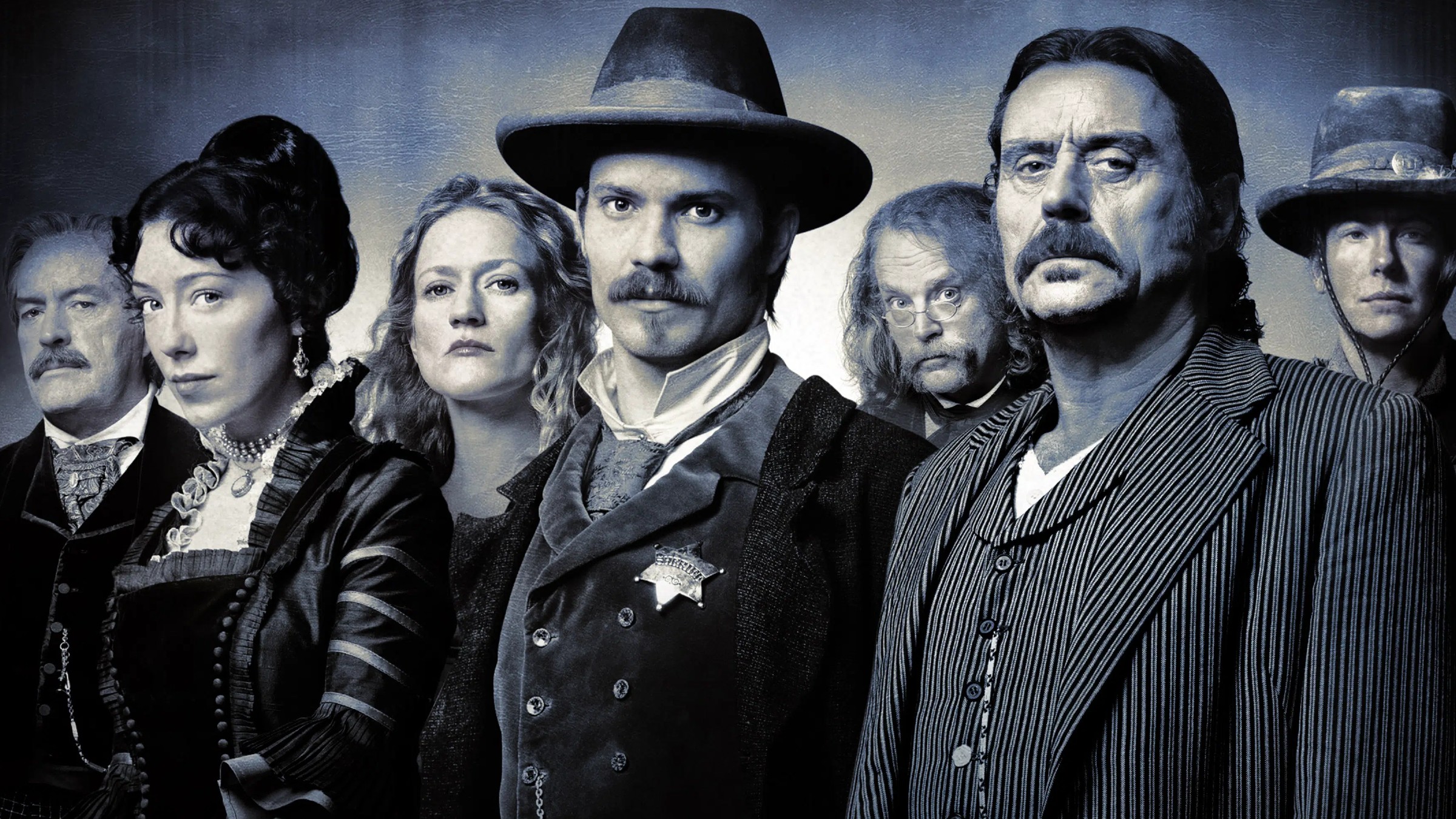
The HBO series Deadwood stood out for its unusually complex and historically-inspired language, set against the gritty and violent backdrop of a South Dakota mining town in the 1800s. When it first aired in 2004, the show challenged viewers with its dense dialogue—more reminiscent of Shakespeare than typical Westerns—and its deliberate, slow pace. Many found the focus on the political maneuvering between Al Swearengen (Ian McShane) and Seth Bullock (Timothy Olyphant) frustrating, which initially impacted ratings. However, by its second season, Deadwood had evolved into a remarkably insightful exploration of how civilization is built and the compromises—and corruption—that often come with it. Ian McShane’s portrayal of Swearengen was particularly acclaimed, creating a compelling antihero whose brutal nature was balanced by his effective leadership. Despite its critical success, the show’s cancellation after only three seasons remains a controversial decision by HBO.
3) The Leftovers
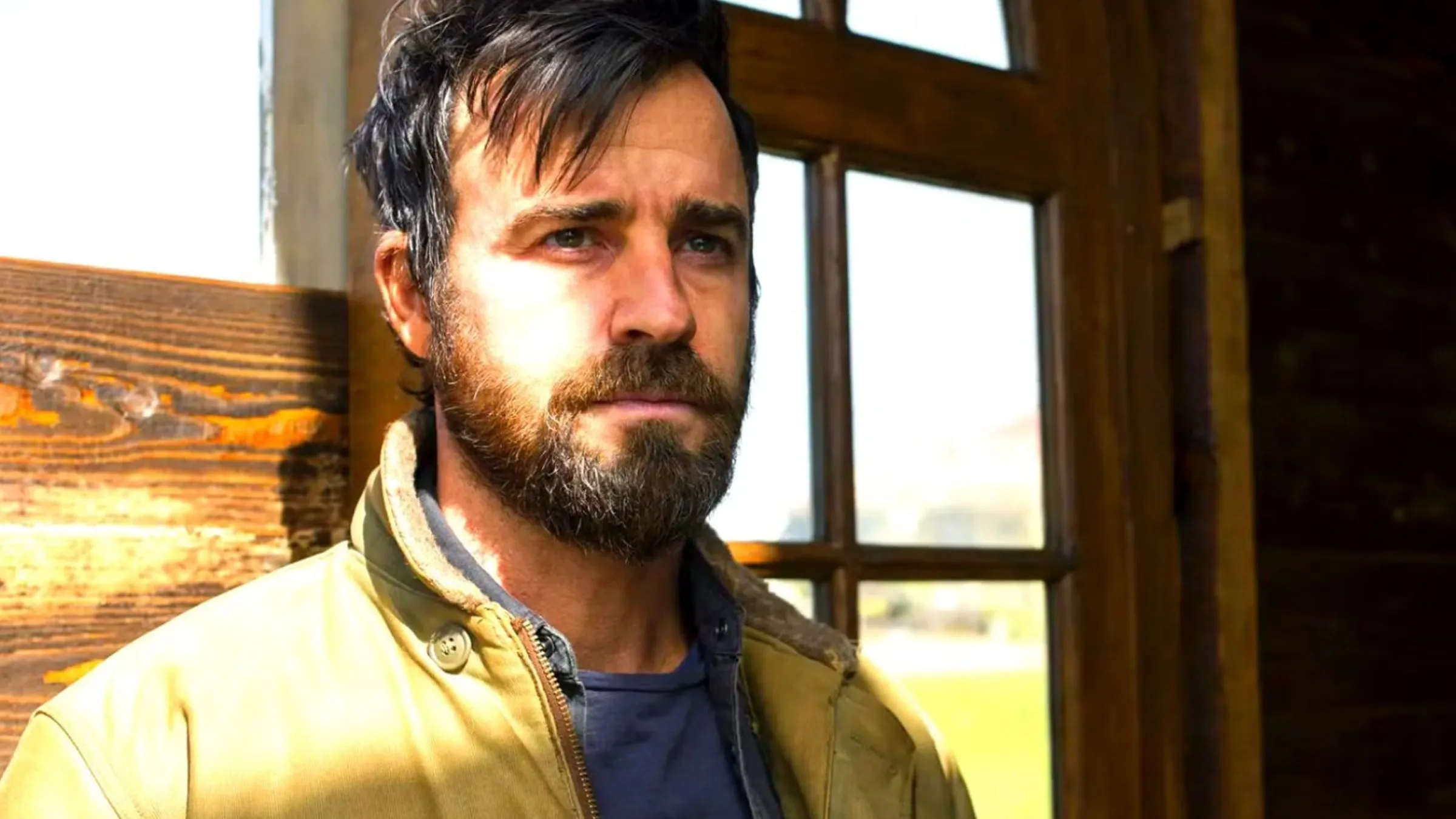
The first season of The Leftovers had a difficult time attracting a large audience, despite the show eventually becoming a critically acclaimed masterpiece. Its core idea – a town dealing with the sudden disappearance of 2% of the world’s population – was always going to be challenging, and the initial episodes focused heavily on overwhelming grief, which some viewers found difficult to watch. While critics acknowledged the show’s ambition, it didn’t initially draw a large audience on HBO. A major turning point came with Season 2, which moved the story to a new fictional town in Texas. This bold move ultimately allowed the show to reach its full potential. Season 3 became even more imaginative and concluded with a finale that many consider to be one of the best episodes ever produced by HBO. Today, The Leftovers is frequently cited as a powerful exploration of grief, faith, and the things that can’t be easily explained.
2) Succession

The first season of Succession received good reviews, but some viewers initially found its relentlessly cynical portrayal of a morally bankrupt family fighting for power difficult to connect with emotionally. As a result, ratings were moderate, and the renewal for a second season didn’t generate much excitement. However, Season 2 quickly changed that. The show’s layers of shame, betrayal, and damaging personal relationships, carefully developed by showrunner Jesse Armstrong, proved to be a remarkably insightful exploration of wealth, privilege, and the psychological toll they take. By Season 3, Succession had become a defining drama of the early 2020s, sparking the same intense, episode-by-episode discussion that had previously been reserved for shows like Breaking Bad and Mad Men.
1) The Wire
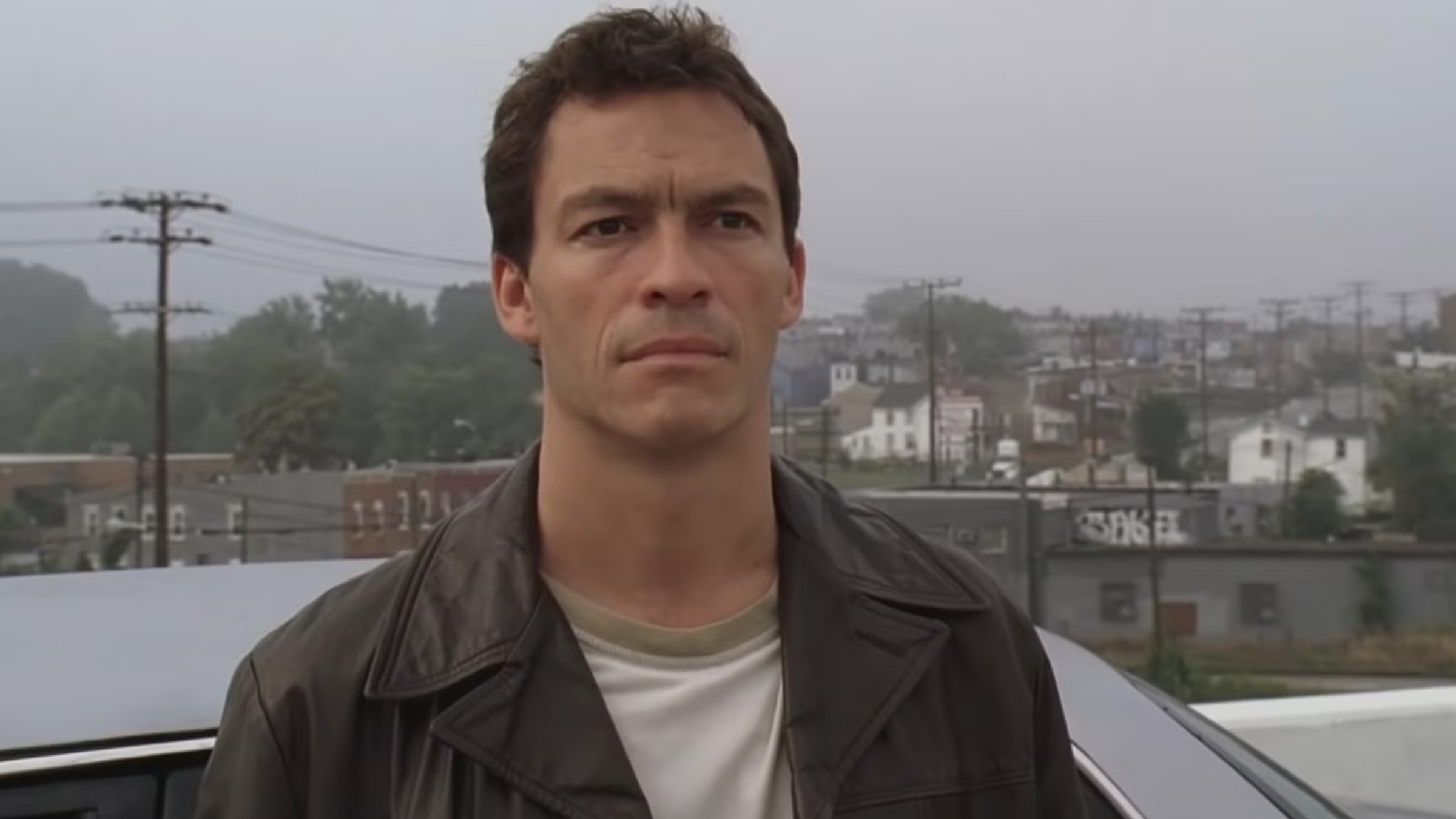
As a critic, it’s wild looking back at how The Wire was initially received. Now, everyone calls it the greatest TV drama ever, but back in 2002, it barely registered with audiences. The premiere got low ratings, and while critics acknowledged its ambition, they found it slow and challenging – a far cry from the fast-paced crime shows people were used to. It never became a ratings hit during its five seasons. Honestly, its legendary status grew after it was off the air, fueled by word-of-mouth through DVDs and a growing understanding among critics and writers that this wasn’t just a drama. Each season brilliantly dissected a different part of American city life, building into something more like a detailed sociological study. Looking back, that slow burn wasn’t a flaw, it was the show carefully laying the groundwork for something truly special.
What HBO series took the longest to really grab your attention? Share your thoughts in the comments and join the discussion in the ComicBook Forum!
https://comicbook.com/tv-shows/list/5-great-hbo-tv-shows-that-have-aged-like-a-fine-wine/embed/#
Read More
- 10 Most Powerful Versions of Superman, Ranked
- Gold Rate Forecast
- GBP CNY PREDICTION
- Forza Horizon 6 Car List So Far: Confirmed Highlights, Cover Cars, DLC, and Rewards
- 007 First Light: Release Date, Story, Gameplay, Cast, Editions, and Platforms
- Superman’s 7 Best Power-Ups, Ranked
- DOGE PREDICTION. DOGE cryptocurrency
- Forza Horizon 6 PC Issues: Fix Crashes, Stuttering, Steam Errors, and Game Pass Problems
- Kingdom Come Deliverance Update 1.002 Enables Trophies to Be Transferred
- What happened to Soldier Boy in The Boys?
2026-03-30 23:17