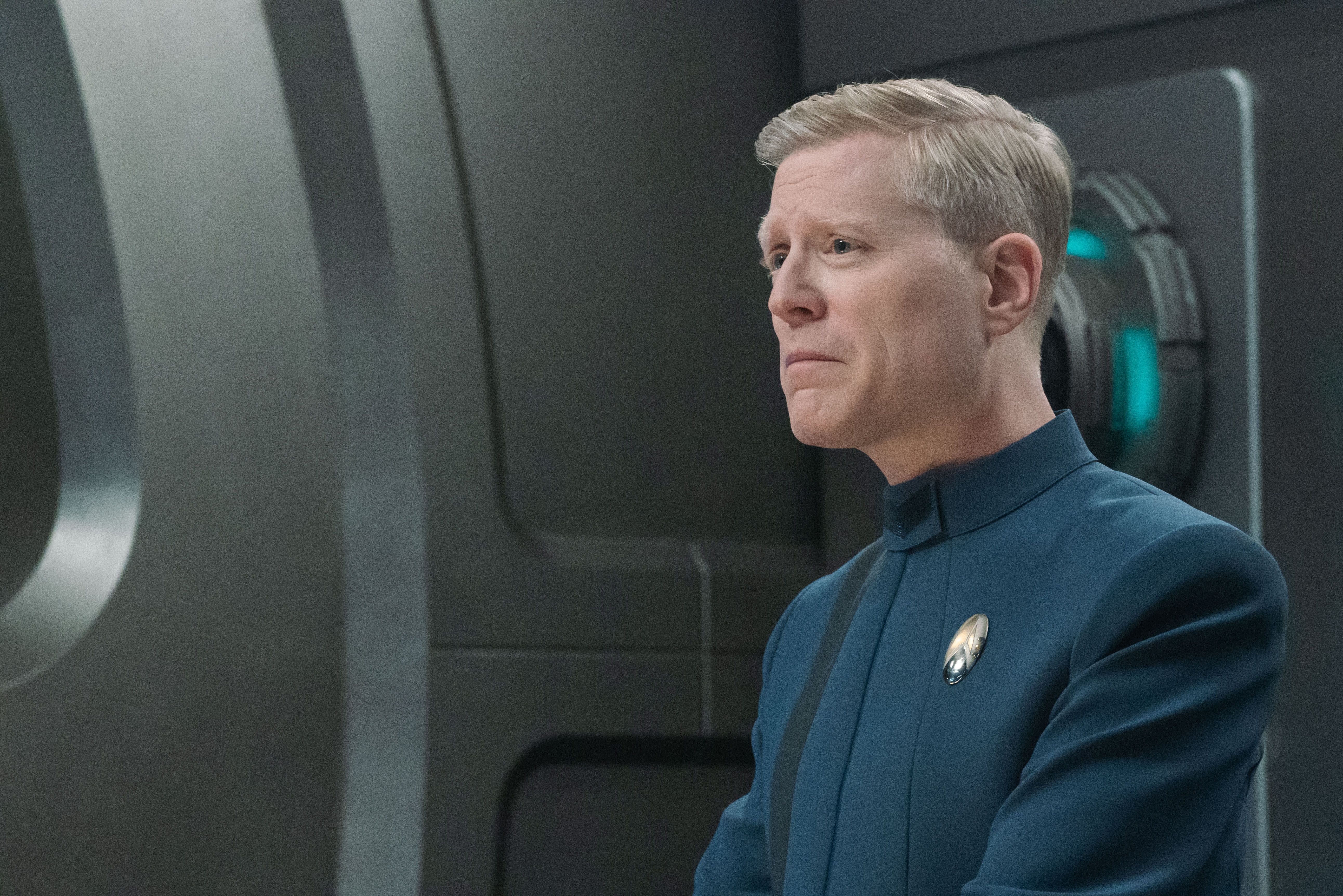
A decade ago, production started on Discovery, kicking off a new era of Star Trek on television. As the first series for Paramount+ (originally CBS All Access), it both honored the roots of the franchise and took risks with what fans anticipated. After Discovery concluded its fifth season, actor Anthony Rapp expressed disappointment with how his character’s storyline played out – a storyline that highlights a unique strength of Star Trek compared to other major franchises.
It’s a disheartening time for Star Trek fans, especially considering the recent decisions made by the studio. Following the merger with Skydance and the potential merger with Warner Bros. Discovery, Paramount is scaling back Star Trek‘s impressive run of nine years with new shows. The cancellation of Starfleet Academy before its second season aired is a sign of choices that seem driven by money rather than creative vision. But for longtime fans who’ve followed Star Trek since the 1990s or earlier, this situation feels familiar. Historically, Star Trek has overcome challenges and defied expectations in Hollywood. Just as Gene Roddenberry established a pattern of resilience early on, Anthony Rapp’s hope for his character, Paul Stamets, could still become reality.
Star Trek Was as Good as Gone Twice Before, and It Keeps Defying the Odds
The original Star Trek series almost didn’t happen. NBC initially turned down the first pilot episode starring Jeffrey Hunter as Captain Christopher Pike. Although the network eventually greenlit the show with a different cast, creator Gene Roddenberry kept Leonard Nimoy as Spock. When Roddenberry reused footage from that first pilot in the two-part episode “The Menagerie,” he hoped Hunter would return to play Captain Pike again.
Keeping Leonard Nimoy as Spock helped make the very first, unusual episode feel like a natural part of the original Star Trek series. After the show found a large audience in reruns during afternoon television, NBC decided to bring it back with Star Trek: The Animated Series.
Initially, Roddenberry was hesitant, but he believed the show could be more than just typical children’s programming if they included writers and actors from the original Star Trek series. However, NBC was unwilling to pay for the entire cast, wanting to feature only William Shatner, DeForest Kelley, and Leonard Nimoy. The network reasoned that if the most popular actor and character returned, audiences wouldn’t miss the others. Walter Koenig was the only original cast member not brought back as an actor, but he was given the opportunity to write an episode.
I remember when Gene Roddenberry was planning the follow-up to the original Star Trek. He used the same idea he’d always believed in – building on what came before – when he started working on what eventually became the movies, originally called Phase II. Then, when he created The Next Generation, he wanted it to feel fresh and new, but he still really wanted Leonard Nimoy, as Spock, to make a cameo in the very first episode. It was a nice nod to the past!
When Paramount decided to bring the movie series back, Nimoy once again stepped in to maintain the spirit of the original vision, even though this new series took place in a different universe.
As a huge Star Trek fan, I’ve noticed something really interesting. With Discovery, they brought back some classic characters, but with new actors taking on the roles. And it wasn’t just a one-time thing – shows like Picard continued that trend! It seems like the producers always try to get the original actors to return whenever they can, even decades after we thought their characters’ stories were finished. It’s awesome to see those familiar faces again!
Anthony Rapp Wants to Bring Back Paul Stamets, and He Might Get His Wish
The frequent cancellations of recent Star Trek shows have left many actors feeling like their characters’ stories weren’t fully explored. For example, one actor noted that after Season 5, a compelling question arose: what happens to his character, a brilliant scientist, now that his life’s work is lost?
Honestly, it really bummed me out to hear him talk about how he’s basically lost the opportunity to see where his character could have gone. It sounds like he doesn’t think he’ll ever get to explore that path, and it’s just sad to hear.
Furthermore, the character faced a challenge when personal fear clouded his judgment and prevented him from fully performing his duties. Rapp’s character is noteworthy as part of a continuing Star Trek tradition of inclusive storytelling. He and Wilson Cruz’s character, Hugh Culber, were the first openly gay couple to have regular roles on any Star Trek series.
Discovery achieved several groundbreaking firsts. Sonequa Martin-Green made history as the first Black woman to lead a series, eventually becoming its captain. The show also introduced Adira, played by Blu Del Barrio, as the first nonbinary series regular, and Gray Tal, portrayed by Ian Alexander, as the first openly transgender character.
Let’s be real, the future of Star Trek is a little shaky right now. The studio’s going through some big changes, and honestly, they’re carrying a lot of debt. Right now, nothing’s actively being filmed, which is worrying. But I think Paramount has a smart move they could make: start streaming Discovery and the other shows on platforms like Netflix, Prime Video, or even their own free service, PlutoTV. It’s worked before, and it could introduce a whole new audience to Star Trek – people who might not have given it a chance otherwise. It’s a way to expand the fanbase and maybe even stabilize things financially.
Considering how well Star Trek holds up over time, Anthony Rapp might have the opportunity to revisit his character, Stamets, in the future. Other characters from shows like Discovery, Lower Decks, Prodigy, and Starfleet Academy could also get further storylines.
None of Star Trek’s Actors Are Ever Truly ‘Done’ With Their Characters
Roddenberry reunited the original cast of Star Trek: The Original Series ten years after the show finished. These actors unexpectedly returned to their roles not just once, but twice within that decade. This pattern of returning to the characters continued with subsequent Star Trek series and continues even today.
We’ve seen many familiar faces return to the Star Trek universe recently. For instance, the animated series Lower Decks brought back the original cast of The Next Generation – Patrick Stewart and company – almost thirty years after their show ended and twenty years after their last movie didn’t perform well in theaters. Actors who starred in Deep Space Nine, Voyager, and even Enterprise have also made appearances.
If Paramount and Warner Bros. combine, the resulting studio would control a huge number of popular movie franchises, potentially making it difficult to decide which ones to produce. However, with streaming services like HBO Max and Paramount+, along with their existing cable channels and CBS, there would be ample opportunity for television programming.
If they find a producer who can manage costs effectively, it’s highly likely we’ll see new stories featuring the crew of the Discovery or other characters from that time period. This approach was established in the first season of the original Star Trek (TOS) and has been consistently followed by those who have led the Star Trek franchise since then.
Before The Next Generation, no TV sequel had ever been more successful than the original show. Star Trek broke that pattern, achieving greater success not once, but three times over the next 18 years. And then, Star Trek did it again, marking the first time any sequel had outperformed its predecessor twice.
Beginning with Discovery in 2016, Alex Kurtzman’s Secret Hideout has produced more Star Trek shows than were created in the previous half-century. Despite challenges, there’s reason to be optimistic about the future of Star Trek. Anthony Rapp may have the opportunity to fully explore Paul Stamets’ story, and many others, because Star Trek consistently finds a way to succeed.
You can now buy all of Star Trek: Discovery on DVD, Blu-ray, or digitally. It’s also available to stream on Paramount+, along with the rest of the Star Trek series and movies.
Found an error? Send it so it can be corrected.
Read More
- 10 Most Powerful Versions of Superman, Ranked
- Gold Rate Forecast
- GBP CNY PREDICTION
- Forza Horizon 6 Car List So Far: Confirmed Highlights, Cover Cars, DLC, and Rewards
- 007 First Light: Release Date, Story, Gameplay, Cast, Editions, and Platforms
- Superman’s 7 Best Power-Ups, Ranked
- DOGE PREDICTION. DOGE cryptocurrency
- Forza Horizon 6 PC Issues: Fix Crashes, Stuttering, Steam Errors, and Game Pass Problems
- Kingdom Come Deliverance Update 1.002 Enables Trophies to Be Transferred
- What happened to Soldier Boy in The Boys?
2026-03-31 05:12