Shows like Lost and Game of Thrones sometimes create more confusion than enjoyment. Misleading endings, persistent fan theories, and a lack of background information can all contribute to misunderstandings. Over time, these incorrect ideas become the main way people talk about the show, influencing how new viewers experience it from the very beginning.
Sometimes, misunderstandings don’t matter much. But other times, they can drastically alter a story, making nuanced characters seem flat or turning intricate plots into something overly simple. Many popular and critically acclaimed shows are actually remembered for what audiences think they’re about, rather than the original intentions of their creators.
Lost (2004-2010)
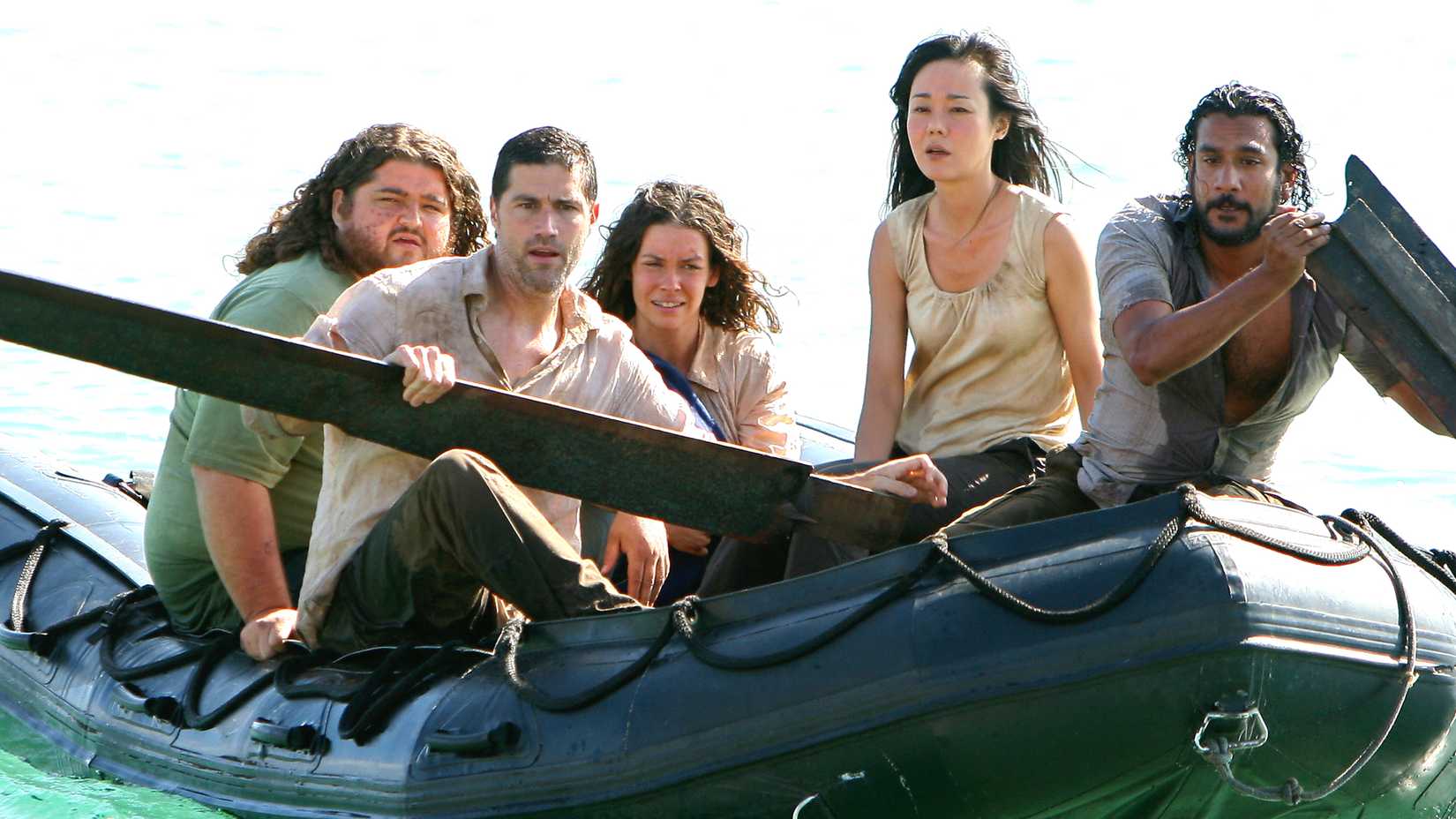
One of the most persistent beliefs about the TV show Lost is that all the characters who survived the crash were actually dead the whole time. This idea became popular after the series ended, and was mostly caused by confusion over the ‘flash-sideways’ scenes in the final season, which appeared to show a different version of events.
The events that occurred on the island in Lost were real, and all the characters survived them. The scenes showing a different reality – the ‘flash-sideways’ – were actually a kind of afterlife the characters created for themselves. It was a timeless place where they could find each other again before moving on to whatever came next.
Many viewers felt the ending of Lost was a disappointing and unsatisfying “cop-out,” but it actually provided a fitting conclusion that aligned with the show’s central themes of human connection, finding forgiveness, and accepting loss. Despite ongoing criticism, this perception overlooks the show’s consistent message throughout its run.
The Madison (2026-Present)

Because the show Yellowstone has been so popular, viewers often assume that any Western drama made by the same people is connected to the same story world. This happened with The Madison, which many initially believed was a direct continuation of Yellowstone.
Though inspired by the same creative team and sharing some similar vibes, The Madison will tell a completely new story with its own unique feel, and won’t simply continue the story of the Dutton family.
The confusion surrounding this show isn’t about the story itself, but rather how it’s been marketed and the fact that Taylor Sheridan is involved. This has caused people to assume things about characters and storylines, expecting connections to Yellowstone. However, this isn’t the first series to be wrongly thought of as a spin-off of that show.
Before it even premiered, many people mistakenly thought Lawmen: Bass Reeves was connected to the Yellowstone series. However, this show is actually a separate story, focusing on the life and accomplishments of Bass Reeves, a famous historical lawman.
Even so, the original marketing created an expectation among fans for connections that don’t actually exist. This might affect how people watch Lawmen: Bass Reeves, as they may focus on finding crossovers rather than simply enjoying the story as it is.
Westworld (2016-2022)
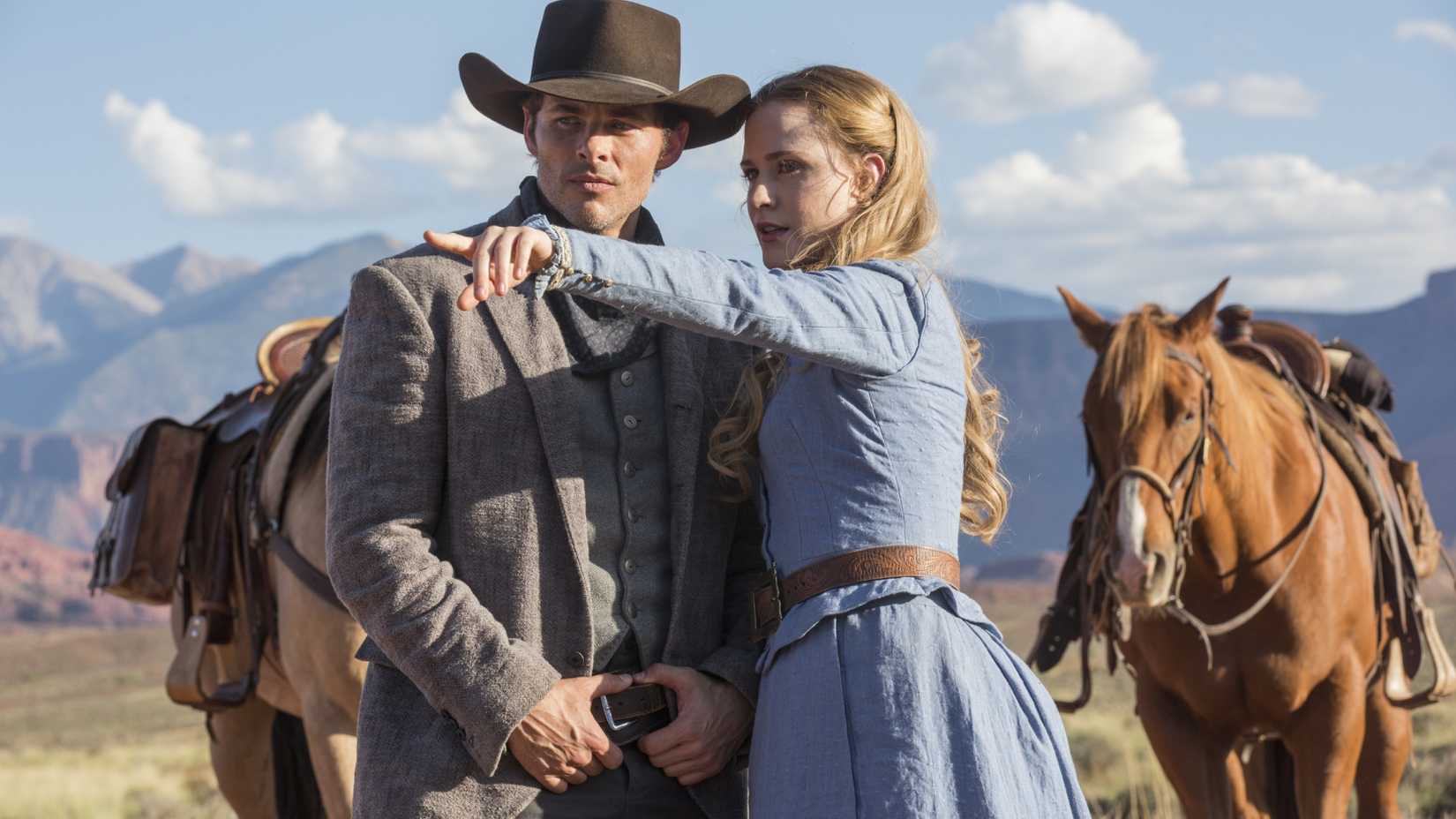
Following a hugely popular first season, Westworld became known for being confusing and difficult to follow. Many viewers thought the show became overly complicated after season two, sacrificing clear storytelling for the sake of being complex.
Honestly, the way the show changed wasn’t an accident at all. From the very beginning, Westworld was designed to tell stories in a non-traditional way. They used timelines that jumped around and built layers into the plot to really get into questions about who we are and whether we truly have free will. As the show went on, it just embraced that style even more.
As the story became more complicated, it reflected the characters’ own difficulties in figuring out their lives and the world. Some viewers found this confusing, particularly those used to simpler narratives. However, calling it a lack of focus doesn’t quite capture what the story was trying to achieve.
The intricate plot of Westworld wasn’t a mistake; it was intentional. The show demanded that viewers really pay attention and solve the mystery themselves, instead of simply watching it unfold. The show’s complexity was a deliberate choice.
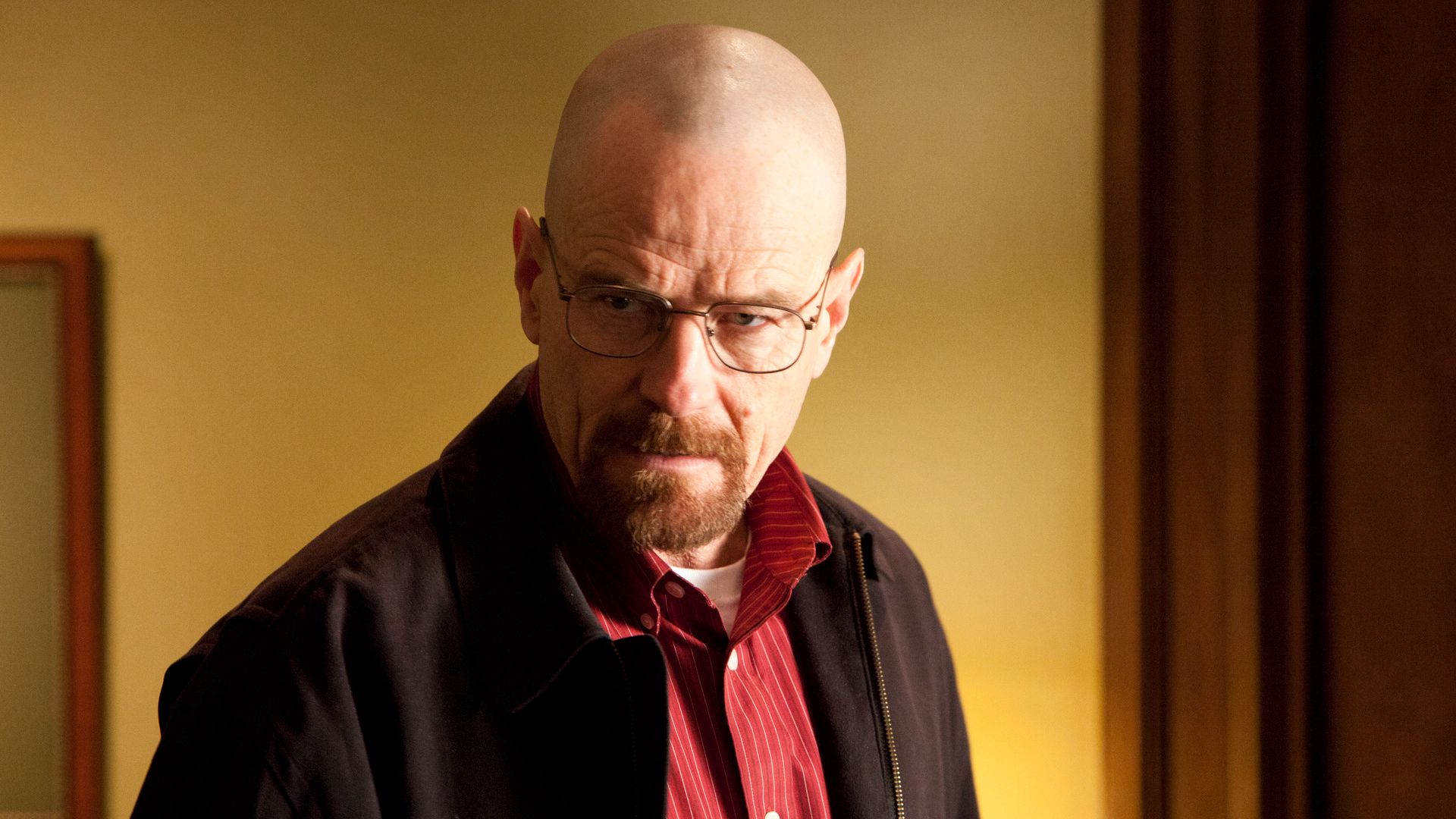
Breaking Bad (2008-2013)

Many people remember Bryan Cranston’s Walter White from Breaking Bad as becoming strong and even somewhat heroic, but that actually misses the point of the series.
Walter White wasn’t someone to admire or root for; he serves as a warning about the dangers of unchecked ambition. Right from the start, his decisions were motivated by his pride and self-importance, not just by difficult circumstances.
Throughout Breaking Bad, Walter White’s negative qualities increasingly dominated his actions, pushing him further from any sense of right and wrong. The series meticulously documented this change, illustrating how minor concessions can ultimately lead to devastating consequences.
Even so, a lot of Breaking Bad viewers found themselves supporting Walt’s climb to power, particularly when he cleverly defeated his rivals. But the show wasn’t really about someone becoming powerful – it was about how people tear themselves apart and the consequences of not facing who you are until it’s too late.
The Walking Dead (2010-2022)

Many viewers have seen The Walking Dead as just a series of zombie fights and survival challenges, leading them to call it repetitive. However, this view misses the show’s deeper themes and what it’s truly exploring.
In The Walking Dead, zombies were always around, but they weren’t the main problem. The show really focused on the struggles of people trying to survive after society fell apart and the conflicts that arose between them.
Throughout The Walking Dead, characters faced constant challenges to their leadership, trustworthiness, morals, and sense of community, often with tragic results. The intense pressure of their surroundings dramatically changed many of them, making them almost completely different people from who they were when the story began.
Although people discuss the show’s speed and how it’s made, it’s a mistake to think of it as simply a zombie story. The real focus isn’t the zombies themselves, but how people change and what they’re capable of when faced with extreme circumstances. It’s about the darkness within humanity, not just the monsters outside.
Game of Thrones (2011-2019)
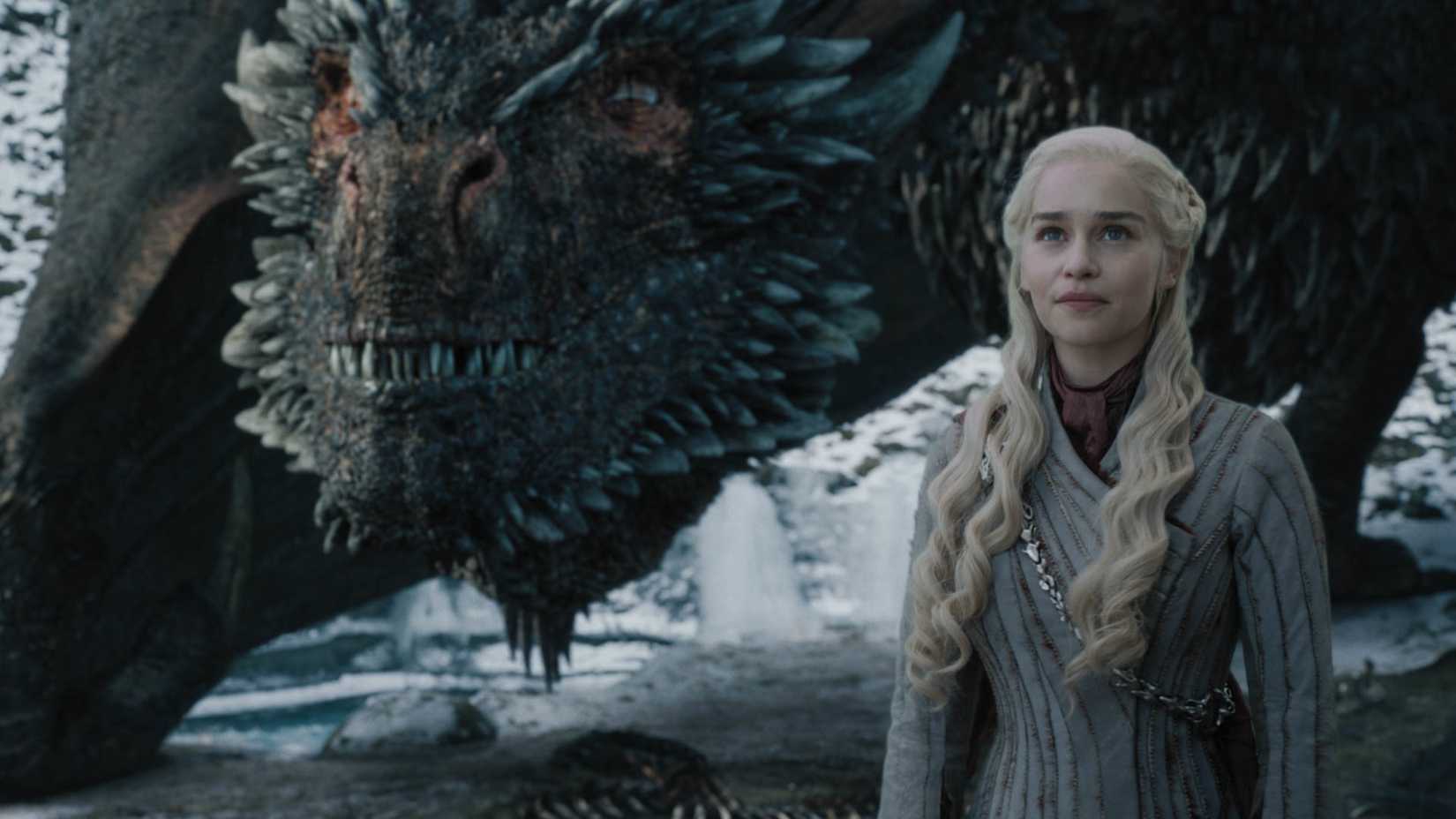
The ending of Game of Thrones is often criticized for being shockingly unexpected, but that criticism doesn’t really stand up to close examination. The main issue people have – Daenerys Targaryen’s shift in behavior – is frequently described as a sudden and out-of-character change.
The seeds of Daenerys’s later actions were sown throughout the earlier seasons of Game of Thrones. Her tendency towards brutal force, her conviction that she was destined for greatness, and her increasing distance from others were all evident long before the events of season 8 – from her escape from an unwanted marriage to her conquest of Westeros.
The problem wasn’t that the story didn’t build up to this moment, but how rushed it felt at the end. Because viewers had invested years in her journey as the Breaker of Chains, they were willing to ignore earlier hints that something might not be right.
Honestly, when the story finally revealed the consequences of the character’s flaws, it felt a little sudden and out of place, not like something I’d been expecting. While the ending did feel a bit hurried, it wasn’t like it came from nowhere – it actually made sense considering the path the story had been on all along.
How I Met Your Mother (2005-2014)
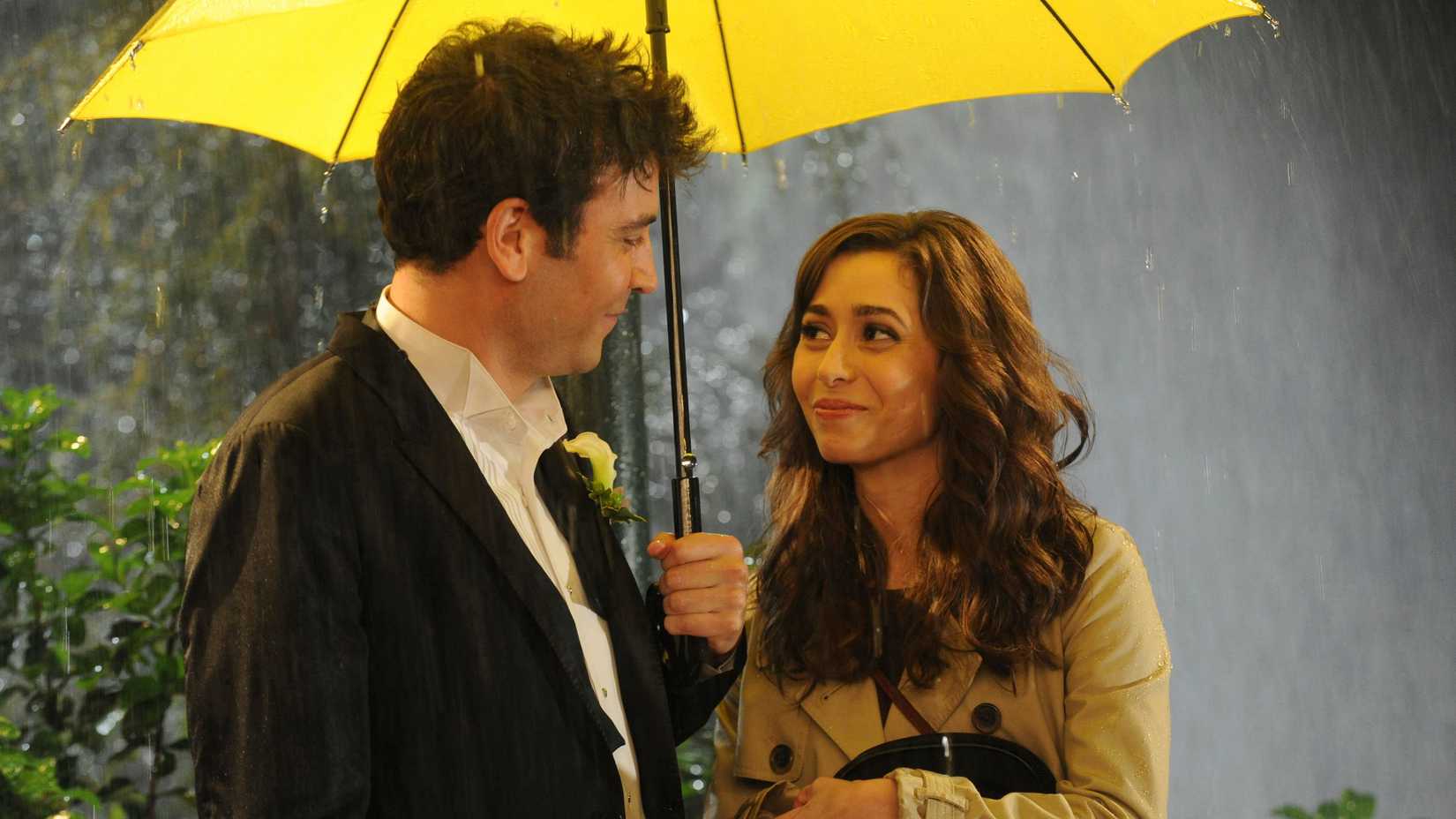
Though How I Met Your Mother seems like a romantic comedy about finding love, it’s a mistake to see it just as a fairy tale. The show is actually much more complex than that.
Viewers spent years watching Ted’s love life, anticipating a perfect, fairytale ending with his soulmate. But the show repeatedly challenged that expectation, realistically portraying how factors like timing, individual development, and life’s events can make relationships complicated and unexpected.
The ending was divisive, but it wasn’t unexpected. It highlighted the realistic idea that life rarely unfolds neatly. Relationships can be complicated, fleeting, and shaped by circumstances we can’t change.
Viewers were disappointed with the ending of How I Met Your Mother because they wanted a traditional, happy conclusion. However, the show had actually been subtly preparing audiences for a more realistic outcome since the very beginning.
Contrary to what many people thought, How I Met Your Mother wasn’t really about fate. It was more a story of personal growth and how evolving as a person can shape relationships and what love means over the years.
Black Mirror (2011-Present)
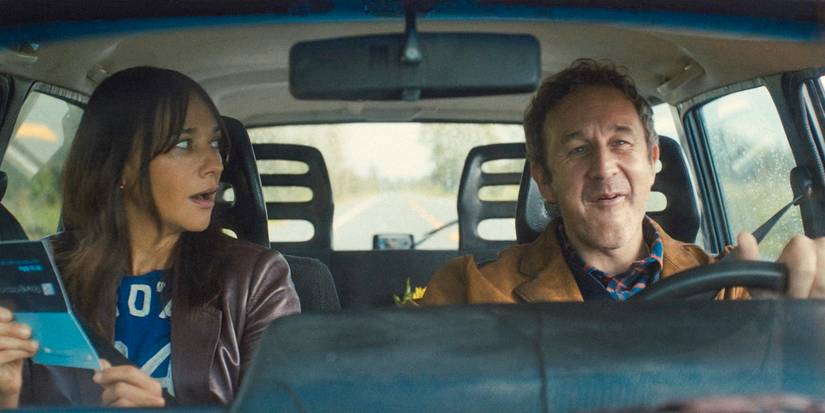
I’ve noticed a lot of people talk about Black Mirror as just a cautionary tale about tech gone wrong, but honestly, that feels like a huge oversimplification. The show is doing so much more than just warning us about the dangers of smartphones and social media; it’s digging into much deeper issues about what it means to be human.
Although many episodes of the popular Netflix series depict bleak or unsettling futures, the show doesn’t blame technology for these outcomes. Instead, Black Mirror explores how existing human weaknesses, motivations, and social patterns are made worse by new technologies – technology doesn’t create these problems, it just intensifies them.
Sometimes, Black Mirror actually creates moving or positive experiences, proving it’s not just a pessimistic show. The series isn’t against new technology itself; it explores how people use technology and what that says about human nature. When viewers see Black Mirror as simply anti-technology, they miss the complex and varied viewpoints the show presents.
The Sopranos (1999-2007)
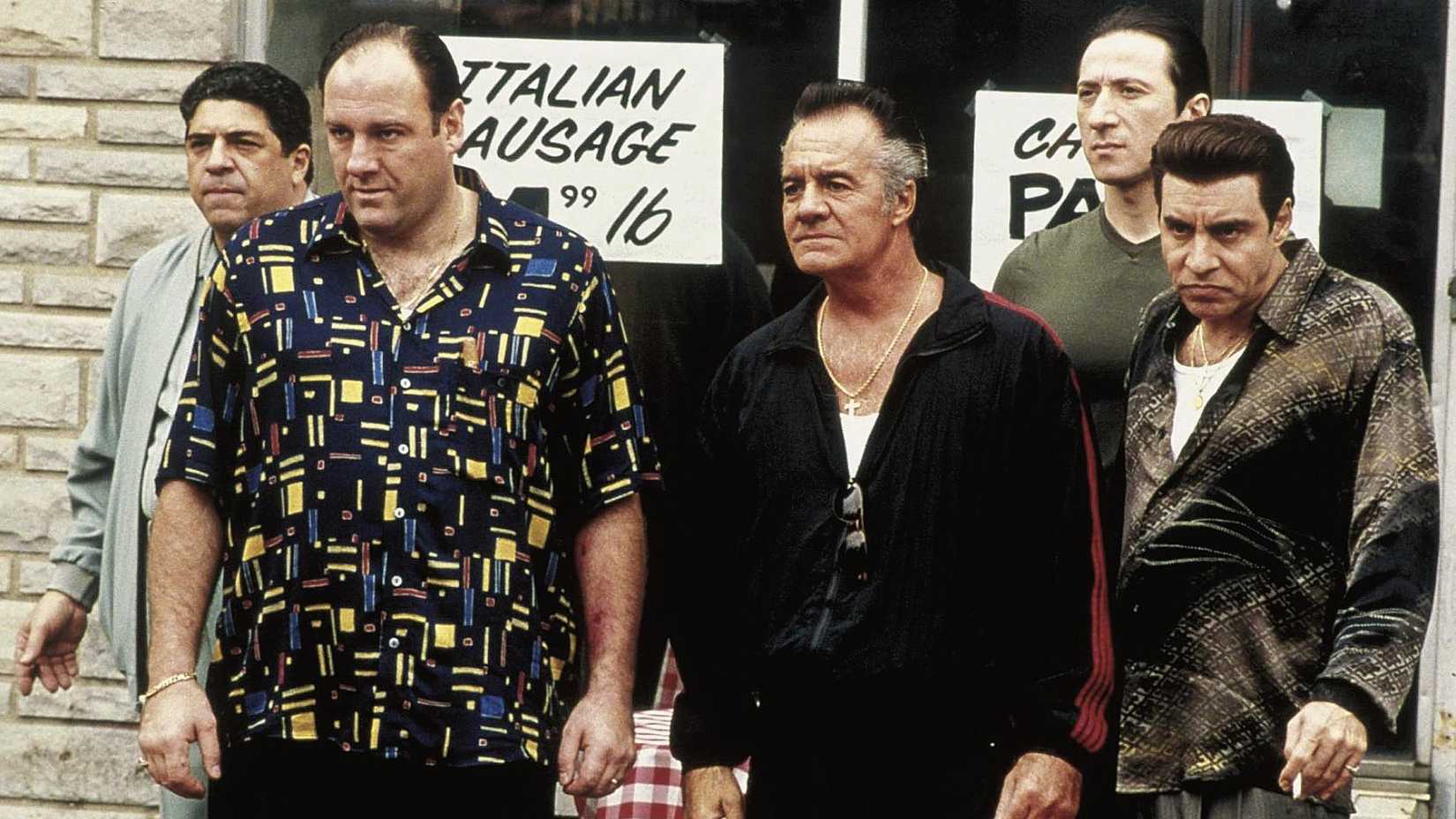
Many viewers remember The Sopranos for its glamorous depiction of the mafia, but that focus often overshadows the show’s true purpose. Although it showed a world of wealth and power, it never encouraged audiences to root for or like Tony Soprano.
James Gandolfini played Tony, a character far from perfect. He was a troubled man battling anxiety, depression, and guilt. The show didn’t glorify his life; instead, it highlighted the emotional toll it took on him.
Tony’s therapy sessions consistently highlighted his internal struggles, revealing the cracks beneath his tough exterior. However, many viewers were drawn to his apparent strength and charm, seeing him as someone to admire instead of a warning or a criminal. The Sopranos wasn’t glorifying Tony; it was carefully examining him and exposing the hollowness beneath his confident facade.
BoJack Horseman (2014-2020)
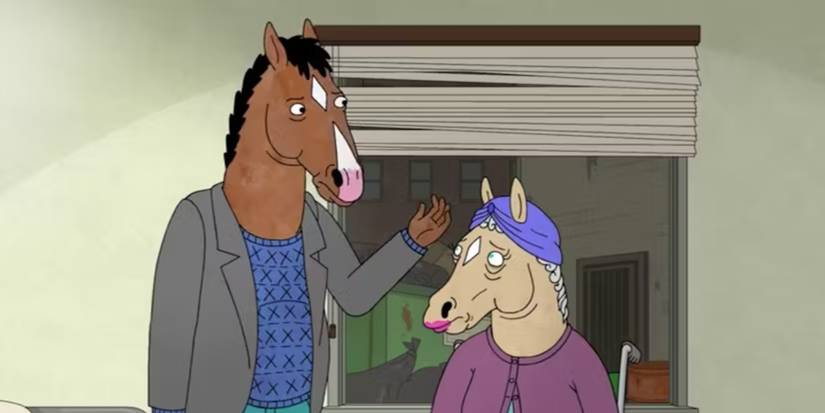
People often describe the Netflix show BoJack Horseman as simply a story about a flawed but relatable character, but that doesn’t quite capture what the show is really about. Similar to other characters in shows like this, BoJack wasn’t meant to be someone you cheered on – he was a character designed to make you think and question his actions.
Let’s be clear: this character wasn’t charmingly flawed. The show didn’t ask us to like his quirks; instead, it relentlessly showed the pain he inflicted on others. And it wasn’t a journey of redemption, either. He consistently doubled down on his worst impulses, and the results were often heartbreaking to watch. It was a bleak portrayal, and frankly, a difficult one to sit through.
The show was remarkable because it never excused BoJack’s behavior, even when he seemed fragile or understood his own flaws. It depicted his battles with addiction, celebrity, and self-sabotage with raw honesty, avoiding any temptation to glamorize his suffering.
Even so, many viewers of BoJack Horseman see him as a brilliant but misunderstood character, or even an antihero, and don’t fully acknowledge that the show holds him responsible for his actions. Ultimately, the show wasn’t trying to make us feel sorry for BoJack. It wanted us to face the consequences of harmful behavior and how hard it is to truly change.
Read More
- 10 Most Powerful Versions of Superman, Ranked
- Gold Rate Forecast
- GBP CNY PREDICTION
- 007 First Light: Release Date, Story, Gameplay, Cast, Editions, and Platforms
- Forza Horizon 6 Car List So Far: Confirmed Highlights, Cover Cars, DLC, and Rewards
- DOGE PREDICTION. DOGE cryptocurrency
- Superman’s 7 Best Power-Ups, Ranked
- Forza Horizon 6 PC Issues: Fix Crashes, Stuttering, Steam Errors, and Game Pass Problems
- EUR CNY PREDICTION
- Fishbowl Is a Charming and Heartfelt Indie You Won’t Want to Miss (Review)
2026-04-01 01:57