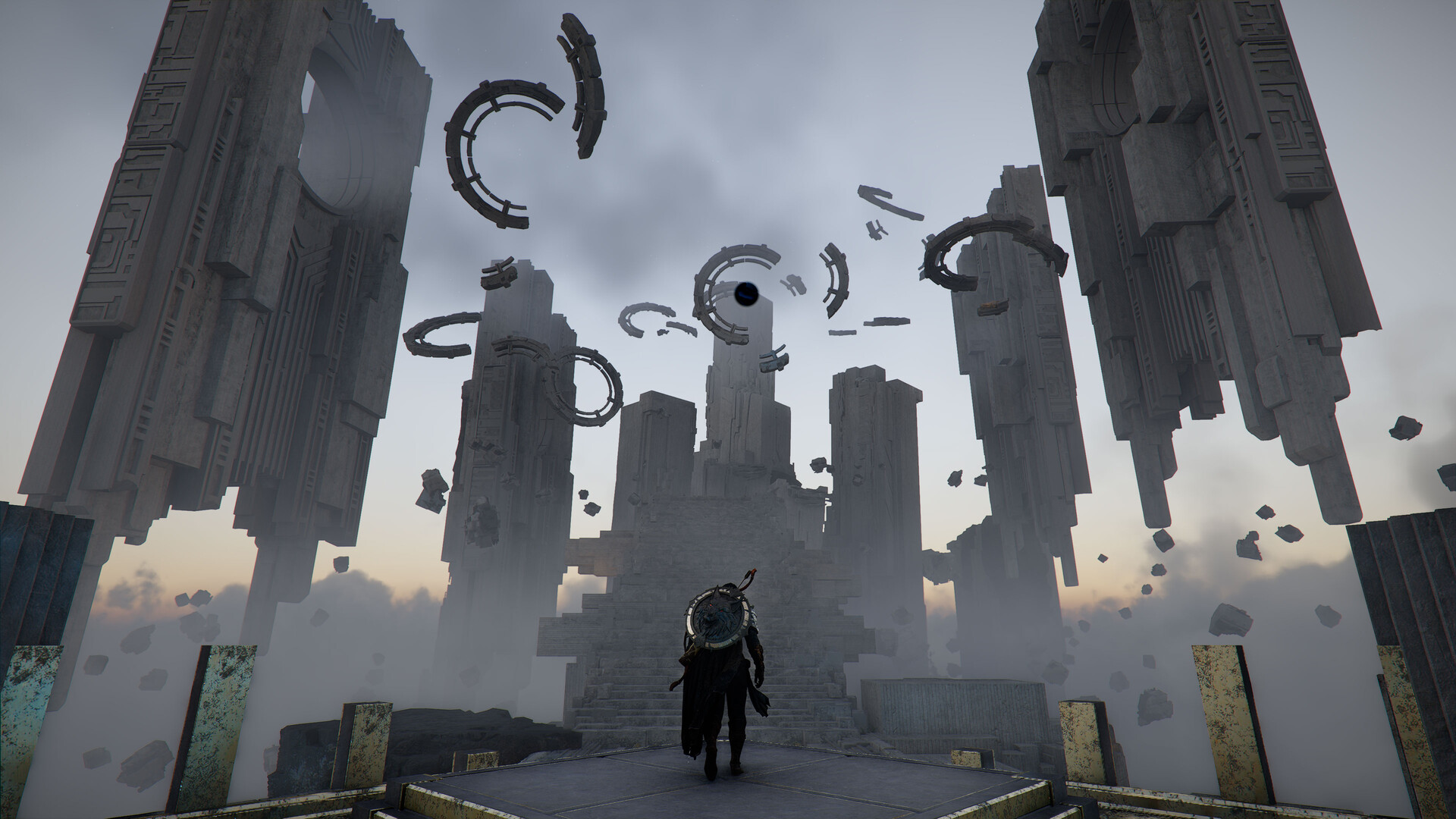
The world of Crimson Desert is vast and still expanding, and recent updates have made it easier for players to explore. However, discovering everything isn’t always simple. While challenging battles exist, the biggest difficulty comes from the Abyss, a mysterious area that hides its secrets well.
This older civilization, existing either before or alongside Pywel, clearly valued intense mental challenges. As a result, the game’s puzzles are incredibly complex, each introducing unique ideas and forcing players to quickly adapt – much like the skilled Greymanes. This is a welcome change from many open-world games that prioritize accessibility, but it can also be frustrating. The game deliberately avoids hand-holding, trusting players to solve problems on their own, which is a bold design choice.
Have we thought about whether players will have the patience for this? The Greymanes are known for being unpredictable, and we’re potentially just as impulsive by assisting them. Let’s explore how this game’s puzzles break from what players expect, and how that impacts their experience.
Trembling With Frustration
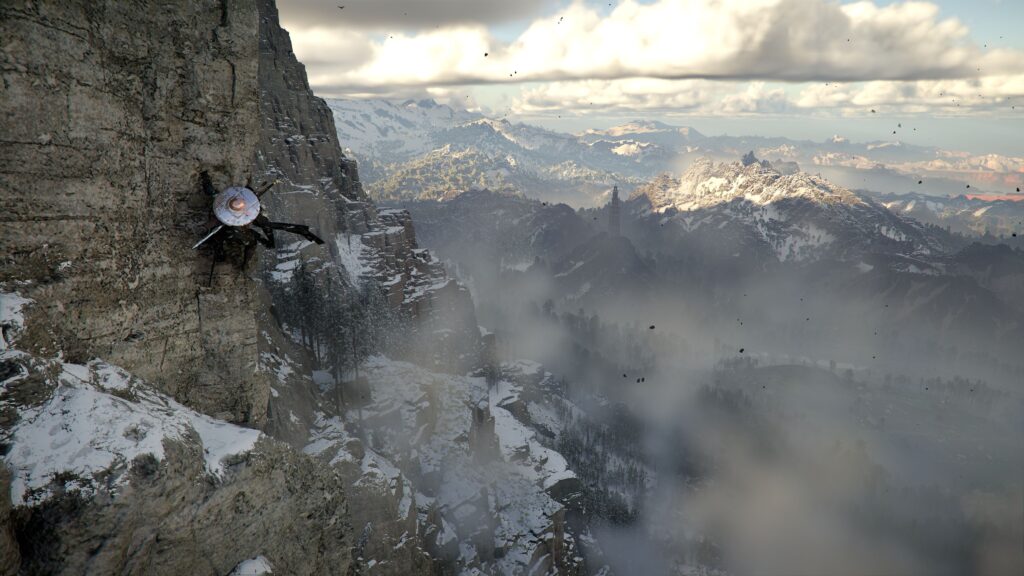
Let me share a moment from Crimson Desert where I was completely stumped, even though the answer was obvious. While exploring some old ruins in the Trembling Woods, we came across a puzzle with three spinning pillars that aligned parts of a wall painting. We quickly solved most of it, but the third pillar didn’t have a handle. We spent almost an hour searching everywhere for it, only to discover that we had to simply shine our lantern on the pillar to reveal that we needed to move it using our sword!
This is just one instance of the game providing everything you need to succeed, but firmly resisting the urge to help you figure things out, even when it knows you’ll eventually get there on your own. Does this make the experience more immersive? Absolutely. However, does it also add difficulty for players who don’t have a lot of time to spend experimenting? Sadly, yes. Many puzzles aren’t challenging because they require creative thinking, but because they force you to unlearn habits formed by years of playing other games. Let us elaborate.
Missing Pieces
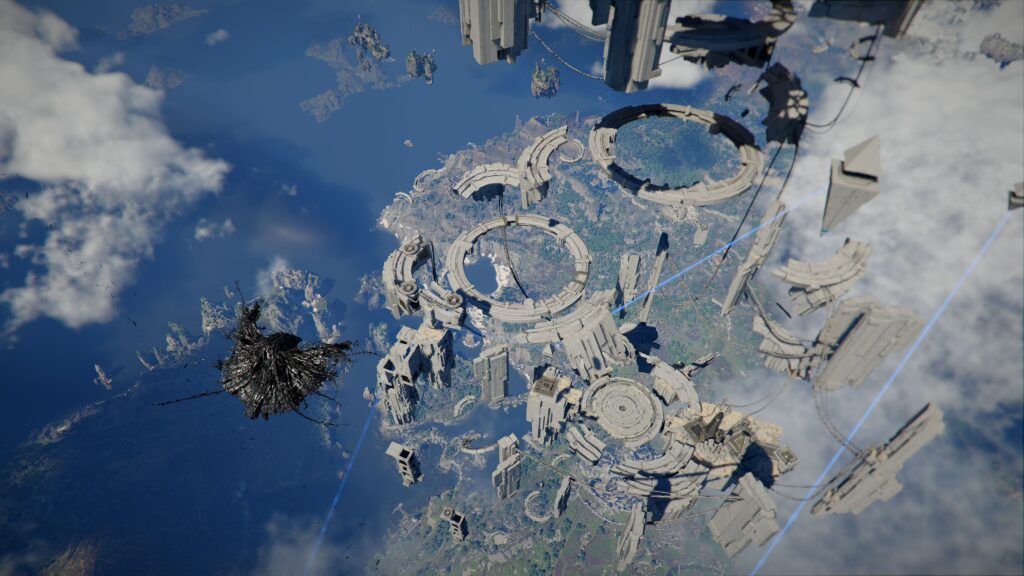
We ran into another funny situation where we were almost overwhelmed! We discovered a heavily guarded cult stronghold and, despite the odds, managed to defeat everyone inside. After clearing it out, we excitedly explored and found a strange artifact from the Abyss – it seemed designed to power something up. Getting it where it needed to go was a frustrating, slow process, and we later realized there was an easier way. We located the device the artifact was supposed to fit into, but couldn’t get it to stay put. We were kicking ourselves for forgetting about our Force Palm ability, which would have solved the problem instantly!
We realized we hadn’t even met the Witch we were supposed to be helping – she wouldn’t appear until later in the story. That section took about an hour to play, and while it was enjoyable, it ultimately didn’t move us forward. We initially thought we were on the right track in the woods, but this time we felt completely prepared, only to discover we were missing a significant part of the story.
Each new puzzle offered a surprising twist: it wasn’t just about solving it, but understanding the group who gave it to us. The game cleverly provided crucial hints earlier on, only to later reveal that we were the missing piece of the puzzle – and this time, that’s not a metaphor!
Demanding Attention
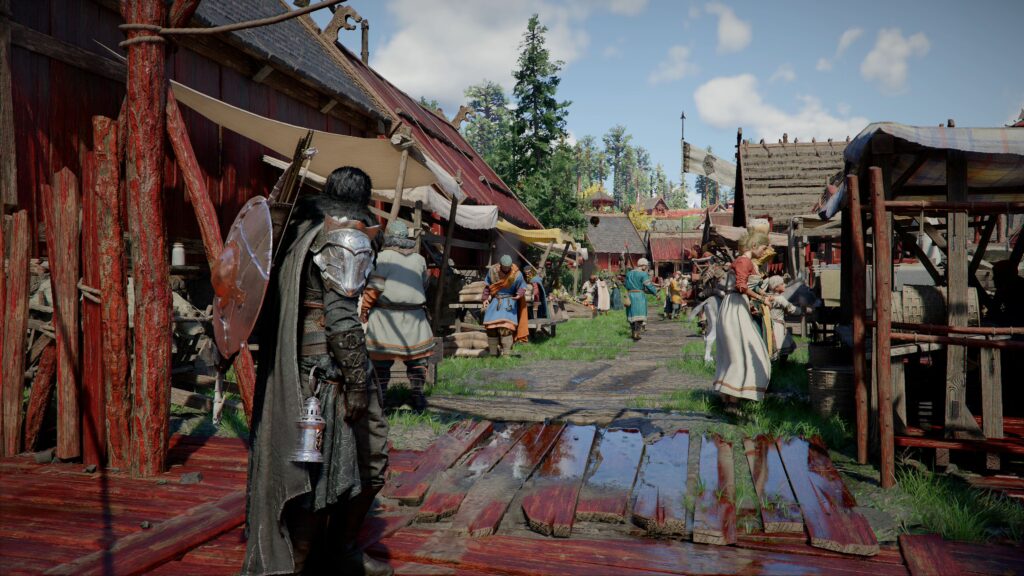
We then visited the Scholastone Institute, which instantly felt special – we even got our own uniforms! We happily played the roles of students and took on a quest to find a stolen book. Unfortunately, we wasted a lot of time because we missed an important part of a smaller task, and ended up unprepared when our teachers quizzed us on the lesson.
The mystery we were trying to solve quickly turned into a test of memory. In the previous part of the game, we questioned several suspects, but we were so distracted by the beautiful building we didn’t really listen to what they said! If you’re playing Crimson Desert, make sure you pay close attention – it’s important!
We were grateful for another opportunity from the institute’s team, and this challenge was a real surprise. Unlike the previous puzzles, it didn’t involve complicated machines or obvious goals. Instead, it required us to think in a completely new way. It’s even changed how we play Crimson Desert – we’ve been putting our phones away to focus!
Perhaps that was the point? Well, we’re diving into why that’s the case next.
Ambition Versus Accessibility

Yes, we were definitely annoyed when we realized how easily these puzzles tricked us – and there were many! But it was a welcome change from most open-world games where puzzles usually involve simply finding lost objects or solving very basic challenges. We appreciated the difference.
These puzzles are directly connected to the Abyss, and you’ll need items from it to become strong enough to face the game’s toughest challenges. This makes the puzzles feel exciting rather than frustrating. They’re not roadblocks, but opportunities to learn and master the game’s hidden systems, skills, and mechanics. Plus, they often give you helpful rewards like fast-travel locations and valuable items!
Honestly, this game really gets under your skin. It’s got big ideas and throws a ton of surprises at you, so even after I’ve moved on to a bunch of other stuff in Pywel, I still find myself thinking about it. It’s not just about combat; the world feels really deep and complex. But sometimes, that complexity can actually be a bit overwhelming, if I’m being real.
We enjoy a challenging puzzle as much as anyone. However, the game’s controls can be frustrating when trying to solve them. It’s often difficult to interact with key items, and the controls don’t always respond as expected, making solutions feel hidden and hard to reach. Many players have found that the awkward movement controls actually get in the way of puzzle-solving, which is a shame – people are eager to think, but end up feeling frustrated instead. That’s not a good experience, in our opinion.
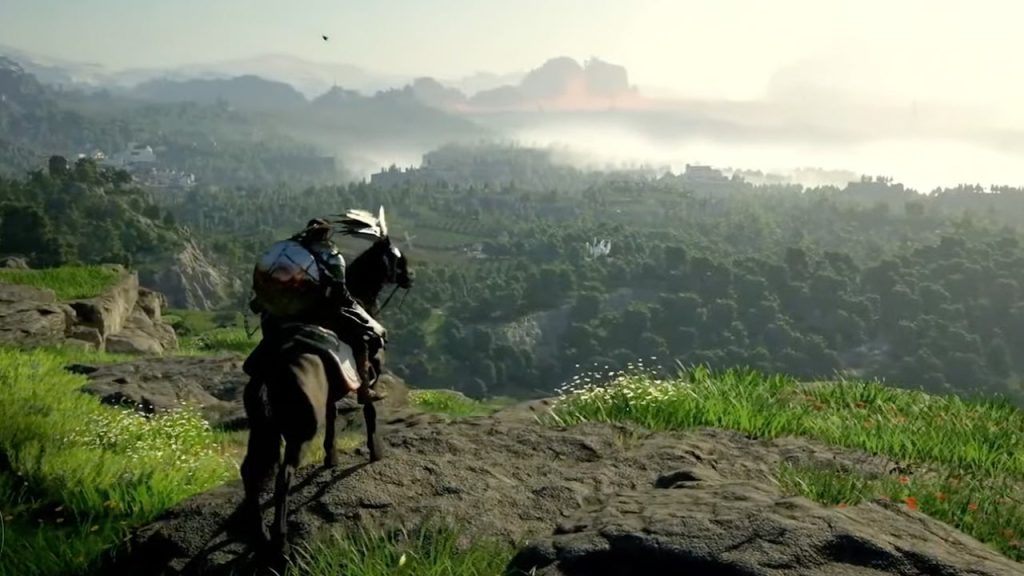
The game doesn’t offer much help with its puzzles, which can be frustrating. While figuring them out on your own is rewarding, you might spend a lot of time stuck, unsure if you’re missing something or if you need to temporarily switch to other parts of the game – like the main story or upgrading your base. You could even put the puzzle aside for a long time and never come back to it, as there are alternative ways to progress.
But has Crimson Desert managed to strike a balance that can be quite, er, puzzling, to achieve?
Trains Of Thought
The puzzles in Crimson Desert aren’t usually very difficult. We’ve been able to solve them ourselves, which proves they’re not overly complex. However, figuring them out does require patience and a keen eye for detail. You often need to realize that what seems like the obvious answer is actually a distraction, and the solution is simpler than it appears.
It’s really satisfying to finally brainstorm creative solutions, though the journey to get there can be incredibly frustrating – tempting you to just search for answers online. But is that necessarily a problem? We managed to figure out the incredibly complex Goldmask ending in Elden Ring on our first try by piecing things together. When you look at it that way, it’s clear that Crimson Desert isn’t afraid to do things differently.
Please be aware that the opinions shared in this article are solely those of the author and don’t reflect the official stance of GamingBolt.
Read More
- What Song Is In The New Supergirl Trailer (& What It Means For The DC Movie)
- One of Hulu’s Best New Shows Lands on Disney+ Ahead of Season 2
- Eurogamer Gives ARC Raiders 2/5 Over AI Voices, Dropping Metacritic Score from 94 to 84
- Gold Rate Forecast
- Netflix’s Run Away is the latest show to fail the Gen Z social media test
- Meet the Real-Life Inspiration For Sex and The City’s Mr. Big
- Jujutsu Kaisen Is Returning With a Special Release After Sequel’s Finale
- The Quantum Observer: How Reality Takes Shape
- I Had High(ish) Hopes For Five Nights At Freddy’s 2, But My Two Most Glaring Issues Make Me Wary About A Third Movie
- Ariana Grande and More Celebs React to Golden Globes 2026 Nominations
2026-04-02 16:46