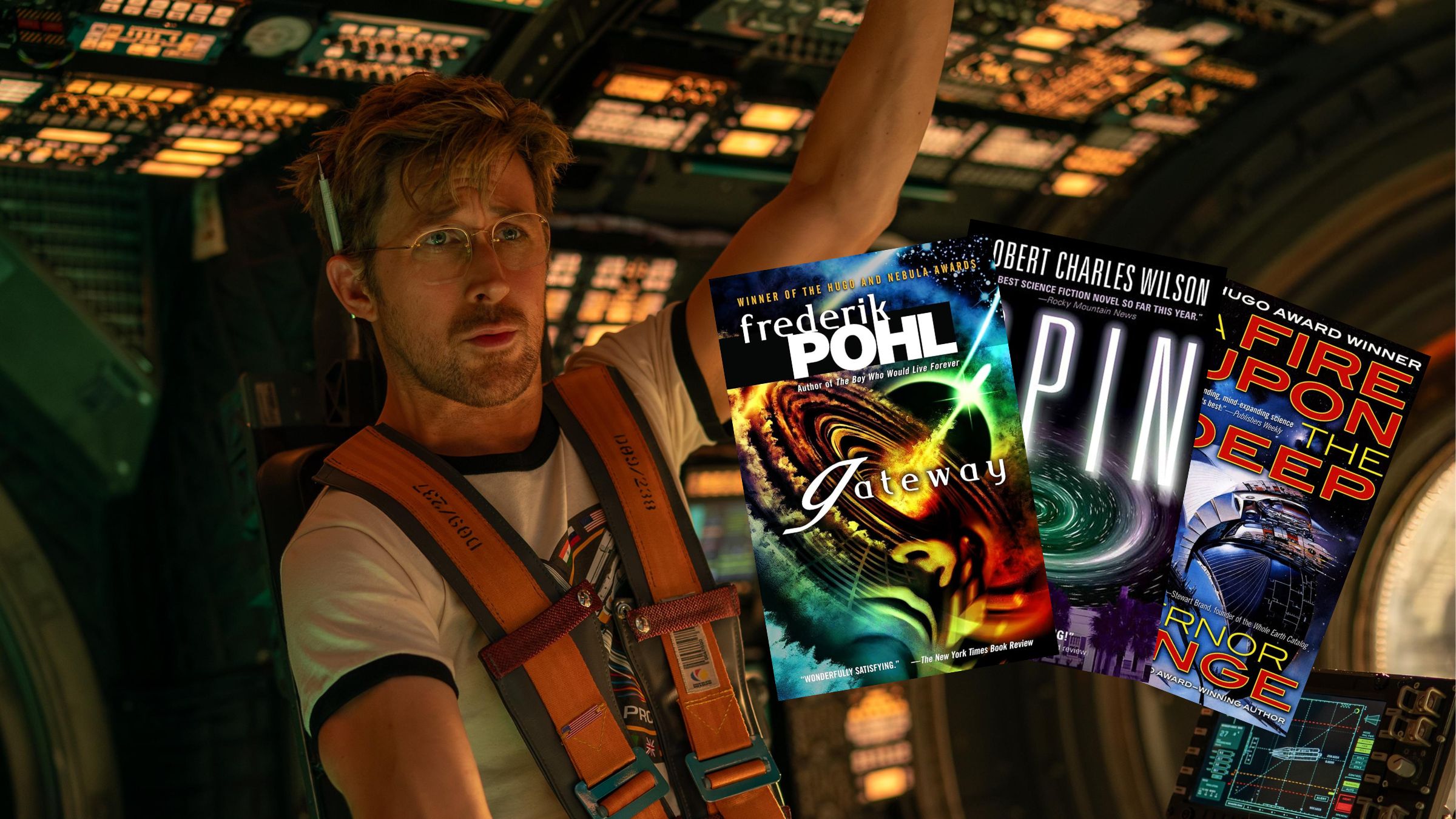
The movie adaptation of Andy Weir’s Project Hail Mary, directed by Phil Lord and Christopher Miller, had a very strong opening weekend, earning $80.6 million in the US – the best result for a non-sequel or franchise film in ten years, after Christopher Nolan’s Oppenheimer. After just two weeks, the film has made over $300 million worldwide, becoming Amazon MGM’s most successful movie ever. Critics have compared it to science fiction hits like Arrival, Interstellar, and Dune. Ryan Gosling’s performance as Dr. Ryland Grace has been widely praised, earning a 95% positive rating on Rotten Tomatoes. Reviewers highlighted his ability to carry the entire two-hour film with both humor and emotional depth. The movie’s box office numbers have exceeded expectations – it dropped less in its second weekend than Oppenheimer and Dune: Part Two – and it’s now predicted to potentially reach $600 million worldwide, almost certainly leading to a sequel.
After the massive success of the 2015 film adaptation of The Martian, Andy Weir released Project Hail Mary four years later. And honestly, it feels very familiar. Both books rely on the same winning formula: a lone scientist using their wits to survive in a truly impossible situation. That’s a formula that works incredibly well on screen – it’s really about the character, grounded in believable science. But what struck me is how many other sci-fi novels out there could deliver the same kind of thrilling experience. There’s a whole shelf of stories just waiting to be adapted, stories audiences would absolutely flock to see, given the chance.
5) Gateway
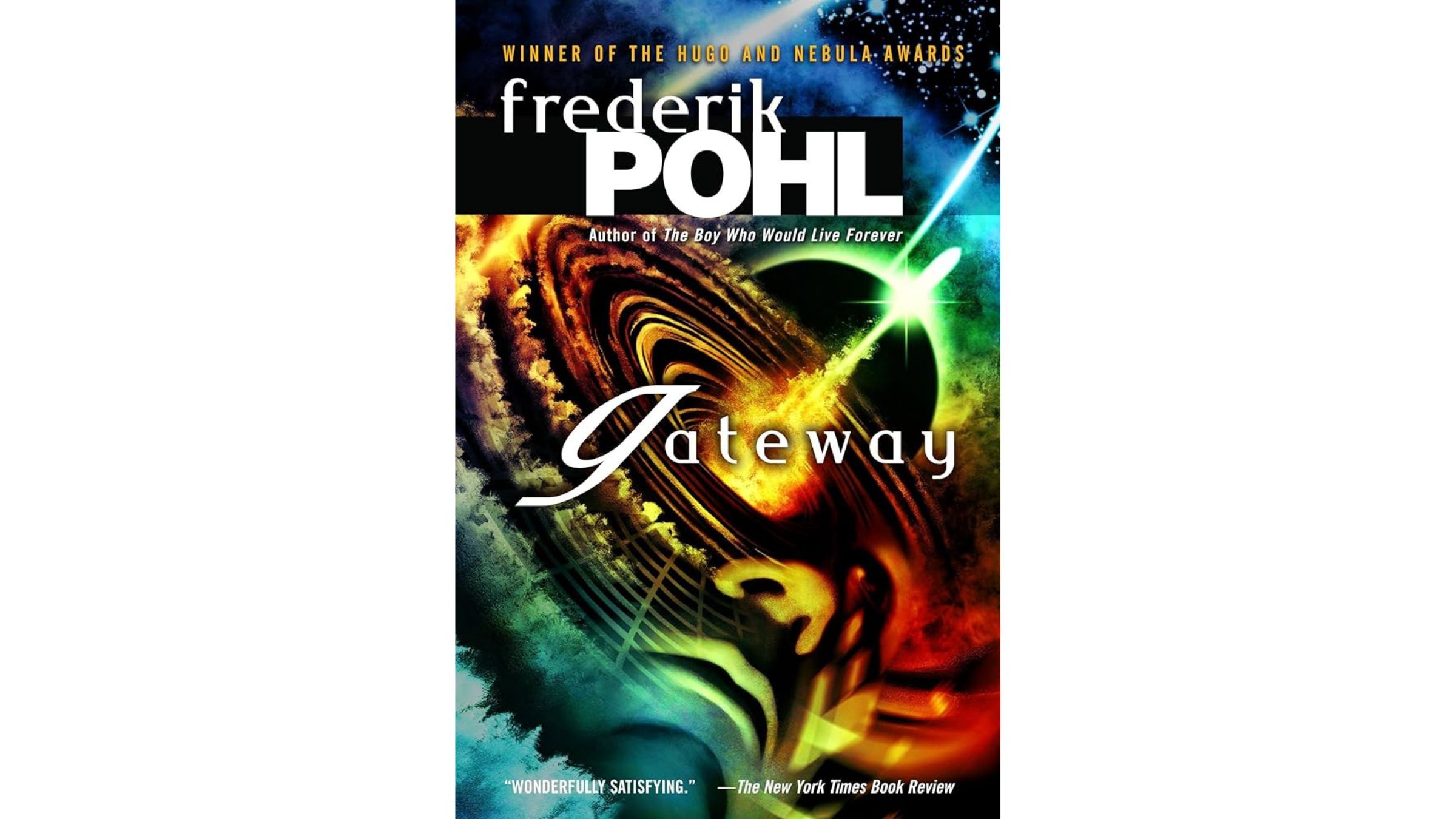
I first read Frederik Pohl’s Gateway back when it won all those awards in 1977 – the Hugo, Nebula, Locus, and Campbell – something no other sci-fi novel has ever done! The story centers around Robinette Broadhead, a guy who wins the lottery and ends up at this asteroid called Gateway. It’s filled with these incredible alien ships left by a long-gone race called the Heechee, but the problem is, nobody can figure out how to pilot them. People just launch, hoping for the best, with no idea where they’re going or if they’ll ever come back. What really hooked me about Gateway is how Pohl tells the story. He jumps between two time periods: Broadhead actually on Gateway, struggling with the fear of boarding another ship, and years later, him in therapy with this AI psychiatrist, Sigfrid von Shrink, trying to deal with everything that happened. The way those two timelines play off each other, and how slowly we learn what Broadhead is really trying to forget, creates this amazing psychological depth that I think a lot of sci-fi movies try to capture, but rarely get right.
4) Spin
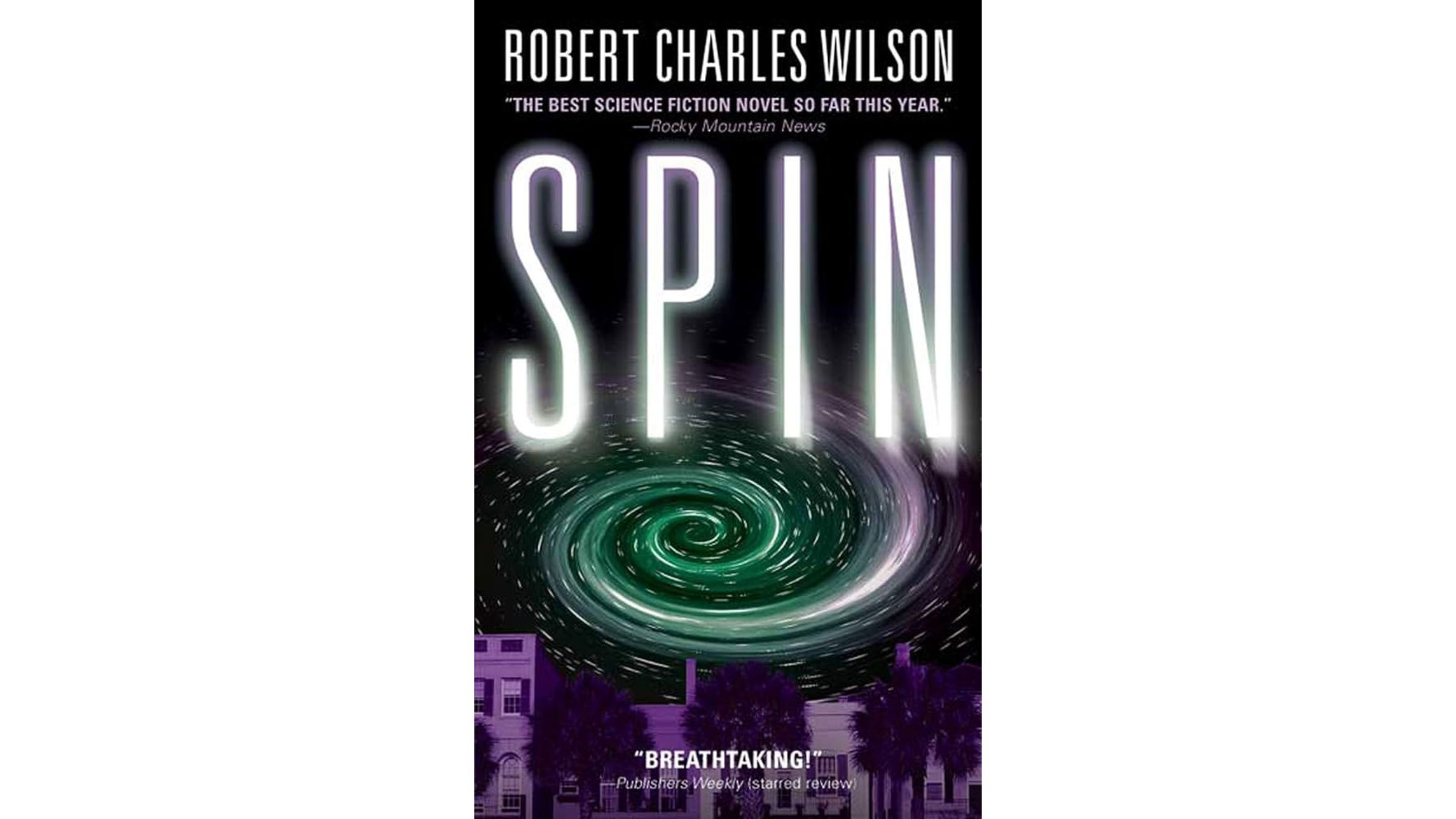
Robert Charles Wilson’s novel Spin, which won the Hugo Award in 2006, starts with a strikingly simple idea: one night, the stars vanish, and Earth is enveloped in a mysterious barrier. This barrier dramatically slows down time for those inside, meaning years pass in the rest of the universe for every day experienced on Earth. The story follows three lifelong friends as they grapple with this massive change, which completely upends society as they know it – from religion and government to science. This blend of grand, cosmic scale and deeply personal stories is what made Andy Weir’s Project Hail Mary so successful, and a good adaptation of Spin could deliver a similar exciting experience.
3) A Fire Upon the Deep
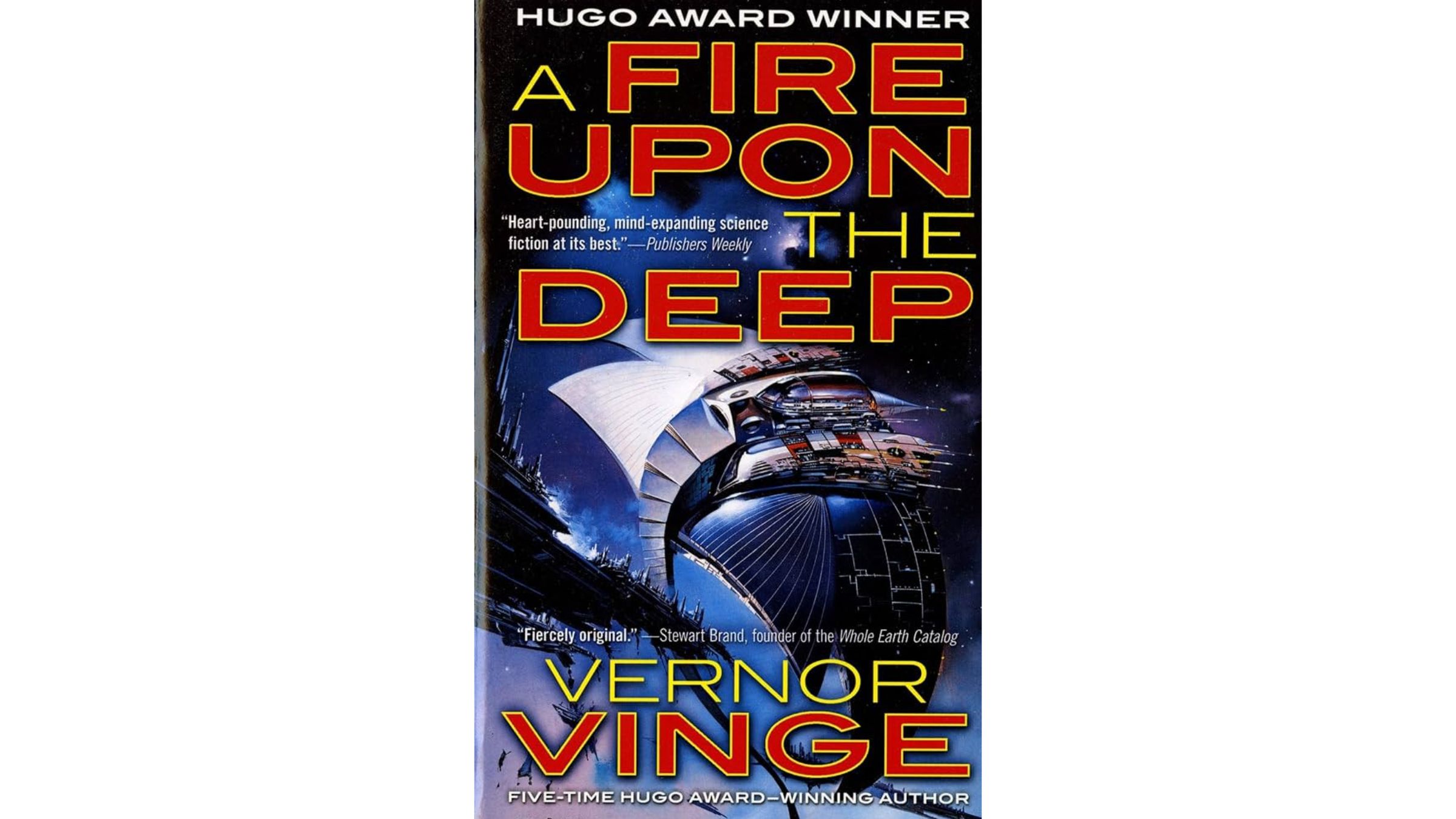
Vernor Vinge, who recently passed away in March 2024, was a celebrated science fiction author. He won a Hugo Award in 1993 for his novel A Fire Upon the Deep, sharing the honor with Connie Willis’s Doomsday Book. In the book, Vinge imagines a galaxy divided into regions based on how intelligent life can become. The innermost core, the Unthinking Depths, prevents thought altogether. The Slow Zone, where Earth is located, allows for normal intelligence. And the Beyond enables faster-than-light travel and incredibly advanced civilizations. The story begins when a human colony in the Beyond unintentionally unleashes a dangerous, ancient AI predator called the Blight, which starts destroying civilizations. The only hope for stopping it might lie with the Tines, a unique species living in the lower zones. The Tines form complete personalities by merging individual minds into a collective consciousness, and their society – where the loss of a member is deeply felt by the entire group – is rich enough to inspire a whole movie on its own.
2) Blindsight
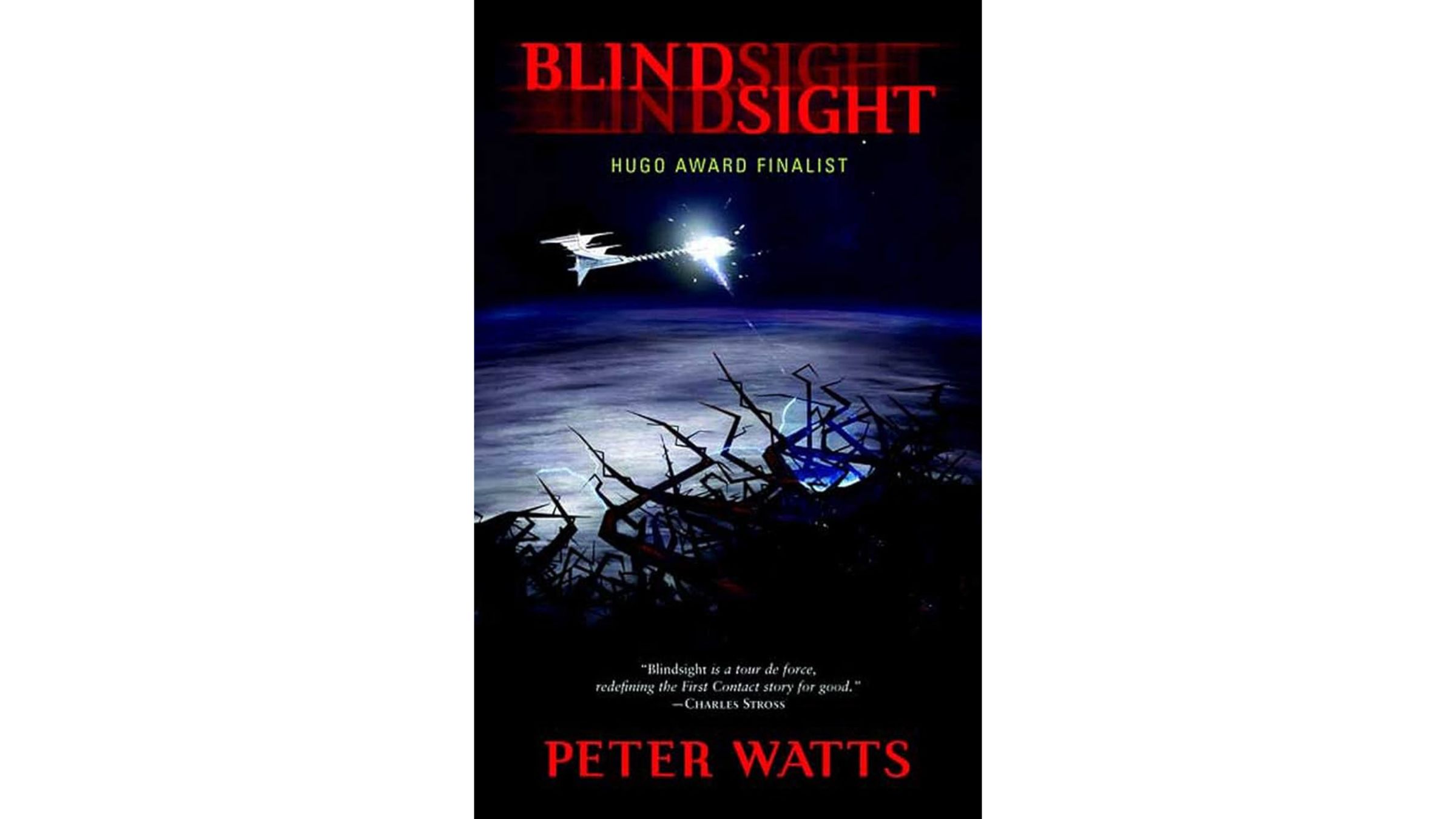
Peter Watts’ novel Blindsight is still considered one of the most thought-provoking first-contact stories ever written. The book begins with Earth being scanned by a wave of alien probes, prompting humanity to send the Theseus spacecraft to investigate. Its crew isn’t typical – they’re a team of highly specialized individuals, including a linguist with multiple personalities, a biologist with robotic limbs, a soldier directly connected to the ship’s systems, and a narrator who had half of his brain removed as a child. Their journey leads them to the outer reaches of the solar system, where they encounter something truly alien. Blindsight challenges the idea that consciousness is helpful, suggesting it might actually be a disadvantage for intelligent life. This idea feels particularly relevant now, in 2026, as artificial intelligence becomes increasingly sophisticated and researchers and policymakers grapple with its implications – a development Watts likely didn’t foresee when he wrote the book.
1) The Stars My Destination
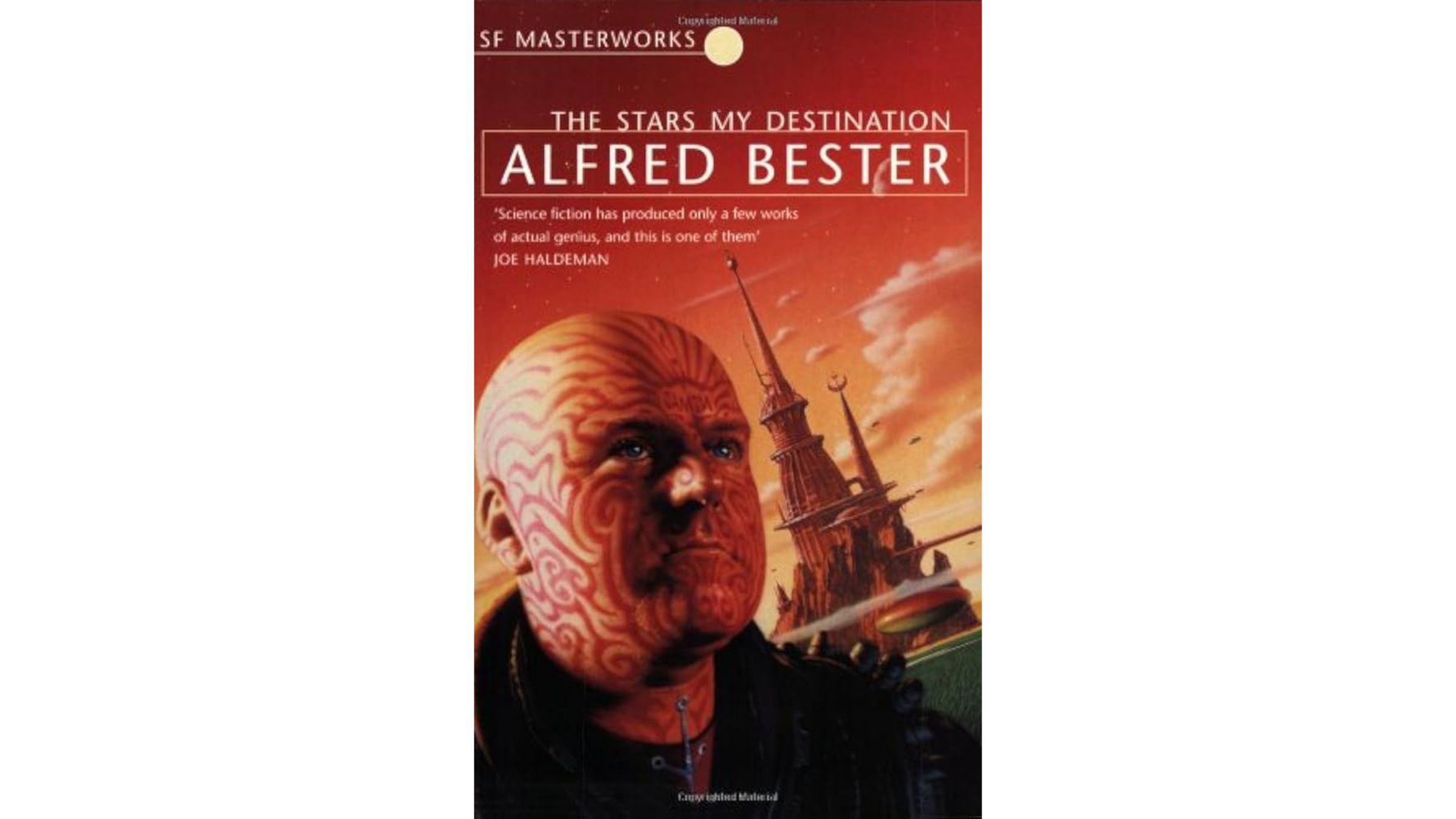
I just finished reading Alfred Bester’s The Stars My Destination, and wow, it’s easy to see why this 1956 novel has resonated with so many writers for generations – you can really feel its influence all over science fiction today. The story drops you into a future where people can teleport with just their minds, and follows Gully Foyle, a seemingly ordinary guy who becomes the sole survivor of a destroyed ship. Left to drift in space, he’s deliberately ignored by a passing vessel, and that single act of cruelty completely transforms him. What follows is a thrilling, terrifying tale of revenge as Foyle dedicates everything to finding that ship and getting payback. Bester clearly took inspiration from The Count of Monte Cristo, but he exploded that classic structure into this incredibly inventive future world. Despite all the cool technology, the core of the novel is surprisingly simple: a man considered worthless discovers that, when focused, that worthlessness can be a truly dangerous weapon.
What science fiction book would you love to see turned into a movie? Share your thoughts in the comments and join the discussion in the ComicBook Forum!
Read More
- GBP CNY PREDICTION
- 10 Most Powerful Versions of Superman, Ranked
- Gold Rate Forecast
- DOGE PREDICTION. DOGE cryptocurrency
- EUR CNY PREDICTION
- Superman’s 7 Best Power-Ups, Ranked
- 007 First Light: Release Date, Story, Gameplay, Cast, Editions, and Platforms
- Forza Horizon 6 Car List So Far: Confirmed Highlights, Cover Cars, DLC, and Rewards
- 10 Greatest Wii U Games of All Time, Ranked
- CNY RUB PREDICTION
2026-04-02 21:12