
Hollywood often promotes the idea that bigger is always better – a large budget, famous actors, and artistic flair are all presented as guarantees of a classic film. However, the truth is often different. Sometimes, a movie tries so hard to impress that it loses sight of what matters most: a well-told, engaging story. This can result in a film that feels overblown, confusing, or simply disappointing, leaving viewers puzzled about why it was even made.
What’s really interesting is that these flops aren’t just forgettable films. They’re the movies that really tried – the ones that aimed to revolutionize genres, create entirely new worlds, push the boundaries of filmmaking, or tackle adaptations everyone thought were impossible. But when you’re overly ambitious without keeping things grounded, it often leads to extravagance. Here are seven prime examples.
7) The Fountain
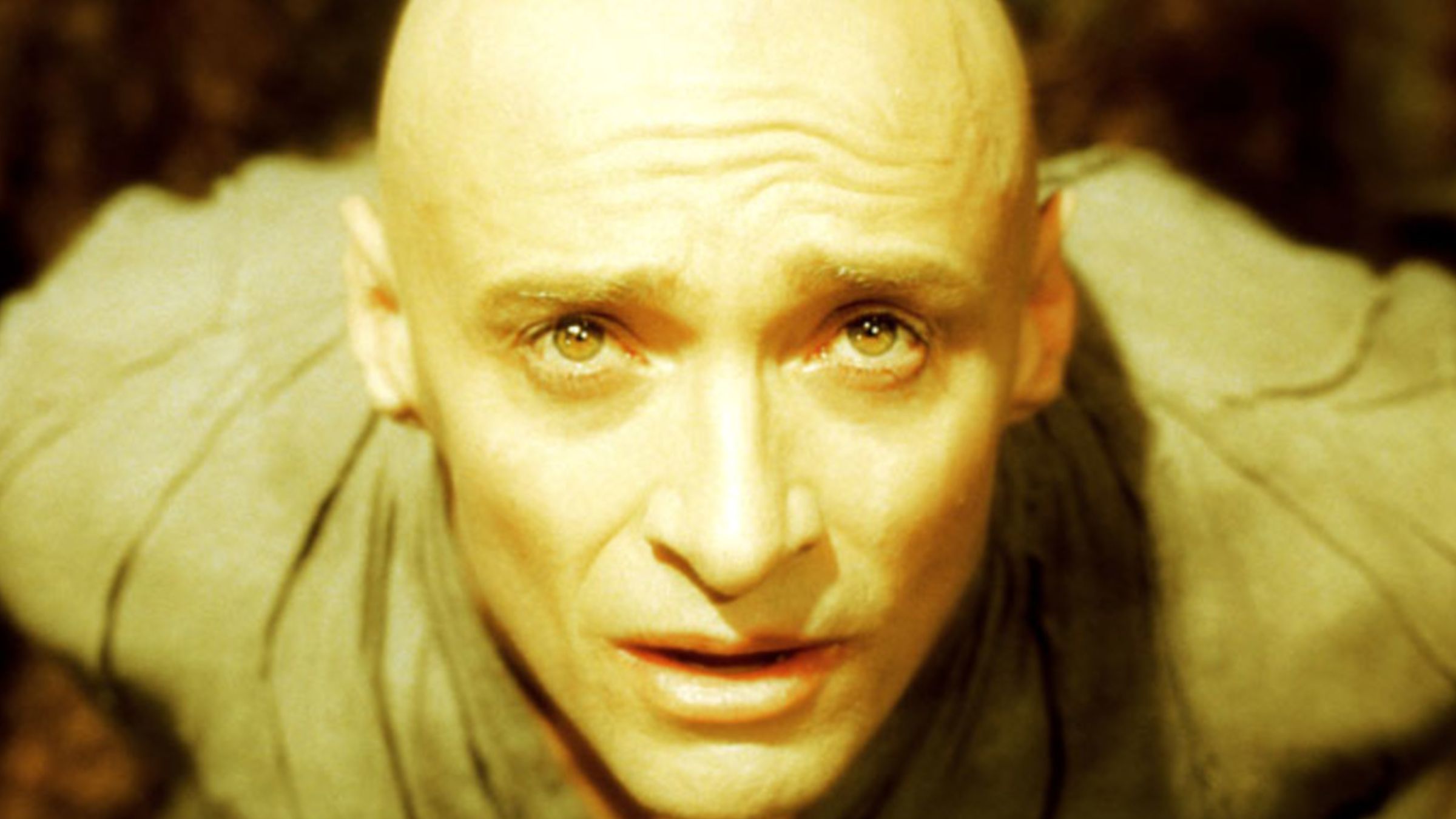
Prepare for a film that isn’t straightforward – and doesn’t want to be. The Fountain tackles big themes like love, loss, and what it means to be human, blending the grandeur of science fiction with deeply personal, emotional moments. It’s a bold move, and the story is complex: we follow Tomás Creo (Hugh Jackman) as he desperately tries to save his wife from a terminal illness, all while the film weaves between three distinct time periods – a historical Spanish explorer, a present-day scientist, and a futuristic space traveler. Ultimately, The Fountain is a powerfully moving experience that also encourages you to ponder life’s bigger questions.
I have to admit, The Fountain is a really complicated movie. And while I appreciate how much it tries to do, that ambition actually became its biggest problem, I think. It’s packed with symbolism and feels very focused on being ‘artistic,’ to the point where it’s hard to connect with emotionally unless you’re actively trying to figure everything out. Honestly, a lot of people I know felt like they were watching a puzzle that never got solved, instead of a story. It always felt like something huge was about to happen, but it just kept circling around its own ideas. I definitely respect what the filmmakers were going for, but it proves that being unique isn’t enough – a movie still needs to actually connect with you.
6) Beau Is Afraid

Few people are talking about Beau Is Afraid, and it’s easy to see why – the trailer suggests a very unusual, experimental film. And it is! It’s wildly ambitious, trying to be a dark comedy, a psychological horror, a story about guilt, a Freudian nightmare, and a long, epic exploration of life’s meaning all rolled into one. The film follows Beau (Joaquin Phoenix), a deeply anxious man attempting to return home after his mother dies. But instead of a straightforward journey, he finds himself caught in a never-ending series of bizarre and punishing events.
To truly appreciate this movie, you need to be completely invested. However, it eventually stops feeling like a compelling story and becomes exhausting to watch. You reach a point where you’ve lost track of what’s happening and are simply waiting for it to finish. While Beau Is Afraid has interesting concepts, some truly great moments, and a phenomenal performance by Joaquin Phoenix, the script feels unnecessarily long. It’s as if the movie is trying too hard to be clever, stretching out scenes that don’t really need to be there. It’s ambitious, but that ambition doesn’t necessarily make it enjoyable or something you’d recommend to others.
5) Babylon

The movie Babylon is a loud and enthusiastic love letter to the history of cinema, and it definitely makes that point clear. However, it gets so caught up in showing off the wild, excessive side of filmmaking that it loses sight of telling a focused story. The film follows actors, producers, and aspiring stars during the chaotic shift from silent films to talkies in the 1920s, where fortunes are made and lost. It has all the elements of a grand, tragic story about fame and indulgence – glamour, lavish parties, drugs, and over-the-top behavior – but feels more like a frantic ride than a carefully crafted narrative.
The movie is visually and energetically overwhelming, and feels intentionally over-the-top. However, this doesn’t always create genuine emotional connection. Babylon frequently tries too hard to shock and establish itself as a groundbreaking film, and that effort becomes apparent, causing viewers to lose interest. While intended as a celebration of movies, it ultimately comes across as self-indulgent.
4) Megalopolis
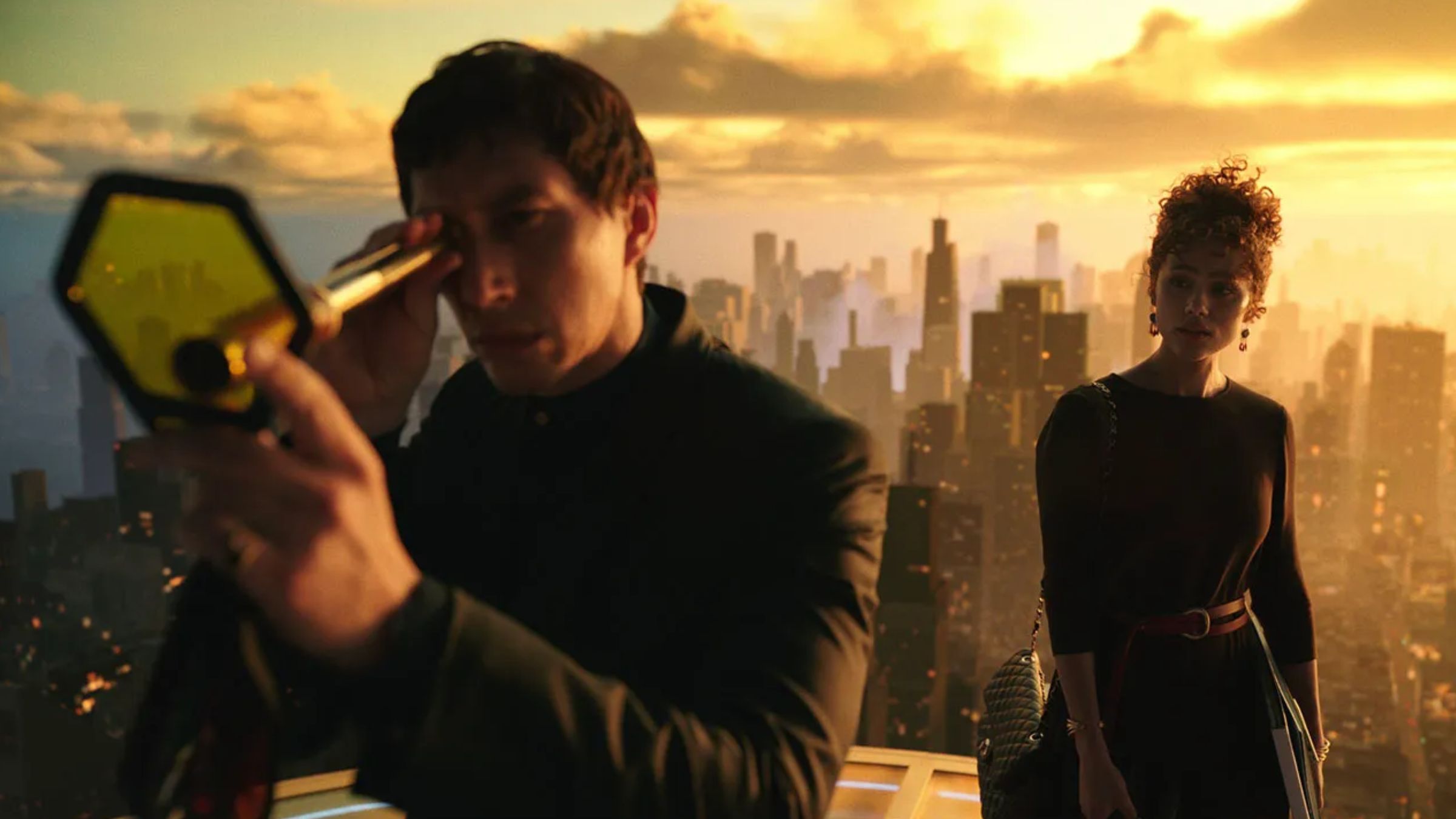
Despite being a hugely ambitious film, Megalopolis unfortunately didn’t succeed. It feels deeply personal – a project only a director with Francis Ford Coppola’s experience and determination could attempt, having spent years bringing it to life. The film centers on Cesar Catilina (Adam Driver), an architect with a dream to rebuild New York City as a futuristic utopia, but he faces opposition from those who benefit from the existing, flawed system. Ultimately, it’s a story about the pursuit of a perfect society, and the dangers of power and corruption.
However, the film ultimately falls short of its potential. It prioritizes appearing significant over being genuinely engaging, and feels less like a cohesive story and more like a series of impressive but disconnected speeches and scenes. This approach unfortunately disrupts the film’s flow. While still strangely captivating, Megalopolis seems to have aimed for the epic scale of a philosophical sci-fi Ben-Hur, but instead became a film that requires considerable patience from the viewer without offering much in return. It wasn’t a lack of ambition that caused the issues—the core problem is that the filmmakers never fully assessed whether this grand vision would translate into a successful movie, or if it only worked as a concept in Francis Ford Coppola’s mind.
3) Jupiter Ascending
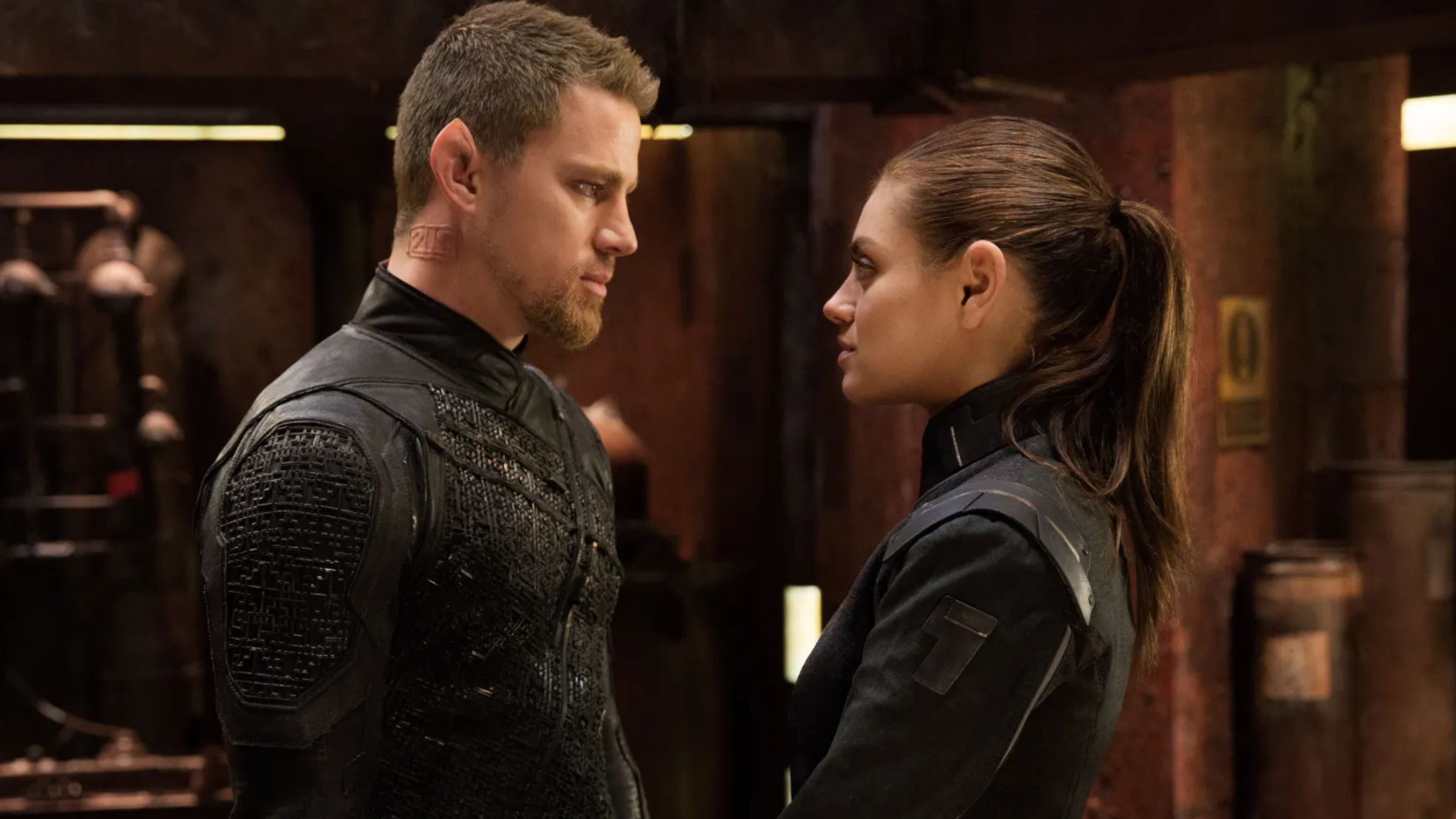
It’s clear that Jupiter Ascending aimed to create a completely new and expansive universe, complete with its own unique stories, style, and set of rules. The filmmakers were striving for a grand, epic science fiction story – a blend of fairytale and galactic politics – and wanted to deliver something truly unexpected. The plot is essentially a futuristic take on Cinderella, with Jupiter (Mila Kunis) discovering she’s destined for greatness and becoming a target for alien families who see planets as mere properties. However, a concept this ambitious needs a film that can actually fulfill its promise.
The film Jupiter Ascending prioritizes spectacle over substance. It throws a lot of information and twists at the audience, but fails to create a compelling narrative or characters you can connect with. While the visuals are stunning, the story feels thin and the movie struggles to find a consistent tone – aiming for grandiosity but sometimes feeling unintentionally silly. Although ambitious in scope, the film ultimately doesn’t make a convincing case for why viewers should care about this world.
2) Godzilla (1998)
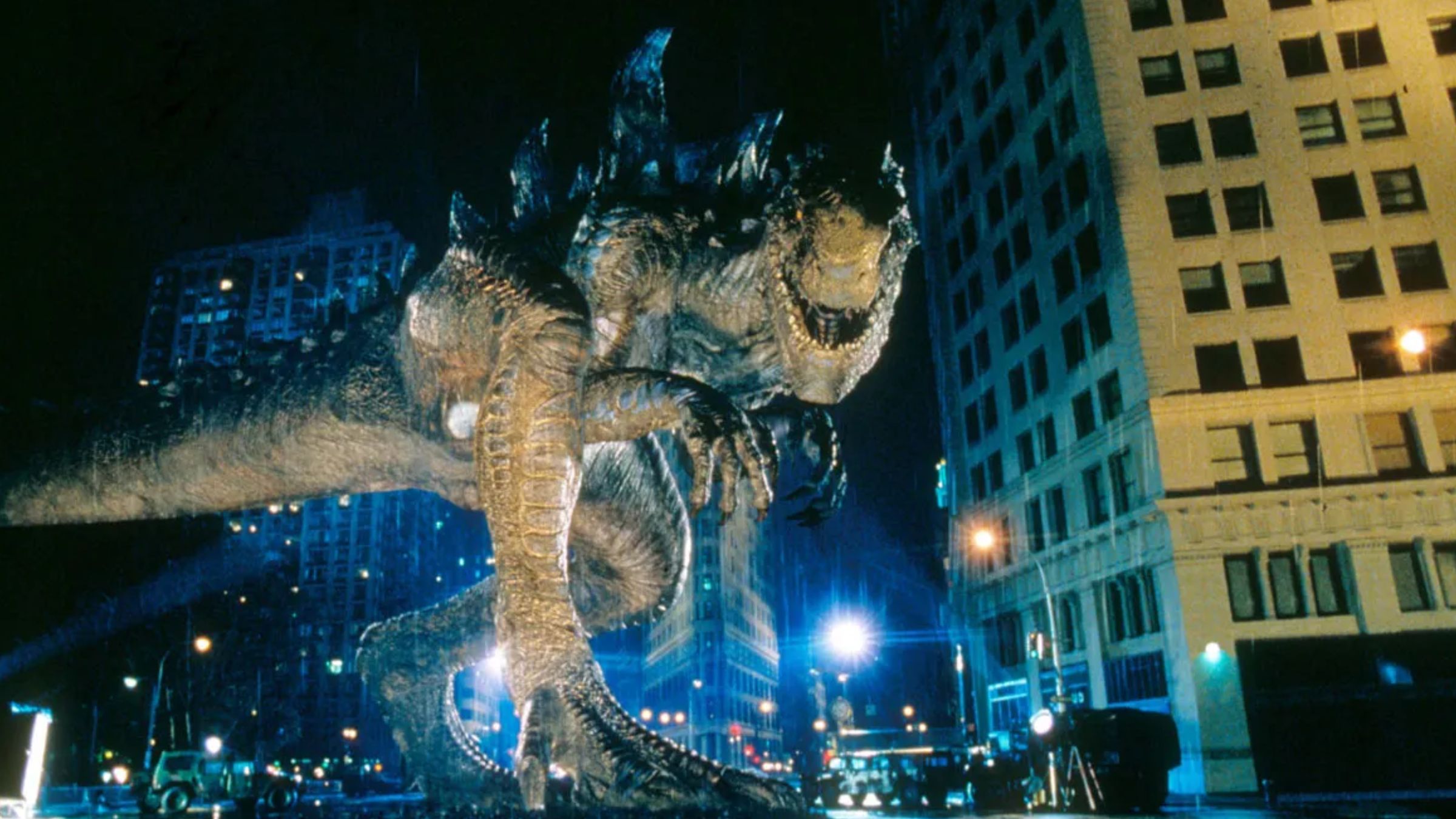
The Godzilla franchise has a huge fanbase, but the 1998 American remake felt like the studio just thought making things bigger would automatically make it better. The idea was simple: take the famous monster and turn it into a modern, action-packed blockbuster with lots of destruction and special effects. The movie follows scientists and the military as they try to stop a giant creature that attacks New York City, turning it into a chaotic war zone filled with chases, explosions, and panic. It seemed like a guaranteed hit, didn’t it?
The biggest problem with this Godzilla movie is that it misses the point of the character. Godzilla isn’t just a monster; he’s meant to be a powerful, terrifying symbol. But here, he’s simply a large dinosaur running around New York City, like something from a typical monster movie. This frustrated longtime fans and didn’t attract new ones either, as it also falls short as an exciting disaster film. The script awkwardly tries to mix action with silly humor, which cheapens the overall experience. While visually large, the movie feels empty and lacks substance. It attempted to modernize a classic character, but ultimately failed by changing him in the wrong ways.
1) Cats
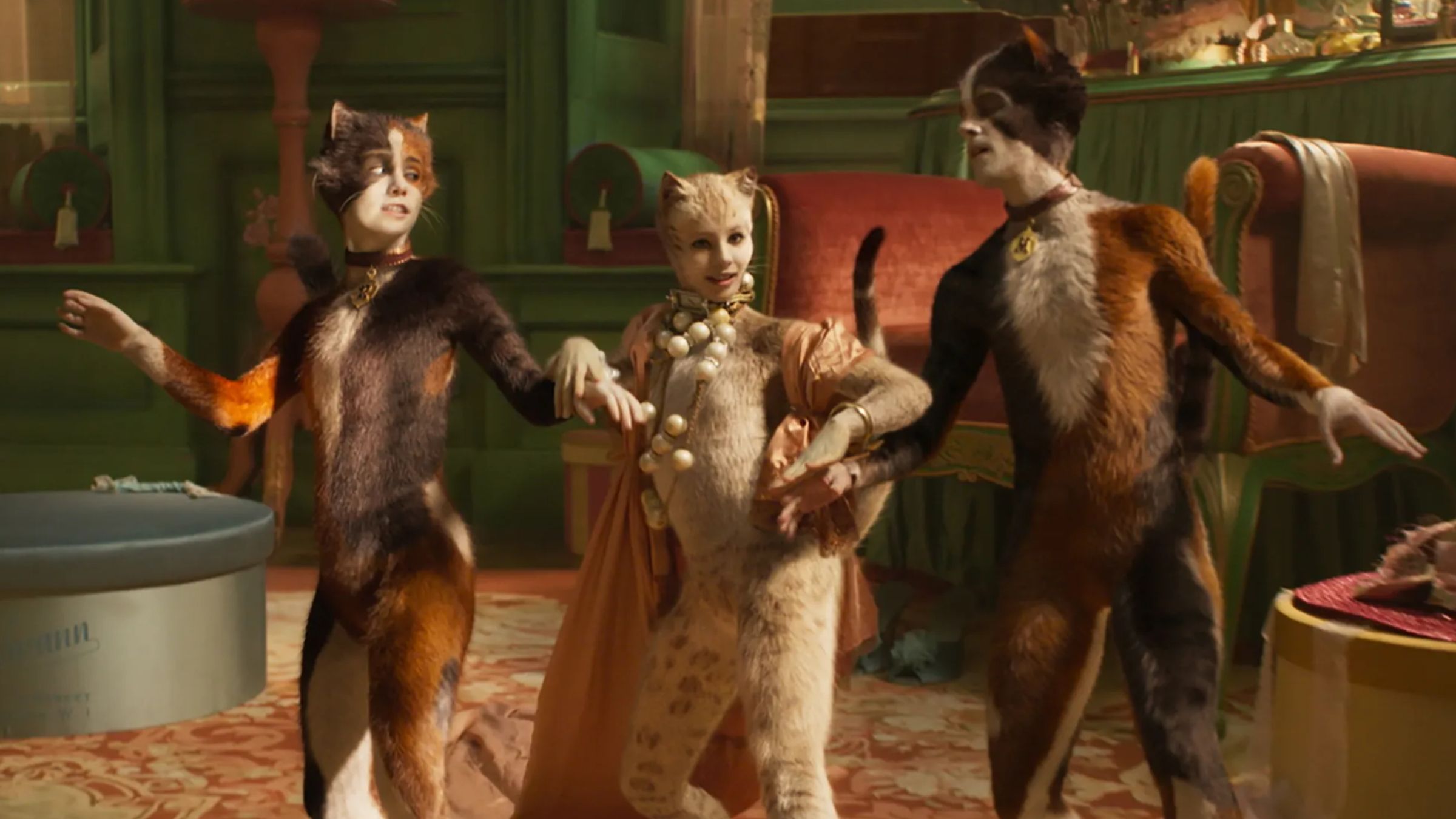
The musical Cats was a long-running Broadway hit, but its movie adaptation is a prime example of a project that shouldn’t have been made. Despite being ambitious – with a famous cast and a desire for prestige – no one seemed to ask if the story was strong enough for a film. The plot is incredibly thin, simply following a group of cats who sing, dance, and compete for a chance at a new life.
The movie feels less like a story and more like a series of musical numbers. However, the biggest problem is the incredibly realistic CGI used to create human-cat hybrids – it completely prevents the audience from connecting with the characters. The effect is unintentionally funny and deeply unsettling, so distracting that you can’t even enjoy the songs. Since the movie relies on its charm and fantastical elements, the visuals needed to be appealing, not creepy. This film is a prime example of how impressive technology can’t fix a flawed adaptation if the source material isn’t understood.
What are your thoughts on these films? Share your opinion in the comments and discuss them with other fans on the ComicBook Forum!
https://comicbook.com/movies/list/7-sci-fi-movies-that-should-never-have-bombed/embed/#
Read More
- What Song Is In The New Supergirl Trailer (& What It Means For The DC Movie)
- Dune 3 Gets the Huge Update Fans Have Been Waiting For
- Ariana Grande and More Celebs React to Golden Globes 2026 Nominations
- Homura Hime coming to Switch 2 in 2026
- After 13 Years, Someone Earned One of the Hardest Achievement Trophies in Gaming
- Avengers: Endgame’s Success is Still Impossible to Copy
- Marathon is Taking Aim at Bubble Shields, Knives, Snipers and More in Upcoming Balance Patches
- Spaceballs 2 Finally Gets the Major Update Fans Have Been Waiting For
- Eurogamer Gives ARC Raiders 2/5 Over AI Voices, Dropping Metacritic Score from 94 to 84
- Grab These Resident Evil PSN Avatars for Free This Month
2026-04-05 00:16