Animated shows are becoming increasingly popular and valuable worldwide, appealing to viewers of all ages. Major streaming services such as Netflix and Amazon Prime have invested heavily in animation, with Netflix reportedly committing close to $1 billion over three years.
With increasing globalization, the differences between anime and Western cartoons are becoming less noticeable. One effective way to attract new viewers to Japanese animation is to create anime that resemble Western cartoon styles. Many anime series over the years have successfully demonstrated this approach.
Panty & Stocking with Garterbelt Used Western Aesthetics to Do What Japanese TV Wouldn’t Allow
The creators of Panty & Stocking with Garterbelt were heavily inspired by the crude and chaotic humor of shows like South Park and Drawn Together, and intentionally tried to capture that same energy. While the show’s visual style – featuring bold black outlines, simple colors, and exaggerated animation – resembled cartoons like The Powerpuff Girls and Dexter’s Laboratory more than typical anime from Kyoto, this was a conscious choice by the team.
The success of Panty & Stocking with Garterbelt comes from its complete dedication to its unique vision, combined with surprisingly clever writing and constantly changing art. By adopting an animation style already familiar to Western audiences, Gainax cleverly bypassed the limitations of Japanese television broadcasting standards. This allowed the studio to be as wild and unpredictable as they pleased, resulting in a truly groundbreaking series, particularly for its time.
The Big O’s DNA Explains Why Western Audiences Recognized It Immediately
At first glance, The Big O seems like a typical Japanese robot anime. However, the studio behind it, Sunrise, had experience working on shows made for Western audiences, and that influence is clear. The main character, Roger Smith, is a lot like Batman: a wealthy, serious loner operating in a grim city, motivated by his strong moral code rather than any special powers. He even has a loyal butler and a deep commitment to justice.
The Big O shares a similar visual style, featuring Art Deco buildings and a dark color scheme of blacks, greys, and silver. Viewers in the West who discovered the show on Toonami in the early 2000s quickly became fans because it felt instantly recognizable. The series’ unique combination of classic noir detective stories and over-the-top action is a key reason why it has such a dedicated following worldwide.
Space Dandy Was Built for Two Audiences at Once and Delivered for Both
When Space Dandy first came out, it aired at the same time in both Japan and the United States – a really unusual move for its time. The show was specifically created to appeal to viewers in both countries. It had the feel of a classic 1980s cartoon, with a playful, non-linear story, crazy visuals, unpredictable physics, and a main character known for his big hair and self-assurance.
Watching Space Dandy felt unique because each episode had a different director with their own distinct style. It reminded me more of those Western animated collections – like something you’d see in the States – than most anime series. What really surprised me was how, underneath all the wacky, joke-filled adventures, there were these surprisingly thoughtful moments about the universe and life. That unexpected mix of silliness and depth, I think, is what made the show so special.
Astro Boy Established the Visual Grammar of Anime by Borrowing from the West First
Osamu Tezuka created Astro Boy by drawing inspiration from the classic animation styles of Disney and Fleischer Studios. The show’s iconic features – like the large, button eyes, rounded shapes, and lively movements – were directly influenced by characters like Mickey Mouse and Betty Boop. Tezuka combined these influences with his own unique artistic vision, resulting in something original that unintentionally became the standard visual style for almost all anime that followed.
Watching any version of Astro Boy, especially the 2003 series, shows how well it fits with classic mid-20th-century Western cartoons. Its focus on themes like technology, finding your place, and the meaning of humanity meant Astro Boy didn’t need to be changed for different audiences – its message was already universal and easily understood by animation fans around the world.
Doraemon Has Outlasted Dozens of Western Cartoons by Running on the Same Formula
Like shows such as The Fairly OddParents, Jimmy Neutron, and the original DuckTales, Doraemon follows a familiar pattern: someone faces a problem, a unique invention helps solve it, things get hilariously out of control, and a valuable lesson is learned. The character designs are straightforward and full of personality, prioritizing clear storytelling and appeal for all ages – a hallmark of great Western animation.
What’s truly amazing about Doraemon is that its straightforward appeal has kept the series popular for almost 50 years. It’s become well-known around the world, especially with viewers who simply enjoy a fun cartoon.
Tiger & Bunny Anticipated Influencer Culture a Decade Before the Rest of the Genre Caught Up
Tiger & Bunny is a funny superhero show about heroes who compete for popularity on TV. Released in 2026, its focus on ratings and competition feels surprisingly relevant today, especially for fans of anime like My Hero Academia. The character designs are more robust and realistic than many anime, the action feels like it’s straight out of a Hollywood movie, and the heroes’ costumes are plastered with real-world brand logos – it’s like watching a pitch for an American TV network!
Beyond its interesting concept, Tiger & Bunny truly stands out because of the surprisingly heartfelt connection between the experienced hero Kotetsu and his new partner, Barnaby. They start as complete opposites thrown together, but their relationship develops into something genuinely touching. This focus on characters, rather than just action, is similar to what makes great Western superhero stories work, making the exciting scenes feel meaningful and deserved, not just flashy.
Brand New Animal Uses Its Accessible Aesthetic to Smuggle in Ideas Darker Than Its Color Palette Suggests
Studio Trigger’s Netflix series, BNA: Brand New Animal, clearly draws inspiration from Western animation styles. It features simpler, more cartoonish character designs than most of Trigger’s other work. The world-building focuses heavily on allegorical themes, similar to Zootopia blended with the concepts of X-Men. And, like many American TV shows, BNA moves quickly from episode to episode, unlike most seasonal anime which build stories over a longer period.
I’ve been thinking a lot about how BNA really pulls you in, and it’s fascinating. It seems like the show uses a bright, welcoming style to actually lower your guard. Because it feels so familiar and safe, it creates space to tackle really tough topics – things like identity, prejudice built into systems, and how we take care of those who need the most help. It’s kind of brilliant, actually – that cheerful look isn’t just window dressing, it’s actually doing a lot of heavy lifting for the story!
Little Witch Academia Is the Safest First Anime Recommendation Due to Careful Engineering
Little Witch Academia feels the most like a traditional Western magic school story, with character designs similar to those seen on Cartoon Network and a welcoming, approachable tone that makes it easy for viewers new to anime to enjoy. The main character, Akko, is a fan who discovered magic through watching it on TV, and her journey reflects the experience of Western viewers who are drawn into the world of anime.
The show’s clever writing, combined with the incredibly smooth animation from Studio Trigger, made Little Witch Academia a huge hit around the world. It’s a series designed to be endlessly rewatchable and enjoyable for anyone, even years after its release.
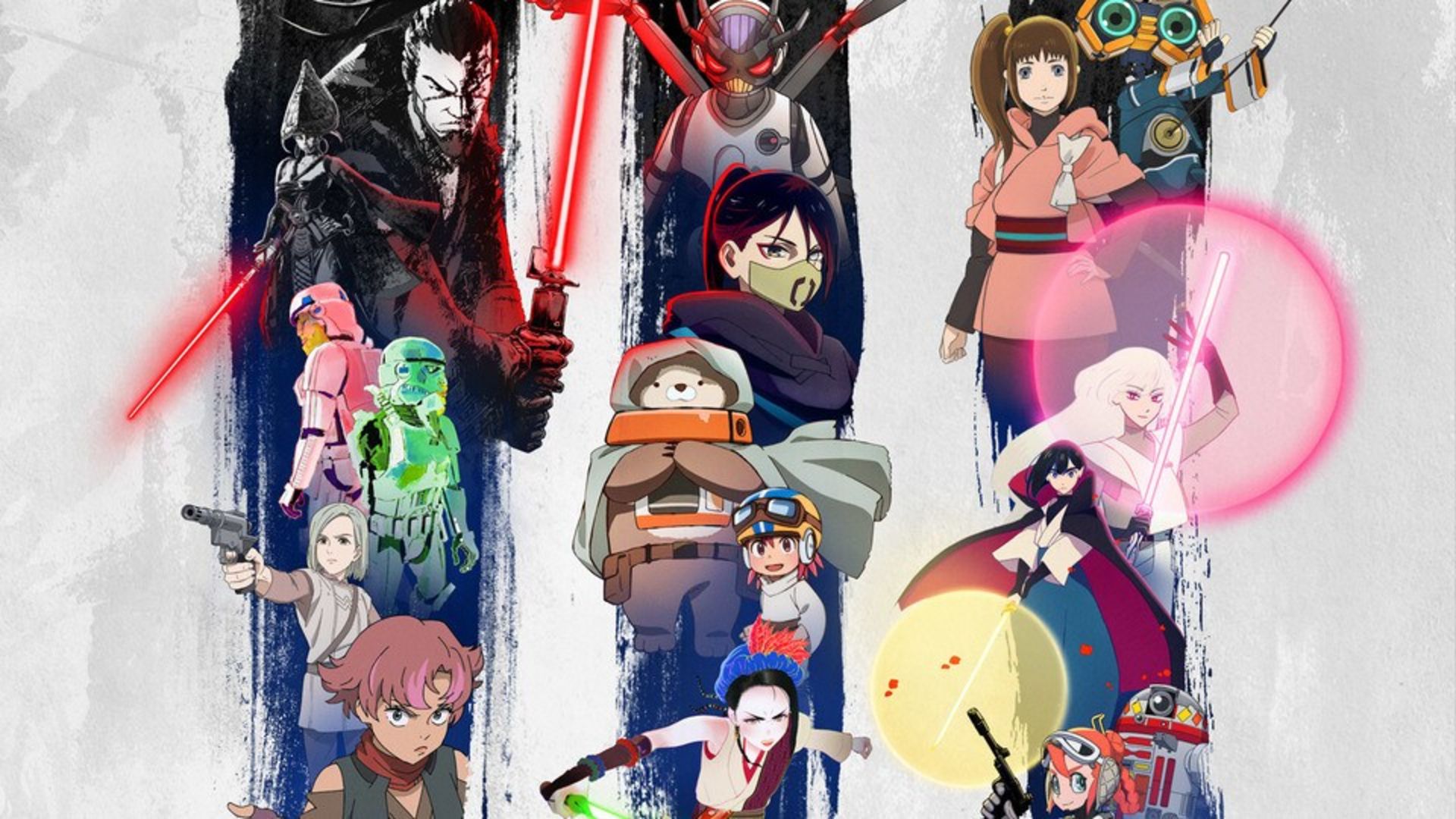
Star Wars Proves Cross-Cultural Animation Works Best Without a House Style
Unlike other projects that adapt Western franchises, Star Wars: Visions gave several Japanese studios complete creative control. The episodes vary widely, sometimes feeling like classic anime and other times resembling animation that could have come from either America or Japan – even within a single episode.
The best episodes, especially “The Duel” and “Lop and Ocho,” brilliantly combine the visual style of Star Wars with the feel of anime. By 2026, this collection had become a prime example of successful animated collaborations between cultures, showing what can happen when studios are given creative freedom instead of being forced to follow strict guidelines.
Cannon Busters Proved Western Creative Vision and Japanese Animation Pipeline Flows Both Ways
Cannon Busters, created from a 2005 American comic by LeSean Thomas and animated in Japan, is a prime example of a successful blend of anime and Western animation styles. Its character designs—bold, blocky, and full of expression—and energetic, on-the-go storyline clearly draw inspiration from both 1990s American action cartoons and the exciting adventure manga of Shonen Jump, creating a seamless and natural combination of the two.
Cannon Busters tries to blend the styles of shows like Trigun and Cowboy Bebop with the energy of classic Cartoon Network action series, and it generally succeeds. Importantly, the show itself demonstrates that this unique combination wouldn’t have been possible relying on any single, traditional animation approach.
Found an error? Send it so it can be corrected.
Read More
- What Song Is In The New Supergirl Trailer (& What It Means For The DC Movie)
- Highly Anticipated Strategy RPG Finally Sets Release Date (And It’s Soon)
- TV legend Carol Kirkwood reveals the reasons why she decided to retire after 28 years with BBC
- Dune 3 Gets the Huge Update Fans Have Been Waiting For
- Why is Tech Jacket gender-swapped in Invincible season 4 and who voices her?
- The Super Mario Galaxy Movie: 50 Easter Eggs, References & Major Cameos Explained
- Alan Ritchson’s Reacher Future Looks Hopeful Thanks To Amazon’s 10/10 Action Thriller Series
- Maul – Shadow Lord Order 66 Survivor Officially Introduces A New Alien Species To Star Wars Canon
- Sydney Sweeney’s The Housemaid 2 Sets Streaming Release Date
- Crimson Desert is a “Cynical Amalgamation of Borrowed Mechanics,” Says Larian’s Publishing Director
2026-04-05 03:48