Everyone has their issues, and the Disney villains are no different.
To truly stand out as Disney’s most memorable villain, a character needs a compelling backstory. Villains like Captain Hook and Ursula weren’t simply evil; their motivations – being pursued by a crocodile or seeking revenge – stemmed from deeper, often traumatic experiences that shaped their personalities and led to their villainous behavior.
A recent YouTube video from Cinema Therapy features a licensed therapist, Jonathan Decker, and filmmaker Alan Seawright exploring why Disney’s classic villains behave the way they do. They begin by making it clear that being a villain isn’t linked to mental illness; these characters choose their paths, and their actions are a result of those choices, not any underlying mental health condition.
Decker and Seawright begin by analyzing Captain Hook from Disney’s Peter Pan. While known for relentlessly pursuing Peter Pan and the Lost Boys, they focus on a scene revealing Hook’s greatest fear: the crocodile. This scene shows the crocodile approaching Hook’s ship, acting in a disturbingly needy and desperate manner. The crocodile’s obsession with Hook stems from the fact that Peter Pan cut off Hook’s hand and fed it to the creature.
When Hook saw the crocodile, he panicked, yelling and leaping into Smee’s arms. Smee managed to scare the crocodile away, but not before Hook, visibly terrified, hid behind a chair and trembled. Decker pointed out that Hook was experiencing post-traumatic stress due to nearly dying. He added, “It’s obvious why that would be so upsetting.”
The conversation then turns to the Evil Queen in Snow White and explores how she might have struggled with body dysmorphia. According to analyst Decker, the Queen’s iconic question – “Magic mirror on the wall, who is the fairest one of all?” – reveals her desperate need for reassurance about her appearance. He clarifies that this disorder isn’t simply about vanity; it involves a strong belief that one has a significant flaw in how they look.
Seawright thought the queen seemed narcissistic, but Decker believed she actually suffered from body dysmorphia. The queen is deeply preoccupied with her appearance and being considered the most beautiful in the land. She sees Snow White as a threat because being known as the ‘fairest’ is so important to her, and this constant comparison is what fuels her disorder.
| Captain Hook | Post-Traumatic Stress Disorder |
| Evil Queen | Body Dysmorphic Disorder |
| Jafar | Narcissistic Personality Disorder |
| Ursula | The Little Mermaid |
Next on the list is Jafar from Aladdin, who psychologist Decker believes has narcissistic personality disorder. Jafar’s main weakness is his overwhelming desire for power, leading him to want to become an all-powerful genie. According to Decker, “He thinks he’s exceptional and has an inflated sense of self-importance.” Jafar is so convinced of his own greatness that he doesn’t consider the limitations that come with being a genie – specifically, that he would be controlled by whoever holds his lamp.
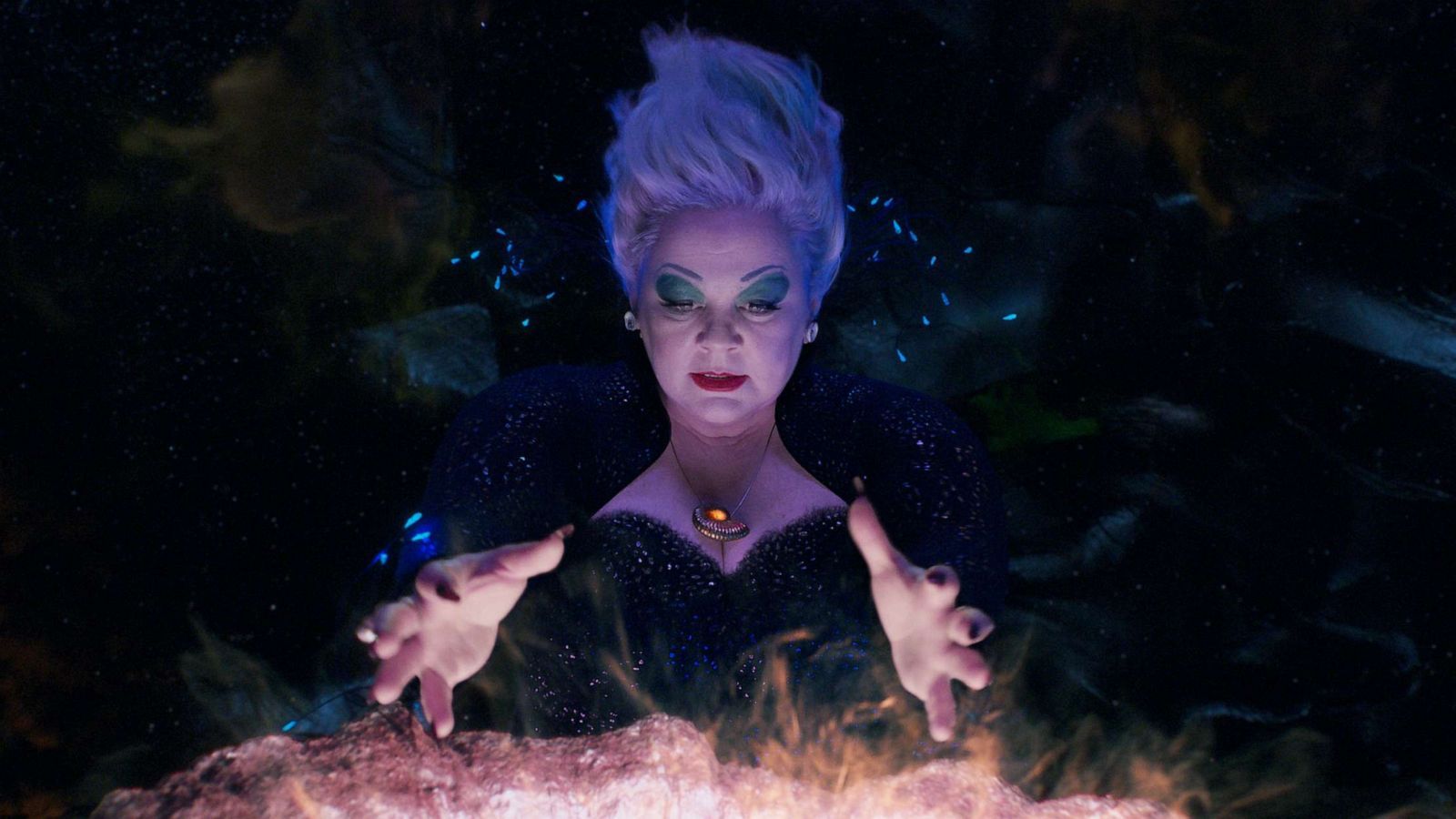
Decker also analyzed Ursula from The Little Mermaid, concluding she has antisocial personality disorder. He explained that she clearly doesn’t care about other people’s feelings, desires, or needs. Ursula tricks Ariel into giving up her voice by pretending to be caring while actually manipulating her. Decker noted that people with this disorder often act like they have emotions even if they don’t genuinely feel them – it’s a performance to get what they want.
All of these classic Disney villains can be seen in their films streaming on Disney+.
Read More
- What Song Is In The New Supergirl Trailer (& What It Means For The DC Movie)
- Dune 3 Gets the Huge Update Fans Have Been Waiting For
- TV legend Carol Kirkwood reveals the reasons why she decided to retire after 28 years with BBC
- Ariana Grande and More Celebs React to Golden Globes 2026 Nominations
- 50 Years Ago, Star-Lord Made His Bizarre Debut
- Spaceballs 2 Finally Gets the Major Update Fans Have Been Waiting For
- This One Stranger Things Theory Explains a 9-Year-Old Season 1 Mystery, Sets Up the Finale, & is the Key to Future Spinoffs
- Avengers: Endgame’s Success is Still Impossible to Copy
- After Stranger Things’ Conformity Gate Crashed Netflix, Here’s What The Ending SHOULD Have Been
- MOUSE: P.I. For Hire Loops in Caravan Palace for A Catchy New Track Ahead of April 16 Release
2026-04-05 17:41