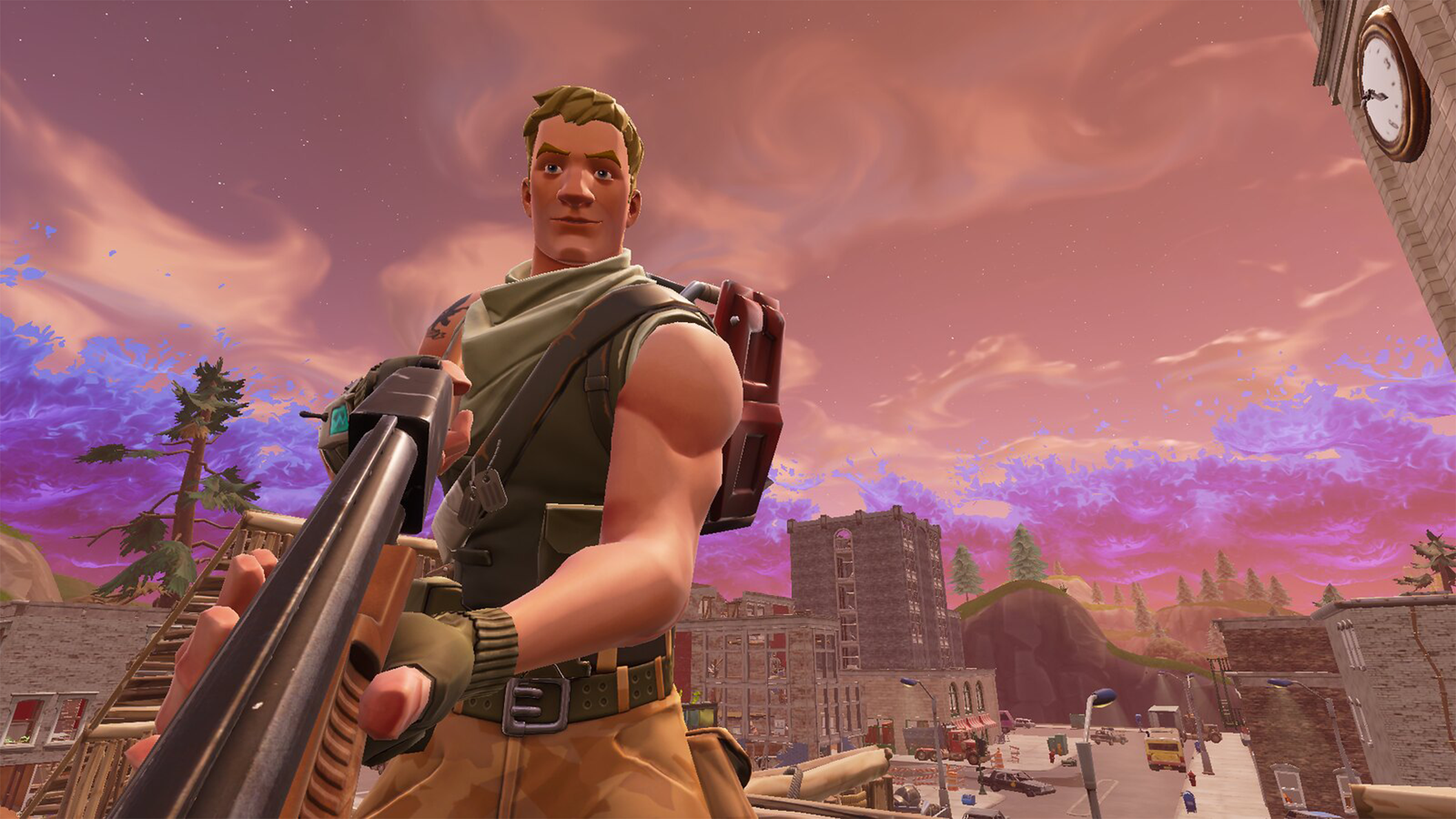
The idea of games that are constantly updated and expanded has been around for a long time, starting with early online multiplayer games like MMOs. These games could use the internet to regularly deliver new content and keep players engaged. World of Warcraft was a major success story and inspired many other games to follow a similar model. This approach really gained momentum in the last ten years, especially as online multiplayer became more popular and events like stay-at-home orders kept people playing.
This model has been a popular choice for game development investments, but the market is increasingly turning away from those types of games. Some companies, like Naughty Dog, recognized this change and adapted their development strategies. Although canceling a live-service version of one of their major franchises was difficult for the developers involved, it might be an early sign of a broader shift in the gaming industry.
The Last Of Us Online’s Cancellation Was A Clue That The Forever Game Bubble Was Popping
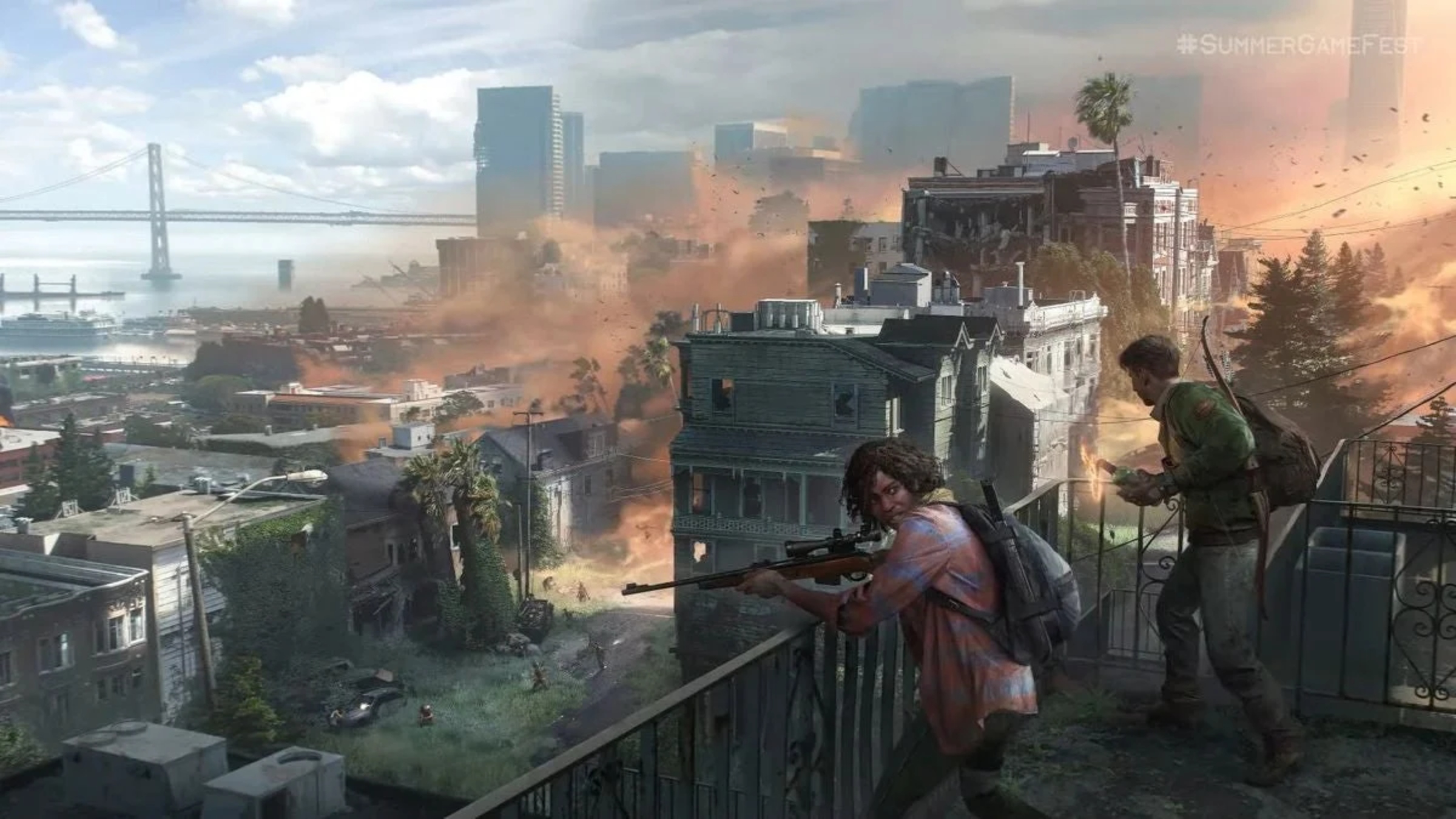
According to its director, Vinit Agarwal, The Last of Us Online was nearly finished – about 80 percent complete – when Sony cancelled the project. Agarwal shared how difficult the cancellation was for him and explained that it happened as Sony shifted its focus towards games that would continuously generate revenue during the pandemic. The main issue, he said, was that Naughty Dog had to choose between finishing The Last of Us Online and developing another game led by studio president Neil Druckmann. Ultimately, the company opted for the latter, bringing an end to seven years of work on The Last of Us Online.
Agarwal and his team were understandably disappointed that their game project was cancelled, especially since they believed its unique, experimental approach had strong potential. However, the cancellation also shows the company was ahead of the curve in recognizing a change in the gaming industry. The idea of relying on “forever games” for guaranteed profits is fading, and Naughty Dog wisely decided to focus on what they do best: story-driven, single-player experiences like the upcoming Intergalactic: The Heretic Prophet. Moving away from the ongoing demands of a “forever game” like The Last of Us Online was probably the right decision, as this type of game is no longer capturing players’ interest like it once did.
“Forever Games” Were Never The Key To Gaming’s Future
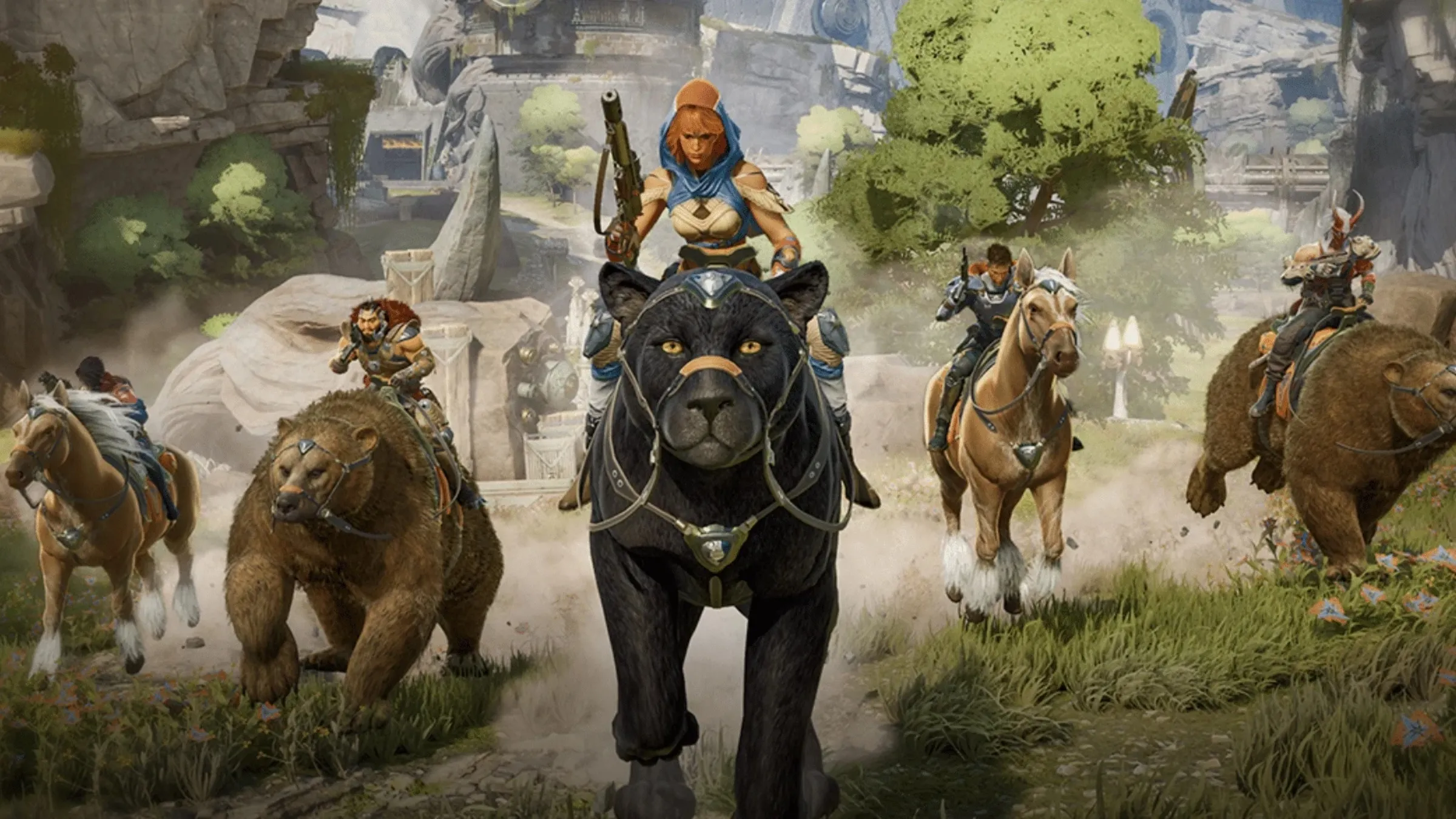
Live-service games became popular just as the pandemic led to lockdowns and more people turned to gaming for connection and entertainment. This was a very successful time for the gaming industry, with record profits and increased investment in developers and publishers. Games like Fortnite became incredibly popular during this period, but recently, this type of game is seeing less and less success.
Many games have attempted the “live service” model – where games are constantly updated to keep players engaged – but haven’t succeeded. Examples include Battlefield 2042, Knockout City, Concord, MultiVersus, and New World: Aeternum, all of which quickly failed. Highguard showed how quickly these games can collapse, especially considering the significant time and money invested in their development. The Last of Us Online hasn’t been cancelled, but its development has slowed due to changing priorities. Even popular games like Fortnite are facing challenges; Epic Games CEO Tim Sweeney cited declining player engagement as a key reason for recent layoffs.
Live-service games are facing challenges, even legal ones in France, which could change how publishers handle shutting down these games and affect their profitability. These difficulties suggest the industry is moving away from this model, as games like Minecraft and Roblox continue to be popular with younger players. The cancellation of The Last Of Us Online is disappointing for the developers who worked on it for years, but it allows Naughty Dog to avoid the problems many studios are now facing as the popularity of “forever games” declines. This shift also creates opportunities for developers to focus more on creating story-driven, single-player experiences. Although it’s sad we won’t get to play the game Vinit Agarwal and his team created, it’s part of a larger change that could allow games like The Last of Us 3 to be made instead.
Read More
- What Song Is In The New Supergirl Trailer (& What It Means For The DC Movie)
- Highly Anticipated Strategy RPG Finally Sets Release Date (And It’s Soon)
- TV legend Carol Kirkwood reveals the reasons why she decided to retire after 28 years with BBC
- Dune 3 Gets the Huge Update Fans Have Been Waiting For
- Why is Tech Jacket gender-swapped in Invincible season 4 and who voices her?
- The Super Mario Galaxy Movie: 50 Easter Eggs, References & Major Cameos Explained
- Alan Ritchson’s Reacher Future Looks Hopeful Thanks To Amazon’s 10/10 Action Thriller Series
- Maul – Shadow Lord Order 66 Survivor Officially Introduces A New Alien Species To Star Wars Canon
- Sydney Sweeney’s The Housemaid 2 Sets Streaming Release Date
- Crimson Desert is a “Cynical Amalgamation of Borrowed Mechanics,” Says Larian’s Publishing Director
2026-04-05 19:14