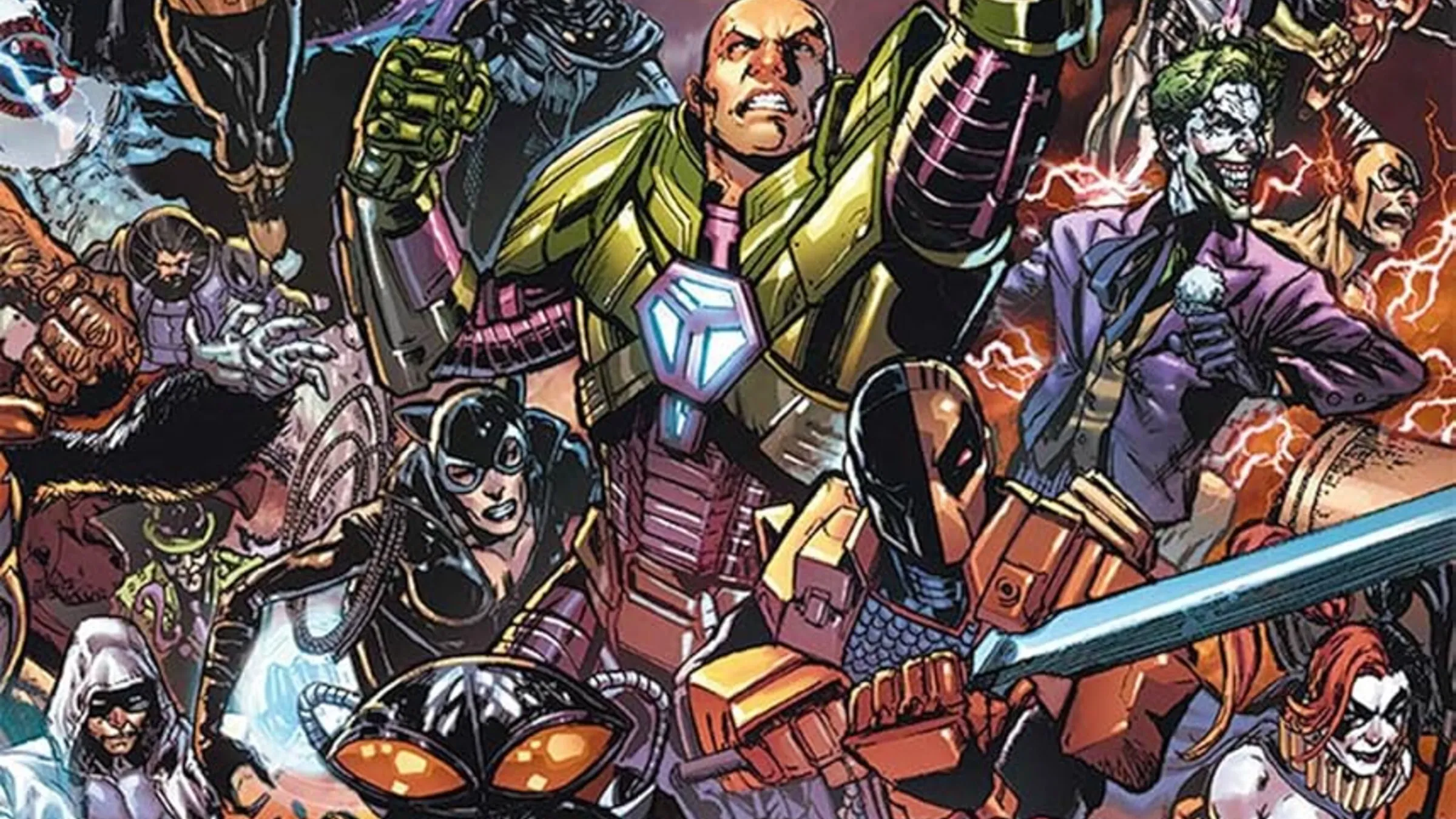
Batman is considered one of the best superheroes ever, and a big part of his popularity comes from his memorable villains. The inmates of Arkham Asylum, with their frightening personalities and unique styles, are some of the most well-known supervillains in DC Comics. These iconic villains all started with the release of Batman #1 on April 25, 1940. This first solo comic book introduced Batman to two of his earliest and most important enemies: the Joker and Catwoman. Though very different, these two costumed criminals represent the first true supervillains in comic book history.
The first issue of Batman was a landmark comic, showcasing several early adventures of the hero and Robin as they battled criminals in Gotham City. It famously introduced Batman’s greatest foe, the Joker, in two separate stories, “The Joker” and “The Joker Returns.” This issue also marked the debut of Selina Kyle, the future Catwoman, in a story called “The Cat.” Though some initial details—like Selina’s nickname and disguise—didn’t stick, the comic established core traits for these characters and helped define many of the villain archetypes we see in comics today.
The Joker and Catwoman Changed the Superhero Genre
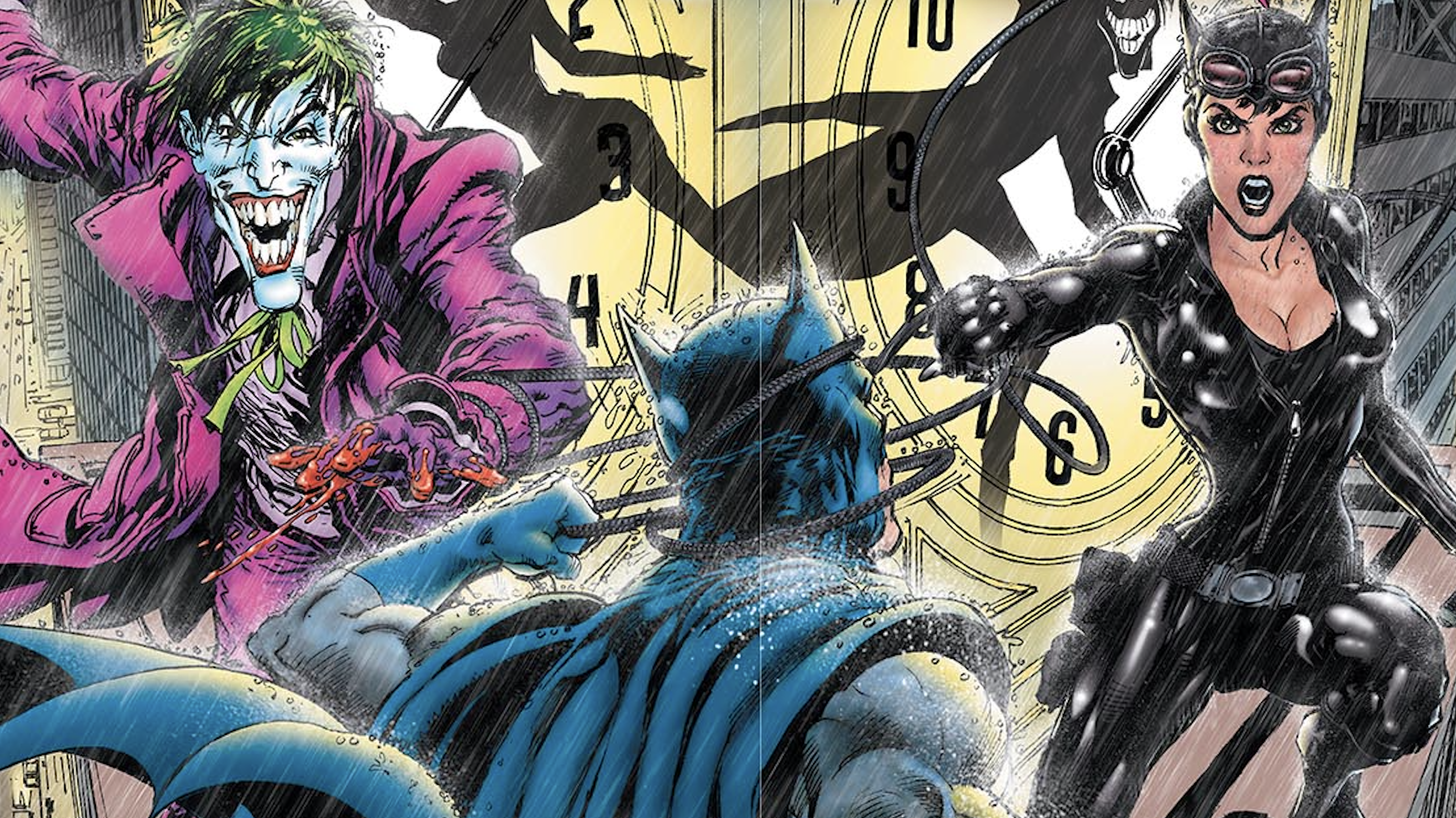
As a critic who’s seen a lot of comic book adaptations, I can confidently say The Joker and Catwoman are truly legendary villains – and among the very first. Now, there’s some debate about who the first recurring supervillain really was – some point to Superman’s Ultra-Humanite, but honestly, he started as a pretty standard mad scientist and didn’t get truly wild until he transplanted his brain into an ape! The Joker and Catwoman, though? They burst onto the scene fully formed, immediately captivating audiences and, in my opinion, really helped define what a supervillain could be.
From his very beginning, the Joker established the standard for supervillains and the classic enemy archetype. He was the first costumed criminal to have a memorable appearance and a unique style. His bright costume, clown persona, and disturbing humor perfectly contrasted with Batman. While many villains at the time focused on gaining power or riches, the Joker was driven by pure chaos, causing pain and destruction simply for his own amusement. Originally, the creators intended to kill him off quickly, but the Joker’s popularity guaranteed his survival and lasting influence, inspiring numerous other costumed villains for decades to come.
Catwoman’s first appearance wasn’t as explosive as the Joker’s, but it effectively established her personality and the complex connection she’d share with Batman. Similar to Batman, her character drew heavily from classic film noir, particularly the archetype of the alluring and mysterious ‘femme fatale.’ She was clever and used manipulation to obtain valuable treasures. From their first encounter, there was a clear spark – Batman was captivated by her, and Catwoman immediately flirted with him, even proposing they work together. He rejected the idea of partnering with a criminal, which was unusual for superhero comics at the time. Now, romantic or collaborative relationships between heroes and villains are common, but Batman and Catwoman still have one of the most famous and enduring relationships in comic book history.
Early superheroes typically battled villains like mad scientists, gangsters, and Nazis. However, these types of enemies eventually felt old-fashioned and weren’t challenging enough for long-term storytelling. The creation of complex, recurring supervillains – like the Joker and Catwoman – was crucial for the survival of the superhero genre. These characters were the first to have unique names, personalities, and appearances, creating compelling contrasts with the heroes they fought. Though very different from each other, the Joker and Catwoman established a model for the diverse and memorable groups of villains seen in superhero comics today.
The Two Sides of Supervillainy

The Joker and Catwoman began as straightforward foes of Batman, but they’ve become symbols of the complex sides of supervillains in superhero stories. Though early examples of costumed villains, they’ve developed into remarkably complex characters who have remained popular for decades. Through their contrasting personalities and motivations, the Joker and Catwoman demonstrate the full range of criminal behavior and supervillainy.
The Joker, in all his versions, is the embodiment of pure evil. He’s famous for pushing the limits of what’s acceptable in comic books with shockingly cruel acts, like the deaths of Jason Todd and the crippling of Barbara Gordon – events that fundamentally changed how people see superheroes. His relentless cruelty and constant conflict with Batman highlight the eternal struggle between order and chaos. Despite being terrifying, the Joker is also strangely funny, offering dark humor that contrasts sharply with Batman’s serious personality. Ultimately, though, he’s a completely unforgivable character with no sense of right or wrong, seeing life as nothing more than a joke.
While the Joker embodies pure villainy, Catwoman represents a more complex and potentially redeemable type of criminal. Unlike many villains, she avoids unnecessary harm and operates with a personal code of ethics. Her relationship with Batman is deeply complicated and heartbreaking, as their opposing sides of the law prevent a true connection despite a clear mutual attraction. Originally a typical villain, Catwoman has evolved over time, blurring the lines of whether she’s truly a villain at all. Though she still enjoys stealing, she’s increasingly become a protector of Gotham, much like the hero she once opposed. Catwoman demonstrates that not all criminals are inherently evil and that people are capable of change and finding redemption.
The Joker and Catwoman perfectly showcase the range of villains found in comic books. They aren’t just one-time threats; they’re enduring characters who truly test superheroes, both in terms of strength and willpower, and help define what those heroes stand for. The Joker represents pure evil and a bleak outlook on life, while Catwoman brings moral ambiguity to the conflict between good and evil and suggests that change is possible. With their different styles, personalities, and how they’ve changed over time, the Joker and Catwoman embody everything that makes supervillains so crucial and captivating in superhero comics.
What do you think? Leave a Comment below and join the conversation in the ComicBook Forum!
https://comicbook.com/comics/list/7-smartest-batman-villains/embed/#
Read More
- Adam Levine Looks So Different After Shaving His Beard Off
- After AI Controversy, Major Crunchyroll Anime Unveils Exciting Update
- Gold Rate Forecast
- 10 Movies That Were Banned in Different Countries For Random Reasons
- Tekken 8 Fans Furious as Tifa Tipped for Street Fighter 6 Instead
- Dialoop coming to Switch on June 17
- Welcome to Demon School! Iruma-kun season 4 release schedule: When are new episodes on Crunchyroll?
- Japan’s No. 1 Spring 2026 Anime Is the True Successor to an All-Time Great
- Steam Makes Sci-Fi Game 100% Free for 72 Hours
- From season 4 release schedule: When is episode 2 out on MGM+?
2026-04-25 18:22