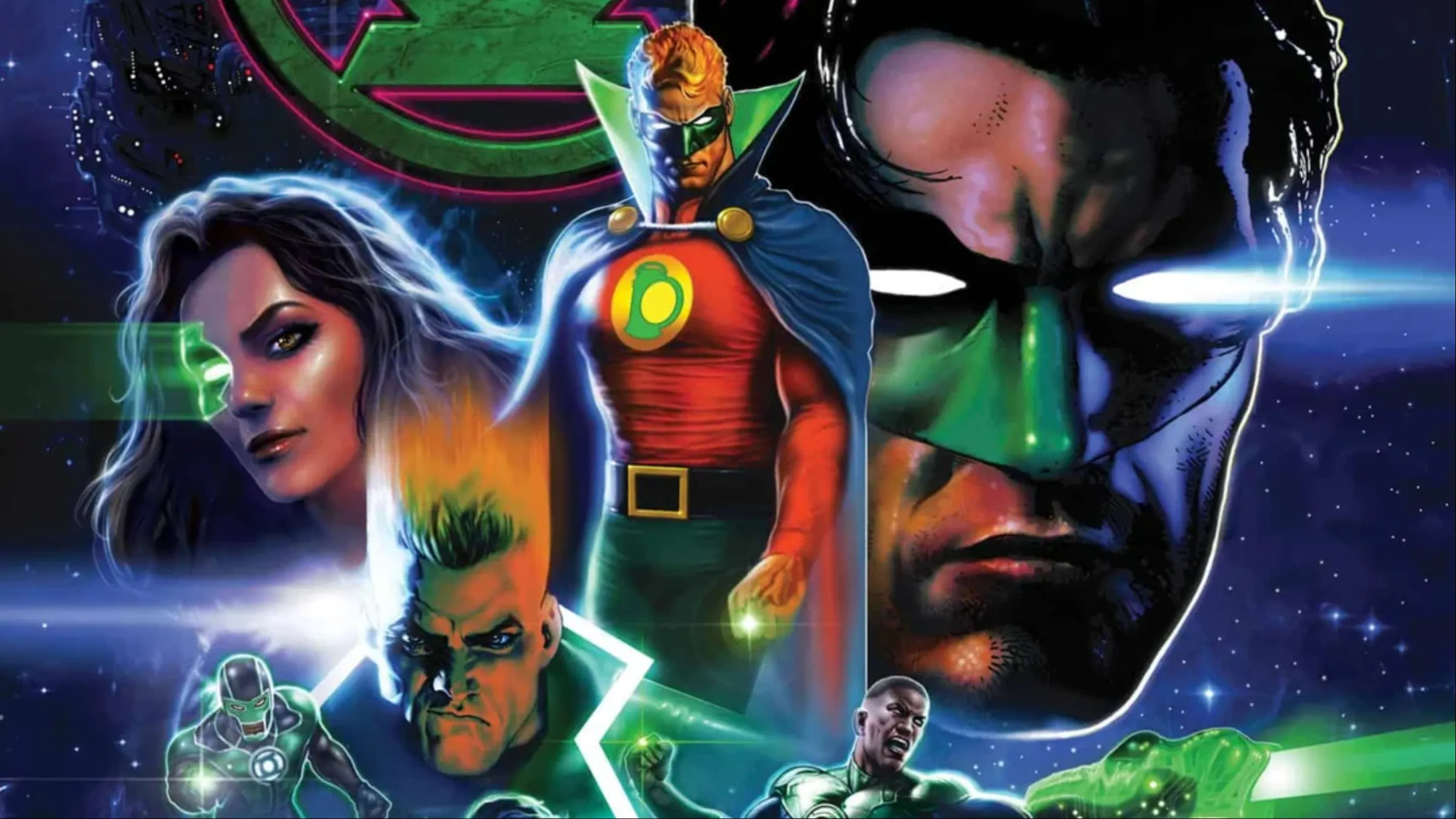
The story of Green Lantern began in the early days of comic books with Alan Scott, who discovered a magical lantern and ring and became a renowned hero. Over time, other heroes like Hal Jordan, John Stewart, and Kyle Rayner joined the ranks, each wielding the ring to battle injustice. The concept evolved from a single hero to a vast, intergalactic police force comprised of thousands of alien beings – a truly imaginative idea. For decades, writers have crafted incredible superhero stories, expanding the Green Lantern legend beyond comics and into movies and television.
Many comics back then featured incredible covers by top artists, which initially attracted readers. Some of these covers weren’t just visually stunning; they were truly innovative. These ten Green Lantern covers are considered landmark achievements that redefined comic book art and narrative techniques.
10) Green Lantern (Vol. 5) #1
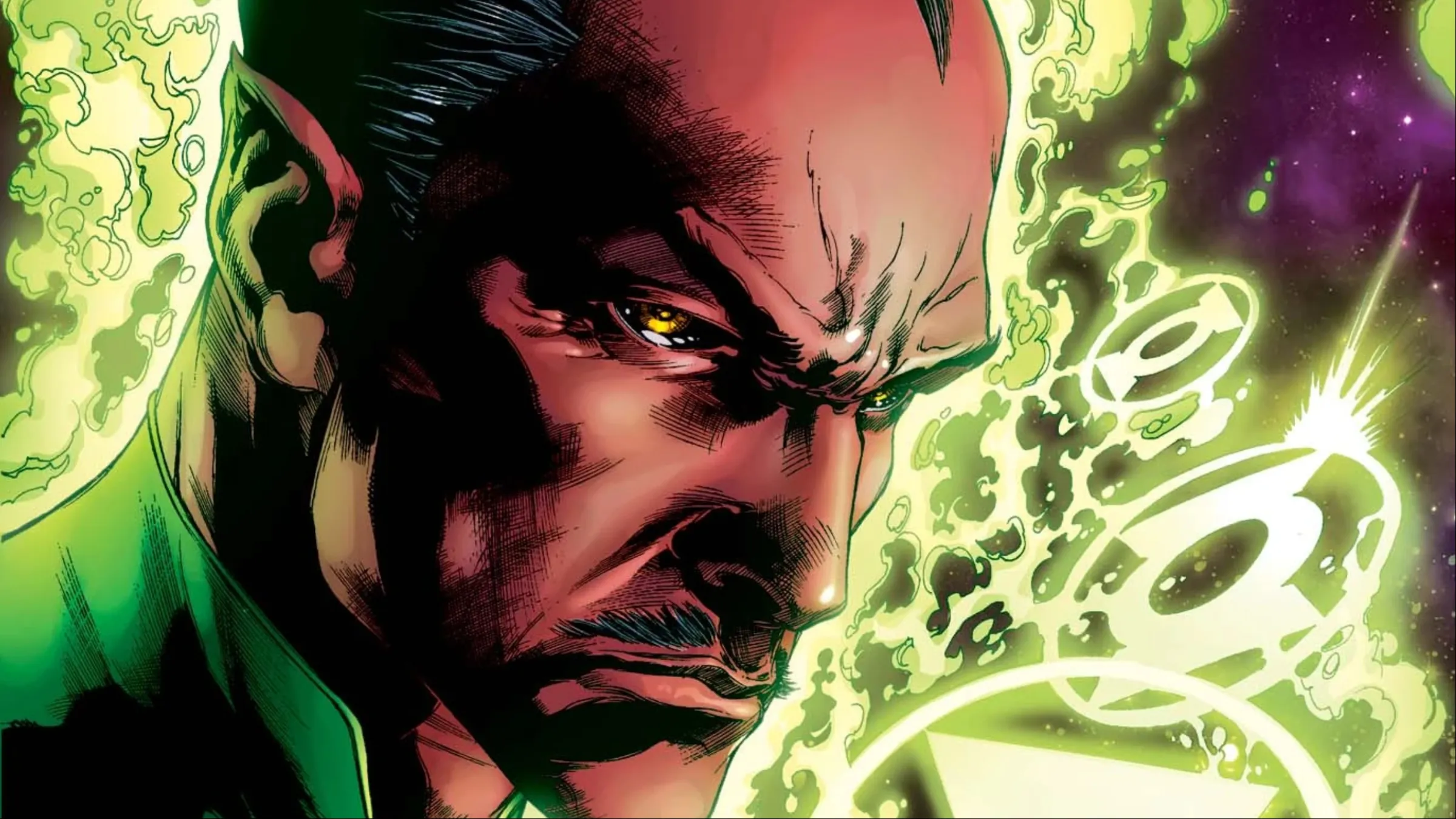
Geoff Johns is a highly respected figure at DC Comics, and his work on Green Lantern volumes 4 and 5 was instrumental in making the character and its surrounding universe incredibly popular. He collaborated with talented artists, and many covers from those comics are considered iconic, including Green Lantern (Vol. 5) #1, illustrated by Ivan Reis. This cover, which depicted Sinestro – Hal Jordan’s arch-enemy – wielding a Green Lantern ring again, launched the New 52 era of Green Lantern comics and generated huge excitement among fans. It was a striking start to the final story arc of Johns’ celebrated run with the character.
9) Green Lantern Corps: ReCharge #1
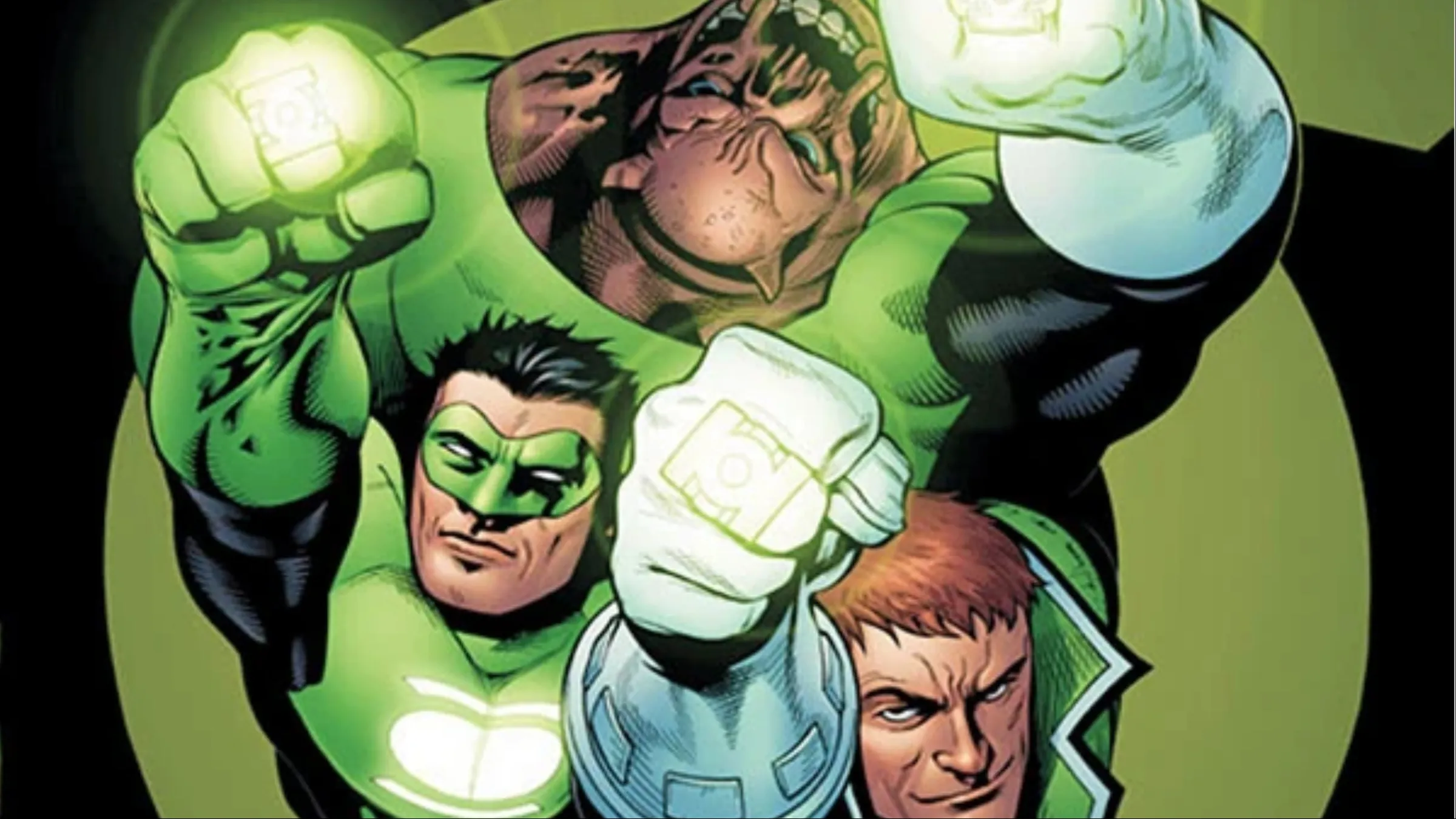
The Green Lantern Corps is a major power in the DC Universe, but even they faced a devastating blow, as demonstrated by Hal Jordan’s actions in “Emerald Twilight.” It wasn’t until the story arc Green Lantern: Rebirth that the Corps regained its former strength, and this was powerfully signaled in Green Lantern Corps: ReCharge #1. The issue featured a striking cover by Patrick Gleason, introducing the new stars – Kyle Rayner, Guy Gardner, and Kilowog – and letting fans know the Corps had returned. This cover was a huge hit with readers and played a big role in the book’s initial success.
8) Green Lantern (Vol. 1) #132
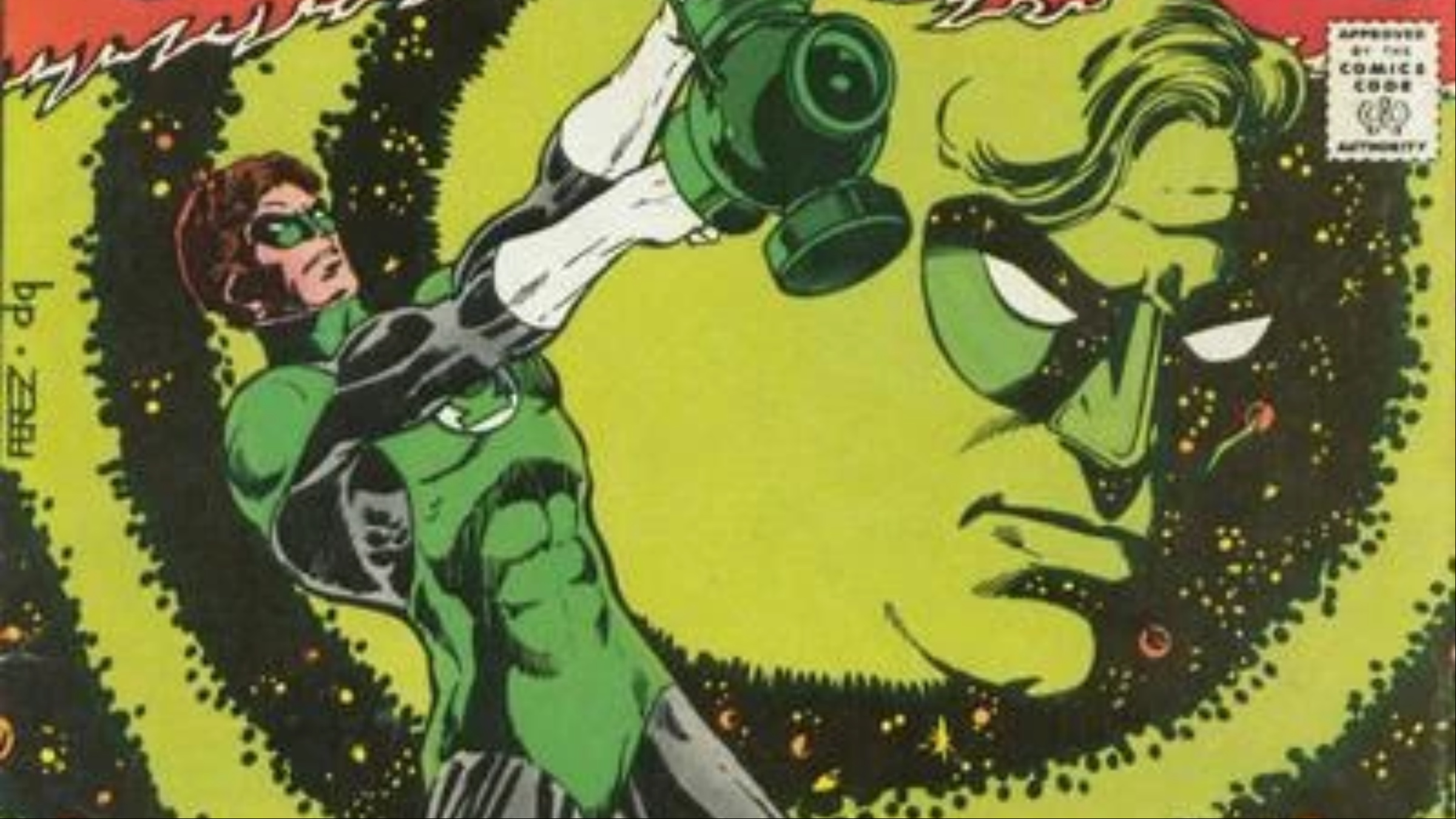
As a longtime comic book fan, I can tell you George Perez was a true giant in the industry, and DC Comics owes him a huge debt. While he was still cutting his teeth at Marvel in the late ’70s, he eventually landed at DC, and this issue, Green Lantern #132, was one of the first hints of the amazing work to come. It wasn’t a story that changed the world, but the cover… wow. It’s genuinely gorgeous and stands out as a landmark moment in comic book art, foreshadowing his incredible run in the ’80s.
7) Sinestro Corps War Special #1
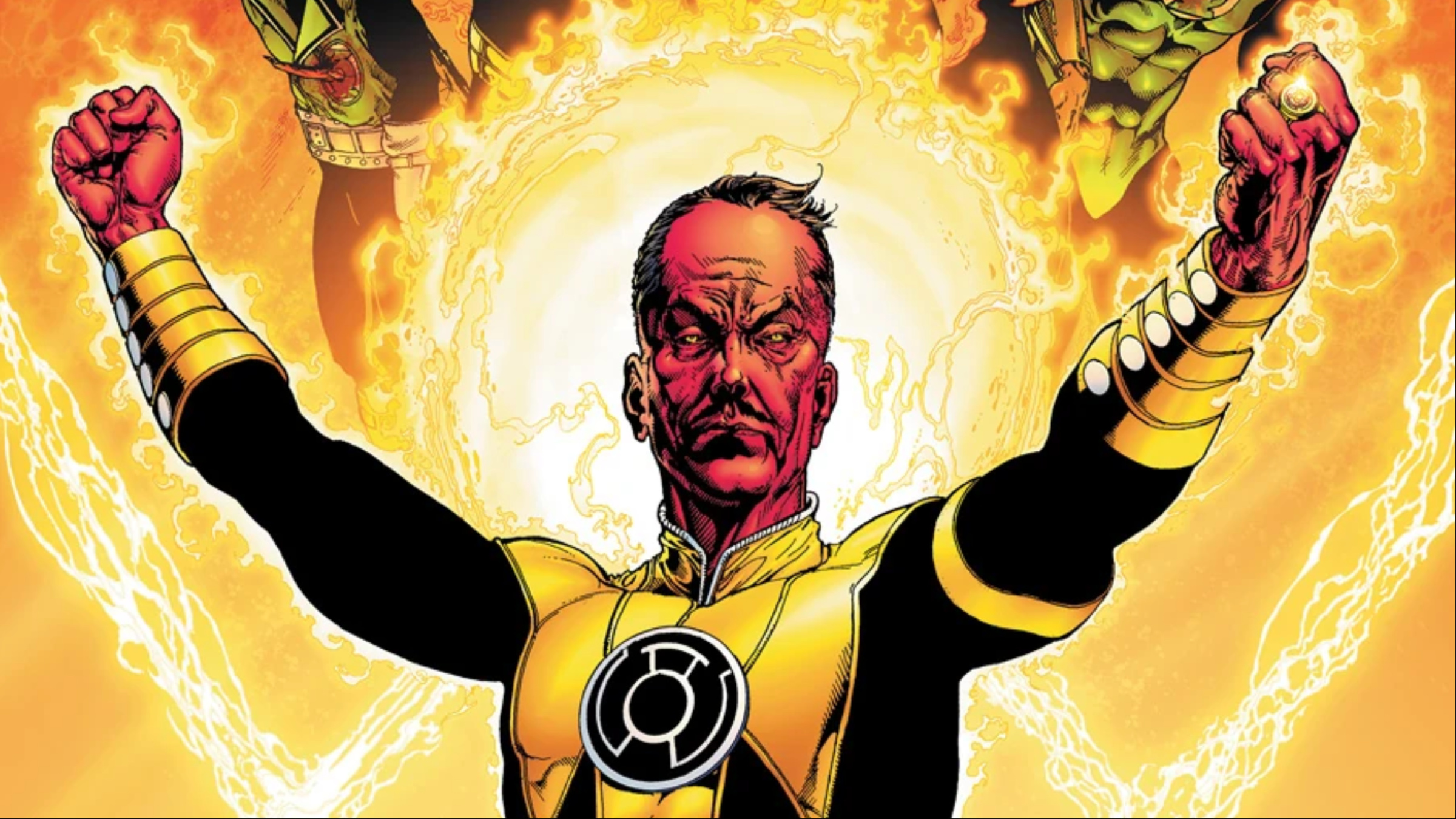
“The Sinestro Corps War” is a truly exceptional story that dramatically boosted the popularity of Green Lantern (Vol. 4). It began with Sinestro Corps War Special #1, featuring a striking cover by Ethan Van Sciver. The image of Sinestro crucifying several Green Lanterns was shocking, especially with his new, visually arresting costume and appearance, which drew comparisons to historical figures. This story captured widespread attention and played a key role in making both Green Lantern (Vol. 4) and Green Lantern Corps (Vol. 2) top-selling comics.
6) Green Lantern: Rebirth #1
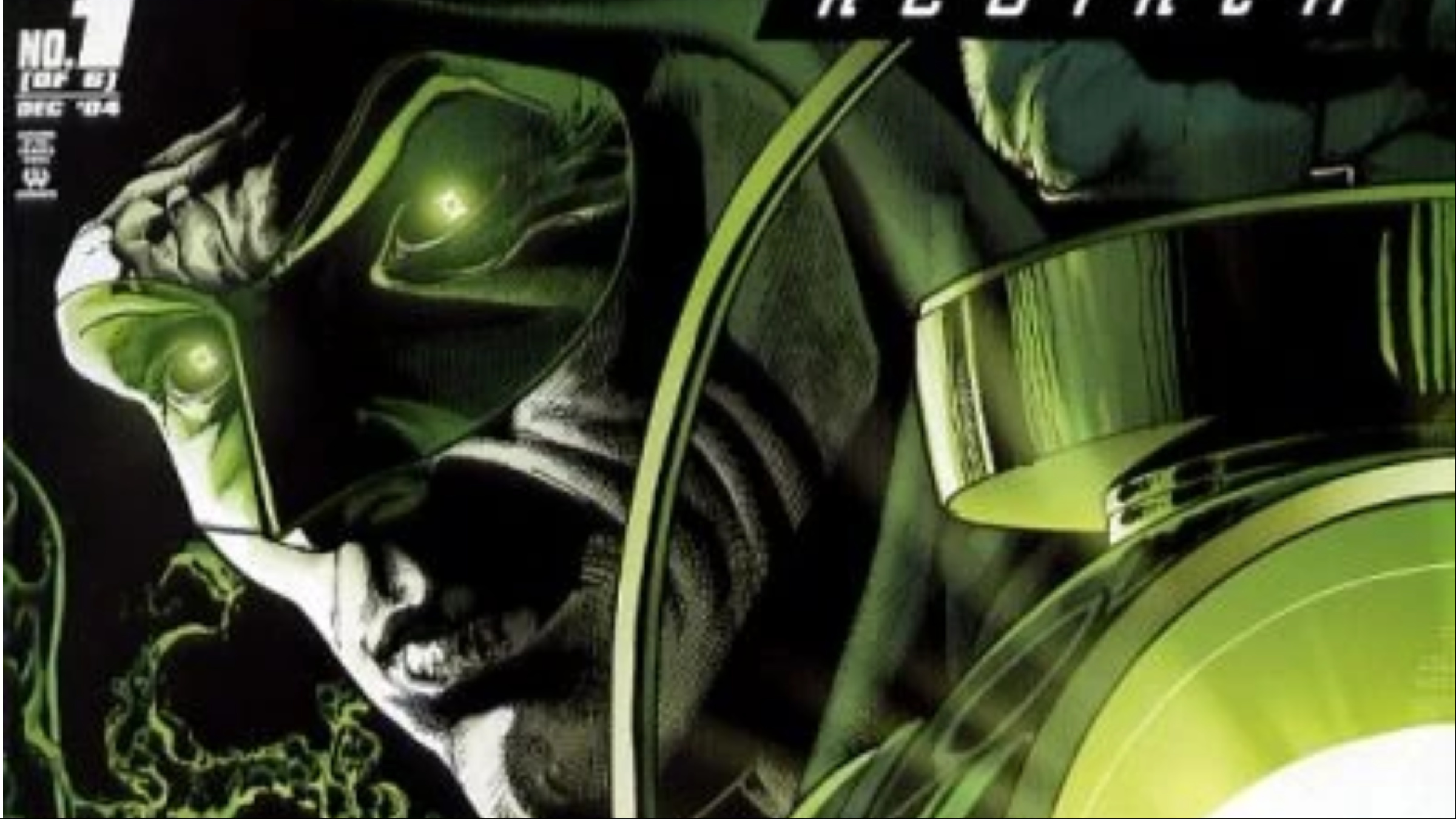
Hal Jordan experienced a dramatic journey in the comics. After being portrayed as a villain in 1994, he found redemption by sacrificing himself in 1996’s The Final Night and later became the Spectre in 1999’s Day of Vengeance. Fans eagerly anticipated his return as a Green Lantern, and it finally happened in 2004 with Green Lantern: Rebirth #1, featuring a striking cover by artist Ethan Van Sciver. The cover, depicting Hal as the Spectre alongside his classic power battery, generated a huge reaction online. The issue sold out instantly and remains highly sought after. Beyond simply bringing Jordan back, this comic also marked the start of a trend at DC in the 2000s—a return to storytelling styles reminiscent of the Bronze Age of comics—making it a significant piece of comic book history.
5) Green Lantern (Vol. 3) #50
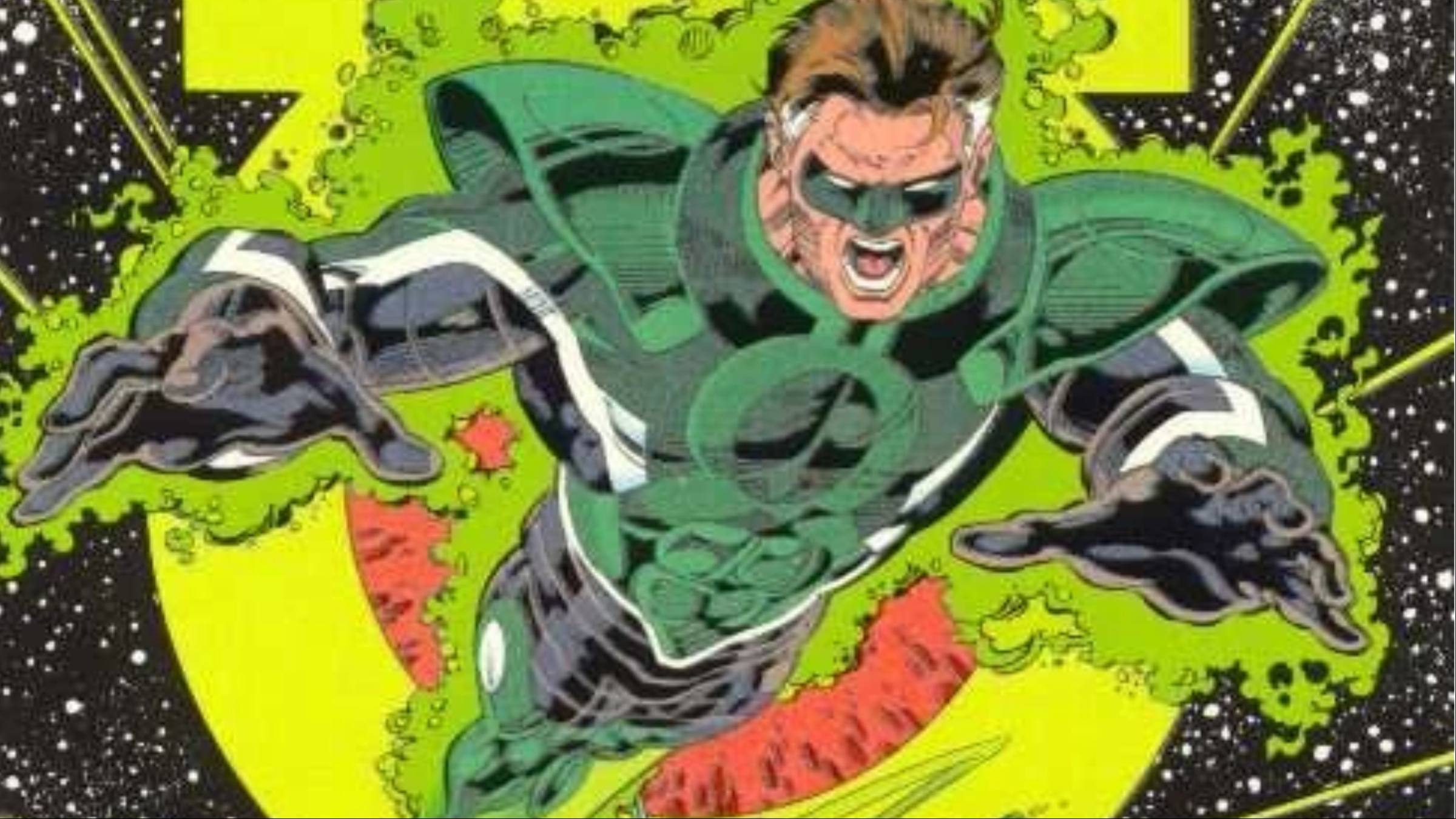
As a critic, I remember the ’90s being a real period of change for DC Comics – they weren’t afraid to shake things up and reinvent their classic heroes. Sales on Green Lantern (Vol. 3) were flagging, and the ‘Emerald Twilight’ storyline was designed to do just that, ultimately turning Hal Jordan into a villain. And issue #50? Wow. Mark Bright’s cover was spectacular. The new Parallax costume looked incredible, and that glow-in-the-dark effect? It was pure ’90s fun, and a smart gimmick. Bright doesn’t always get the credit he deserves, but this cover is a perfect example of why he was, and remains, a top-tier artist.
4) Green Lantern: Rebirth #6
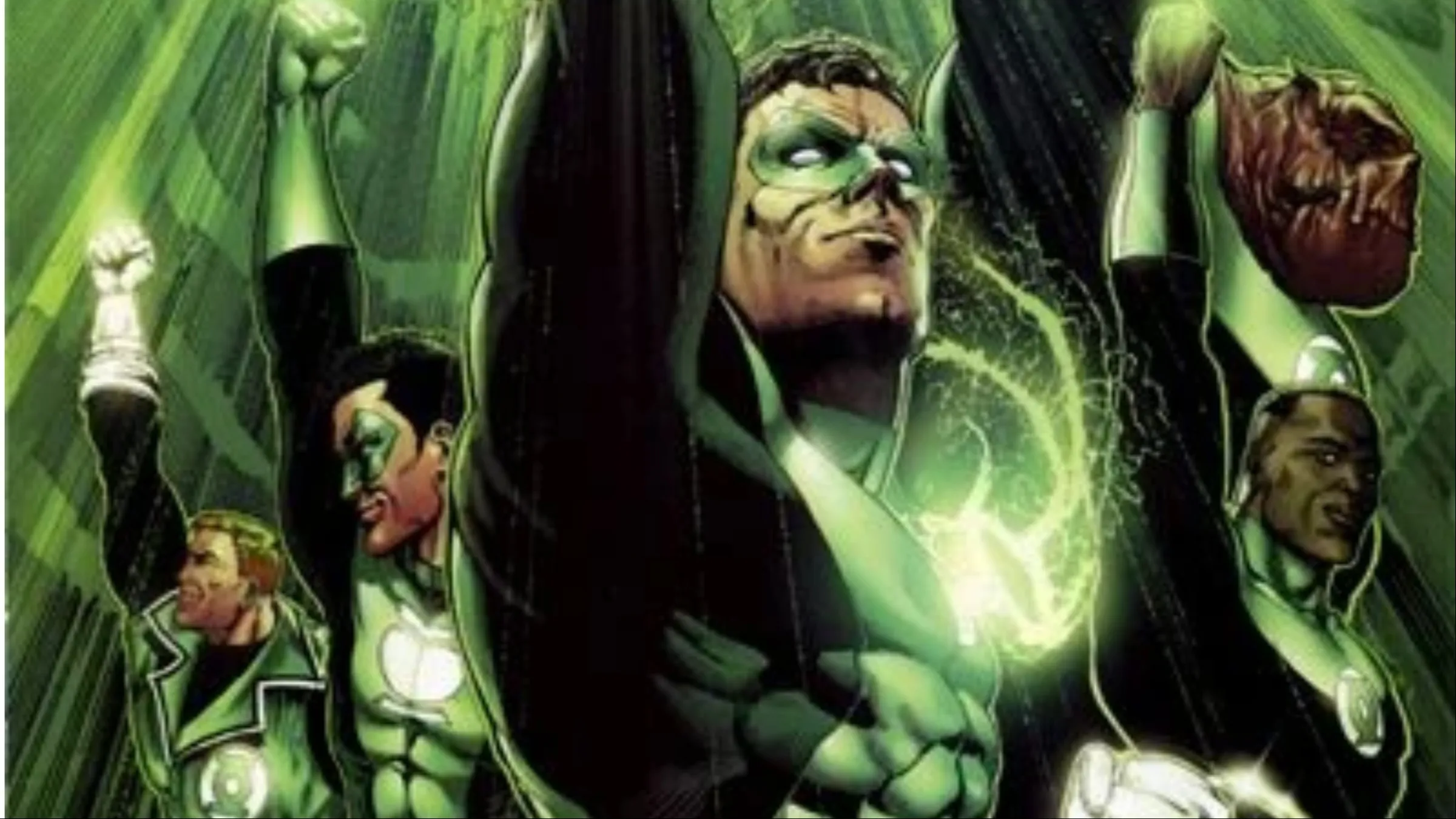
The success of Green Lantern: Rebirth was something special for those who experienced it firsthand. The first issue was printed in too few numbers – sales of the previous Green Lantern series hadn’t been strong, even though I was a dedicated fan at the time. This led to it selling out immediately, and subsequent issues were quickly snatched up everywhere. While all the covers are excellent, the final issue’s cover, illustrated by Ethan Van Sciver, is truly iconic. It signaled the triumphant return of the classic Green Lantern Corps and paved the way for some of DC’s greatest stories. It remains the defining image of the series and still looks fantastic today.
3) Green Lantern (Vol. 3) #49
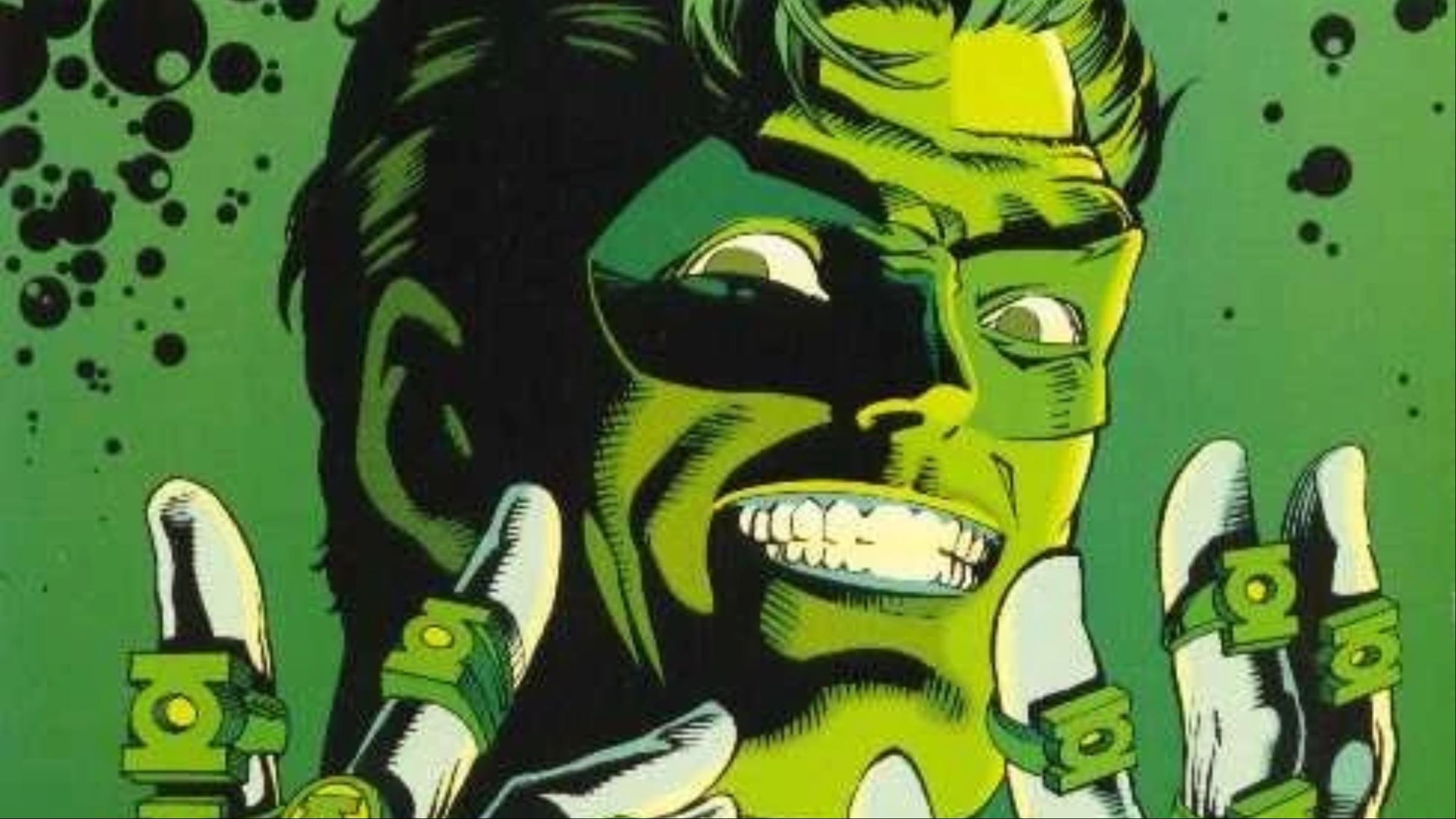
The comic book “Emerald Twilight” was an instant hit, and its cover is the one most fans remember. Illustrated by Daryl Banks for Green Lantern (Vol. 3) #49, the cover was incredibly striking and almost impossible to resist. It showed Hal Jordan in a way readers had never seen before—driven to madness and collecting power rings—and hinted at a dramatic backstory. This cover played a huge role in making the story so popular and has been referenced and imitated many times since its release. It’s widely considered one of the best comic book covers ever created.
2) All-American Comics #6
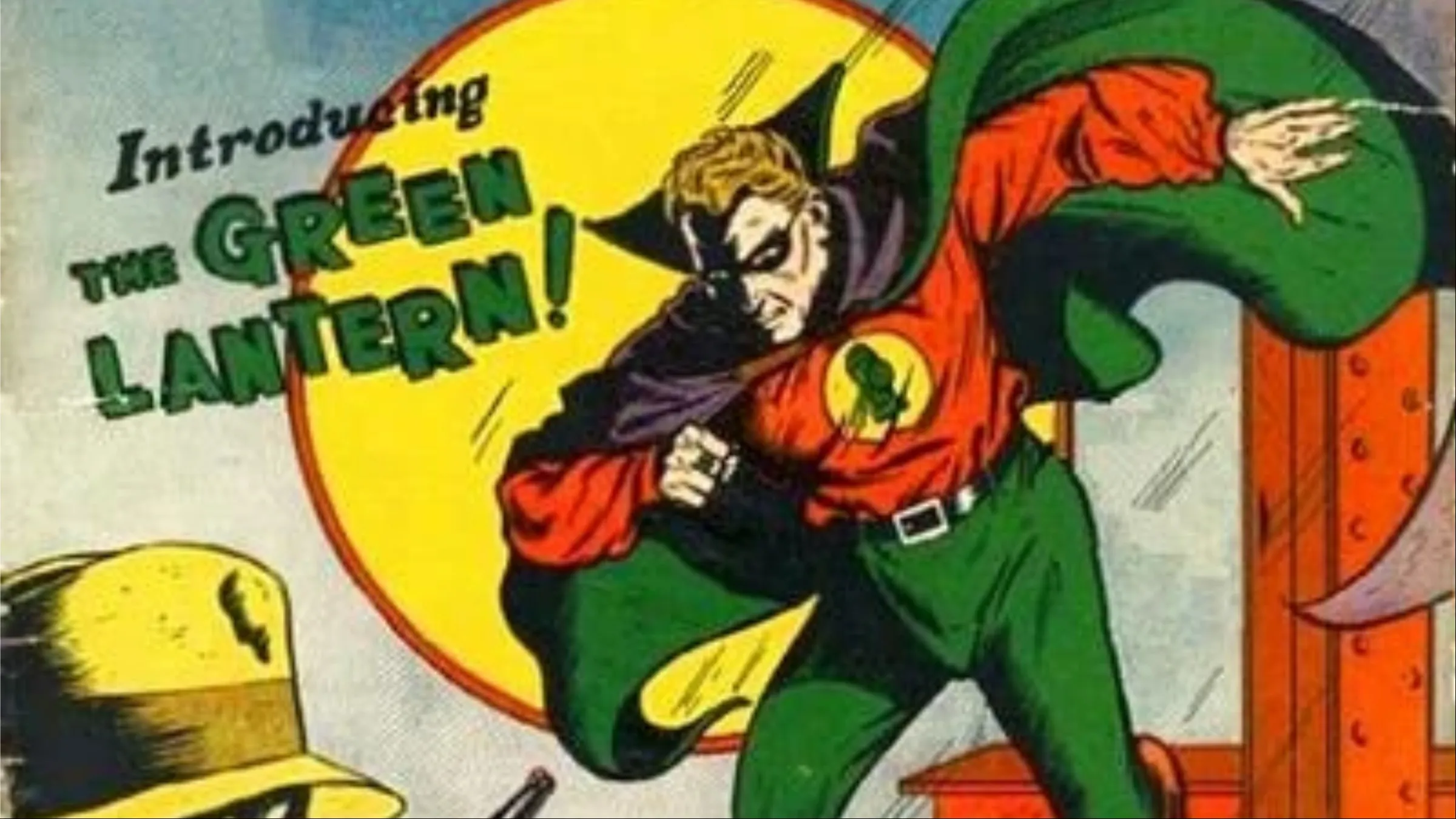
Alan Scott is a legendary DC Comics hero whose story began in 1940 with All-American Comics #16, illustrated by co-creator Sheldon Moldoff. Unlike later versions of Green Lantern who leaned towards a futuristic style, Alan Scott was a classic, powerful superhero—think Superman—with a dramatic cape and brightly colored costume. This particular comic cover perfectly captures a memorable moment and is a true classic of the Golden Age, marking the beginning of the Green Lantern’s enduring legacy.
1) Showcase (Vol. 1) #22
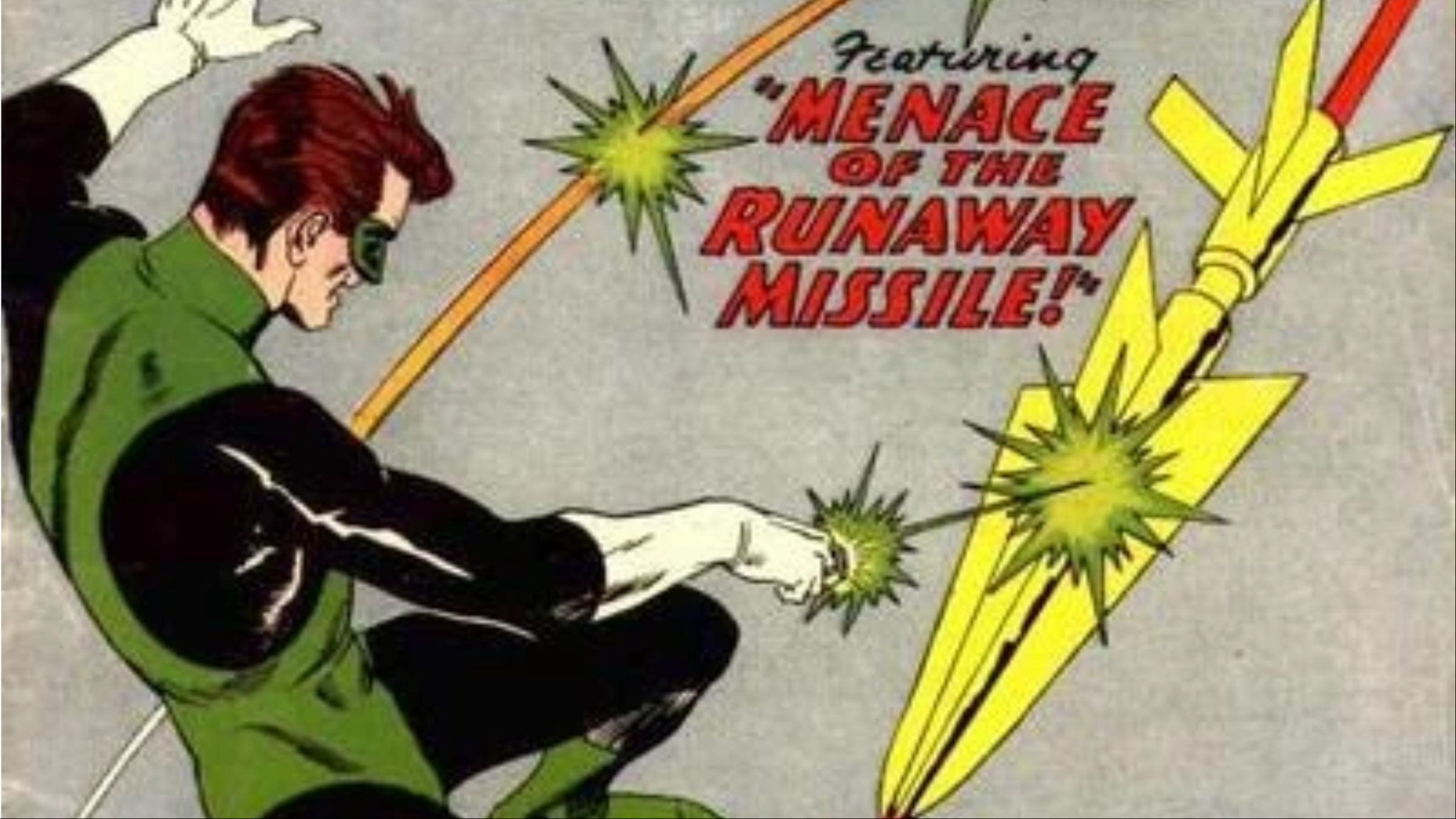
The Silver Age marked a fresh start for superheroes. DC Comics reimagined its older characters – all except Superman, Batman, and Wonder Woman – to appeal to a new generation of readers. This began in 1956 with the introduction of Barry Allen as the Flash in Showcase #4, ultimately laying the foundation for the expansive DC Multiverse we know today. In 1959, the Green Lantern got a similar update, with Hal Jordan debuting in Showcase (Vol. 1) #22. The cover, illustrated by Gil Kane, perfectly captured the excitement surrounding this mysterious, strikingly different hero – a far cry from the original Green Lantern. It signaled a new direction for the character and profoundly impacted the world of science fiction superhero comics.
Read More
- Gold Rate Forecast
- 10 Most Powerful Versions of Superman, Ranked
- GBP CNY PREDICTION
- 007 First Light: Release Date, Story, Gameplay, Cast, Editions, and Platforms
- Forza Horizon 6 Car List So Far: Confirmed Highlights, Cover Cars, DLC, and Rewards
- DOGE PREDICTION. DOGE cryptocurrency
- Superman’s 7 Best Power-Ups, Ranked
- 10 Greatest Wii U Games of All Time, Ranked
- What happened to Soldier Boy in The Boys?
- Kingdom Come Deliverance Update 1.002 Enables Trophies to Be Transferred
2026-06-01 19:14