
For decades, DC Comics has consistently delivered top-quality superhero stories. Creating a compelling comic is a collaborative effort – writers, artists, and editors build the narrative, while inkers, colorists, and letterers refine the artwork. Crucially, these stories need strong characters and a captivating plot. While each step of the process presents challenges, it’s surprisingly common for a comic to feature well-developed characters but ultimately fall flat due to a lack of an engaging story, wasting all the effort put into it.
DC Comics has a history of experimenting with its characters, but unfortunately, some stories haven’t lived up to their potential. In a few cases, they’ve mishandled beloved heroes and villains, resulting in comics that serve more as examples of what not to do than as compelling narratives. Here are ten DC comics that didn’t do justice to their iconic characters, significantly diminishing their impact.
10) Nightwing (Vol. 4) #50-74
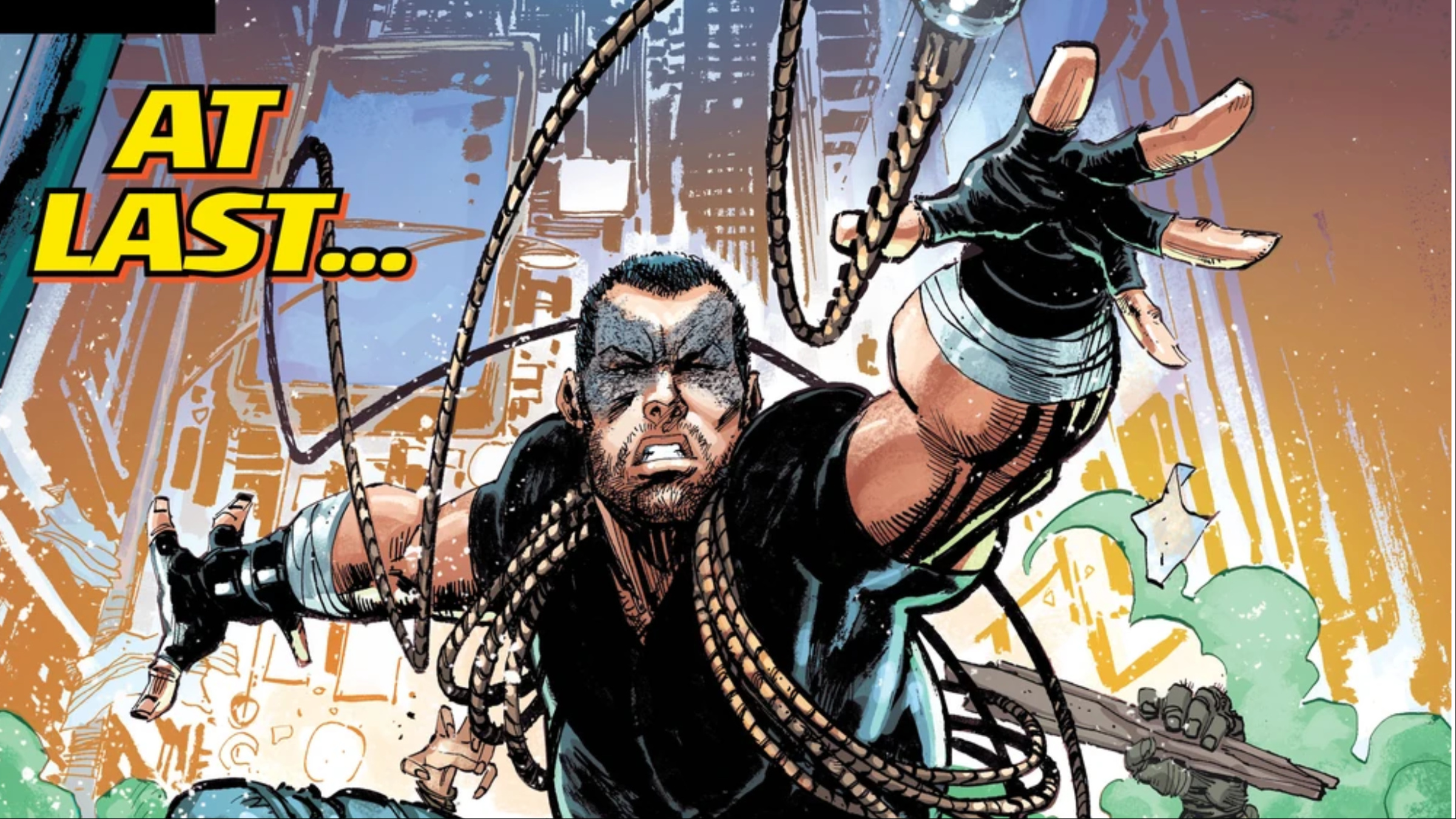
Dick Grayson, also known as Nightwing, is a beloved DC hero with a generally strong track record. However, a particular storyline from issues #50-74 of the Nightwing comic (Vol. 4) is widely disliked by fans. It began after Dick was shot and suffered brain trauma in Batman (Vol. 3), leading to the creation of a new personality called Ric Grayson. Ric didn’t want to be a hero, but circumstances forced him back into the role when others in Bludhaven started acting as Nightwing. This plot was immediately unpopular with readers, and the comic lost a significant number of fans before the storyline ended.
9) The Flash: Rebirth
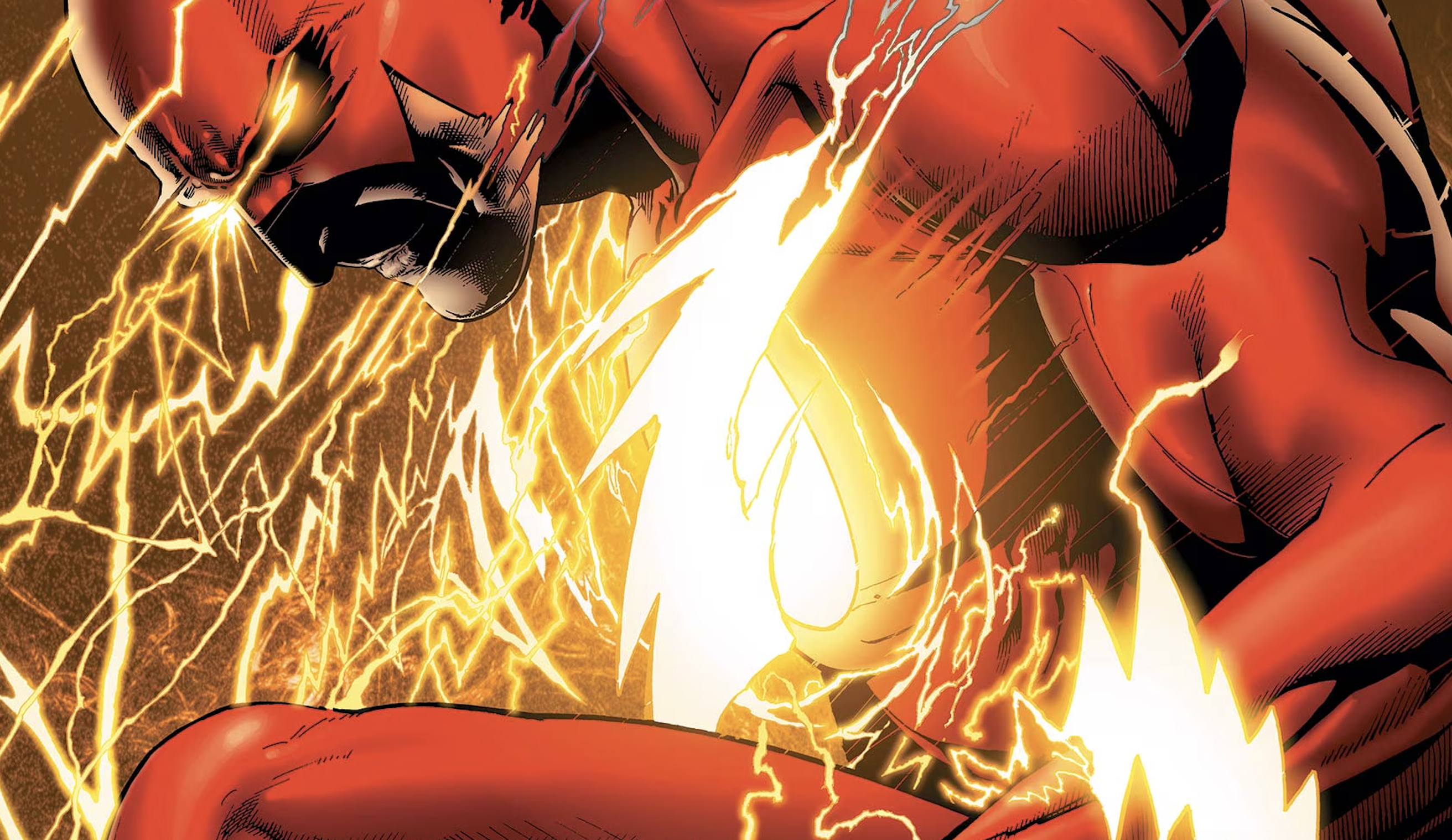
DC’s attempt to revitalize The Flash with the ‘Flash: Rebirth’ series didn’t quite succeed, and many fans sensed that from the start. While intended to mirror the successful ‘Green Lantern: Rebirth,’ it struggled to find its footing. The story featured many of DC’s biggest heroes, but they were overshadowed by a lackluster portrayal of Barry Allen. It’s difficult to make such an ordinary character compelling, especially while also showcasing his heroic side, and this series failed to strike that balance. Furthermore, the introduction of Barry as the creator of the Speed Force felt like an unnecessary attempt to elevate his importance.
8) Supergirl (Vol. 6)
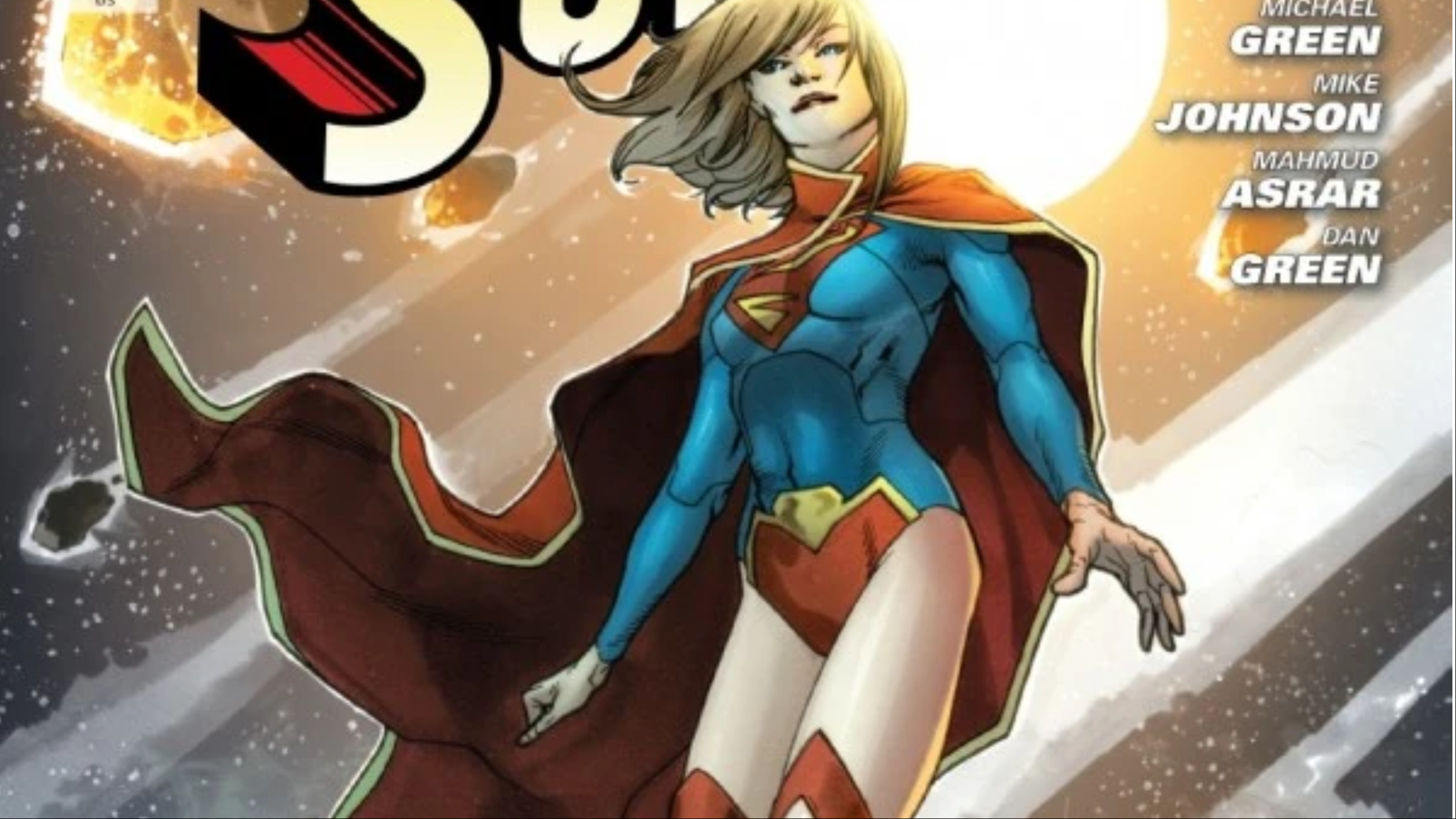
The New 52 comic book reboot is often cited as a failure, and the way it handled Supergirl is a prime example. While the reboot aimed to make characters more complex, Supergirl’s portrayal lost what made her appealing. Instead of a hopeful, young hero inspired by Superman, she became a much darker and less relatable character. What’s always been compelling about Kara is her struggle with anger and pain, but this version leaned into negativity in a way that missed the point of her character. By the time her storyline reached a particularly dramatic point, many readers found it hard to stay invested. There are ways to create a more mature Supergirl, as seen in recent comics, but this version of the character wasn’t one of them.
7) Teen Titans (Vol. 4)
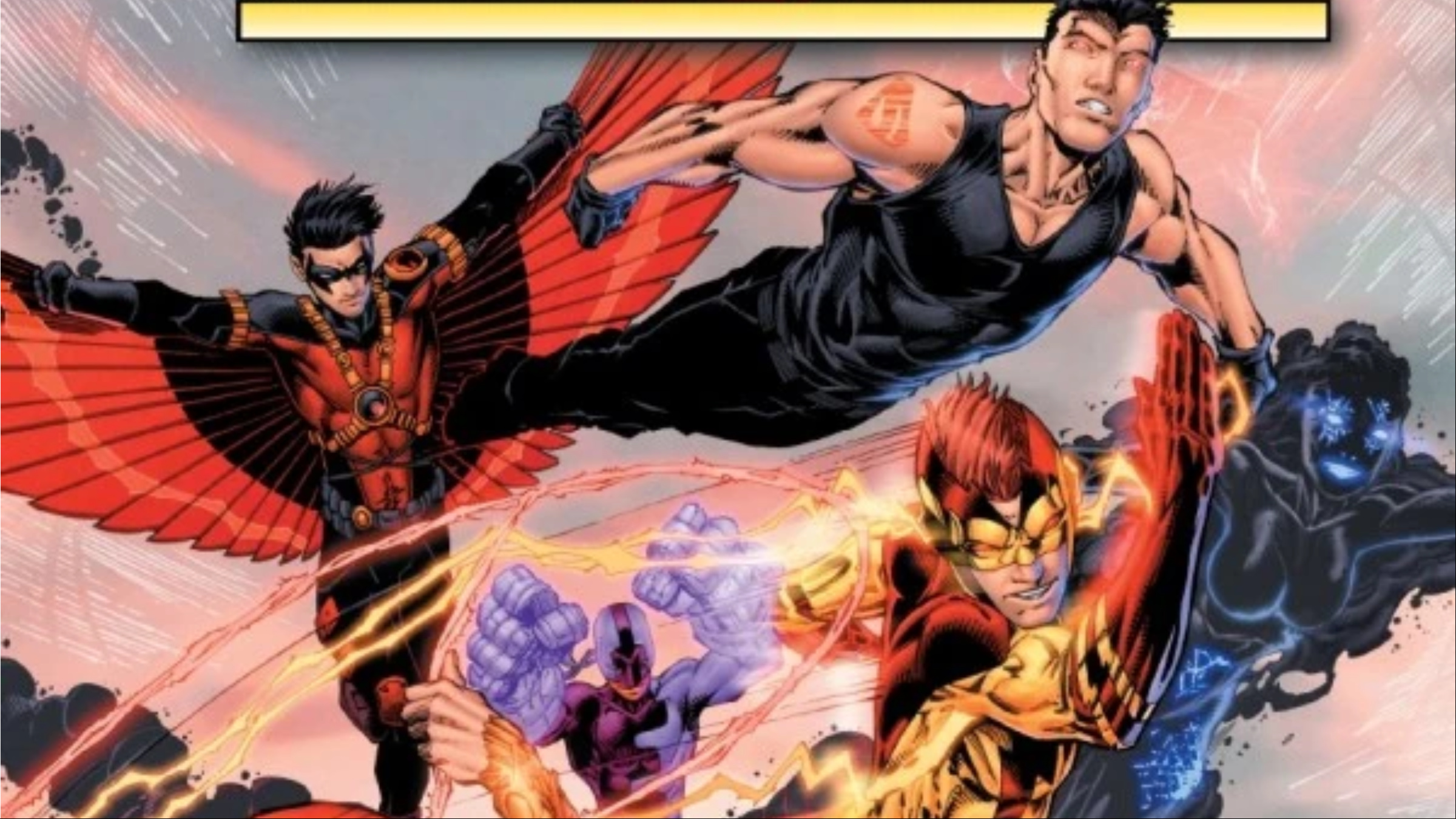
While the New 52 reboot negatively impacted many characters, the fourth volume of Teen Titans was particularly damaging. It took established heroes like Wonder Girl, Superboy, Red Robin, and Kid Flash, along with some new faces, and delivered remarkably poor storylines. The series essentially crippled the Teen Titans, and DC has struggled to successfully relaunch the team ever since. It failed both when trying to retell familiar stories and when attempting new approaches, ultimately being cancelled after just two and a half years. It’s honestly remarkable how badly the Teen Titans were mishandled in this run.
6) The Savage Hawkman #9-20
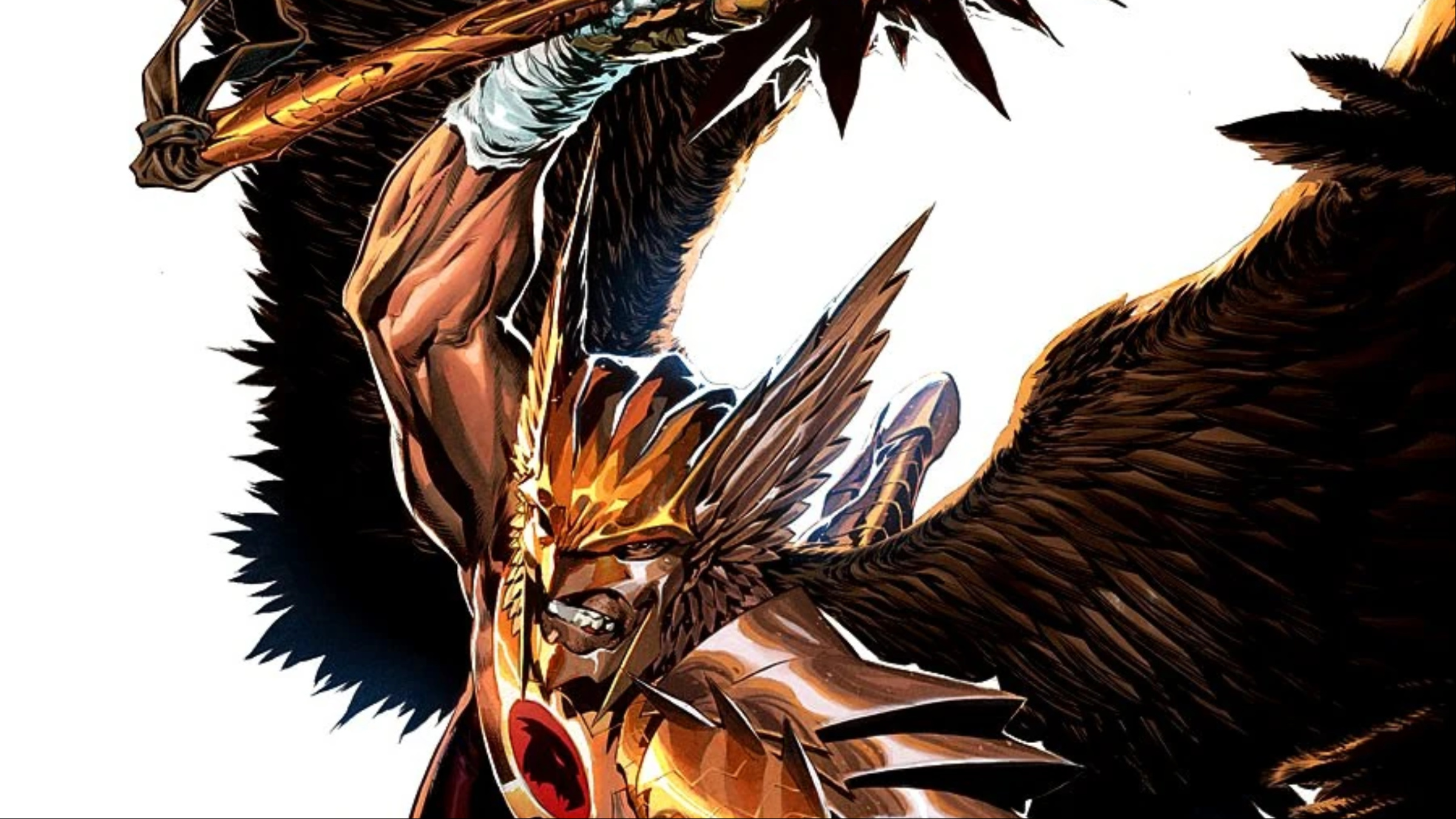
Hawkman has always been a difficult character to make work, but when it clicks, it’s fantastic. His backstory has been seriously messed up by major DC events like Crisis on Infinite Earths and Zero Hour. There have only been two successful ongoing Hawkman comic series in the 21st century, and The Savage Hawkman wasn’t one of them. While this New 52 version started okay, things went downhill quickly when Rob Liefeld took over as writer with issue #9. Liefeld’s writing is known for being overly simple and lacking depth, which isn’t what Hawkman needs. The series quickly failed and was cancelled after 20 issues.
5) Superboy (Vol. 6)
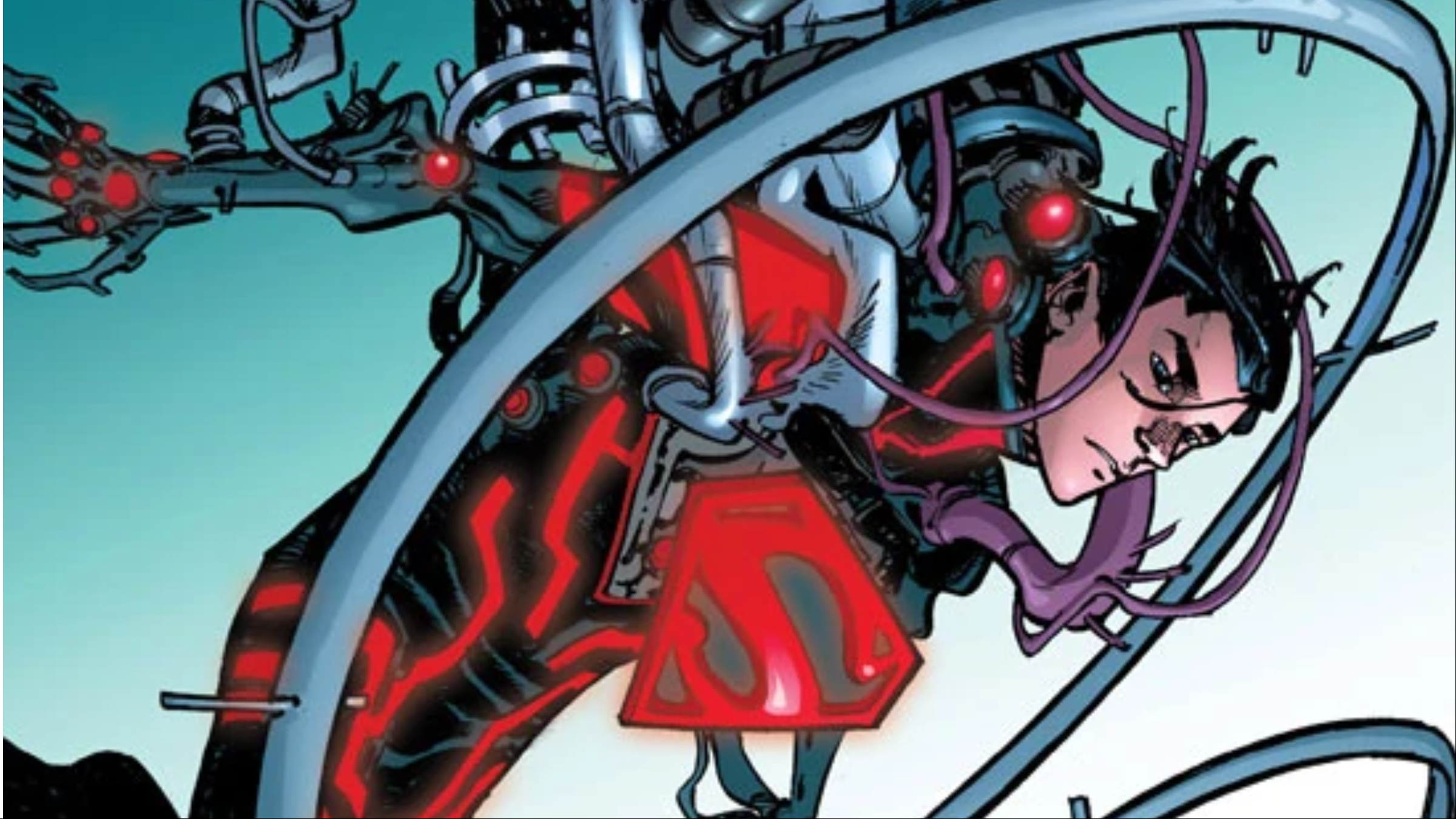
Superboy suffered the most during DC’s New 52 reboot. Conner Kent had become a well-developed and popular character in the 2000s, finally finding his place in the DC Universe. However, the New 52’s Superboy series drastically changed him, focusing on his status as a clone and turning him into a weapon created by the organization K.N.O.W.H.E.R.E. This direction was unpopular with fans, who felt it made a previously enjoyable character unnecessarily grim and edgy. The series performed so poorly that DC introduced a completely new version of Superboy from an alternate universe mid-run, but that also failed to resonate with readers. It took DC years to repair Superboy’s reputation after this disastrous run.
4) All-Star Batman and Robin the Boy Wonder

All-Star Batman and Robin the Boy Wonder is infamous for being a major disappointment in the world of comics. Intended as a key title in DC’s All-Star line – similar to Marvel’s Ultimate books – the series suffered from unusual writing by Frank Miller. He essentially turned Bruce Wayne into a caricature, exaggerating his tough, detective persona. Despite the strange writing, artist Jim Lee’s work is fantastic, making the book surprisingly hilarious. It’s become a ‘so bad it’s good’ read, though it unfortunately squanders the potential of characters like Batman, Robin, Superman, Wonder Woman, Plastic Man, Joker, and Black Canary. (The depiction of Hal Jordan, however, and especially the ‘yellow room’ sequence, is a standout part of the book.)
3) “Trinity War”
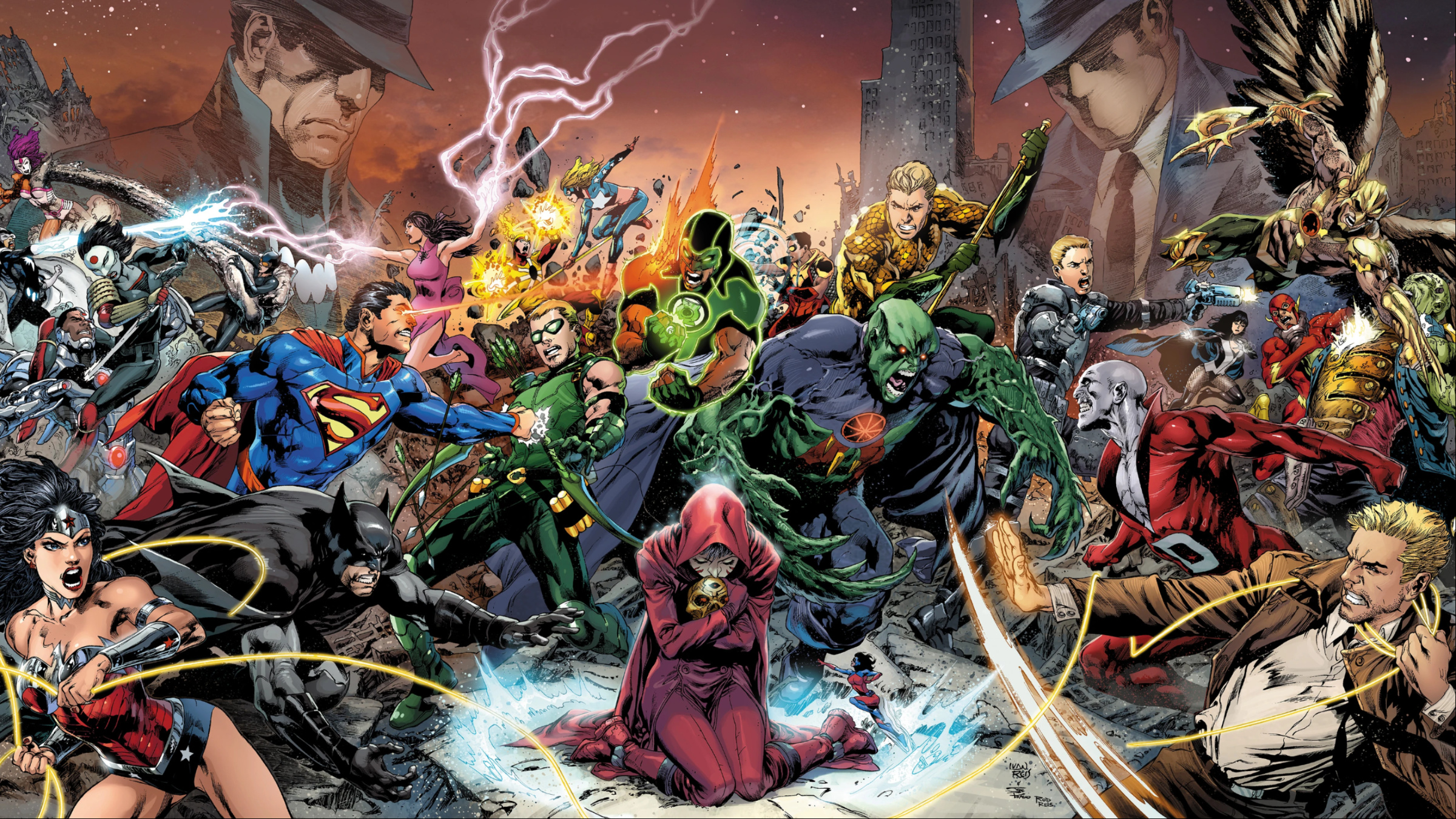
The New 52 initiative delivered another disappointing story with “Trinity War,” a Justice League event that didn’t live up to expectations. At the time, three different Justice League comic series were running – Justice League, Justice League of America, and Justice League Dark – and this event attempted to unite them against the Secret Society of Supervillains and the Crime Syndicate. It also aimed to reveal the origins of Pandora, a character introduced during the Flashpoint storyline. Ultimately, the story fell flat, failing to utilize DC’s most iconic heroes effectively.
2) “Darkseid War”
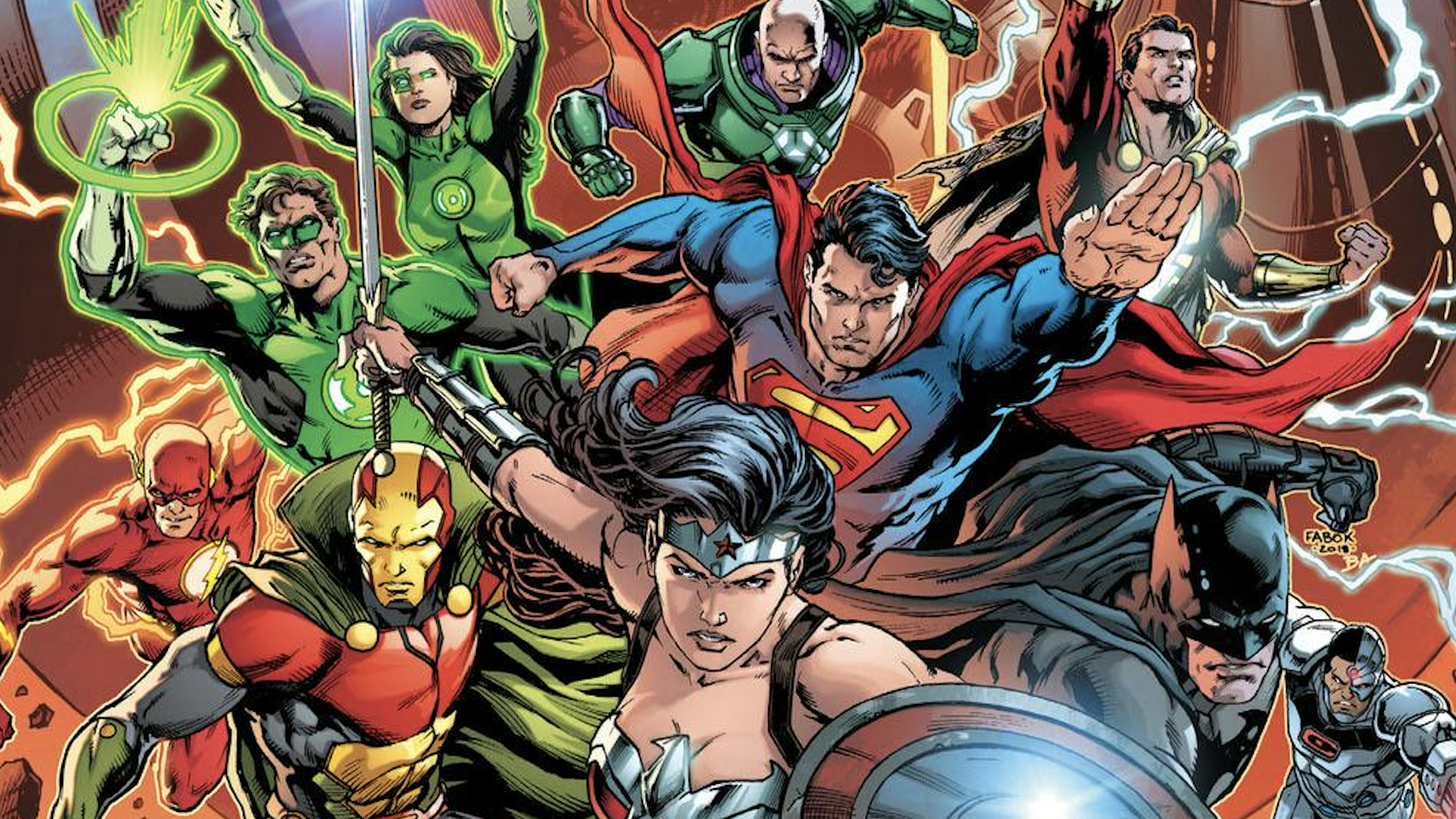
“Darkseid War” concluded the second volume of Justice League, written by Geoff Johns and illustrated by Jason Fabok (though several additional standalone issues were released, they aren’t essential to the main story). The plot centers around the arrival of the Anti-Monitor on Earth, leading to an epic battle against Darkseid, all orchestrated by the enigmatic Grail. The Justice League, aided by the New Gods of New Genesis, must fight both villains to protect the planet and uncover the truth behind Grail’s scheme. While Darkseid and the Anti-Monitor are typically formidable DC villains, this story doesn’t quite live up to their potential, nor does it effectively utilize the New Gods. On the bright side, the Justice League itself is portrayed well throughout the arc.
1) Flashpoint
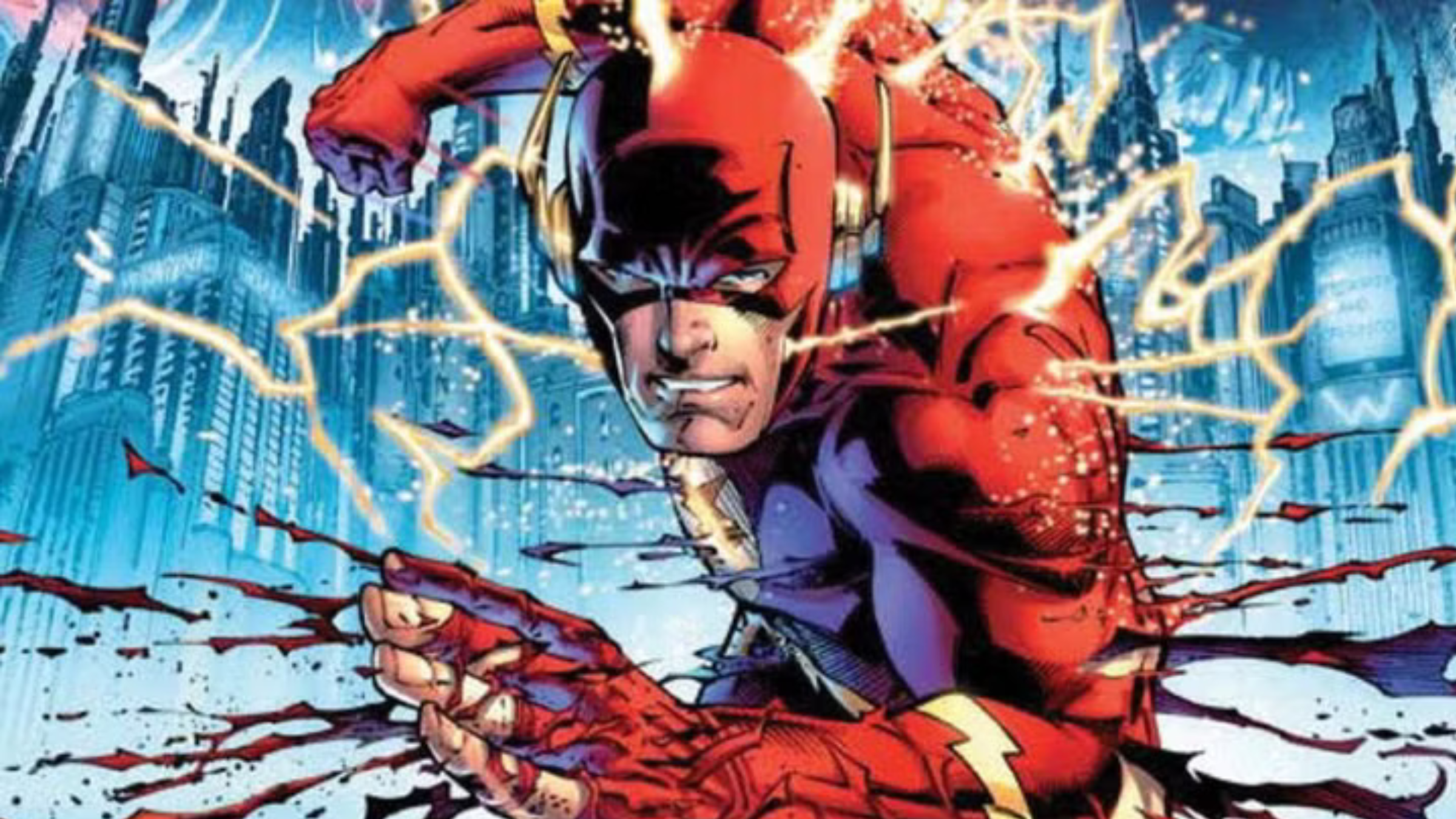
Geoff Johns and Andy Kubert’s Flashpoint launched the New 52, and that’s often held against it. But beyond that, the five-issue story feels disjointed, focusing heavily on Barry Allen, Thomas Wayne, and Cyborg while giving little attention to anyone else. While the world-building is interesting, it feels underdeveloped. The biggest issue, though, is that Barry Allen, a seasoned time traveler, makes incredibly reckless choices, which doesn’t logically fit his character. Knowing this, the story feels less like a natural event and more like a forced setup for the New 52 universe.
Read More
- Gold Rate Forecast
- 10 Most Powerful Versions of Superman, Ranked
- GBP CNY PREDICTION
- Forza Horizon 6 Car List So Far: Confirmed Highlights, Cover Cars, DLC, and Rewards
- 007 First Light: Release Date, Story, Gameplay, Cast, Editions, and Platforms
- DOGE PREDICTION. DOGE cryptocurrency
- Superman’s 7 Best Power-Ups, Ranked
- 10 Greatest Wii U Games of All Time, Ranked
- EUR CNY PREDICTION
- What happened to Soldier Boy in The Boys?
2026-06-02 00:20