Fox Kids premiered on September 8, 1990, with the goal of becoming the new leader in children’s television, challenging the long-held Saturday morning dominance of ABC and NBC. It quickly grew from a weekend block to include weekday afternoons and, in 1996, formed a pivotal partnership with Saban Entertainment, further solidifying its position. This led to an exceptional run of successful shows. By 1995, Fox Kids boasted all ten of the highest-rated children’s programs, a remarkable achievement fueled by a diverse lineup of action-packed superhero series, high-quality animation from various studios, and comedy that raised the bar for children’s television.
In 2001, Disney bought Fox Kids, bringing an end to a very influential era of children’s television. Despite the end of the programming block, shows created during its most popular years remained beloved by audiences for years afterward. Many of these shows also pioneered the way studios now create ongoing, story-driven animated series.
7) Bobby’s World
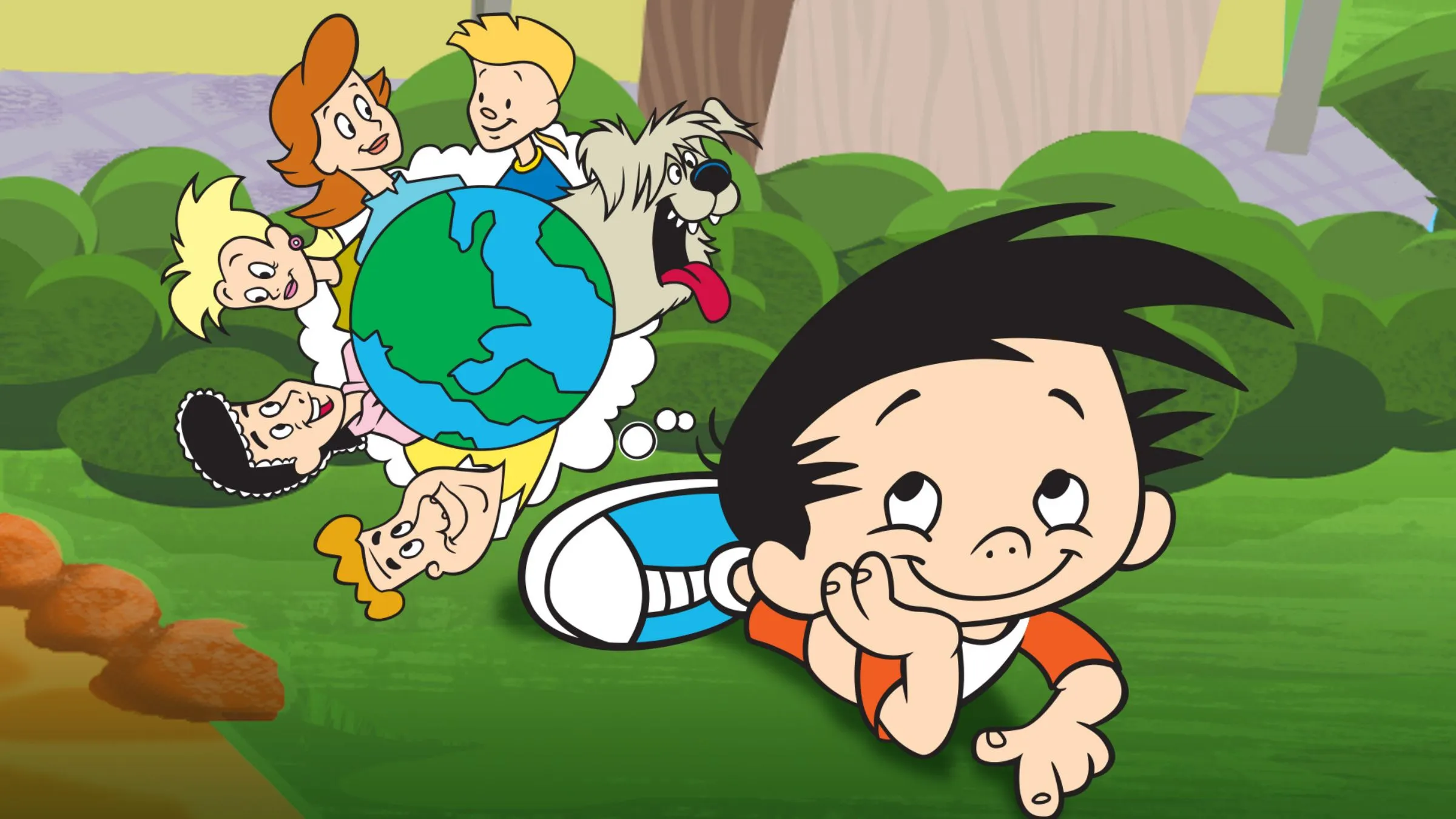
Comedian Howie Mandel teamed up with Film Roman to create Bobby’s World, a cartoon that was a staple of the Fox Kids morning schedule for eight years. The show follows Bobby Generic, a four-year-old boy (voiced by Mandel), and his incredibly active imagination as he turns everyday family life into wild fantasy adventures.
Instead of focusing on grand adventures, the creators of the show centered the stories around everyday family situations and the common worries of childhood – things like learning to swim, visiting family, or being afraid of the dark. When the main character daydreamed, the animation style would change dramatically, using over-the-top character designs and bizarre settings to show what he was thinking. This mix of realistic, everyday life and imaginative fantasy proved to be a winning formula. Plus, Bobby’s World was the very first cartoon to air on the Fox Kids block, paving the way for all the shows that followed.
6) Beetlejuice
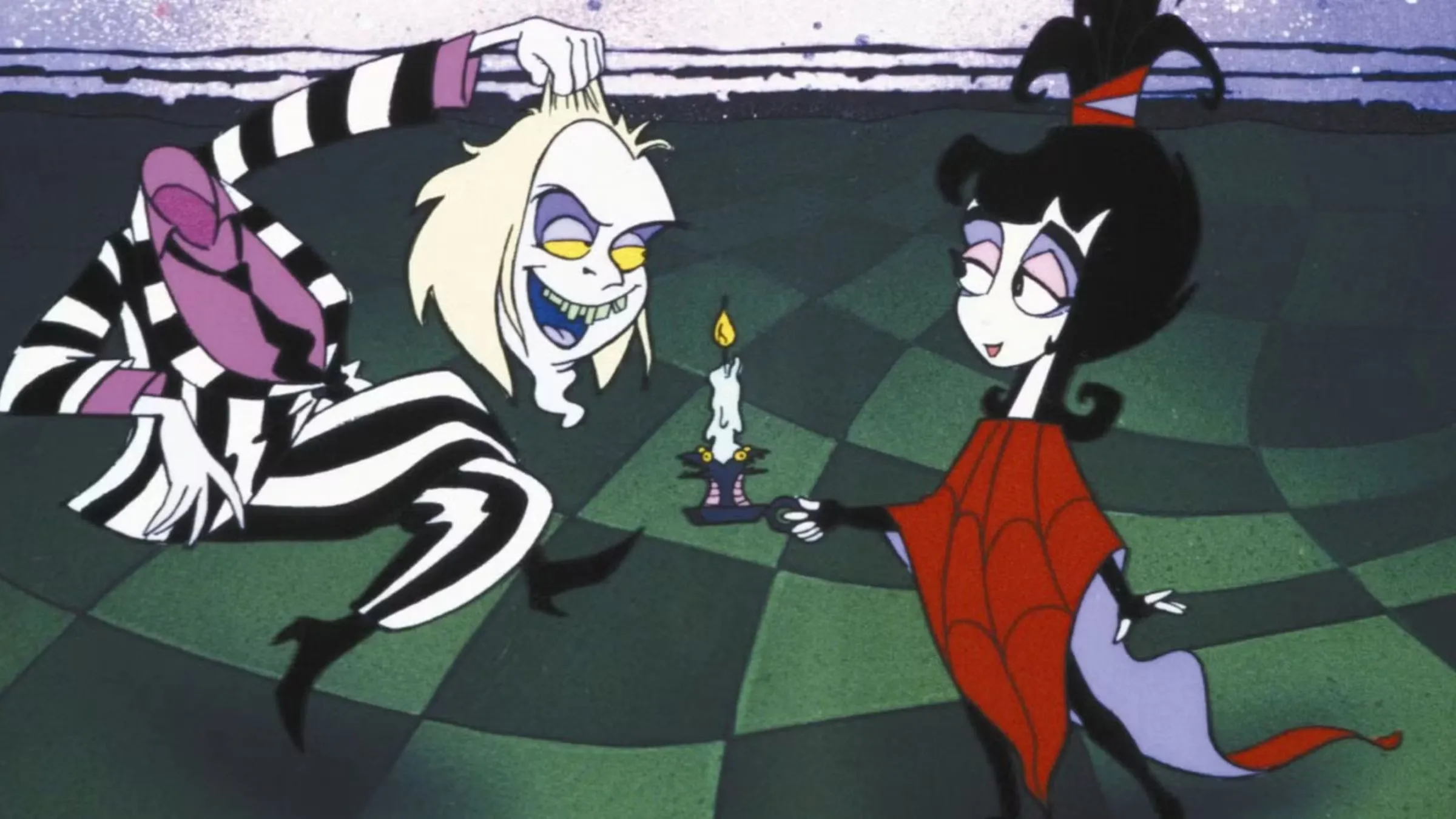
The animated series Beetlejuice was created by Canadian studio Nelvana and Tim Burton’s production company, with Burton as executive producer. Composer Danny Elfman reworked his original movie score for the show. It first aired on ABC in 1989 for three seasons, and then moved to Fox Kids for a fourth season in 1991, totaling 65 episodes. This made Beetlejuice one of the earliest animated series to be shown on two different networks at the same time, and it brought a well-known theatrical property to Fox Kids.
Okay, so the animated series really reimagined Beetlejuice. Instead of being the scary, scheming trickster from the original movie, this version, voiced brilliantly by Stephen Ouimette, becomes Lydia’s partner in all things spooky. And that’s key, because it lets them explore this incredible world called the Neitherworld – think monsters, ghosts, and seriously bizarre visuals straight out of Tim Burton’s imagination – in a totally new way with each episode. It’s like stepping inside a Burton film!
5) Tiny Toon Adventures
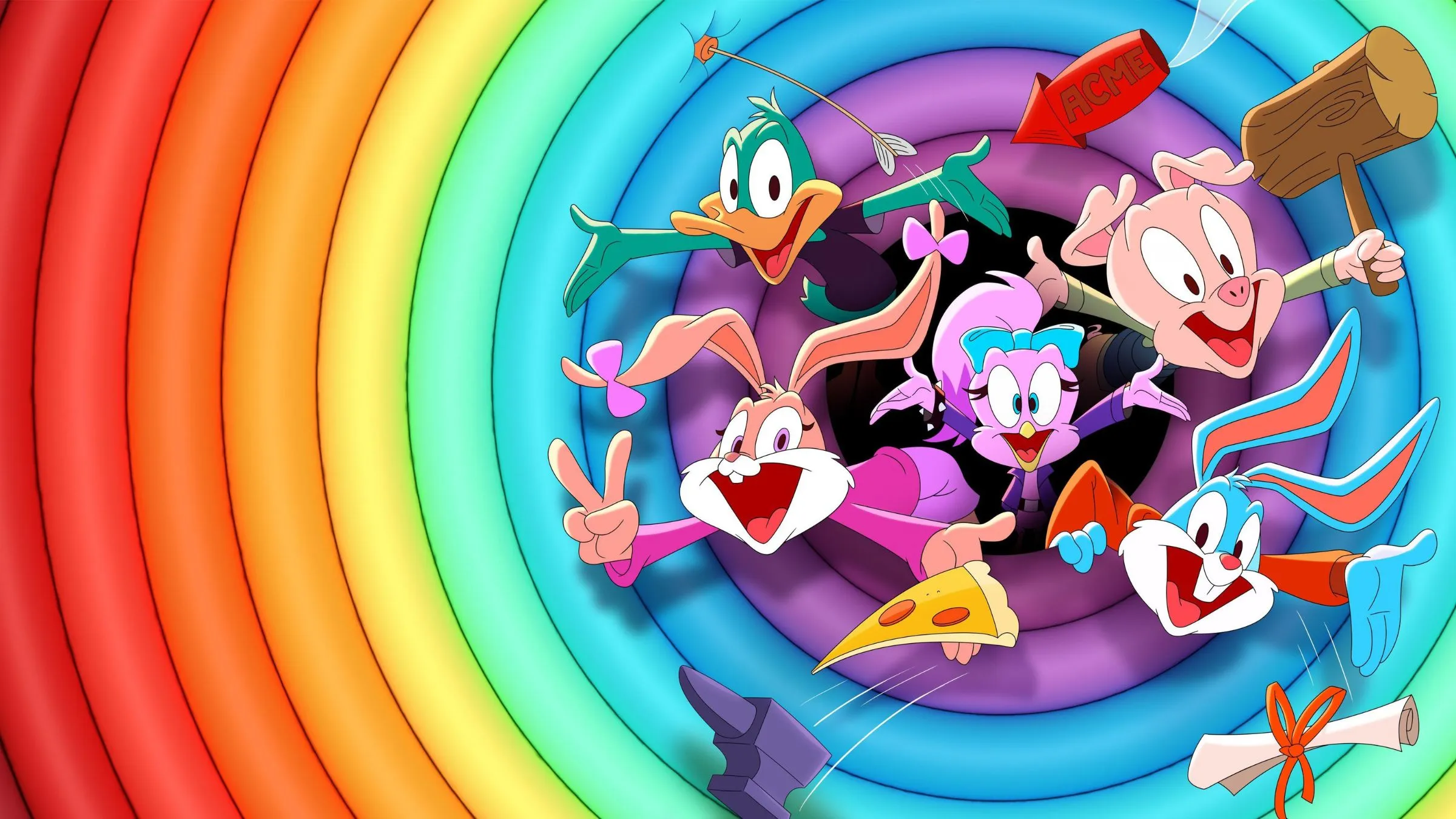
As a huge film buff, I always admired how much care went into the music of Tiny Toon Adventures. Apparently, Steven Spielberg, who was an executive producer, insisted on a full live orchestra for the show’s score. The studio initially balked – it seemed like a really expensive request! – but they eventually agreed and brought in composer Bruce Broughton to handle the music. It was a big deal back then, because most cartoons were using pre-made synthesizer tracks. That commitment to a real orchestra gave Tiny Toons a sound quality that really stood out and made it feel special compared to other Saturday morning shows.
Tiny Toon Adventures followed a fresh group of cartoon characters learning at Acme Looniversity, a school led by the classic Looney Tunes like Bugs Bunny and Daffy Duck. This setup allowed the show to bring the wild, physical comedy of the original shorts into modern stories. Alongside these familiar faces, the series also introduced new characters who quickly became popular, such as Buster Bunny (voiced by Charlie Adler), Babs Bunny (Tress MacNeille), and Plucky Duck (Joe Alaskey). The show aired for two seasons in syndication before moving to Fox Kids for a third in September 1992. When it finished in December of that year, the same team immediately started working on Animaniacs, which demonstrates just how successful Tiny Toon Adventures had been.
4) Animaniacs
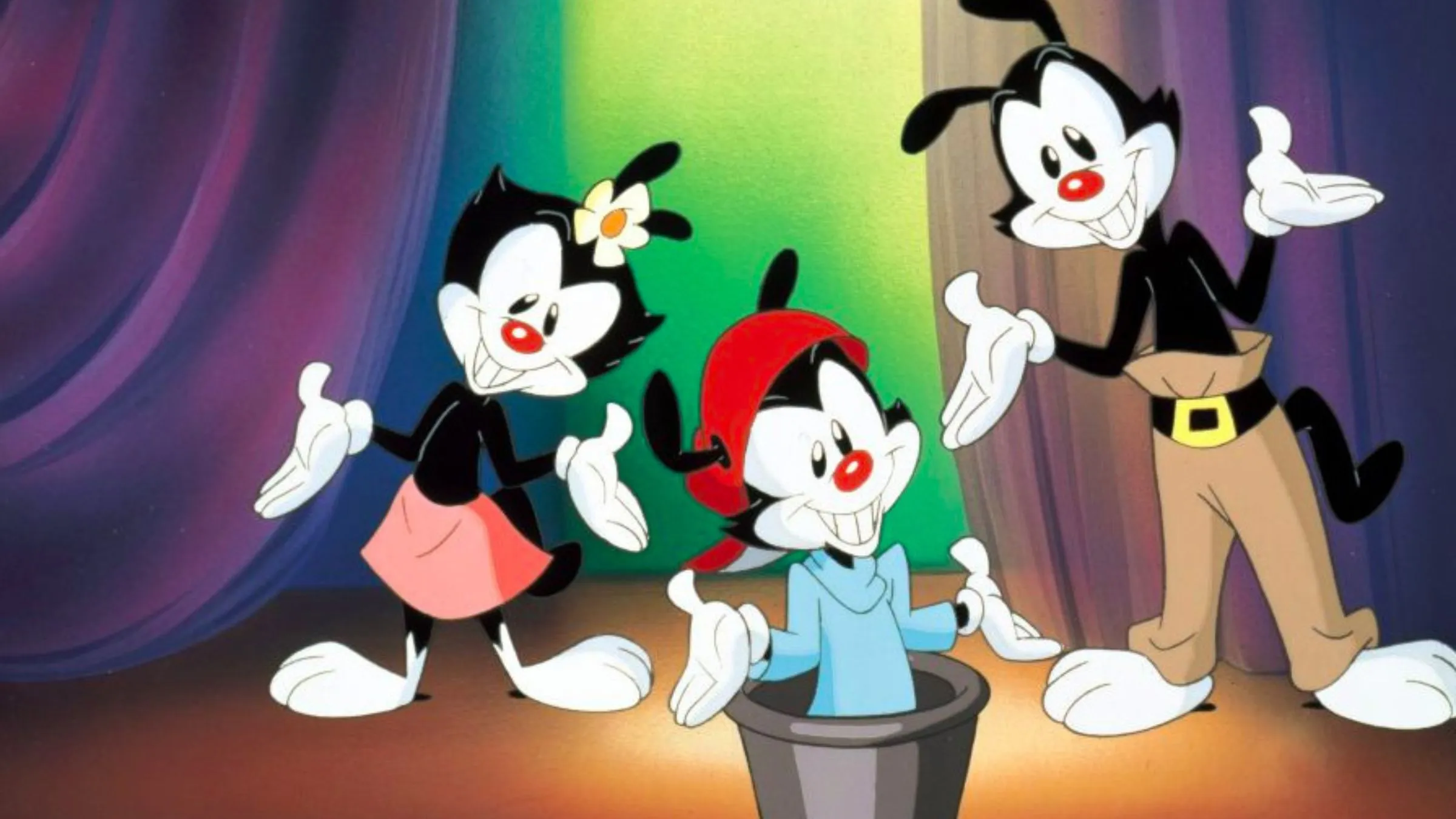
The cartoon Animaniacs featured three wacky sibling characters – Yakko, Wakko, and Dot Warner – who had been hiding in the Warner Bros. water tower since the 1930s. Rob Paulsen, Jess Harnell, and Tress MacNeille provided the voices for these characters. Unlike typical cartoons, Animaniacs was structured like a variety show, switching between the Warners and other recurring characters like Pinky and the Brain (voiced by Maurice LaMarche). The show was known for its clever writing, blending political humor, parodies, and catchy musical numbers that appealed to both kids and adults, often with different jokes landing for each audience – a key reason for its lasting popularity across generations.
When Animaniacs first aired on September 13, 1993, on Fox Kids, it quickly became more popular than shows on the Disney Afternoon in its time slot. By November of that year, Fox Kids president Margaret Loesch and executive producer Steven Spielberg realized that the characters Pinky and the Brain – two lab mice who appeared in short segments and dreamed of taking over the world – were popular enough to star in their own show, which premiered on Kids’ WB in 1995. Because of its success, Animaniacs remained a key part of Fox Kids’ programming and became one of the most memorable shows of the 1990s.
3) Spider-Man: The Animated Series

When John Semper Jr. became the producer of Spider-Man: The Animated Series, he was initially told by Avi Arad, the executive producer, to focus on villains that would sell a lot of toys, even if it meant the stories didn’t always make sense. Semper disagreed and instructed his writing team to center the show on Peter Parker’s life and struggles, rather than just Spider-Man’s adventures. This approach led to episodes that explored the emotional impact of Parker leading a double life, instead of simply focusing on action.
Like the comics, Spider-Man: The Animated Series told stories in multi-episode arcs, allowing storylines like the Venom saga, the reveal of the Green Goblin, and an adaptation of Secret Wars to unfold over several weeks. Despite being popular, the show was cancelled when New World Pictures went out of business and Fox decided not to fund further episodes, ending a series creator Semper had hoped to continue for at least another season.
2) X-Men: The Animated Series
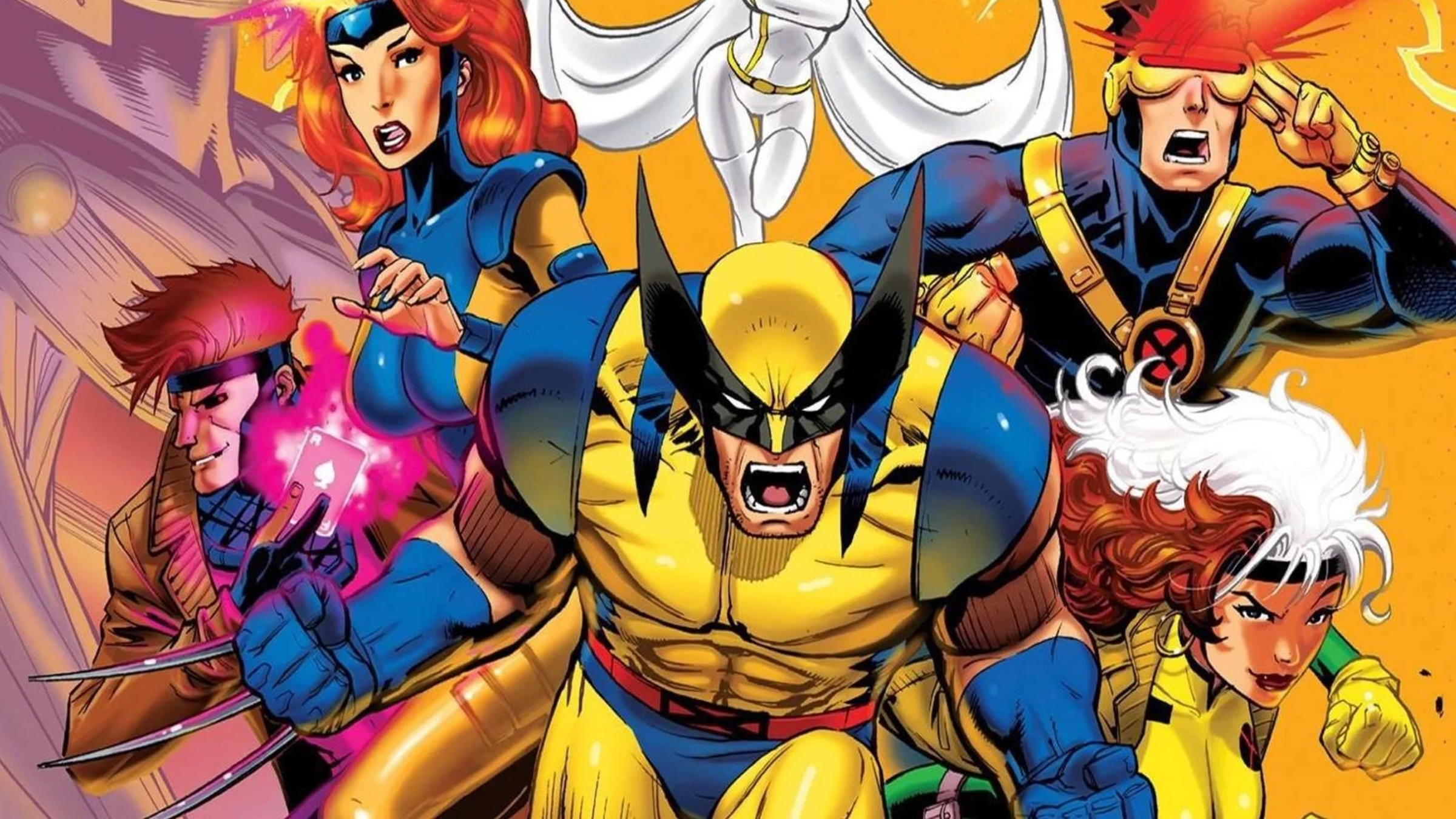
Eric Lewald, the creator of X-Men: The Animated Series, cleverly used the show to explore themes of prejudice and discrimination. He devoted considerable time to depicting debates about mutant rights, government monitoring, and whether mutants should strive for peaceful coexistence or fight for separation. Beyond this important subject matter, the show also presented the X-Men as a complex, often troubled family, with a central conflict between the controlled Cyclops (voiced by Norm Spencer) and the rebellious Wolverine (voiced by Cathal J. Dodd). These choices resulted in a uniquely serialized storytelling approach for a cartoon at that time.
The creators of X-Men: The Animated Series weren’t afraid to tackle the most complicated stories from the comics. They successfully presented epic, multi-episode arcs involving time travel, alien civilizations, and the powerful Phoenix Force, all while keeping the characters’ feelings and motivations relatable. The show’s huge popularity practically paid for the growth of the Fox Kids programming block, and it helped pave the way for the current wave of superhero entertainment by showing a whole generation that comic book stories could be genuinely compelling.
1) Batman: The Animated Series
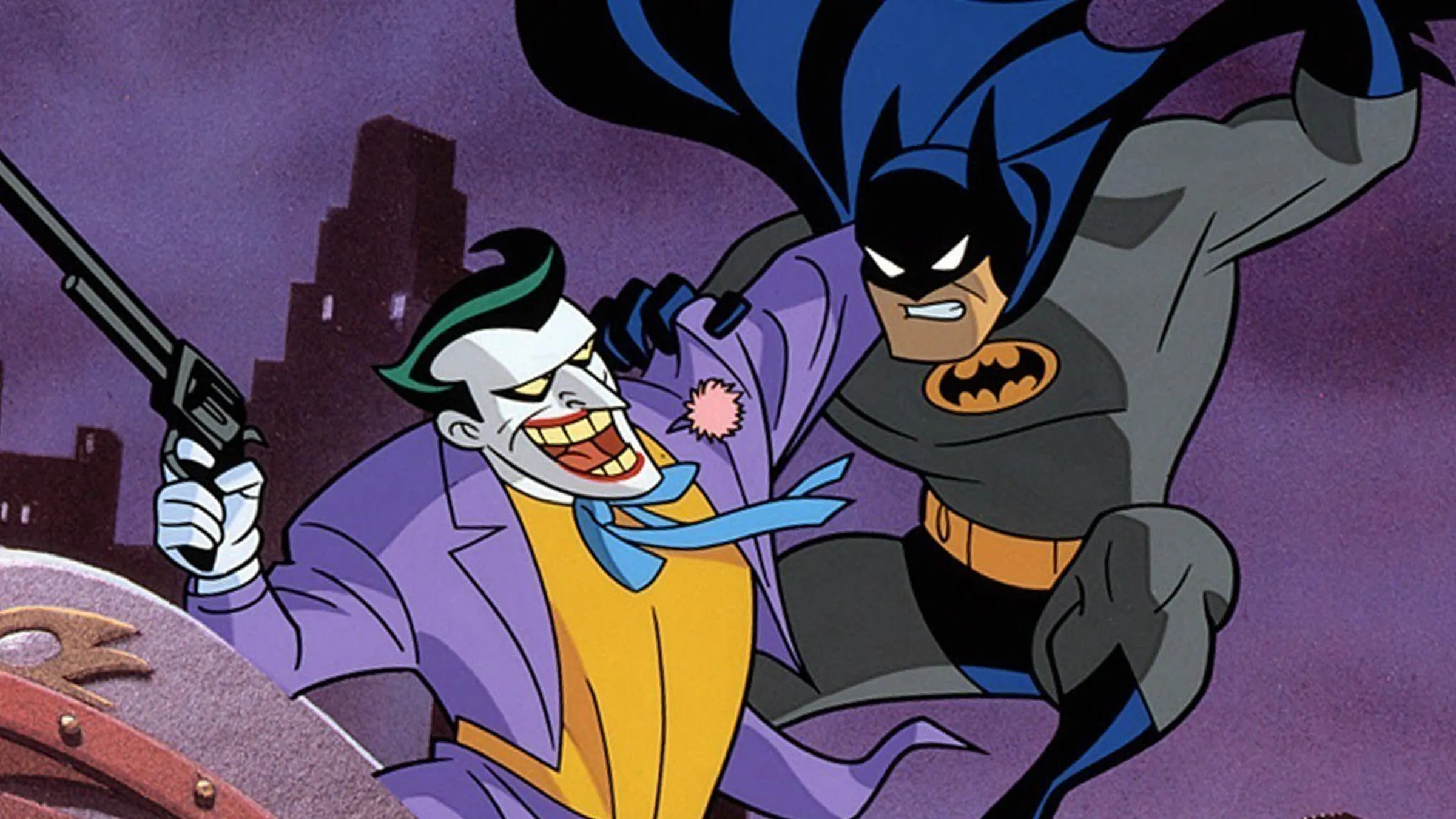
In the 1990s, Batman: The Animated Series stood out because it uniquely painted its backgrounds on black paper instead of the usual white. This technique, dubbed “Dark Deco” by Bruce Timm and Eric Radomski, gave the show a distinctive look. It blended Art Deco design with the shadowy style of film noir, and took inspiration from both the classic Superman cartoons of the 1940s and Tim Burton’s Batman movies. This combination created a timeless, retrofuturistic feel for Gotham City.
Batman: The Animated Series had a dark and serious tone that matched its gloomy visuals, focusing on the characters’ inner lives and realistic crime stories. Bruce Wayne, voiced by Kevin Conroy, was portrayed as a detective haunted by past trauma, operating in a city riddled with corruption. Even the villains, like Mr. Freeze (voiced by Michael Ansara), were given sympathetic backstories that explained their actions. The performances of Kevin Conroy as Batman and Mark Hamill as the Joker were so iconic that both actors continued to play those roles in the Batman: Arkham video games for over fifteen years after the animated series finished airing.
Read More
- Gold Rate Forecast
- 10 Most Powerful Versions of Superman, Ranked
- GBP CNY PREDICTION
- 007 First Light: Release Date, Story, Gameplay, Cast, Editions, and Platforms
- Forza Horizon 6 Car List So Far: Confirmed Highlights, Cover Cars, DLC, and Rewards
- DOGE PREDICTION. DOGE cryptocurrency
- EUR CNY PREDICTION
- PI PREDICTION. PI cryptocurrency
- Superman’s 7 Best Power-Ups, Ranked
- Fishbowl Is a Charming and Heartfelt Indie You Won’t Want to Miss (Review)
2026-06-02 21:42