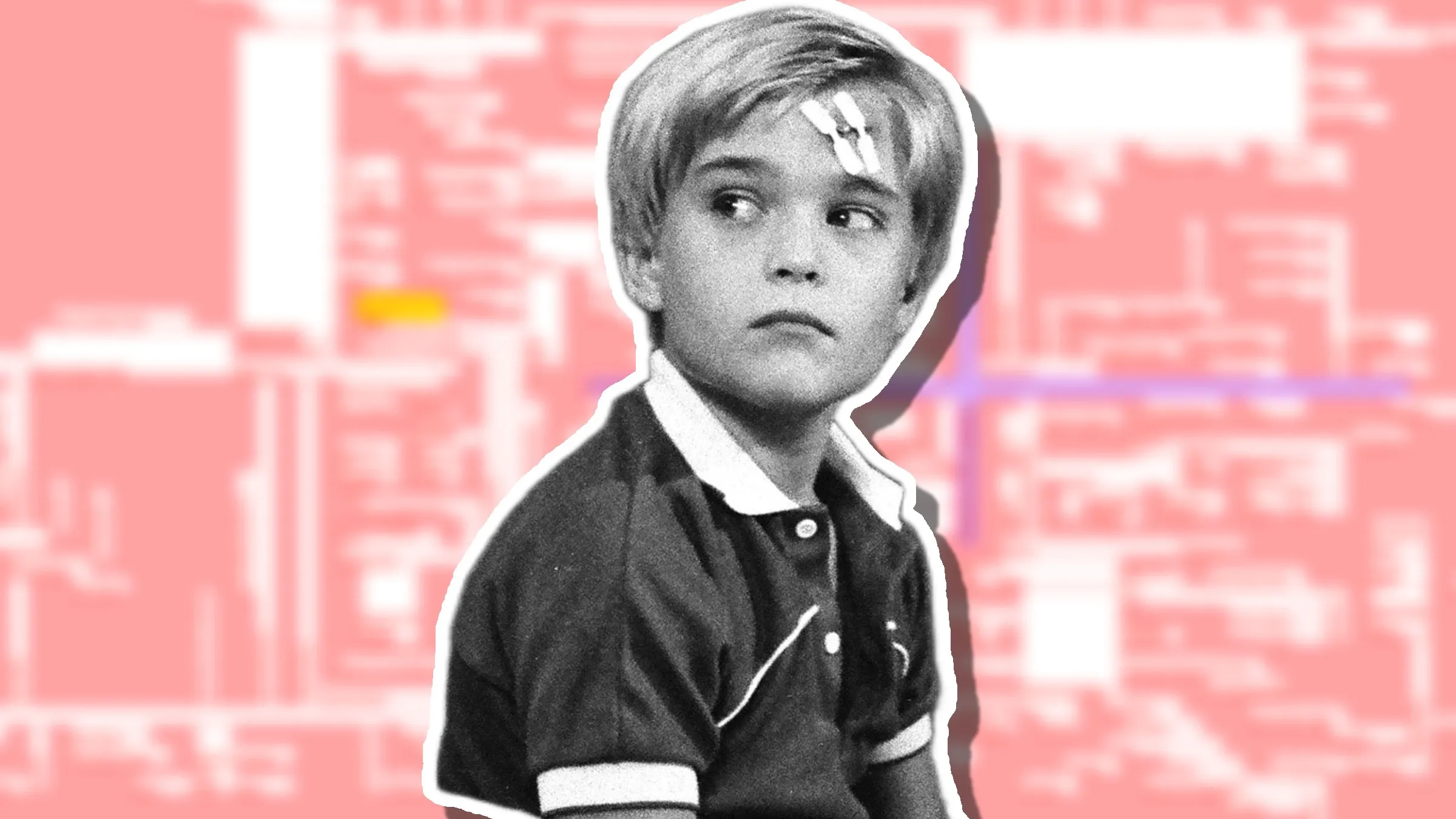
It’s pretty common for a TV show’s finale to leave viewers feeling confused or disappointed, wondering if that was really all there was to it. This just happened with the unexpected final episode of HBO’s Euphoria. HBO has a history of endings that frustrate fans – think about the abrupt ending of The Sopranos or the controversial finale of Game of Thrones. Not every show can have a perfectly satisfying conclusion like Six Feet Under did.
Unsatisfying TV finales aren’t new – shows have been ending poorly for decades, as anyone who remembers cliffhangers in series like Alf and Sliders can attest. Recently, we marked the 38th anniversary of a particularly shocking ending: the finale of the medical drama St. Elsewhere. Despite being a popular and award-nominated show for six seasons, the finale’s strange twist left many viewers disappointed. However, that twist unexpectedly opened the door to what might be the most ambitious crossover event in pop culture history.
St. Elsewhere’s Ending Was a Major Twist
Despite some funny moments, St. Elsewhere was primarily a serious medical drama centered around the struggling St. Eligius Hospital, often portrayed as a place where difficult cases ended up. For its time, the show was fairly realistic in its storytelling, tackling issues like AIDS alongside the everyday challenges faced by doctors. The series finale brought closure to many storylines and featured the deaths of two key characters, but it’s the final two scenes that viewers still remember most vividly.
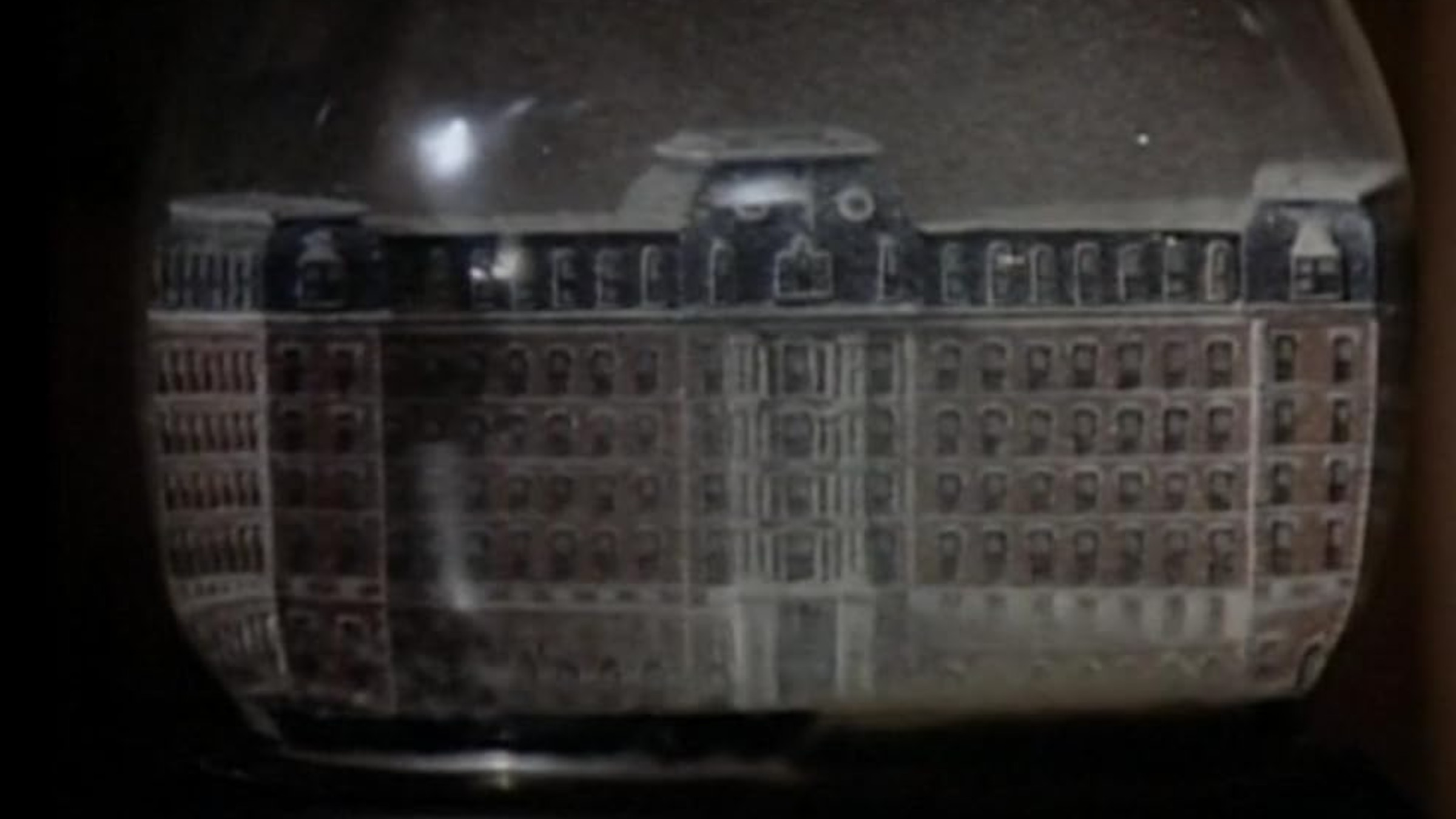
In the final moments of the show, Dr. Westphall recalls his deceased colleague, Dr. Auschlander, as his son, Tommy, looks out at the falling snow. The scene changes to show the outside of the hospital, then cuts to a completely new setting: Westphall, now working as a builder instead of a doctor, returns home to his father, who is also named Auschlander. Tommy is there, playing with a snow globe.
Right before the show closes, Donald Westphall says something incredibly moving. He admits he struggles to understand his son’s autism, saying, “I don’t get this autism thing, Pop. Here’s my son… I try to talk to him, but I don’t even know if he can hear me. He spends all day lost in his own world, just staring at that toy. I wonder what’s going on in his head?”
When Tommy shakes a snowglobe and places it on the TV, we see a miniature St. Eligius Hospital inside. This leads to a shocking possibility: was the entire show St. Elsewhere actually the elaborate fantasy of an autistic boy? It’s a twist on the classic “it was all a dream” ending, but taken to an extreme. And the meaning behind the finale goes even deeper than that.
The Tommy Westphall Universe Is the Biggest Crossover in Pop Culture History
I remember being completely blown away by the ending of St. Elsewhere. It wasn’t just that the whole show might have been a fantasy inside Tommy Westphall’s head – it suggested everything we’d been watching on TV, countless other shows, were also part of his imagination! It was a mind-bending idea, and I later learned the brilliant comic book writer Dwayne McDuffie was the first one to really point that out and connect it all together – that’s how the “Tommy Westphall universe” was born.
In a 2006 blog post, McDuffie first explored the concept of the interconnected “Tommy Westphall universe.” He used the show St. Elsewhere – and the idea that everything within it was happening inside a character’s mind – to illustrate how comic book fans should approach continuity. He argued that fans shouldn’t be overly concerned with strict adherence to details, especially when it comes to crossovers between different comic book series, and should instead embrace a more flexible understanding of the stories.
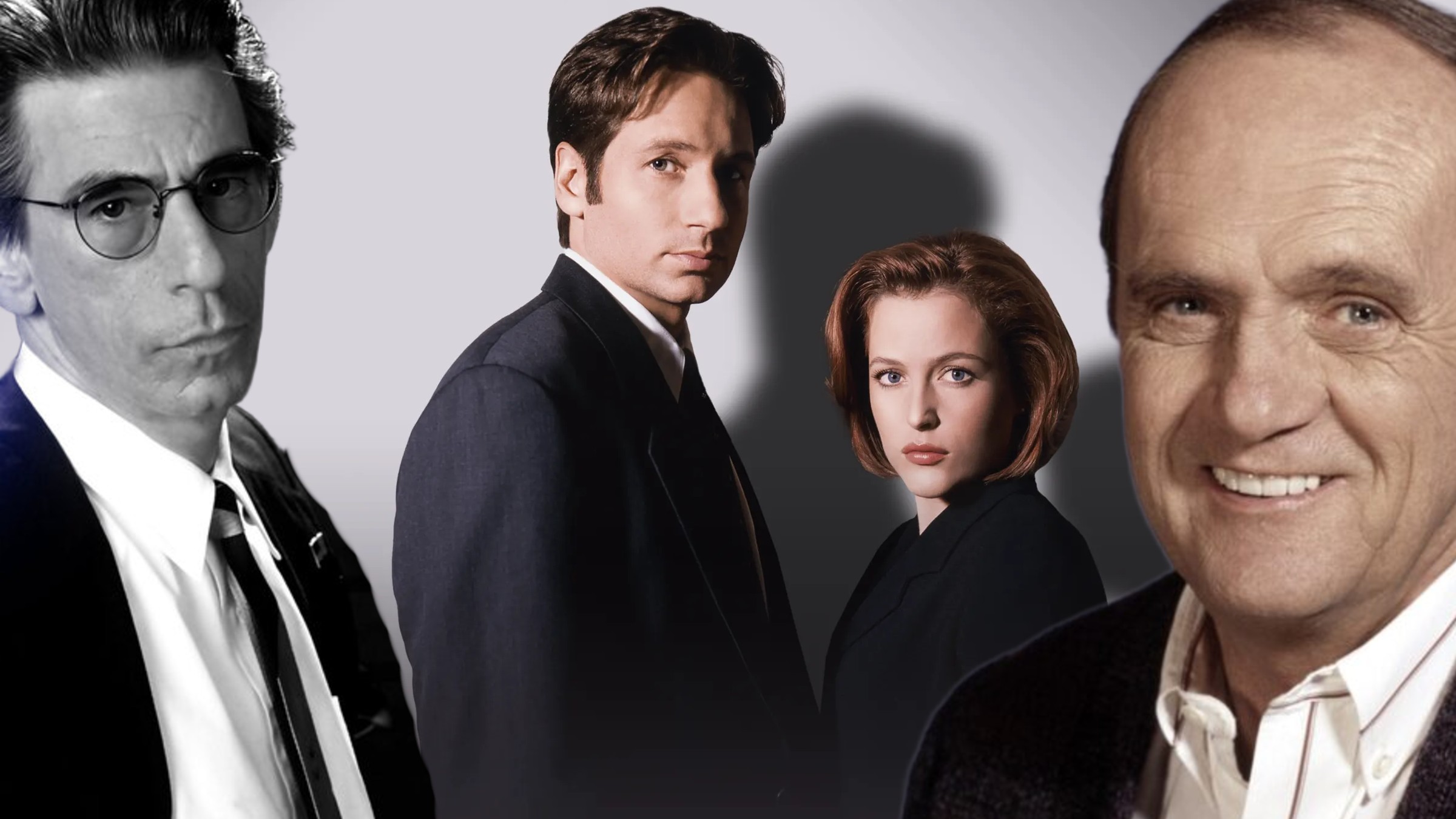
McDuffie points out how the TV show St. Elsewhere is linked to many others through its characters. It started when actors from St. Elsewhere appeared on Homicide: Life on the Street, introducing the character of Detective John Munch, famously played by Richard Belzer. Munch then crossed over into The X-Files and Law & Order, and because of these connections, all of those shows – and any others linked to them – are considered part of the same fictional universe, known as the Tommy Westphall universe.
McDuffie went even further, pointing out that the show Homicide featured characters from Chicago Hope, which had previously crossed over with Picket Fences. This show then connected to Ally McBeal, which was linked to The Practice, and the connections continued. He jokingly called this the “Grand Unification Theory,” arguing that while crossovers can be entertaining, maintaining consistent continuity across multiple series is unnecessary. He believed that if you try to connect all these shows, none of them feel truly real, making a strong argument against being overly concerned with maintaining that connectivity.
The problem with McDuffie’s original idea is that fans have taken it much further than he intended. Instead of simply identifying connections, they’ve used his theory to link an astonishing number of shows together, creating a vast “Tommy Westphall universe.” A dedicated website currently lists 419 shows as being part of this universe, even including many that weren’t airing when McDuffie died in 2011. The connections span decades and genres, encompassing classics like The Brady Bunch (which predates St. Elsewhere by nine years), the original Batman series with Adam West, all of the Star Trek shows, and more recent hits like LOST, Breaking Bad, Supernatural, The Walking Dead, CSI, and hundreds of others. You can explore the complete list on this website.
Ultimately, the way the show St. Elsewhere ended perfectly demonstrates that Dwayne McDuffie was right – you shouldn’t treat the details of a crossover event as absolute fact. When the writers were finishing St. Elsewhere, their priority was simply to give the show a satisfying conclusion, not to worry about creating plot holes for other TV shows. It’s possible to acknowledge both that McDuffie’s point was valid and that the ending of St. Elsewhere is the key moment in what remains one of the most ambitious crossovers in television and pop culture history.
Read More
- 10 Most Powerful Versions of Superman, Ranked
- GBP CNY PREDICTION
- Gold Rate Forecast
- DOGE PREDICTION. DOGE cryptocurrency
- EUR CNY PREDICTION
- 10 Greatest Wii U Games of All Time, Ranked
- 007 First Light: Release Date, Story, Gameplay, Cast, Editions, and Platforms
- Superman’s 7 Best Power-Ups, Ranked
- Forza Horizon 6 Car List So Far: Confirmed Highlights, Cover Cars, DLC, and Rewards
- CNY RUB PREDICTION
2026-06-03 17:43