Razer makes so many different products these days, I usually have a good idea of what to expect when I talk to them. But this year’s Consumer Electronics Show was different – they really surprised me.
Don’t expect to see new Razer Blade laptops or gaming accessories aimed at competitive players at CES 2026. Razer did things a bit differently this year, and their presentations were full of surprises – it was hard to predict what they’d unveil next.
Razer is expanding its AI features beyond software and into physical products. Instead of smart glasses, they’re focusing on smart headphones, and envisioning gaming chairs that offer complete immersion. Plus, Razer is releasing a Bluetooth version of its Wolverine V3 controller, specifically designed for TV gaming. Here’s a rundown of the latest news from Razer.
Razer is experimenting and expanding

Razer has been increasingly focused on artificial intelligence, as demonstrated by their recent unveiling of Project Ava – an AI companion designed specifically for gamers – at the last CES event.
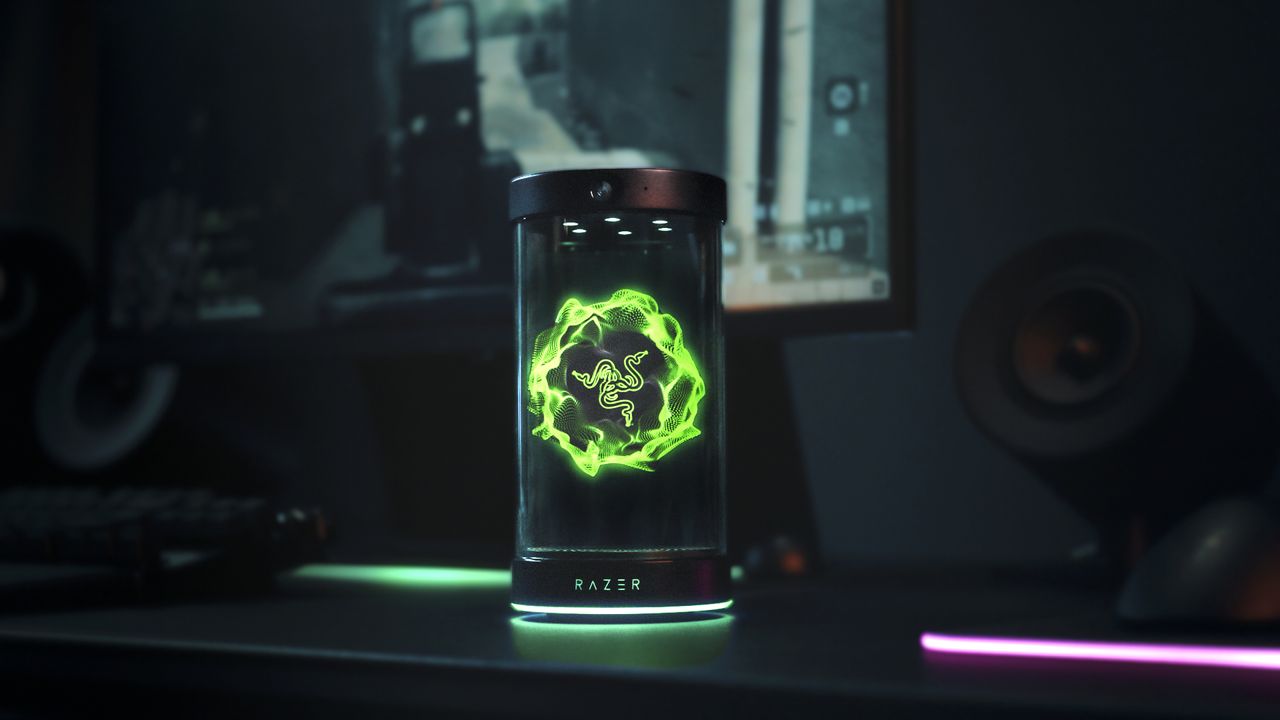
As a researcher following Razer, it’s clear AI is becoming central to their innovations, like with many other tech companies. At CES 2026, I was really surprised to see Project Ava evolve into something completely new. After a year of development, it’s no longer just an AI working behind the scenes. They’ve created a holographic companion that can actually sit on your desk, and it can see and hear you in real time – it truly took me by surprise!
A new product is launching this year, and you can now reserve one in the US. This latest version of Project Ava is a 5.5-inch animated avatar housed in a sleek, cylindrical device. It’s designed to assist you both in your daily life and while you’re gaming or working, offering help with a variety of tasks.
Razer’s first digital avatars have a distinct anime style, and they plan to add more as their AI technology, Project Ava, improves and gains traction. It’s unclear if many people will adopt this product, but Razer deserves credit for innovating and finding a playful approach to AI.
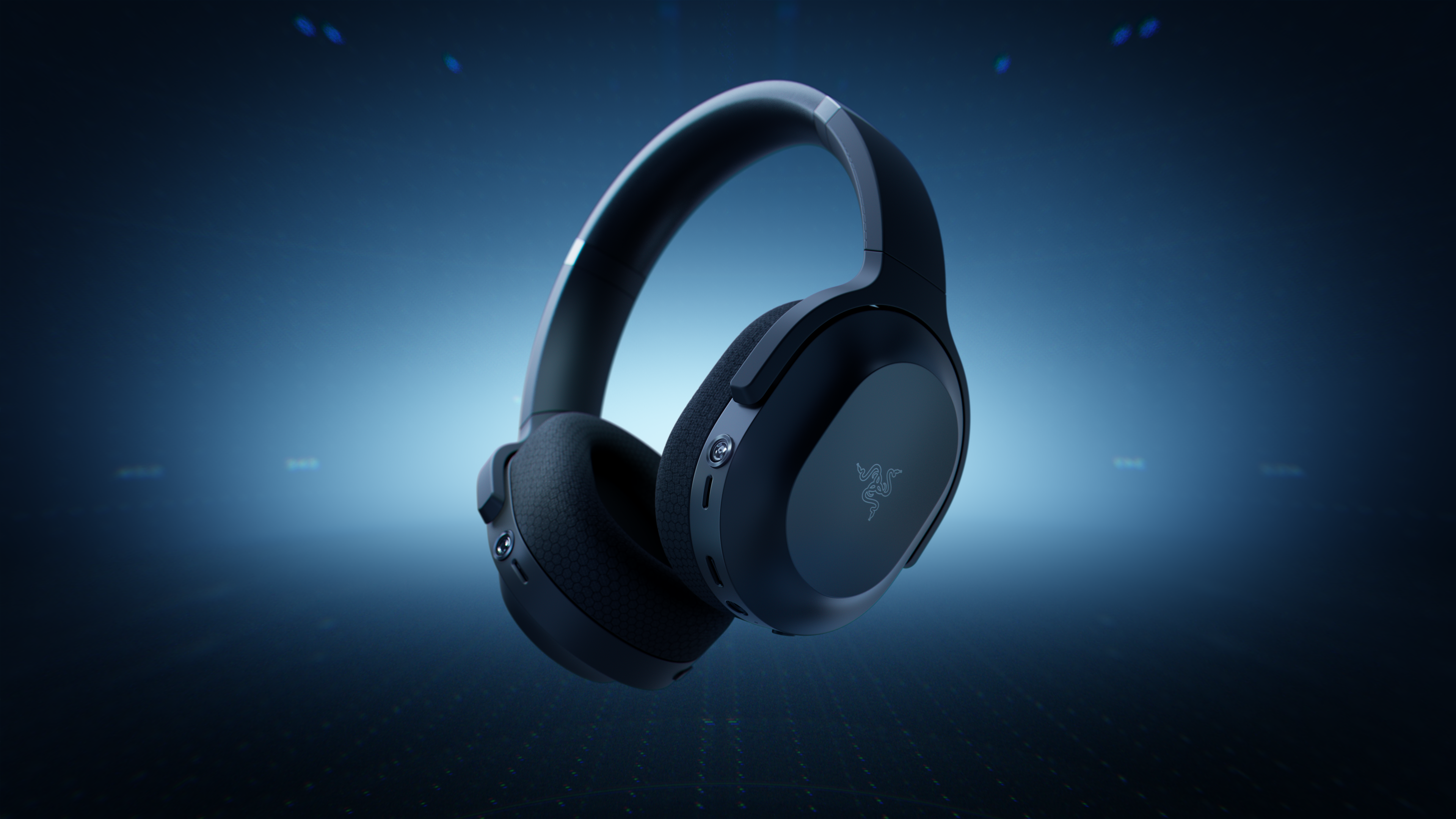
Following up on the trend of AI companions, Razer unveiled Project Motoko, a new take on smart wearables – currently led by AR glasses. It’s a concept for smart headphones featuring two point-of-view cameras.
When I say “PoV,” I’m referring to how these headphones are built to align with your direct line of sight – unlike many smart glasses which sit a little higher. Razer points out that most people prefer headphones to glasses, and these avoid the need for prescription lenses. They also offer more private conversations with the AI assistant, and even work as excellent wireless Bluetooth headphones on their own.
Imagine having an AI assistant that’s always with you, understanding what you see and hear. This assistant could answer your questions, offer advice, give directions, brainstorm ideas, translate languages, identify objects in images, and much more. Razer’s new project, Mokoto, is different from previous attempts like Project Ava because it lets *you* choose the AI assistant that works best for you. This AI will run directly on your headphones, and will only need an internet connection from your device occasionally.
As you probably figured out, Razer intends to turn Project Mokoto into an actual product, though the final version won’t be exactly as shown. It started with a base similar to the Razer Barracuda X Chroma, but the released product could look quite different – and will be a top-of-the-line device. Razer mentioned a possible 2026 launch, but that’s still very uncertain.
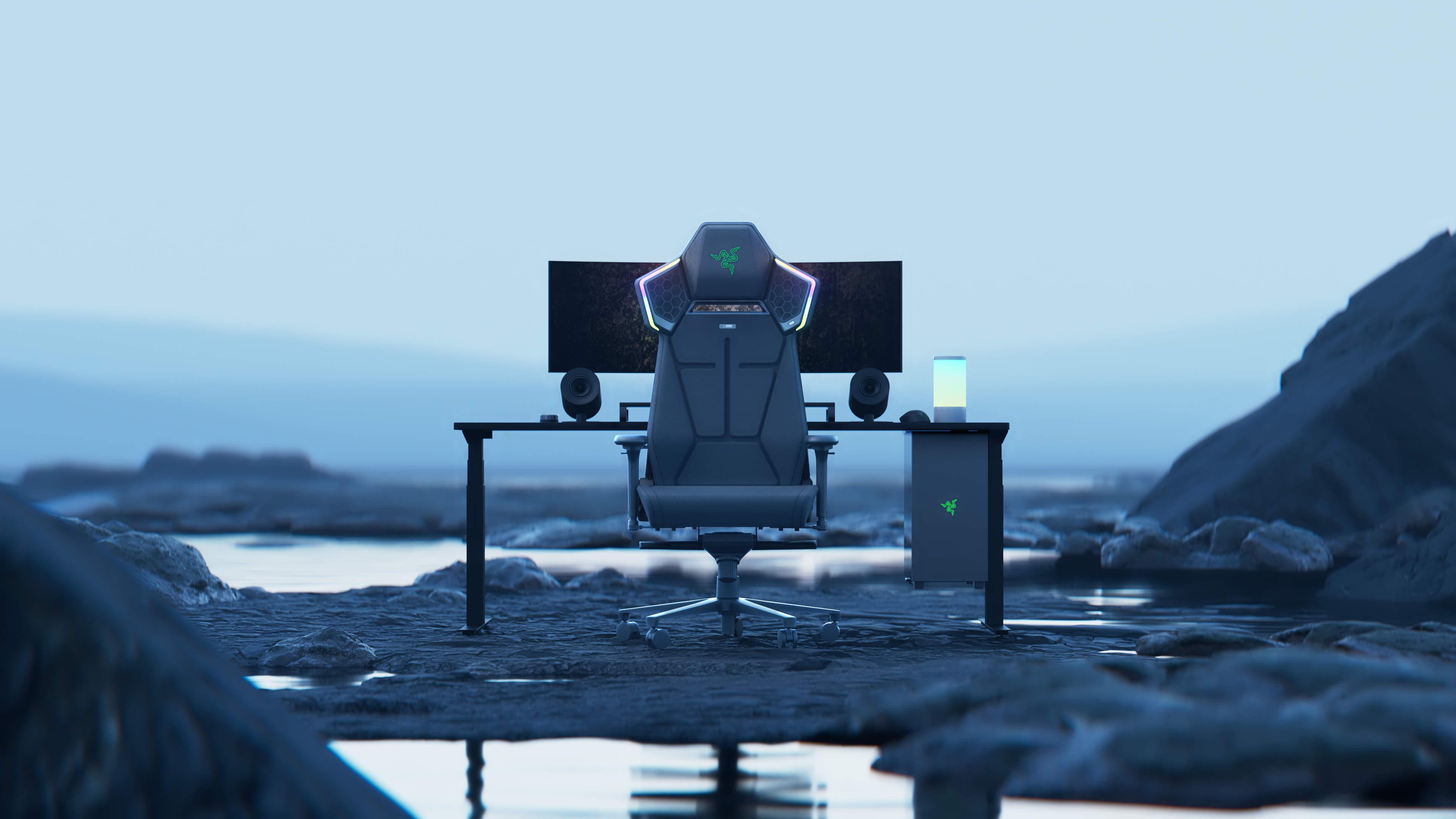
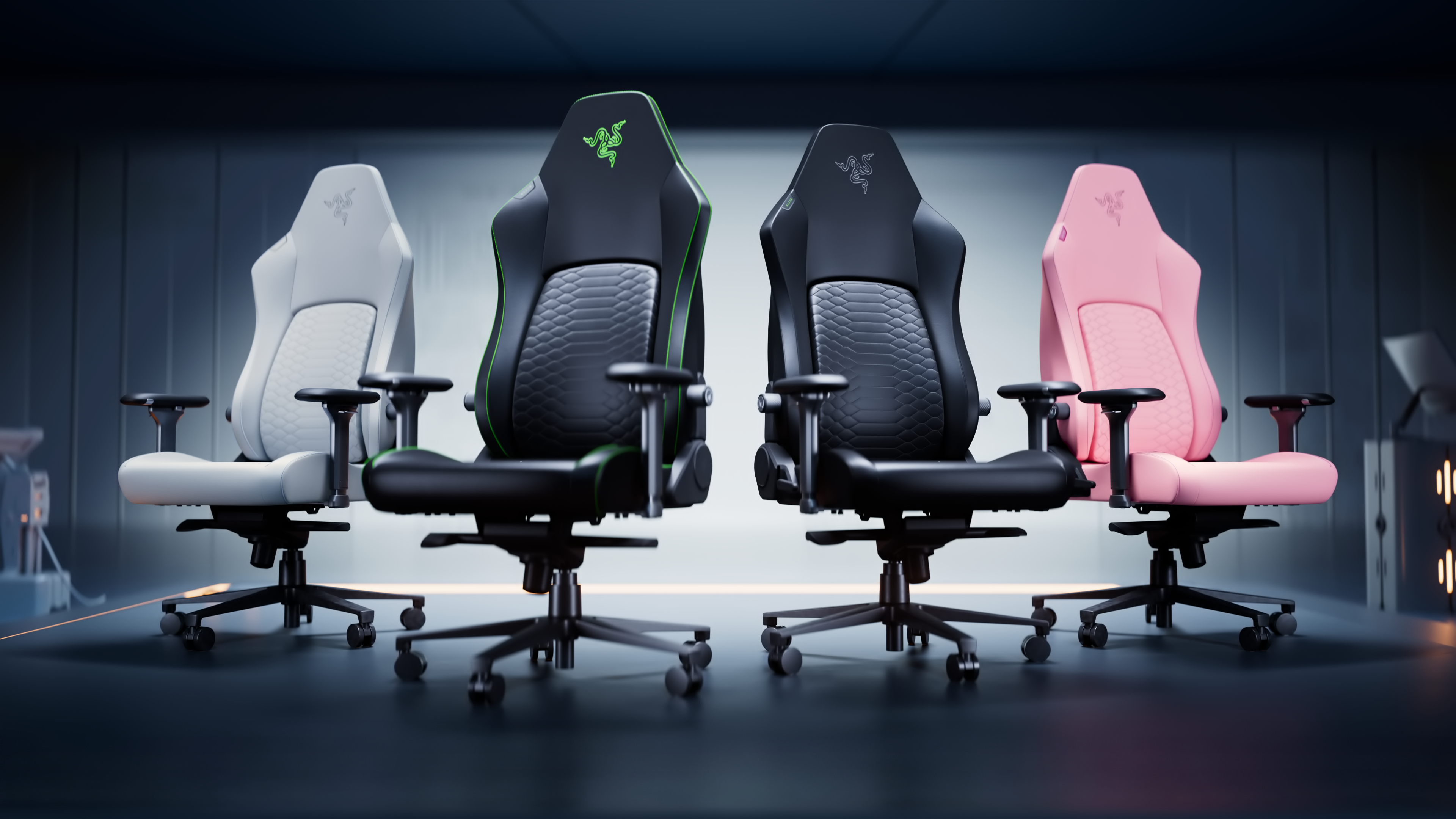
Razer unveiled a new concept chair at the show – a different one from the cooling/heating chair they presented last year. This new project, called Madison, focuses on creating a fully immersive gaming experience by combining comfort, high-quality audio, realistic vibrations, and customizable RGB lighting. Think of it like the Razer Freya chair, but built directly into a gaming chair, with THX spatial audio speakers positioned around your ears and reactive Razer Chroma lighting integrated into the headrest.
As a researcher, one question I often get is whether a particular project will actually become a product available for purchase. In Madison’s case, it seems likely it might remain a concept, similar to past projects. However, the innovations and ideas we’re exploring will definitely inform future Razer products. On a more concrete note, the Razer Iskur V2 NewGen *is* available now. It’s essentially the Iskur V2 we previously reviewed, but with improvements to comfort and ergonomics based on user feedback.
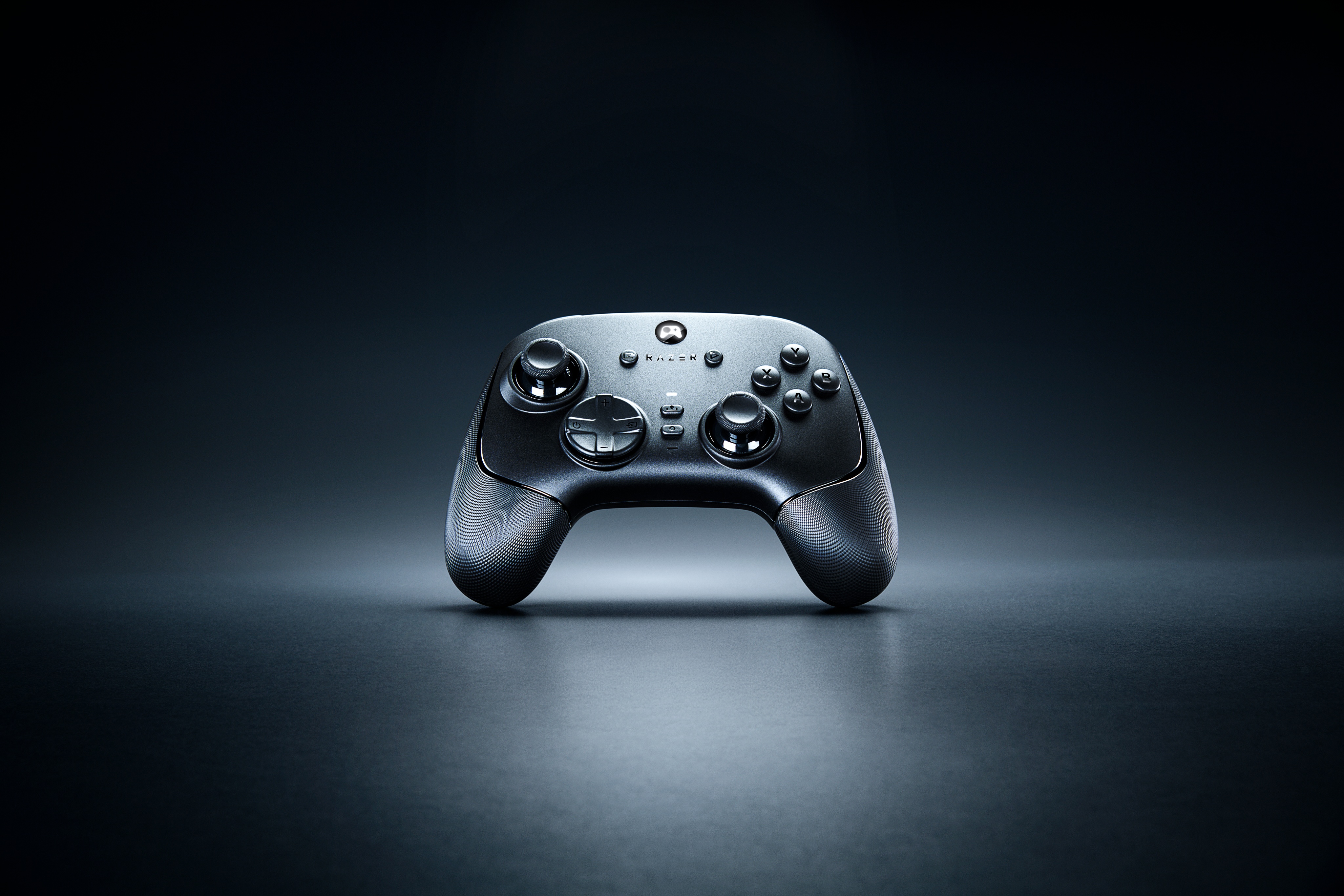
The Razer Wolverine V3 Bluetooth is a portable version of the highly-rated Razer Wolverine V3 Pro. It keeps the same great design and controls, but adds fast and reliable Bluetooth connectivity for gaming on the go. Developed with LG, it seamlessly works with the LG Gaming Portal and even includes controls for your LG TV.
I generally enjoy Razer’s products and they often have something unexpected up their sleeve. While nothing at CES 2026 immediately caught my attention as a must-have, I appreciate Razer’s commitment to innovation and exploring new product areas. We at Windows Central are looking forward to reviewing these new releases as they become available.

Read More
- Why is Tech Jacket gender-swapped in Invincible season 4 and who voices her?
- Welcome to Demon School! Iruma-kun season 4 release schedule: When are new episodes on Crunchyroll?
- Sydney Sweeney’s The Housemaid 2 Sets Streaming Release Date
- Highly Anticipated Strategy RPG Finally Sets Release Date (And It’s Soon)
- The Super Mario Galaxy Movie: 50 Easter Eggs, References & Major Cameos Explained
- Dune 3 Gets the Huge Update Fans Have Been Waiting For
- TV legend Carol Kirkwood reveals the reasons why she decided to retire after 28 years with BBC
- Who Wants to Be a Millionaire? confirms contestant wins full £1 million prize pot on Jeremy Clarkson quiz
- How Blake Lively & Ryan Reynolds’ Kids Pranked Her on April Fool’s Day
- Sesame Street Slams “Disgusting” Posts on Elmo’s Account After Hack
2026-01-06 17:10