For years, the gaming world unintentionally excluded many players with disabilities. The industry operated under the false idea that all players experienced games the same way – that every controller was comfortable for everyone, every screen was easily visible, and every game was completable with enough effort. This wasn’t a matter of design choices; it was a systemic barrier that kept millions from participating.
The release of the Xbox Adaptive Controller marked a turning point. It completely changed how people thought about accessible gaming hardware, and its robust accessibility features inspired other developers to create their own. For gamers with disabilities, this wasn’t just an add-on – it signaled that the gaming industry was finally understanding that accessibility is a core part of good game design, not an afterthought.
Gaming’s Default Settings Always Excluded Millions of Players
For a long time, the gaming world unintentionally excluded many players. Older consoles were built with a very specific person in mind: someone with two working hands, normal color vision, good hearing, and the ability to react quickly to everything on the screen. There were no settings to make the game easier or more accessible for anyone who didn’t fit that description, and developers didn’t consider it their responsibility to provide them.
The gaming industry was aware of accessibility needs much earlier than it let on. Nintendo created the Hands-Free controller for the NES in 1987, allowing players with limited hand use to play using a mouth-operated device. This happened almost forty years ago. The fact that this one, largely overlooked accessory was the only significant accessibility hardware for over thirty years highlights how little importance the industry placed on making games accessible to everyone.
Players with colorblindness struggled to tell enemies apart from their surroundings. Those who are deaf missed important story information delivered through sound. And players with motor impairments found many fast-paced games unplayable because the quick reactions required were physically impossible with a standard controller. Every game design included assumptions about player abilities, even if those assumptions weren’t intentionally made.
The Xbox Adaptive Controller Kicked the Door Clean Off Its Hinges
The 2018 release of the Microsoft Xbox Adaptive Controller was more than just a new device; it fundamentally changed what the gaming industry considered its responsibility to accessibility. Microsoft created the controller by working directly with groups like AbleGamers, the Cerebral Palsy Foundation, SpecialEffect, and Warfighter Engaged.
This controller was created entirely based on what players wanted, listening closely to the community it was designed for. The final product was a truly unique piece of hardware, both in appearance and performance, unlike anything else on the market. The excitement and impact it created were just as significant as the controller itself.
Okay, so that Microsoft Super Bowl ad from 2019? It was a huge moment for me and a lot of other gamers with disabilities. It was awesome to see accessibility – things that help us play – not treated like some side issue or a feel-good story. Instead, they just showed us playing, and celebrated that! Honestly, it was the first time I’d seen gaming accessibility get that kind of mainstream attention, and it felt really good to be seen as just another gamer.
The Xbox Adaptive Controller wasn’t just a new product; it set a new standard for inclusive design. Microsoft involved people with disabilities and gamers from the very beginning of the design process, proving that accessible hardware could be both well-made and successful. This didn’t simply make gaming more accessible – it completely transformed the possibilities.
Naughty Dog Raised the Bar for Gaming So High It Changed the Whole Meta
Since its release in 2020, The Last of Us Part II has set the standard for video game quality, and remains the best in its class. It also offers incredibly detailed accessibility options, addressing the needs of players with motor, visual, or auditory impairments – a level of support that impressed even experienced accessibility experts.
The game offered extensive accessibility options – things like high contrast visuals, help with navigation, customizable controls (even for the analog sticks), compatibility with screen readers, and the ability to slow down the action. This wasn’t just a settings menu; it felt like a fundamental shift in how games should consider all players. It immediately set a new standard for accessibility, and other developers recognized that.
The game wasn’t just critically acclaimed; it fundamentally changed how people thought about accessibility in game design. Before The Last of Us Part II, developers often added accessibility features as an afterthought, something to fix after the game was released. Afterwards, failing to prioritize accessibility felt like a deliberate decision, not simply an oversight.
When this game came out, the timing was perfect. Gaming was already booming because of the pandemic, attracting a wider range of players than ever before. There was already growing doubt that accessibility features were only needed by a few people, and this release put that argument to rest. It became clear that disabled gamers are a large and important part of the gaming community, and the industry was finally recognizing that.
The Rest of the Industry Started Following the Minimap
As a gamer, it’s been awesome seeing accessibility options become standard. Back in 2024, it really felt like things were changing. I remember when high-contrast mode first showed up in The Last of Us Part II – it felt like a big deal, a real step forward. But by then, it wasn’t just a cool new thing anymore; players were starting to expect it in every major game, and that’s a good thing!
Games like Tekken 8, Prince of Persia: The Lost Crown, Star Wars: Jedi Survivor, Silent Hill 2 Remake, and Stellar Blade all launched with this feature, and it’s becoming clear it’s a growing trend. This isn’t just happening with single-player games either.
For several World of Warcraft expansions, Blizzard has been creating a detailed accessibility menu, a standout feature in ongoing online games. This includes features like converting voice chat to text, a text-to-speech function called ‘Speak for Me,’ a mode to help people sensitive to flashing lights, easier targeting for players with difficulty using a mouse, and an Arachnophobia Mode that swaps spiders for crabs without changing how the game is played.
The Dragonflight expansion completely rebuilt the game’s interface, prioritizing accessibility from the very beginning. This long-term commitment, across multiple expansions, shows that accessibility isn’t just a temporary effort for positive publicity. It’s becoming a core part of how the game is designed.
The release of Silent Hill 2 Remake was particularly important because it was the first game from either Konami or Bloober Team to include a high-contrast mode. This was a significant step for both the publisher and the developer, as they hadn’t previously focused on making their games more accessible to all players.
Look, when a big name series like this gets on board, everyone in the gaming world notices. It wasn’t just happening on its own, though. More and more studios were realizing it was the right thing to do, and honestly, it also made good business sense. It was hard to disagree with that, and the idea started to really spread.
This change happened because gamers with disabilities and their advocates worked tirelessly for years to explain exactly what they needed in games. They made a strong, well-documented case, and weren’t afraid to repeat it. It became obvious that the gaming industry was excluding a significant group of players. Developers didn’t start making games more accessible out of kindness; they responded to consistent, organized demands from a community that had been patiently waiting for inclusion.
Hardware Keeps Leveling Up, But the Final Boss Is Platform Exclusivity
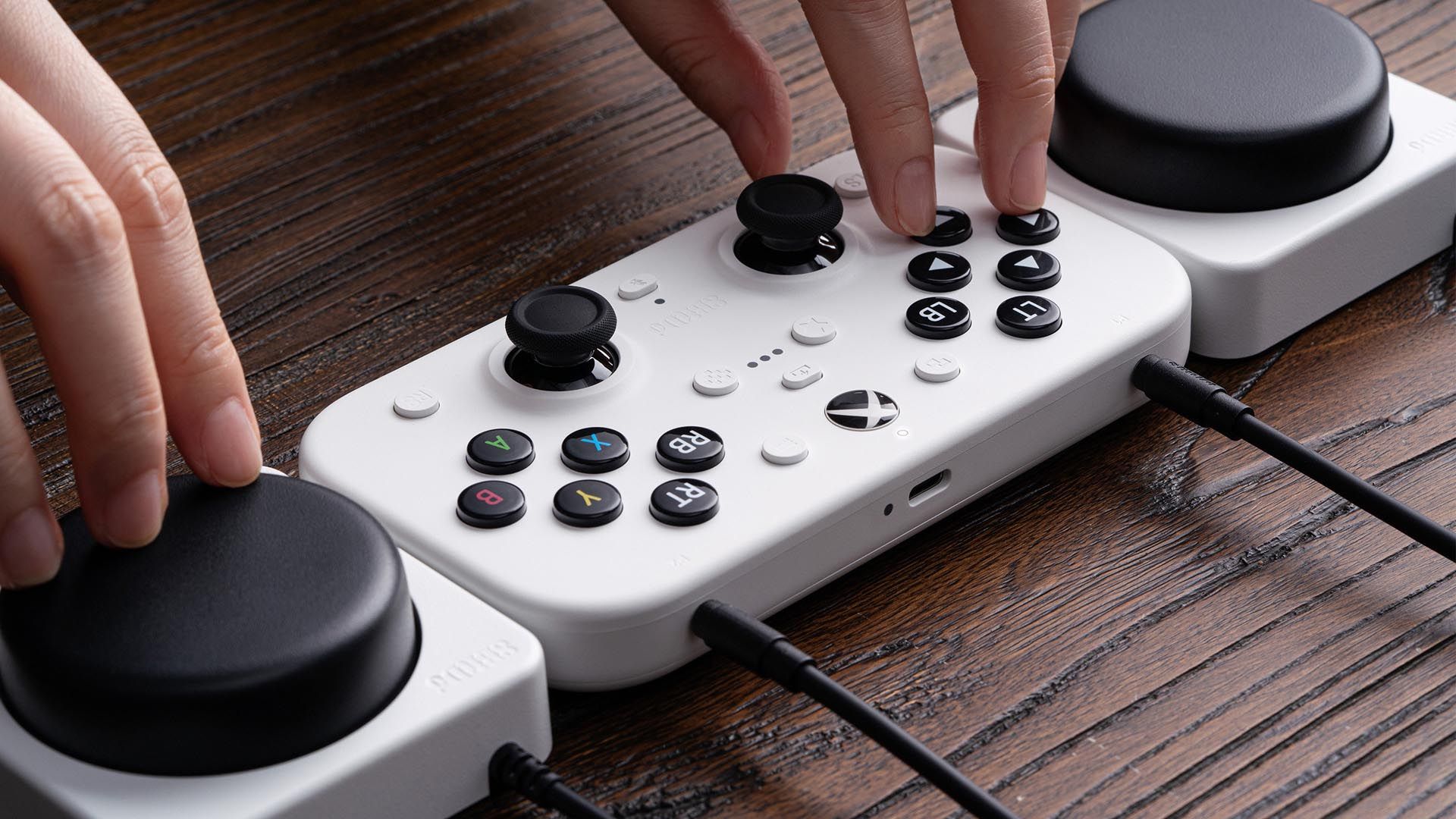
In early 2025, Microsoft released new accessories – the Adaptive Multiplayer Kit and Thumbstick Toppers. These small, customizable devices were created with input from disabled gamers and thoroughly tested to ensure they meet their needs.
For just $29.99, this new device was a major change from traditional custom accessibility hardware, which often cost hundreds of dollars – and even then didn’t always fully solve the problem. This lower price meant that more people could realistically afford to access this kind of technology.
Currently, accessibility features for gaming consoles are unique to each platform – Xbox, PlayStation, and Nintendo. This means a gamer with disabilities who uses multiple consoles needs to buy separate, costly setups for each one, and these setups don’t work together. For players who’ve already invested in specialized equipment, constantly needing to repurchase it for each new console isn’t just annoying – it’s an ongoing expense that other gamers don’t face.
The gaming industry hasn’t yet fully addressed the needs of players with disabilities, despite real improvements since 2018. Currently, accessibility tools are often limited to specific platforms, forcing disabled gamers to spend more money and effort than other players to enjoy the same games. This issue isn’t resolved; it’s a problem the industry continues to avoid.
The Real Revolution Is Who’s Holding the Controller During the Design Phase
As a big Xbox fan, I’ve been so impressed to see them really embrace the idea that disabled people should be involved in designing features for disabled people – it’s this core belief in the community that says “Nothing about us, without us.” It’s not just about what accessibility features they build, but how they build them – they’re actually changing the whole process to include the people who will be using those features, and that makes a huge difference!
The real change happens when the people most impacted by a decision are part of the decision-making process from the start, rather than being asked for input later when everything is already set. That’s the core of this shift. It’s not about any one specific feature, setting, or even a company creating great accessibility tools – though those are important too.
As a gamer, it’s amazing to see how much these changes mean to players whose lives have been genuinely impacted. It’s not just about being nice, though – it feels like a real turning point for the whole industry. For so long, disabled gamers were kind of an afterthought, but now they’re being included as partners, and honestly, the games are so much better because of it. It benefits everyone when more voices are heard and considered.
Gaming still has a way to go when it comes to inclusivity. Some publishers still release games without options for colorblind players, and many hardware companies don’t prioritize accessibility. Too often, players with disabilities are left to struggle with games that weren’t made for them. However, for the first time ever, those who were previously excluded are now actively involved in creating solutions, and that’s completely changing the future of gaming.
Read More
- 10 Most Powerful Versions of Superman, Ranked
- Gold Rate Forecast
- GBP CNY PREDICTION
- 007 First Light: Release Date, Story, Gameplay, Cast, Editions, and Platforms
- 10 Greatest Wii U Games of All Time, Ranked
- Superman’s 7 Best Power-Ups, Ranked
- DOGE PREDICTION. DOGE cryptocurrency
- Kingdom Come Deliverance Update 1.002 Enables Trophies to Be Transferred
- The 10 Greatest Spy Thriller Movies Of All Time, Ranked
- Forza Horizon 6 Car List So Far: Confirmed Highlights, Cover Cars, DLC, and Rewards
2026-06-01 01:48