
Halo is a true icon in gaming, building an incredible reputation as a groundbreaking and influential force in the industry and especially within the first-person shooter genre. Its massive popularity has led to many sequels, related books and shows, and even a TV series – though some might jokingly claim that last one doesn’t exist! This is especially impressive considering it began as a fresh experience in a new form of entertainment that many doubted would become so successful.
I used to think Halo was absolutely groundbreaking, and in many ways it was. But lately, I’ve been doing a lot of thinking about why it resonated with me so much, and where it stands in gaming history. It’s got a ton of great qualities, no doubt, but I’m starting to wonder if a lot of its success comes down to nostalgia and the fact that it came out at just the right time. I’m not sure if it’s genuinely as amazing as everyone remembers, or if it just got lucky with its timing. Honestly, I’m leaning towards the latter.
Halo Has More Misses Than Hits
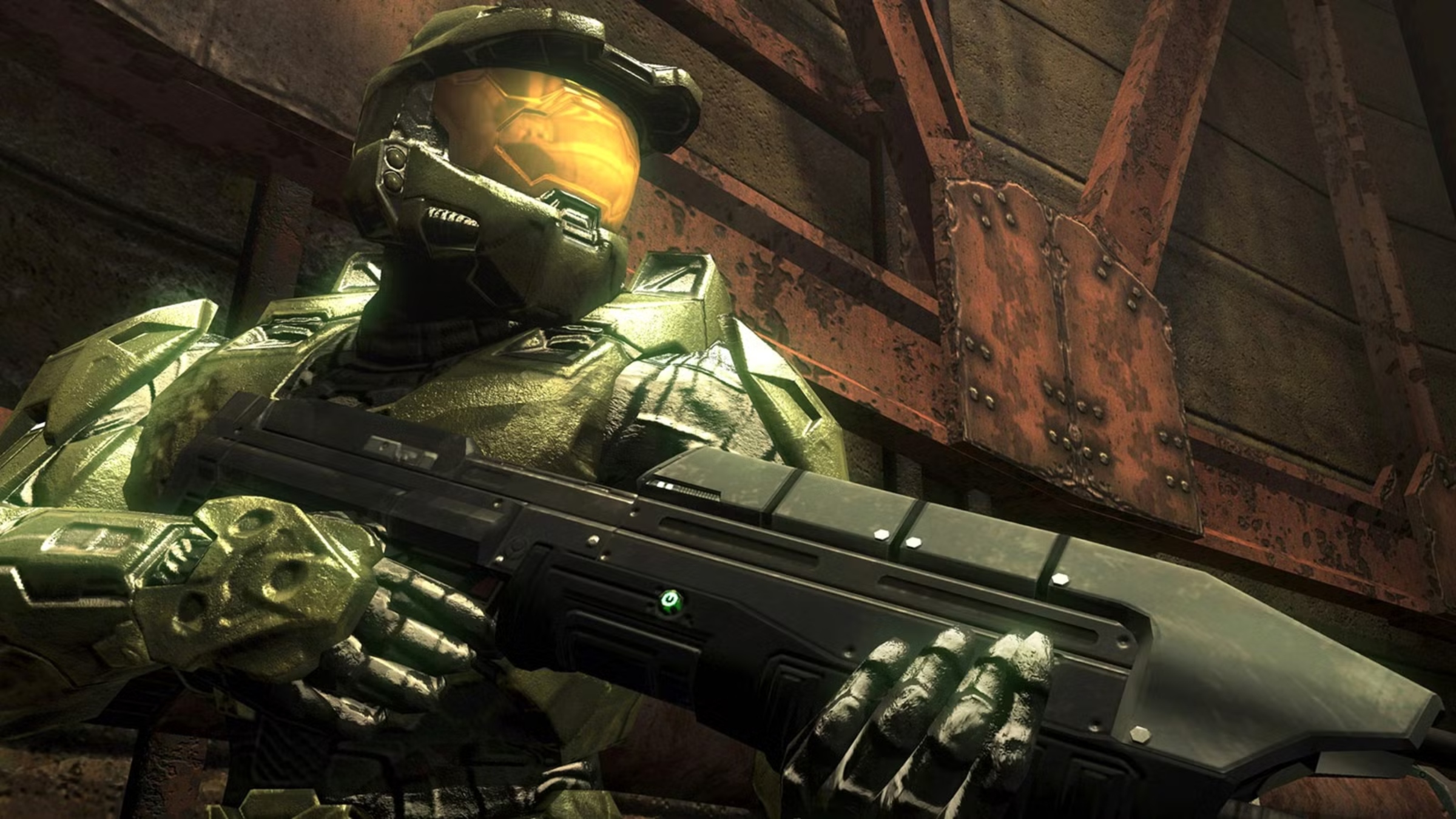
Let me be clear: Halo wasn’t just groundbreaking when it came out – it really shaped the first-person shooter genre, and is a major reason why those games are so popular today. I absolutely acknowledge Halo‘s importance and legacy. Despite any imperfections, it was an amazing achievement when it launched in 2001, and it’s easy to see why so many people loved it.
I grew up playing Halo with my friends and family, and I really loved playing split-screen with them. That’s a big reason why I miss that feature so much – I have so many memories of battling my sibling in levels like New Alexandria, or working together (and sometimes not!) to save Captain Keyes. But even looking back with fondness, I have to admit I’m starting to wonder if Halo was actually as great as I remember.
The story across the first three Halo games is complicated and doesn’t always make sense. Interesting ideas introduced in the second game are dropped in the third, and characters often make questionable choices. The rich backstory of the Halo universe isn’t fully developed in the main games, relying instead on supplementary material. Plus, a lot of the story is told through lengthy conversations, which feels odd for such a large-scale, action-packed series. Later games try new approaches to storytelling, but even the strongest Halo titles are held back by a predictable structure.
Since 343 Industries took charge of the Halo series, the story hasn’t been a priority. Both Halo 4’s weak villain and the confusing choice to reduce Master Chief’s role in the fifth game showed the studio struggles to create a compelling narrative. This is surprising, considering how groundbreaking Halo was because of how well its story and action blended together. Given how quickly Halo Infinite’s campaign feels dated, it makes you wonder if Halo would be as popular if it came out today, or if its initial success was simply a matter of good timing.
Halo’s Success May Be Down To Luck
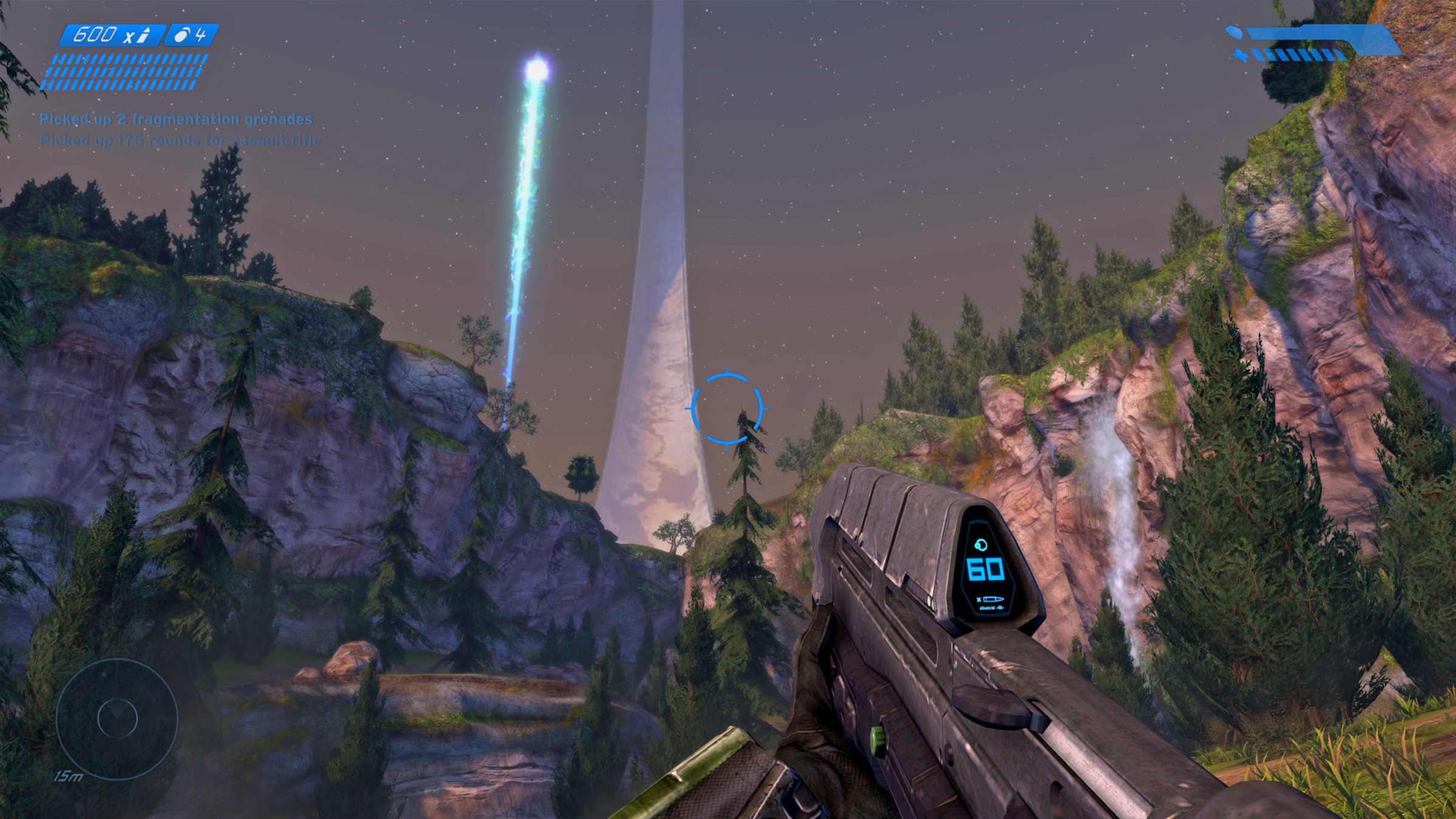
I still remember when Halo came out in 2001. Gaming was really starting to take off, and it felt like everyone was getting into it. First-person shooters were pretty new, though. We’d had fun with games like DOOM, Wolfenstein, and Quake before, but Halo felt different. It just had a level of polish and a story that those older games didn’t quite reach. Honestly, at the time, nothing else was really trying to do what Halo was doing – even the first Call of Duty was still a couple of years away!
Being a game developer launching a new series was incredibly promising back then – the industry was wide open, full of possibilities, and there wasn’t anything else quite like it. In many ways, Halo benefited from perfect timing. This isn’t to say Halo wasn’t a well-made game; Bungie clearly had a team of skilled and driven developers, and the game introduced a lot of groundbreaking features. However, like Star Wars before it, which has struggled with consistency over time, Halo’s initial success probably came more from being first to market than from being definitively the best.
Reviewing Halo today, it’s clear the game shows its age. Even the updated versions suffer from repetitive levels, a needlessly complex story, frustrating enemy placements, overly difficult AI, long and slow sections, and poorly timed save points. While Halo has many strengths – its music, diverse weapons, engaging multiplayer, and distinctive look – it can often feel surprisingly ordinary compared to other first-person shooters.
As a gamer, I’ve seen so many promising games just… disappear. Titles like Battleborn, Highguard, Evolve, Homefront: The Revolution, and even Splitgate all had cool ideas but were quickly forgotten or torn apart by criticism. Honestly, if Halo came out today, I think it would have suffered the same fate. Destiny really proves my point – it’s made by the same people as Halo, has a lot of the same good and bad points, but often gets pretty mixed reviews. It’s tough out there, and games need more than just innovation to stick around.
Halo Needs To Do Better To Honor Its Legacy

Despite my criticisms, it’s clear that Halo is a truly special game. Even now, listening to the Halo ODST soundtrack reminds me of its unique atmosphere – a blend of neon lights, jazz music, and a generally somber mood that I haven’t found anywhere else. A lot of my disappointment with recent Halo games comes from feeling like they haven’t lived up to their full potential.
While Infinite initially impressed players, its weak story and flawed design mean it doesn’t have the lasting appeal of previous Halo games. Halo 5: Guardians was largely forgettable, and the recent TV series damaged the franchise’s reputation. Even Halo 4 isn’t worth revisiting. To make matters worse, 343 Industries failed to deliver a strong multiplayer experience and controversially removed the popular split-screen mode, breaking a long-held tradition for fans.
With another remake of an already remastered Halo game from 2001 on the way, it feels like even Xbox isn’t sure what direction to take the franchise. Still, there’s a chance for Halo to prove it’s more than just a product of good timing, and to show that games like ODST and Reach weren’t just lucky successes. If the new Halo Studios can deliver a truly exceptional game—one that feels as special today as Halo: Combat Evolved did when it launched in 2001—then Halo can recapture its former magic in a market that’s now crowded and often skeptical.
Was the popularity of Halo simply a matter of chance? Share your thoughts in the comments or discuss it on the ComicBook Forum!
https://comicbook.com/gaming/list/mmos-never-released/embed/#
Read More
- What Song Is In The New Supergirl Trailer (& What It Means For The DC Movie)
- Why is Tech Jacket gender-swapped in Invincible season 4 and who voices her?
- TV legend Carol Kirkwood reveals the reasons why she decided to retire after 28 years with BBC
- Dune 3 Gets the Huge Update Fans Have Been Waiting For
- Highly Anticipated Strategy RPG Finally Sets Release Date (And It’s Soon)
- Jinger Duggar Explains Why Jeremy Vuolo Upgraded Her Wedding Band
- Unforgotten legend Nicola Walker stars in first look at all-new “outrageously witty” comedy drama series
- The OG Resident Evil 1, 2 and 3 Are Now Available on Steam With a Heavy Discount (and DRM)
- The Monsterverse’s Shocking New Time Travel Story – Monarch: Legacy Of Monsters Season 2, Episode 6 Explained
- Tainted Grail: The Fall of Avalon – Merlin’s Tomb DLC Adds a New End-Game Dungeon for Free
2026-02-03 00:16