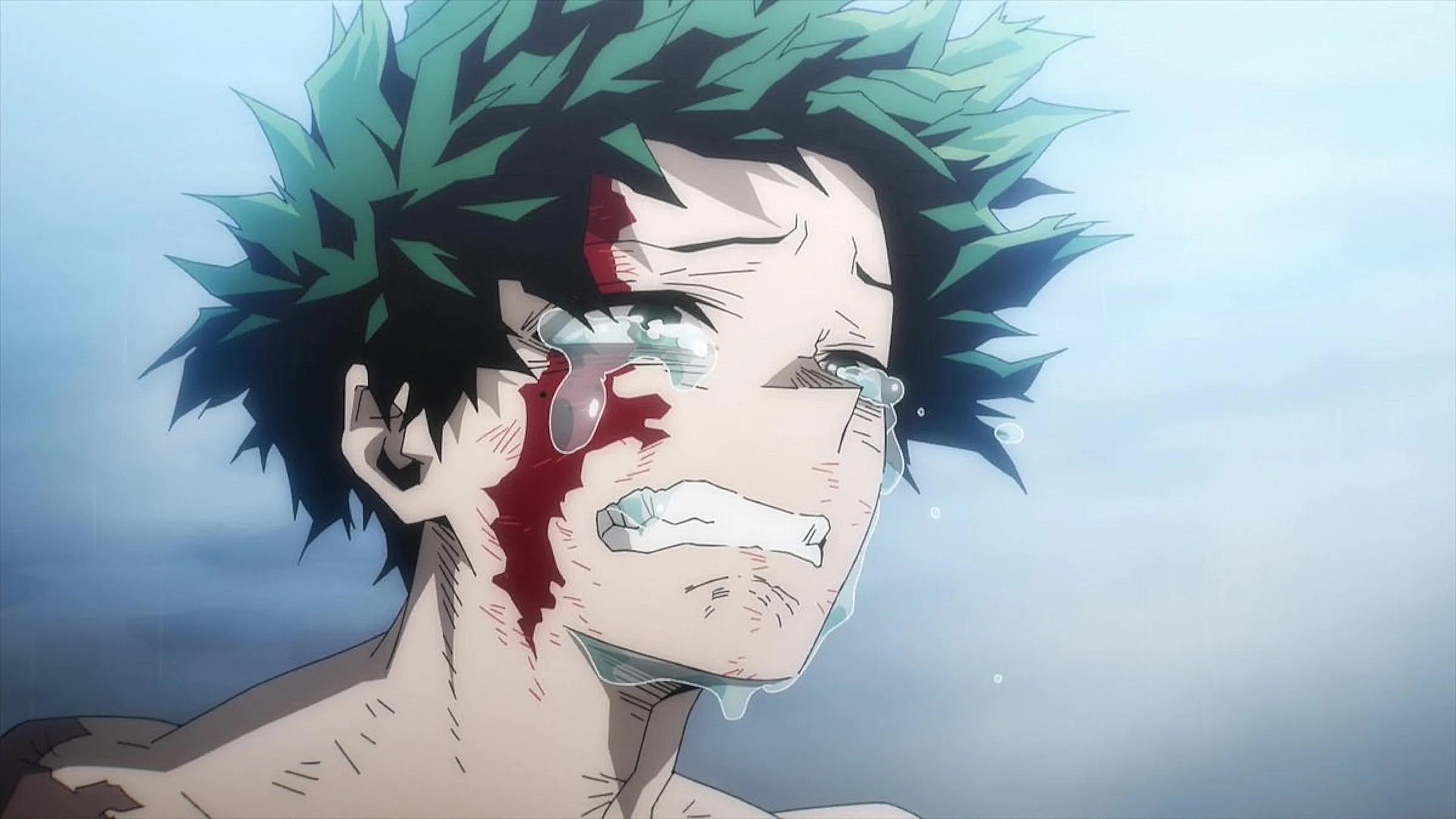
A significant chapter is closing for classic Shonen anime, but we’re already seeing what the future holds. Shows like Dragon Ball Z, Naruto, Bleach, and One Piece made Shonen incredibly popular around the world in the late 90s and early 2000s, and they continue to be influential today. However, Shonen is constantly evolving, with newer series changing the genre’s style throughout the 2010s and 2020s. While exciting action and strong character connections remain key, the way these stories are told is beginning to shift.
Today marks the end of a significant anime series, one that represents a shift in modern shonen storytelling. Unlike older shows, recent shonen anime rely less on predictable formulas, focusing more on a fast-moving plot and less on drawn-out fights or unnecessary filler. These new series also feature more complex characters, creating more believable worlds and making the stories more relevant to viewers by tackling real-world issues. After nine years and eight seasons, saying goodbye is tough, but this anime feels like a key moment in the evolution of the shonen genre.
My Hero Academia’s Ending Marks the End of an Era for Shonen Anime
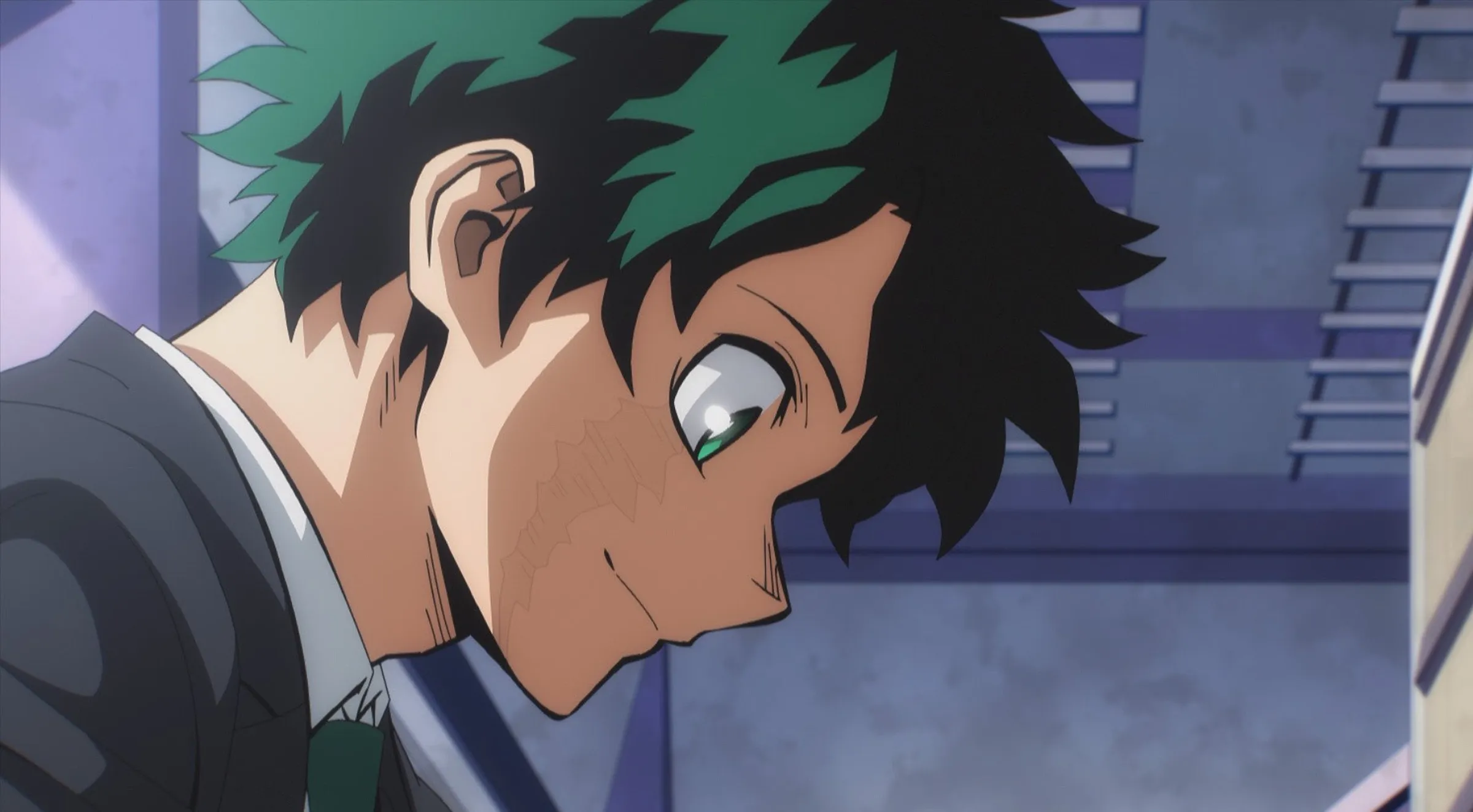
The final episode of My Hero Academia aired on December 13th, concluding Izuku Midoriya’s long journey to become the world’s top hero. The anime, based on Kohei Horikoshi’s popular manga, first premiered in 2016 and quickly became a beloved classic. My Hero Academia shared many qualities with anime’s most successful series—often called the “Big Three.” Like those shows, it featured a determined underdog protagonist, highlighted the importance of teamwork and overcoming challenges, and showed its main character growing stronger with each season. This naturally led to exciting training sequences and action-packed battles.
The series quickly distinguished itself from earlier anime, mirroring the manga’s tendency to play with and challenge common tropes of the Shonen genre. This blend of honoring tradition while also innovating made My Hero Academia a key link between classic anime from the early 2000s and the newer shows that followed in the late 2010s and early 2020s. Now that it has concluded, along with other similar series, we can anticipate these newer shows will define a fresh era of Shonen anime in the years to come.
How My Hero Academia Helped Shape Shonen in the 2010s & 2020s
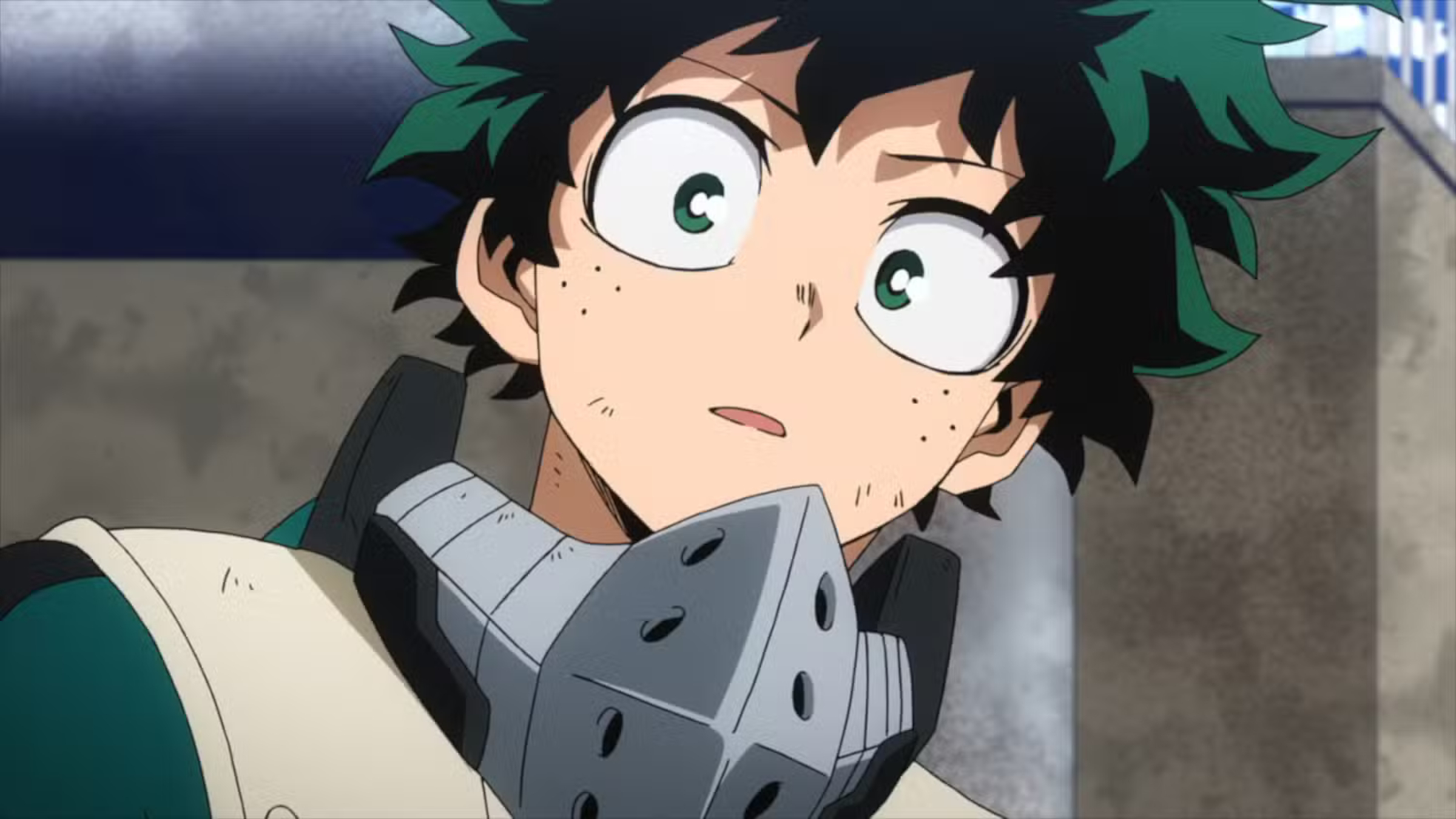
My Hero Academia significantly impacted the shonen genre by presenting a more realistic and complicated world than many earlier series. While shonen heroes are rarely flawless, this series deeply explores the consequences of those imperfections, both for the heroes themselves and those around them. A key example is how the professional heroes are portrayed – they’re not perfect role models, and often struggle with their own flaws, sometimes even more than their students. The students, of course, also have their own challenges to overcome. Ultimately, the series demonstrates that becoming a true hero isn’t just about strength and willpower; it also requires self-awareness and emotional balance.
Both My Hero Academia and Demon Slayer offer a modern take on villains, moving away from simple good versus evil. My Hero Academia does a great job of showing how societal problems can create villains, without forcing them to suddenly become heroes. This focus on complex motivations is a trend in newer anime like these. These series also don’t avoid showing the lasting consequences of battles. As seen in My Hero Academia‘s ending, injuries and losses can be permanent, a level of realism that’s becoming more common. While the anime still uses some convenient plot devices, the overall sense of finality and lasting impact marks a shift towards more grounded storytelling in newer anime.
What the Future of Shonen Anime Looks Like Heading Into the Late 2020s
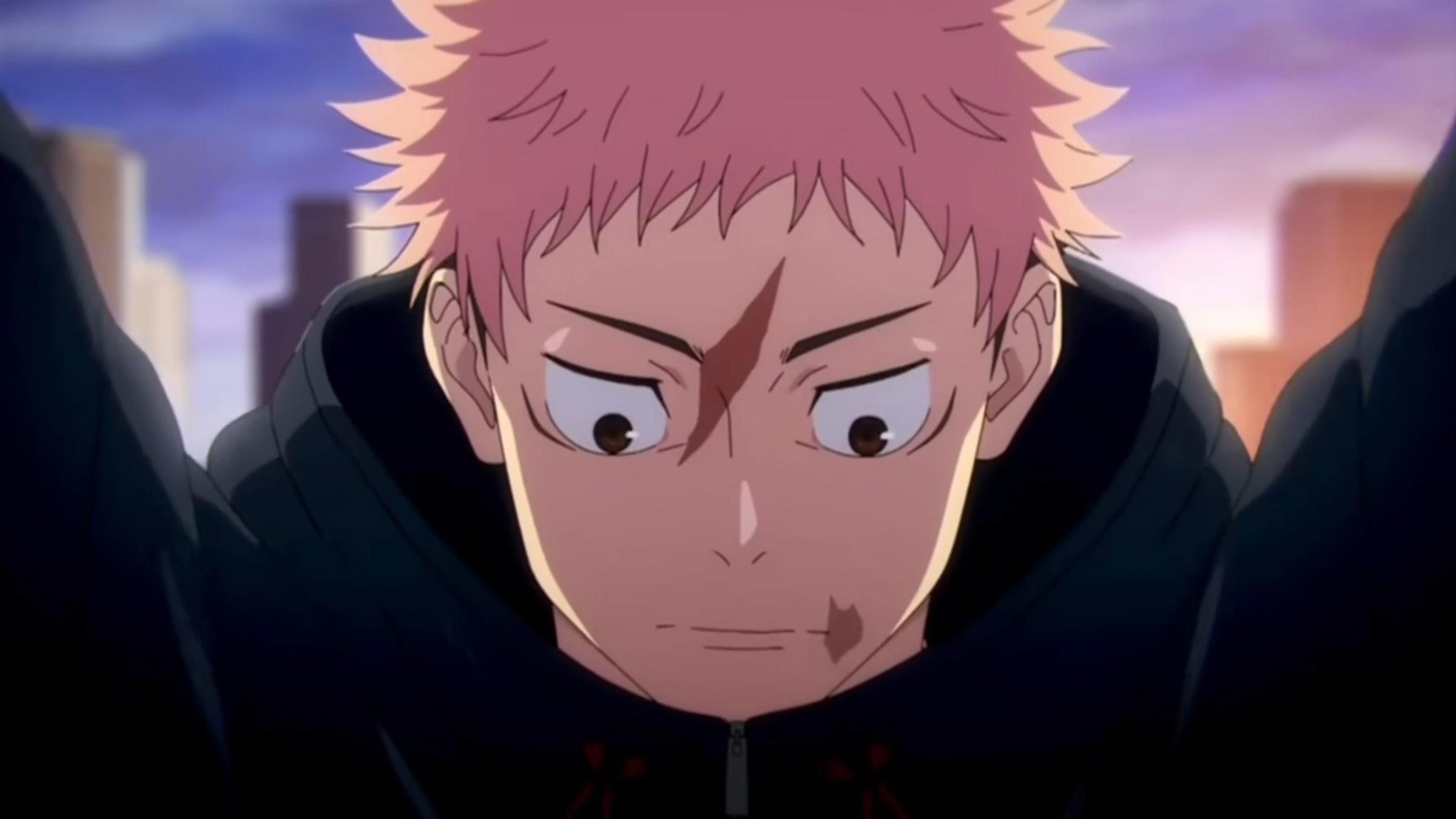
With the conclusion of My Hero Academia and as we move further into the 2020s, we’re seeing a trend in Shonen anime towards more mature and darker themes – a shift that’s been building for a few years now. Looking at currently popular series like Jujutsu Kaisen, Chainsaw Man, and Solo Leveling (excluding My Hero Academia and Demon Slayer), it’s clear that horror elements are becoming more prominent. While themes of friendship and doing the right thing still exist, these newer shows don’t shy away from depicting heroes who fail despite their best efforts. The characters are also more flawed and world-weary, often burdened with responsibility they didn’t ask for and aren’t necessarily motivated by.
Even the spin-off series, Vigilantes, which is heading into its second season, feels more mature and serious than the original My Hero Academia. This reflects current trends in Shonen anime and manga, and it’s especially noticeable now that My Hero Academia has finished its eighth and final season. While it’s bittersweet to see the series end, its influence will definitely be felt for years to come.
What do you think? Leave a comment below and join the conversation now in the ComicBook Forum!
https://comicbook.com/anime/list/5-best-battle-shonen-anime-of-2025-ranked/embed/#
Read More
- The Super Mario Galaxy Movie: 50 Easter Eggs, References & Major Cameos Explained
- 10 Best Free Games on Steam in 2026, Ranked
- All 13 Smash Bros. Characters in the Super Mario Galaxy Movie
- Dune 3 Gets the Huge Update Fans Have Been Waiting For
- Control Resonant’s Hiss and Mold Are “Way More Complex” Than Before (and More Aggressive)
- Welcome to Demon School! Iruma-kun season 4 release schedule: When are new episodes on Crunchyroll?
- Highly Anticipated Strategy RPG Finally Sets Release Date (And It’s Soon)
- TV legend Carol Kirkwood reveals the reasons why she decided to retire after 28 years with BBC
- Sydney Sweeney’s The Housemaid 2 Sets Streaming Release Date
- Why is Tech Jacket gender-swapped in Invincible season 4 and who voices her?
2025-12-13 22:41