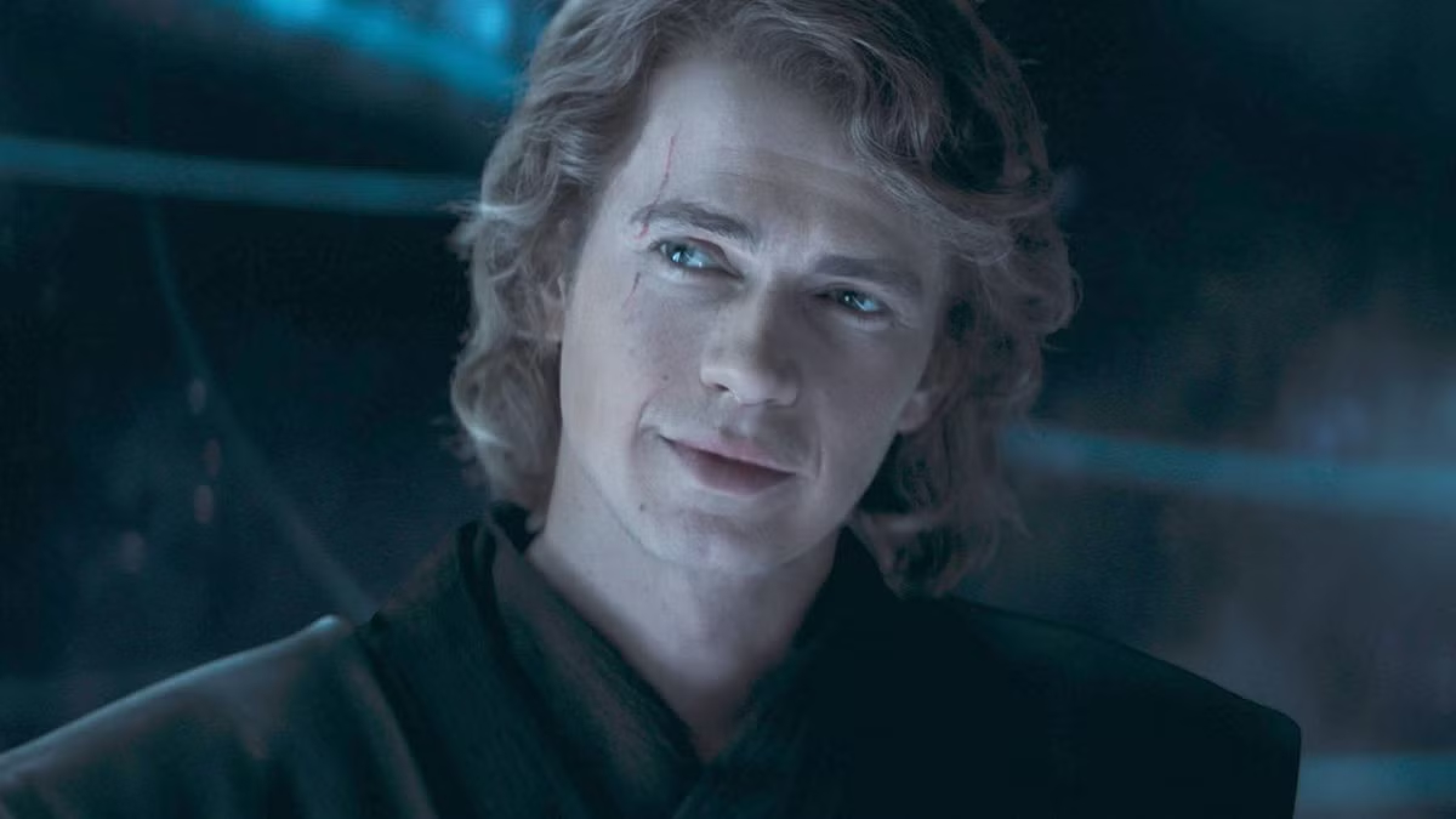
It feels like a major shift is happening with Star Wars on TV. George Lucas originally envisioned Star Wars expanding into many different types of media, but his plans for a live-action series called Star Wars: Underworld never materialized. Things changed dramatically when Disney took over and focused all its studios on creating content for the Disney+ streaming service. Lucasfilm stopped making Star Wars movies – the last one was The Rise of Skywalker in 2019 – and has instead produced a large number of both animated and live-action TV shows.
A recent article on ScreenCrush tallied up all the Star Wars TV episodes released since 2019, when The Mandalorian first debuted on Disney+, and found a remarkable 196! That number has likely grown with the release of Season 3 of Young Jedi Adventures. The article raises an interesting point: with so much content already available, could the peak of Star Wars television be over? It’s a question many fans are starting to ask.
Star Wars TV is Slowing Down

The growth of Star Wars TV shows has been remarkable. From 2019 to now, we’ve seen an average of about 33 episodes released each year, according to ScreenCrush – especially noteworthy considering the production delays caused by the pandemic. However, 2024 will likely see fewer new shows, with only the second season of Ahsoka, Maul: Shadow Lord, and a four-episode Star Wars: Visions spin-off planned. Beyond 2026, there are currently no other live-action Star Wars shows confirmed to be in development.
In 2023, Lucasfilm received direction to increase its film production. This has led to a change in strategy, with TV series now playing a smaller role in the future of Star Wars. A notable example of this shift is The Mandalorian and Grogu, which will be released as a movie – a first for the franchise, as traditionally Star Wars movies have inspired TV shows, not the other way around.
Why is Lucasfilm Moving Away from Star Wars TV?

As a Star Wars fan, I’ve been pretty happy with what 2025 brought to our screens, especially the second season of Andor. It’s been a critical darling, and audiences loved it – though it’s baffling that the awards shows haven’t really noticed. However, Andor feels like a bit of an outlier. Looking at the numbers, it’s clear that Star Wars on TV hasn’t been consistently hitting the mark lately. Disney seems to be realizing that maybe they released too much content, and it’s started to weaken the brand. And honestly, The Acolyte felt like the turning point. Leslye Headland’s series set in the High Republic era really fractured the fanbase, and it’s created more division than I’ve seen in a long time.
However, the issues run deeper than just individual projects. Disney prioritized Lucasfilm content for Disney+ at the direction of CEO Bob Iger, but the streaming service hasn’t generated the expected revenue. The initial excitement around streaming has faded, and the industry is undergoing a major change. We can anticipate some streaming services closing or merging in the coming years, and Netflix’s attempt to buy Warner Bros. (including HBO) reflects this trend. Recently, Tony Gilroy, the showrunner for Andor, shared that Disney executives told him they believe “streaming is dead.”
The recent success of Star Wars on TV is likely ending because the way Lucasfilm approached streaming wasn’t working well. Their strategy just didn’t make good business sense, and it’s possible it never did. Looking ahead to 2026, we can probably expect a new pattern: one live-action show, one animated series, and either a limited series or an anthology each year. This slower pace is more realistic and will allow Star Wars to focus on making movies again. Hopefully, it will also improve the performance of Star Wars shows overall.
Will Lucasfilm’s New (Old) Star Wars Approach Work?
The big question now is whether fans will accept this new approach. Pixar has suffered since moving to Disney+, with lower ticket sales indicating people now view it as a streaming service – and the same could happen to Star Wars. The new film, The Mandalorian and Grogu, might not help, as it’s essentially based on a streaming TV show. The initial trailer received surprisingly few views, and there’s worry the film won’t succeed in theaters, with many likely waiting for it to be available on Disney+ instead.
There’s good news for Star Wars fans. Even if things don’t go as planned, 2027 will be a major moment for the franchise, marking its 50th anniversary. As a special treat, the original 1977 Star Wars film will return to theaters in February – a rare event made possible by a newly discovered copy at the British Film Institute. Then, in May, Shawn Levy’s Star Wars: Starfighter will premiere, offering a new, exciting standalone story set after the events of the sequel trilogy.
While clever marketing could still help The Mandalorian and Grogu, current trends suggest 2026 will be a challenging year for Star Wars. The recent success of Star Wars TV shows seems to be over, and it’s unclear how well the movies will do. Lucasfilm is likely counting on the franchise’s 50th anniversary in 2027 to revitalize interest and bring renewed optimism.
What do you think? Leave a comment below and join the conversation now in the ComicBook Forum!
Read More
- Gold Rate Forecast
- 22 actors who were almost James Bond – and why they missed out on playing 007
- Every Creepy Clown in American Horror Story Ranked
- Hazbin Hotel Secretly Suggests Vox Helped Create One of the Most Infamous Cults in History
- Everything We Know About Gen V Season 3 (& Why It’ll Be a Very Different Show)
- Jason Statham’s Hit Creature Feature Is Heading to Streaming for Free
- Best X-Men Movies (September 2025)
- Blue Protocol Star Resonance: Goblin Lair Dungeon Guide
- As Dougal and friends turn 60, Radio Times explores the magic behind The Magic Roundabout
- Arknights: Endfield – Everything You Need to Know Before You Jump In
2025-12-11 00:42