
J.R.R. Tolkien’s The Lord of the Rings is considered the defining fantasy epic, and it profoundly impacted modern literature. What sets it apart isn’t just the story, but the incredibly detailed world Tolkien built to support it. He created complete languages, complex family histories for his characters, and a fully realized history and mythology. This rich background fills the story with memorable creatures and powerful objects, constantly changing the landscape and making the world feel truly alive. It goes beyond typical adventure stories, turning the setting into a detailed and believable history.
Let’s be honest, getting into Tolkien can feel a little daunting. Everyone knows The Lord of the Rings, and the movies definitely made it a global phenomenon. But that’s really just the tip of the iceberg! A huge amount of Tolkien’s world-building was published after his death, thanks to the incredible work of his son, Christopher. These books are seriously detailed, tracing the history of Middle-earth over millennia, and they’ve become the source material for everything from The Hobbit films to the more recent The Rings of Power. While some of those adaptations have been… controversial, and the books themselves are pretty dense, I genuinely believe diving deeper into Tolkien’s wider work is an incredibly rich experience. It’s worth the effort!
10) Bilbo’s Last Song
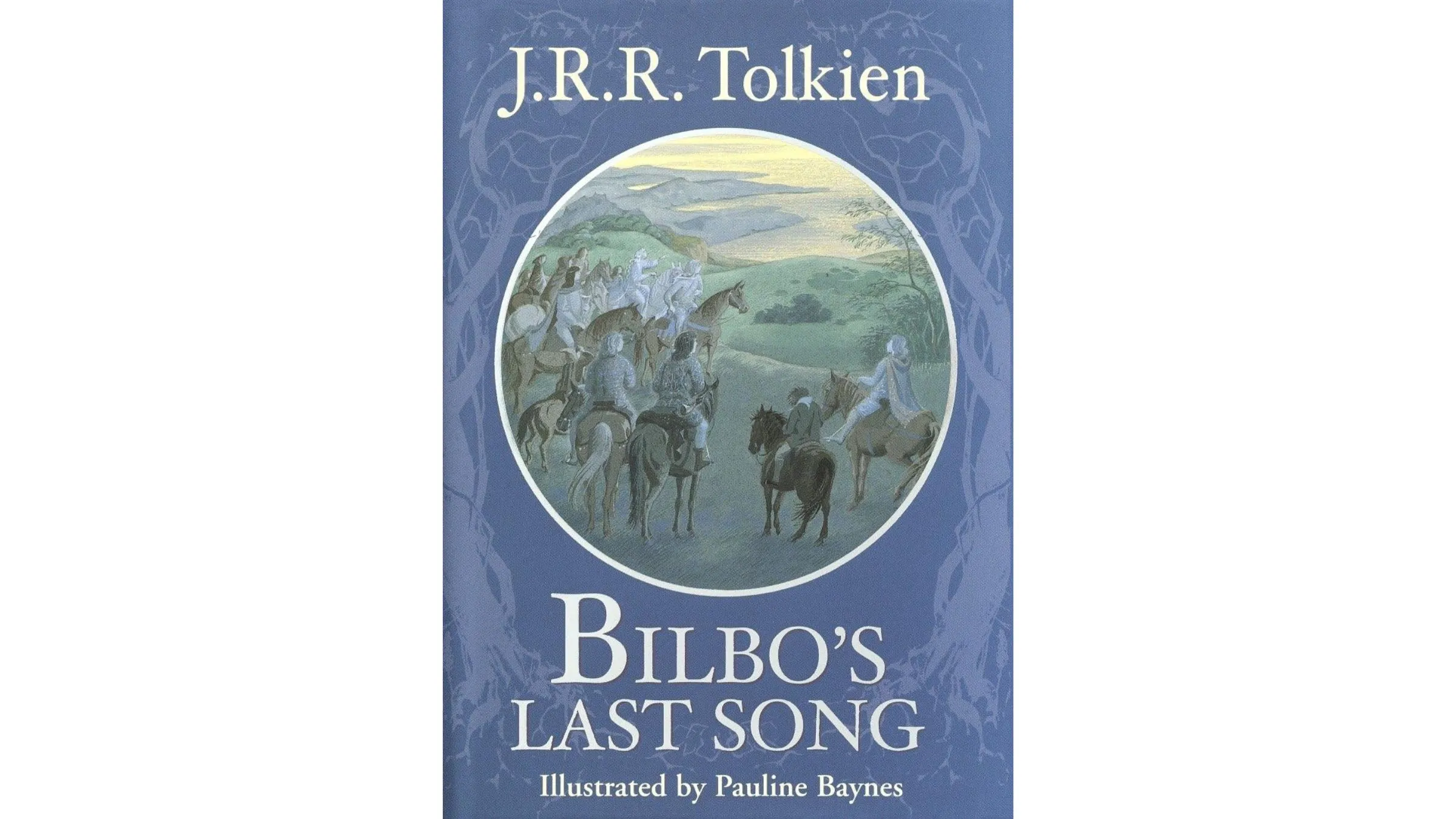
“Bilbo’s Last Song” is a short poem that acts as a final addition to the story of The Lord of the Rings, offering a poetic conclusion to the epic tale. Tolkien originally wrote it as a present for his secretary, Joy Hill, who later helped get it published as a separate, illustrated book. The poem reveals Bilbo Baggins’ thoughts as he sails from Middle-earth to the Undying Lands, marking the end of a magical age and the beginning of an era ruled by humans. While the poem isn’t essential to the story – Bilbo’s emotional farewell is already fully explored in the novels – the book’s true strength lies in Pauline Baynes’ beautiful illustrations, which perfectly capture the poem’s sad and reflective mood.
9) The Adventures of Tom Bombadil and Other Verses from the Red Book

The Adventures of Tom Bombadil and Other Verses from the Red Book is a collection of poems presented as Hobbit folklore within Tolkien’s world. Tolkien published it in 1962, imagining that Bilbo and Frodo Baggins had gathered these verses in a book called the Red Book of Westmarch. This allows Tolkien to showcase the traditions, legends, and rhymes of the Shire in a concise way. Although Tom Bombadil is featured on the cover, he only appears in two of the sixteen poems. The book offers a delightful look into the beliefs of the Hobbits, stepping away from the main storyline of the novels. Some of these poems are also found within The Lord of the Rings, meaning readers primarily interested in the central story might find the collection repetitive.
8) The History of Middle-earth
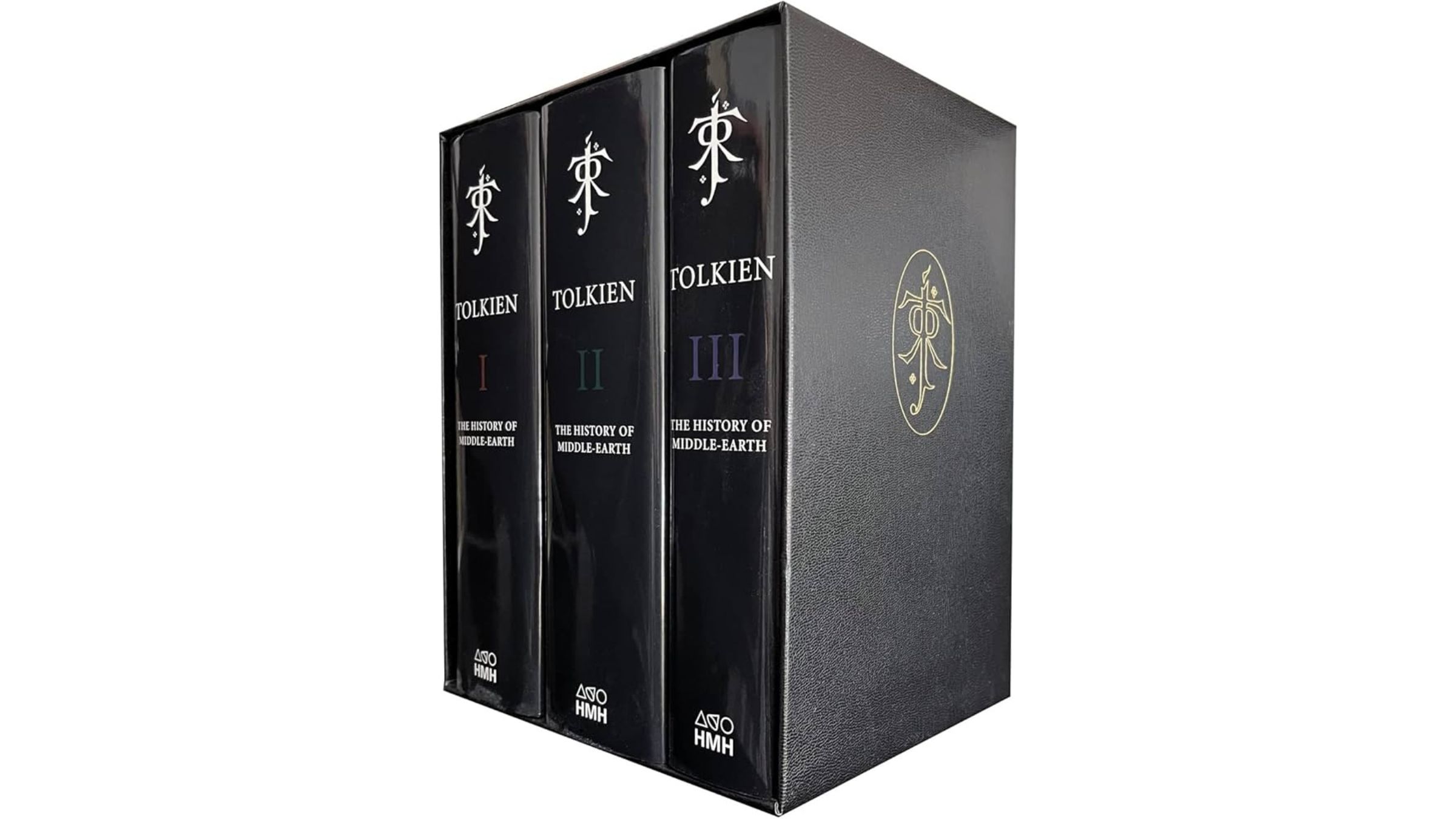
The History of Middle-earth is a large, twelve-book series that deeply explores how J.R.R. Tolkien created his world. Christopher Tolkien gathered and organized these books from his father’s unpublished writings, early drafts, and notes on languages. The series shows the complete development of Tolkien’s stories, revealing how ideas and characters changed over many years. Readers will find different, sometimes conflicting, versions of the core myths, including early stories of the Valar and very different plans for the War of the Ring. Because of its complex structure and detailed information, this series isn’t for casual readers looking for a simple story. It’s a scholarly work that requires patience and a good understanding of Tolkien’s world to fully appreciate the many footnotes and timelines.
7) The Fall of Gondolin
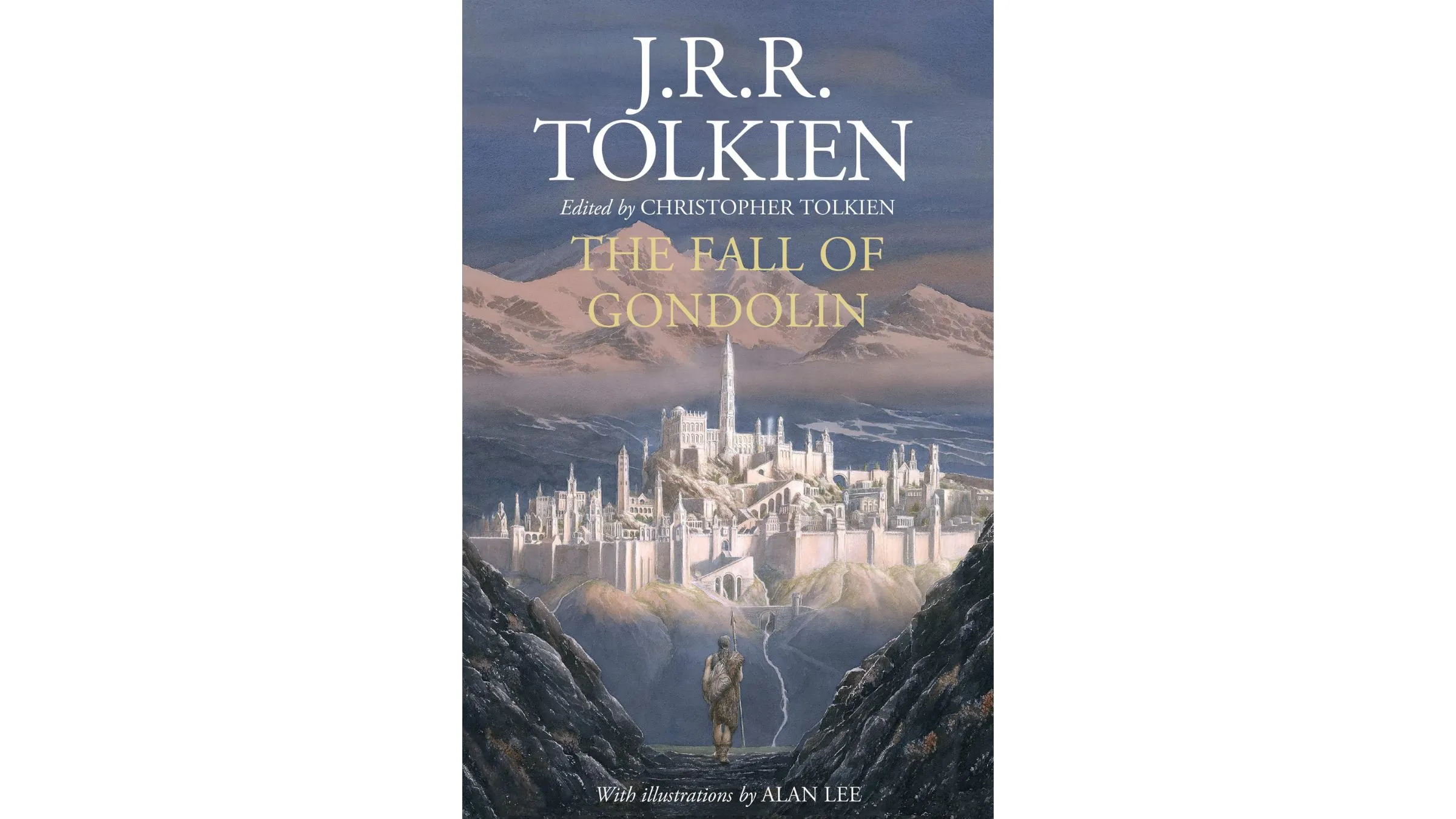
The Fall of Gondolin tells the heartbreaking story of the destruction of Gondolin, the most magnificent Elven city of the First Age, and concludes a series of stories exploring similar themes. Published in 2018 by Christopher Tolkien, the book doesn’t present a single, polished narrative. Instead, it traces the story’s evolution, showing drafts ranging from early notes to a nearly complete version. The story centers on Tuor, a human hero warned by the sea god Ulmo, who travels to the secret city of Gondolin, only to witness its devastating fall to the armies of Morgoth. The battle itself is filled with dramatic action, featuring creatures like balrogs and dragons. However, the book’s structure, designed to show the story’s development, can be disruptive. Readers must assemble the complete story from fragmented chapters, which prioritizes understanding the writing process over a smooth, engaging read.
6) Beren and Lúthien
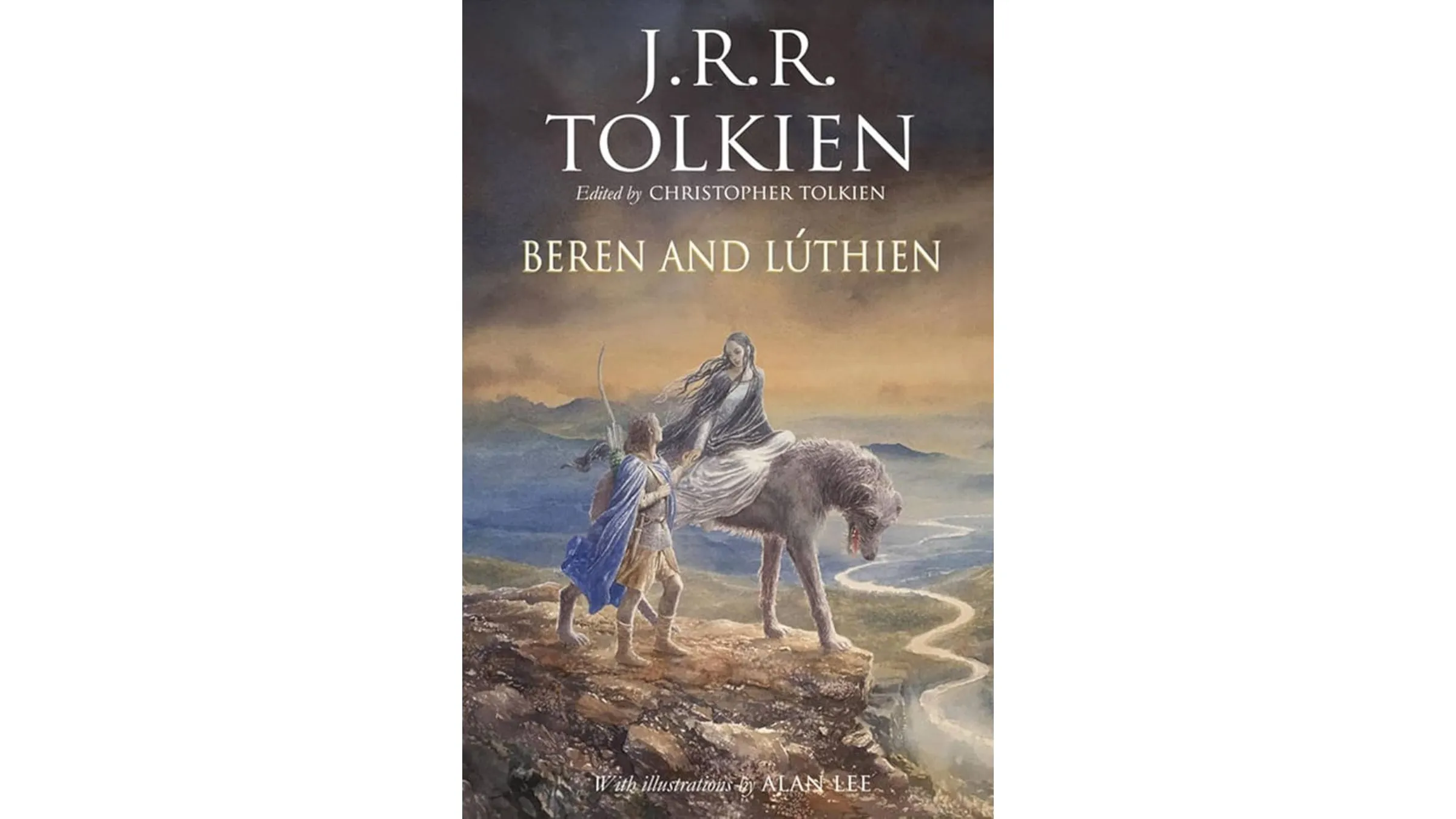
The story of Beren and Lúthien is a central romance from the early history of Middle-earth, and it’s a key part of Tolkien’s entire mythology. It follows Beren, a human, and Lúthien, an immortal Elf, on their seemingly impossible mission to steal a Silmaril from the evil Morgoth. Published in 2017 by Christopher Tolkien, this book presents different versions of the story, including early poems and later prose. This shows how important the tale was to Tolkien – he even had Lúthien’s name inscribed on his gravestone alongside his wife’s. However, the book’s structure, jumping between fragments and unfinished drafts, can make it difficult to follow the story. Despite this, the love story itself remains a crucial part of Middle-earth’s history, establishing the family line of future kings.
5) Unfinished Tales of Númenor and Middle-earth

Unfinished Tales of Númenor and Middle-earth fills in important gaps in Tolkien’s world, explaining events only hinted at in The Lord of the Rings and The Hobbit. Published in 1980, this collection of stories and essays connects the First, Second, and Third Ages of Middle-earth. It provides detailed background on topics like the wizards (Istari), the army of Rohan, and the lost island kingdom of Númenor. While many stories feel incomplete and end suddenly, the book offers crucial information about the Palantíri (seeing stones) and the origins of the Ringwraiths, making it a valuable resource for anyone wanting a deeper understanding of Tolkien’s world.
4) The Children of Húrin
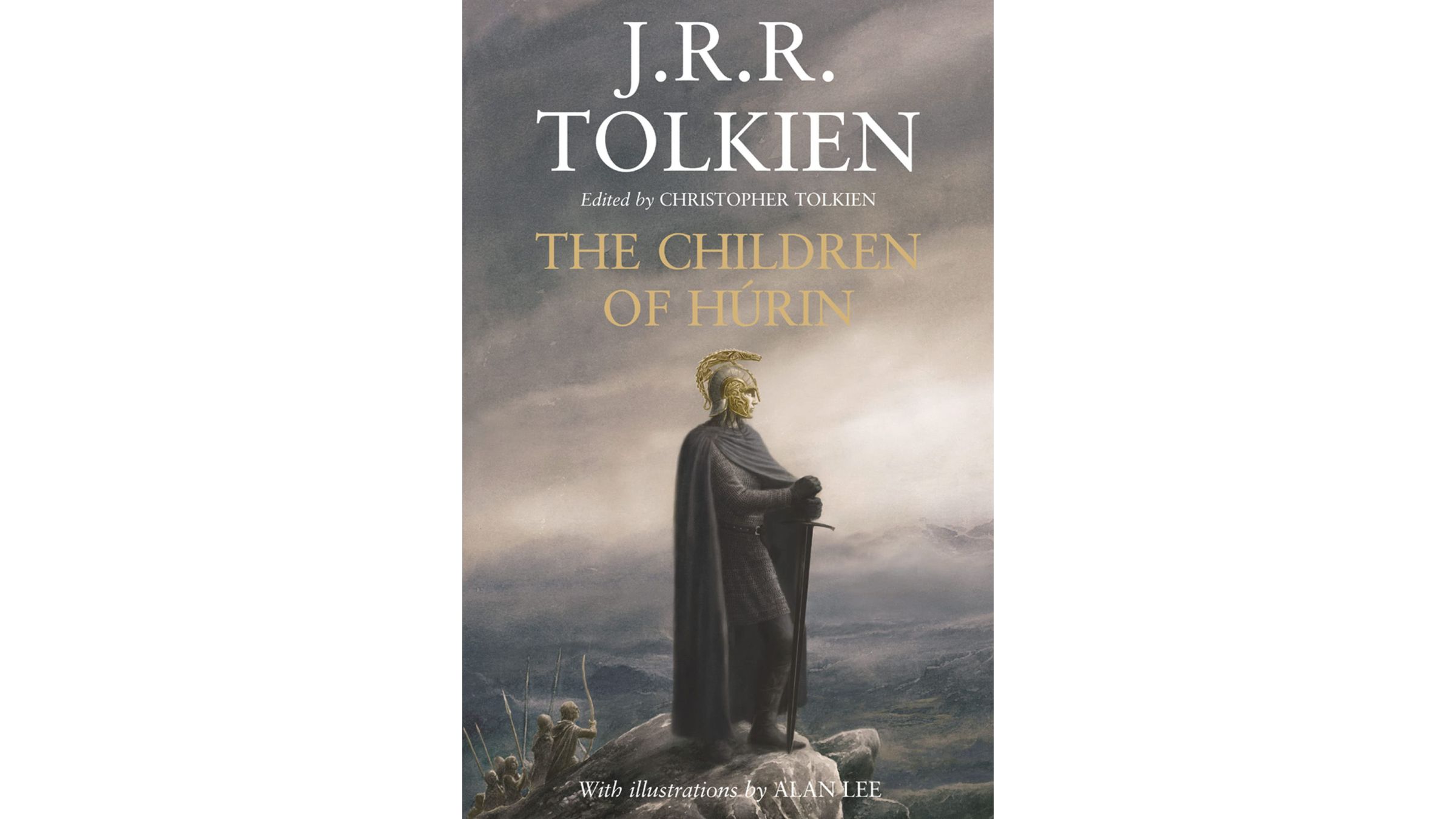
Unlike other writings about the First Age of Middle-earth, The Children of Húrin reads like a complete novel. Published in 2007 after decades of work by Christopher Tolkien, the book skillfully combines various manuscripts into a tragic story without adding new writing of his own. It tells the dark and fateful life of Túrin Turambar, who fights against the evil Morgoth and the dragon Glaurung. This story is the most somber in Tolkien’s legendarium, focusing on themes of betrayal, manipulation, and inescapable destiny with a particularly bleak tone, differing from the more hopeful stories of later eras. Because it’s written as a straightforward narrative, readers can fully experience the despair of the ancient world of Beleriand without getting bogged down in notes or different versions of the story. This makes The Children of Húrin an ideal starting point for anyone interested in exploring the earliest history of Middle-earth before diving into Tolkien’s more complex writings.
3) The Silmarillion
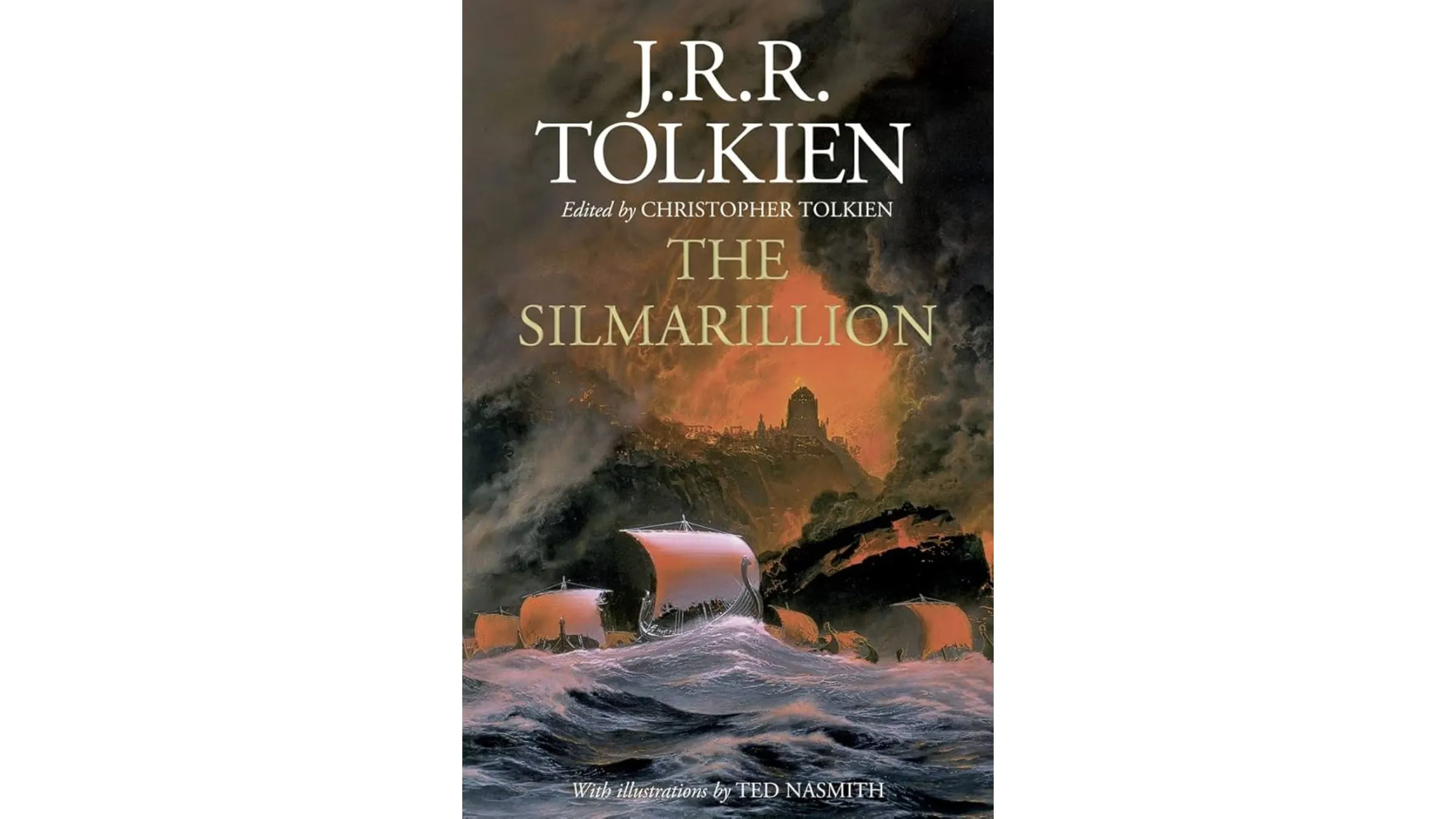
J.R.R. Tolkien’s The Silmarillion is the essential backstory to his world, explaining how everything began and recounting the epic conflicts of the First Age. Released in 1977, the book tells the story of the Elves’ revolt, the stealing of the powerful Silmaril jewels, and the original dark lord’s unwavering evil. It covers thousands of years of history, with changing alliances and continents being physically transformed. Because of its sweeping scope and the introduction of many characters and places with similar names, it requires close attention. The writing style is also quite different from The Hobbit and The Lord of the Rings, often resembling ancient myths and religious texts. While it can be challenging for new readers, understanding The Silmarillion provides a deep understanding of the long-held conflicts and powerful forces that shape Middle-earth.
2) The Hobbit

Published in 1937, The Hobbit launched the world of Middle-earth with a quick-moving story about Bilbo Baggins, a hobbit who joins dwarves and the wizard Gandalf on a quest to reclaim their mountain home from the dragon Smaug. Originally intended as a children’s book, The Hobbit is lighter in tone than Tolkien’s later works. This makes it a perfect introduction to his world, allowing him to introduce fantastical creatures like Gollum and giant spiders gradually. Importantly, the story features the discovery of the One Ring, which sets in motion the entire epic saga, beginning with a simple riddle game in the dark. The Hobbit is still cherished for its charming, straightforward style and exciting adventure, and it’s often the first book readers pick up when exploring Tolkien’s universe.
1) The Lord of the Rings
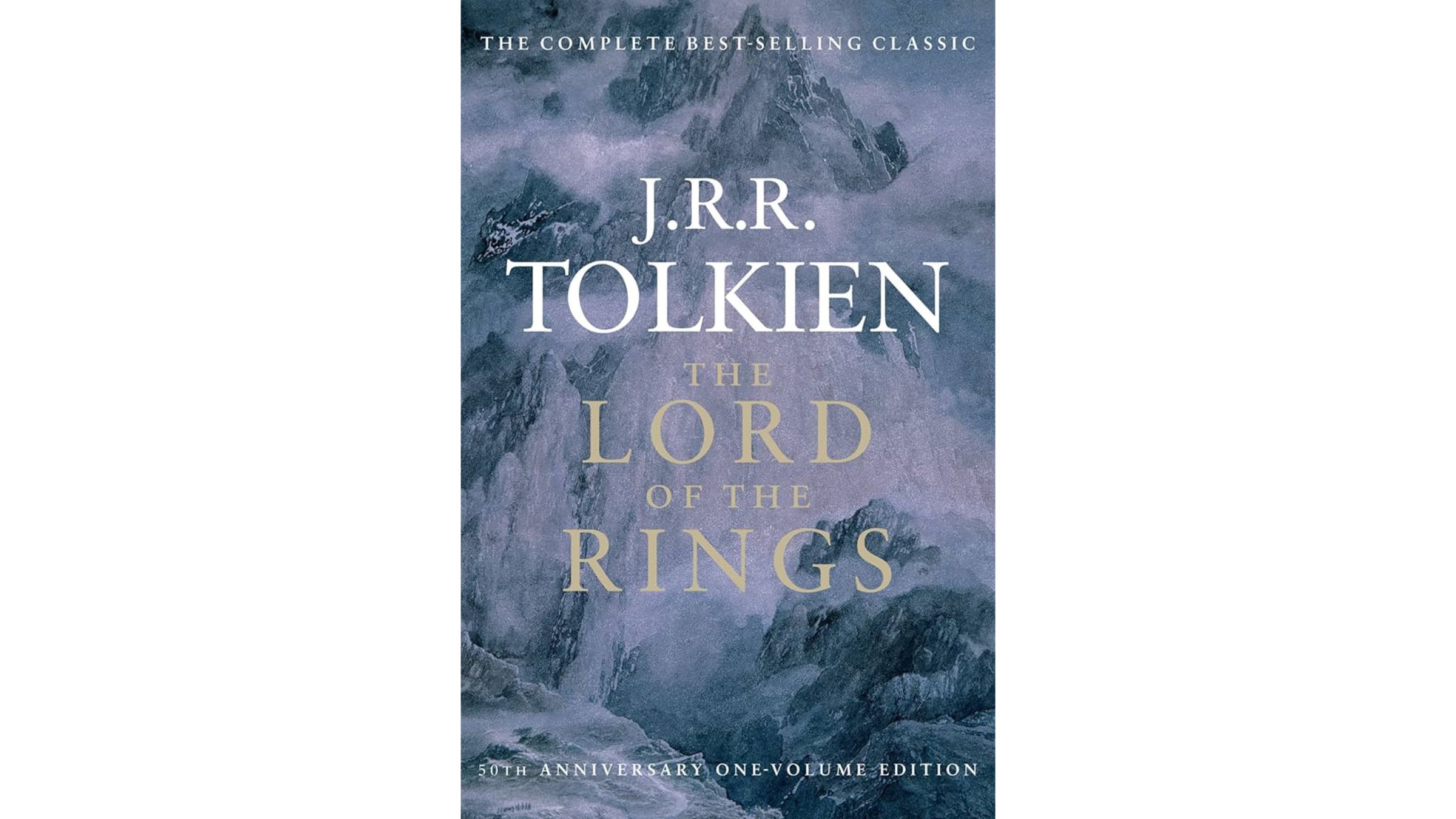
J.R.R. Tolkien’s The Lord of the Rings is widely considered the greatest fantasy novel ever written. Published in three parts between 1954 and 1955, it tells the story of a group of heroes on a dangerous quest to destroy a powerful, evil ring. The book is famous for its compelling characters, especially Frodo Baggins, who struggles with the immense weight of his task. Tolkien masterfully blends personal stories with large-scale battles, depicting sieges with realistic detail inspired by medieval warfare. The world-building is incredibly rich, with every location feeling ancient and worn, adding to the sense of a world in decline. For anyone interested in fantasy, The Lord of the Rings is a must-read.
What’s your favorite Tolkien book to revisit? Share your thoughts in the comments and join the discussion on the ComicBook Forum!
Read More
- Gold Rate Forecast
- Kelly Osbourne Slams “Disgusting” Comments on Her Appearance
- What Song Is In The New Supergirl Trailer (& What It Means For The DC Movie)
- One of Hulu’s Best New Shows Lands on Disney+ Ahead of Season 2
- ’90s Cartoon Reboot & TMNT Connection!
- Dune 3 Gets the Huge Update Fans Have Been Waiting For
- Hideo Kojima Says He Was Never Told About The Matrix Creators Wanting Him to Make a Game
- Guardians of the Globe Members We Want to See in Invincible Season 4
- Why Gideon Emerges as Resident Evil Requiem’s Most Compelling Character
- 7 Great Justice League Villains Nobody Talks About
2026-03-11 16:14