
While many Doctor Who episodes follow certain patterns, the stories featuring “… of the Daleks” are among the most famous and frightening in the show’s 62-year run. Following the Doctor’s initial adventure with Susan, Ian, and Barbara in 1963, their next journey introduced the Daleks. This 1963 story, simply titled “The Daleks,” began a legendary conflict between the Doctor and the mutated creatures from the planet Skaro, establishing the Daleks as the Doctor’s oldest and deadliest foes over the past 62 years.
Although the First Doctor fought the Daleks multiple times, the pattern of episode titles like “… of the Daleks” started with the Second Doctor’s story, “The Power of the Daleks” in 1966. Since then, there have been 13 more episodes using this format, making it one of the most common in Doctor Who’s long run. Nearly every Doctor has faced the Daleks in an “… of the Daleks” adventure, and it’s likely this type of episode will continue when Doctor Who returns.
14) “The Power of the Daleks” (1966)

Following several encounters between the First Doctor (William Hartnell) and the Daleks, the newly regenerated Second Doctor (Patrick Troughton) immediately faced his greatest enemies. His debut adventure, “The Power of the Daleks,” began with the Doctor, Ben Jackson, and Polly arriving on the planet Vulcan. There, they discovered the Daleks secretly serving a human colony, working to gain control and create more of their kind. “The Power of the Daleks” is widely considered to be one of the most compelling Dalek stories ever told.
13) “The Evil of the Daleks” (1967)

Just six months after their previous encounter, the Second Doctor faced the Daleks again in “The Evil of the Daleks,” this time with companions Jamie McCrimmon and Victoria Waterfield. In this story, the Doctor is sent back to 1866 and compelled to assist the Daleks in a twisted experiment: adding human traits to their genetic code to make them even more dangerous. However, it’s revealed that the Dalek Emperor – appearing for the first time – actually intended to use Dalek genetics to give humans Dalek-like personalities. “The Evil of the Daleks” significantly expanded the Daleks’ backstory, and its core ideas have resurfaced in many later Dalek stories.
12) “Day of the Daleks” (1972)

It’s surprising, but the Daleks disappeared from Doctor Who for five years between “The Evil of the Daleks” and the story featuring the Third Doctor (Jon Pertwee), “Day of the Daleks.” While the Doctor was stuck on Earth, he and his companion Jo Grant, along with the UNIT team, met time travelers from the 22nd century. These freedom fighters had come back in time to prevent the Daleks from taking over humanity in the future. This use of time travel was a smart move for the Daleks’ story, and it was also the first Doctor Who episode to show the Daleks in color, which was a major step forward for the show.
11) “Planet of the Daleks” (1973)

In 1973, Terry Nation, the creator of the Daleks, wrote a new Doctor Who story featuring them for the first time since 1965’s “The Daleks’ Master Plan.” Called “Planet of the Daleks,” it continued the storyline from “Frontier in Space,” showing a group of Daleks attempting to awaken a massive hidden army on the planet Spiridon. Many fans consider this story a turning point, restoring the Daleks to their status as truly frightening villains after a period where they seemed less intimidating. This adventure also marked the last appearance of companion Jo Grant, who left the TARDIS in the following story, “The Green Death.”
10) “Genesis of the Daleks” (1975)
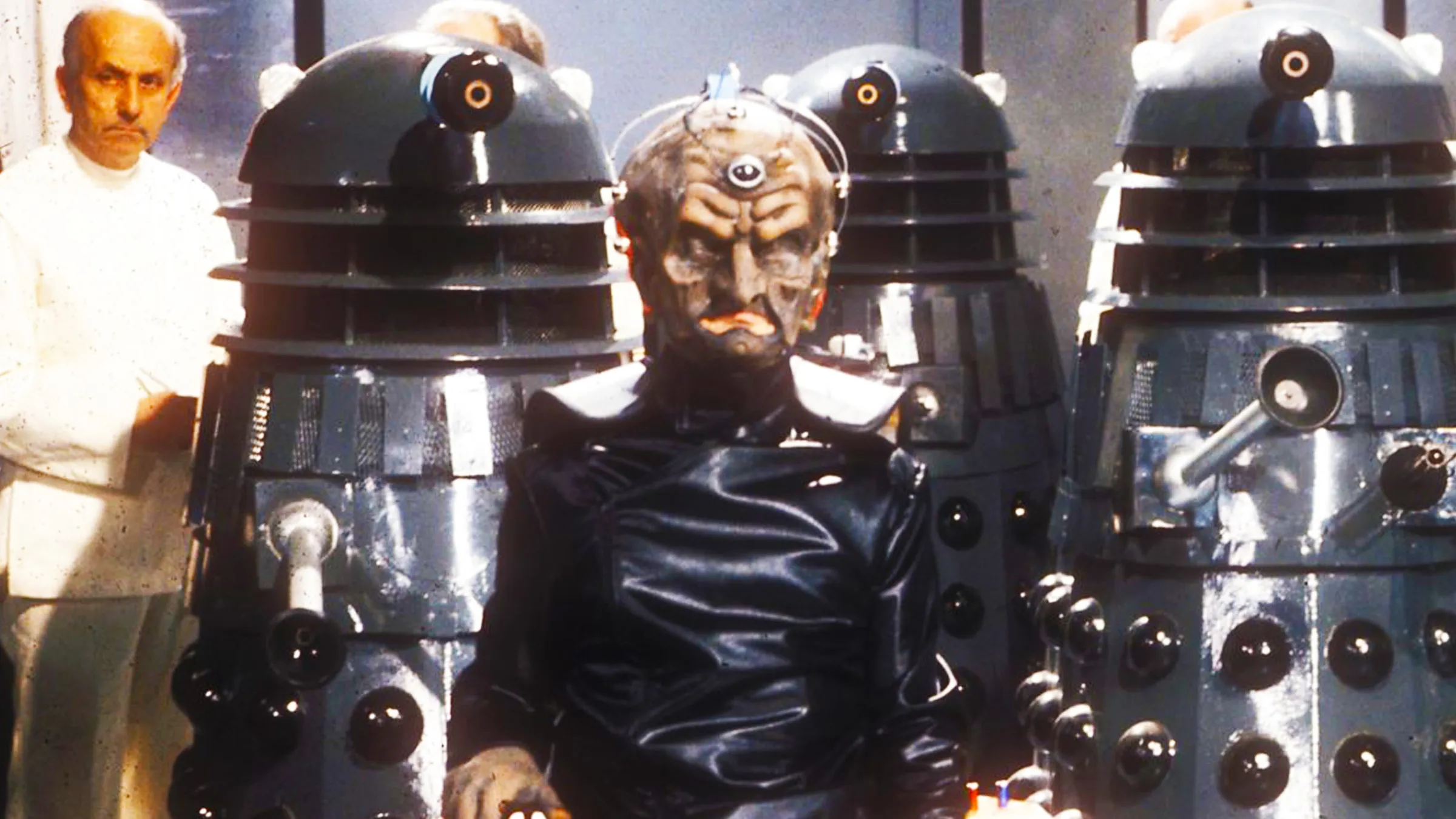
Many fans and critics consider the fourth Doctor’s story, “Genesis of the Daleks,” to be one of the best and most significant episodes of Doctor Who. The story sends the Doctor, Sarah Jane Smith, and Harry Sullivan back in time to the planet Skaro, at the very beginning of the Daleks’ existence. Their mission, assigned by the Time Lords, is to prevent the Daleks from taking over the universe. “Genesis of the Daleks” also introduces Davros, the scientist who created the Daleks, and explains how they evolved from the Kaleds – a humanoid race – into the mutated, armored creatures they are known as.
9) “Destiny of the Daleks” (1979)
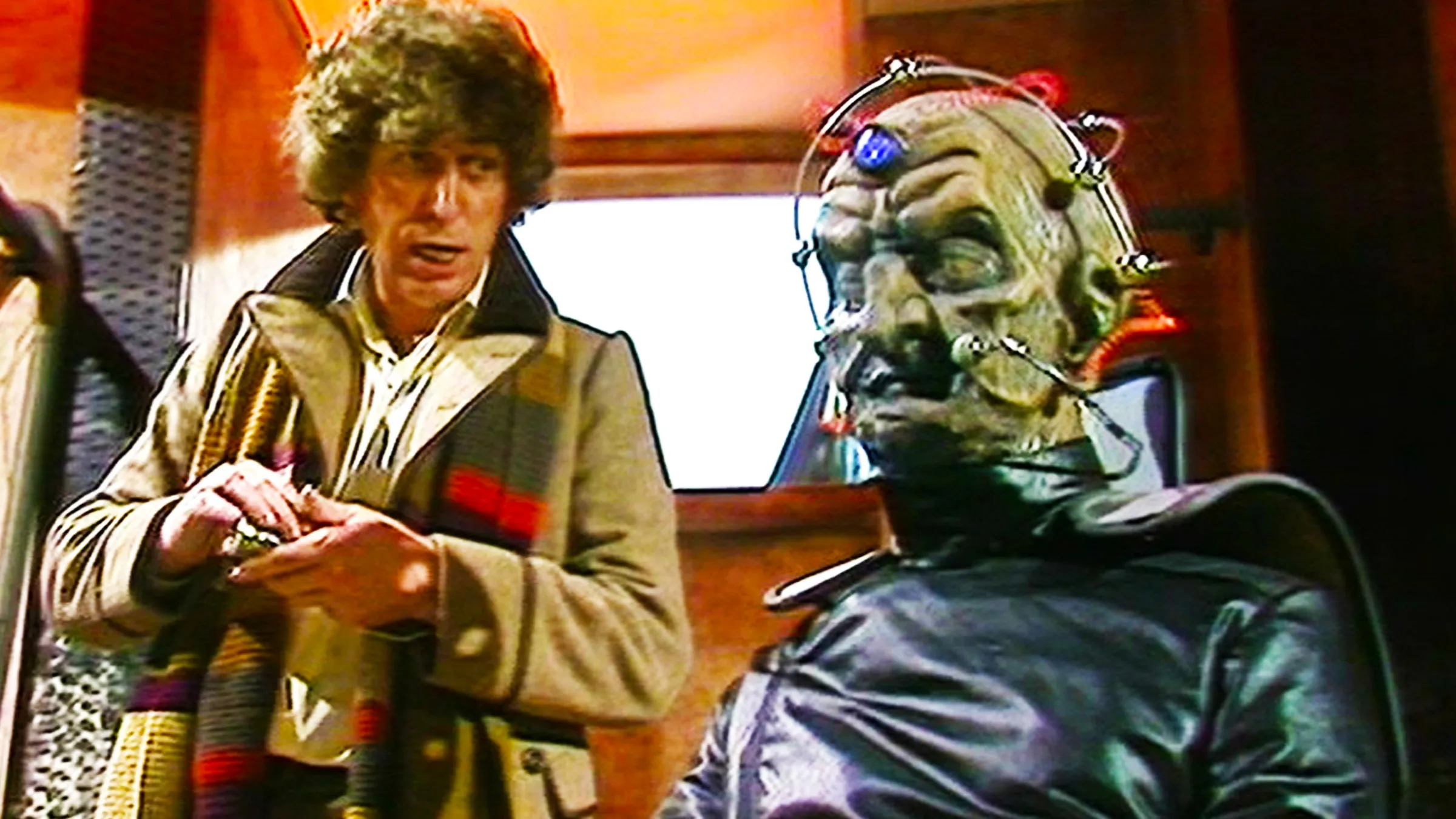
“Destiny of the Daleks” introduced Lalla Ward as the Second Romana and brought the Daleks back to Doctor Who after four years off-screen. The story sees the Daleks return to their home planet, Skaro, and revive their creator, Davros, to help them fight a war against the Movellans. The Fourth Doctor and Romana unexpectedly become part of this conflict. Notably, “Destiny of the Daleks” was the last Doctor Who story written by Terry Nation, the creator of the Daleks, signaling a shift in direction for both the series and the iconic villains, as different writers took over the characters in later years.
8) “Resurrection of the Daleks” (1984)

After the Fourth Doctor, the Daleks weren’t a frequent threat. The Fifth Doctor only faced them once, in the 1984 story “Resurrection of the Daleks.” This episode is known for being one of the most action-packed and violent in Doctor Who, and it features a major turning point: Davros, the creator of the Daleks, decides to destroy them. It also marks the departure of Tegan from the Doctor’s companions. The story is particularly grim, showing the Daleks killing many people, Davros attempting to eliminate them with a virus, and even the Doctor considering taking Davros’s life.
7) “Revelation of the Daleks” (1985)
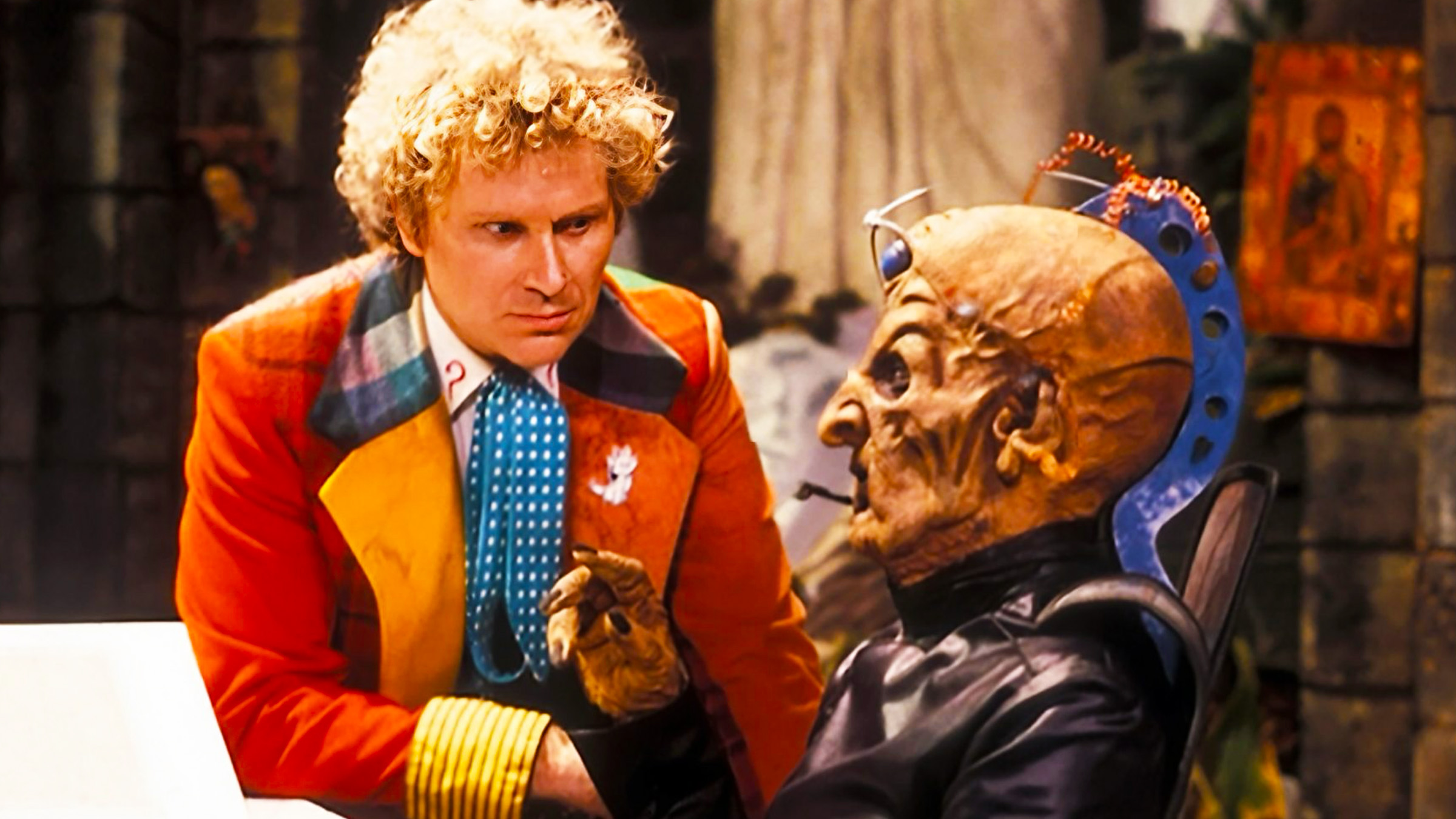
“Revelation of the Daleks” is notable as the only on-screen battle between the Sixth Doctor (Colin Baker) and the Daleks. In this story, Davros disguises himself as a benevolent healer to exploit a starving galaxy, secretly intending to transform humans into a new Dalek force. The story also introduced a split within the Daleks themselves, with gray Daleks following the Dalek Supreme and gold Daleks loyal to Davros. Furthermore, “Revelation of the Daleks” was the last Doctor Who episode to run for 45 minutes until the show’s 2005 revival, representing a significant – and potentially detrimental – change for the series.
6) “Remembrance of the Daleks” (1988)
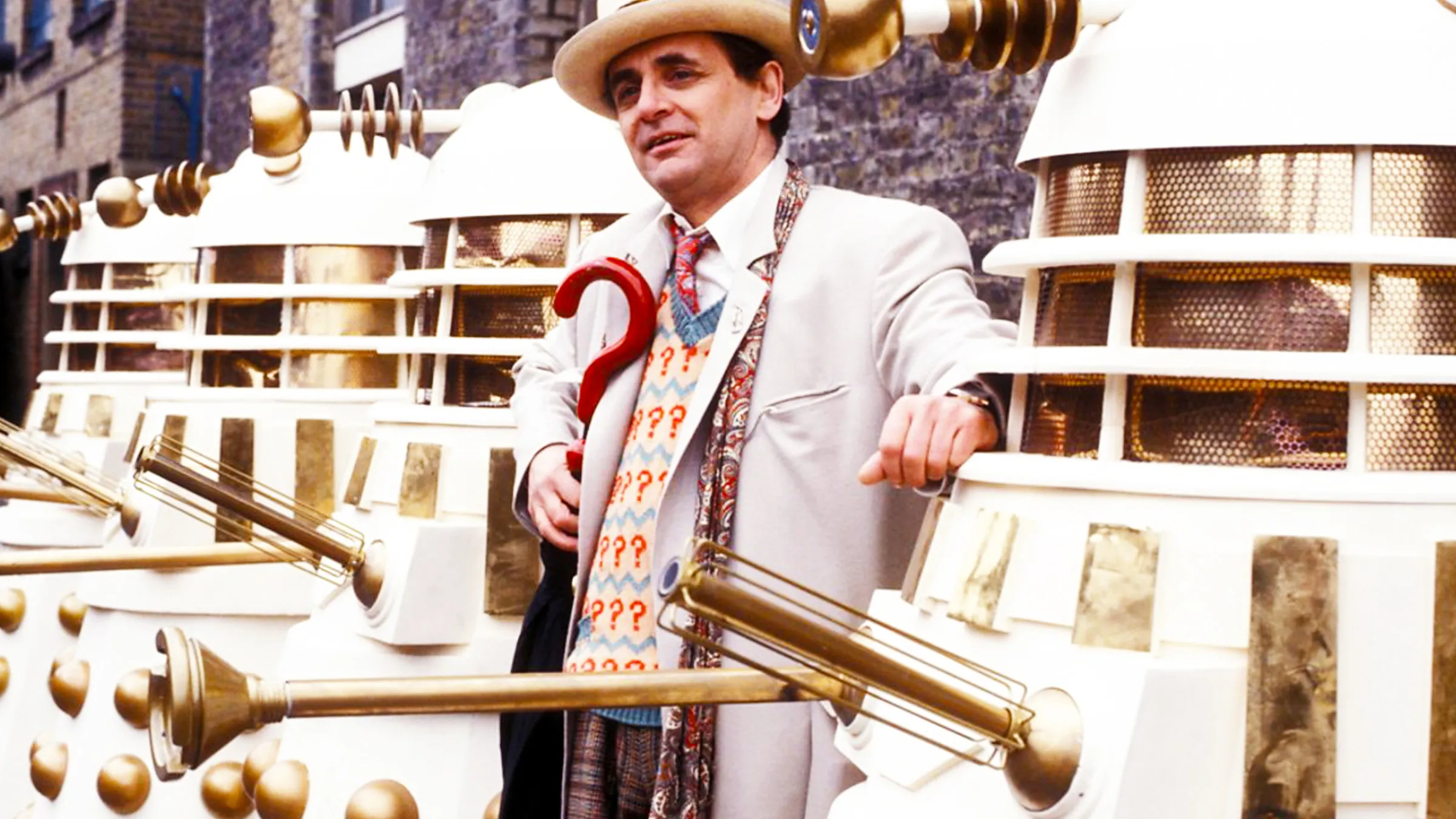
Before Doctor Who was put on hold in 1989, the Seventh Doctor (Sylvester McCoy) starred in “Remembrance of the Daleks.” This episode kicked off the show’s final season in 1988, sending the Doctor and Ace back to 1963 – the year Doctor Who first aired – on a mission to recover the Hand of Omega. They needed to keep this powerful Time Lord artifact out of the Daleks’ hands. Because the story revisited the show’s origins, it’s widely considered one of the best adventures of the Seventh Doctor’s era.
5) “Evolution of the Daleks” (2007)
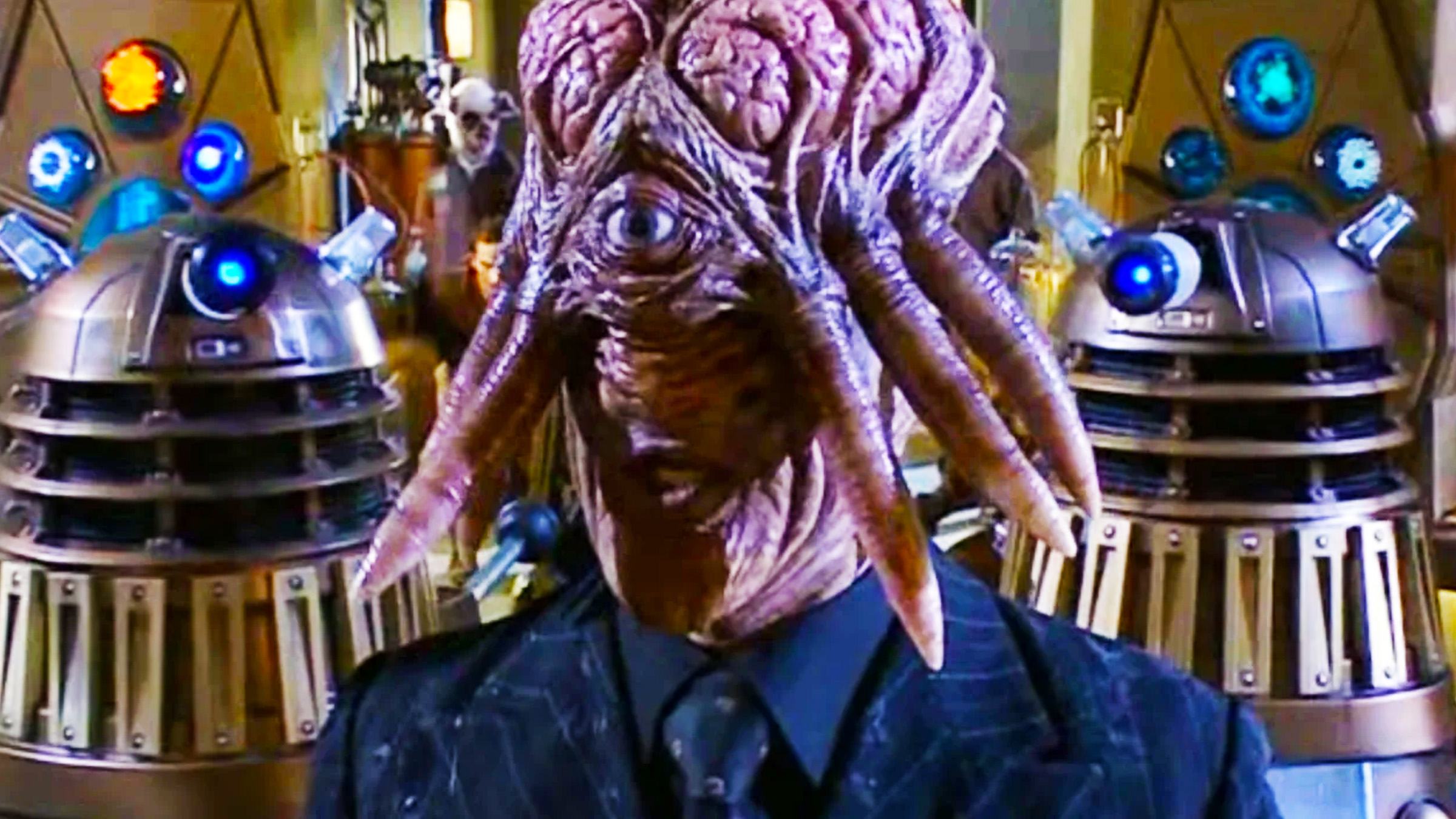
After Doctor Who returned to television, the Daleks appeared in several episodes before the show revisited the classic “… of the Daleks” format in 2007 with “Evolution of the Daleks.” This episode continued the story begun in “Daleks in Manhattan,” where the Tenth Doctor (David Tennant) and Martha Jones attempted to prevent the Daleks from transforming 1930s New Yorkers into human-Dalek hybrids. The storyline echoed elements from the Second Doctor’s adventure, “The Evil of the Daleks,” but was presented with more intense visuals and modern special effects. This two-part episode was particularly important for the character of Martha Jones, allowing her to truly shine and develop.
4) “Victory of the Daleks” (2010)
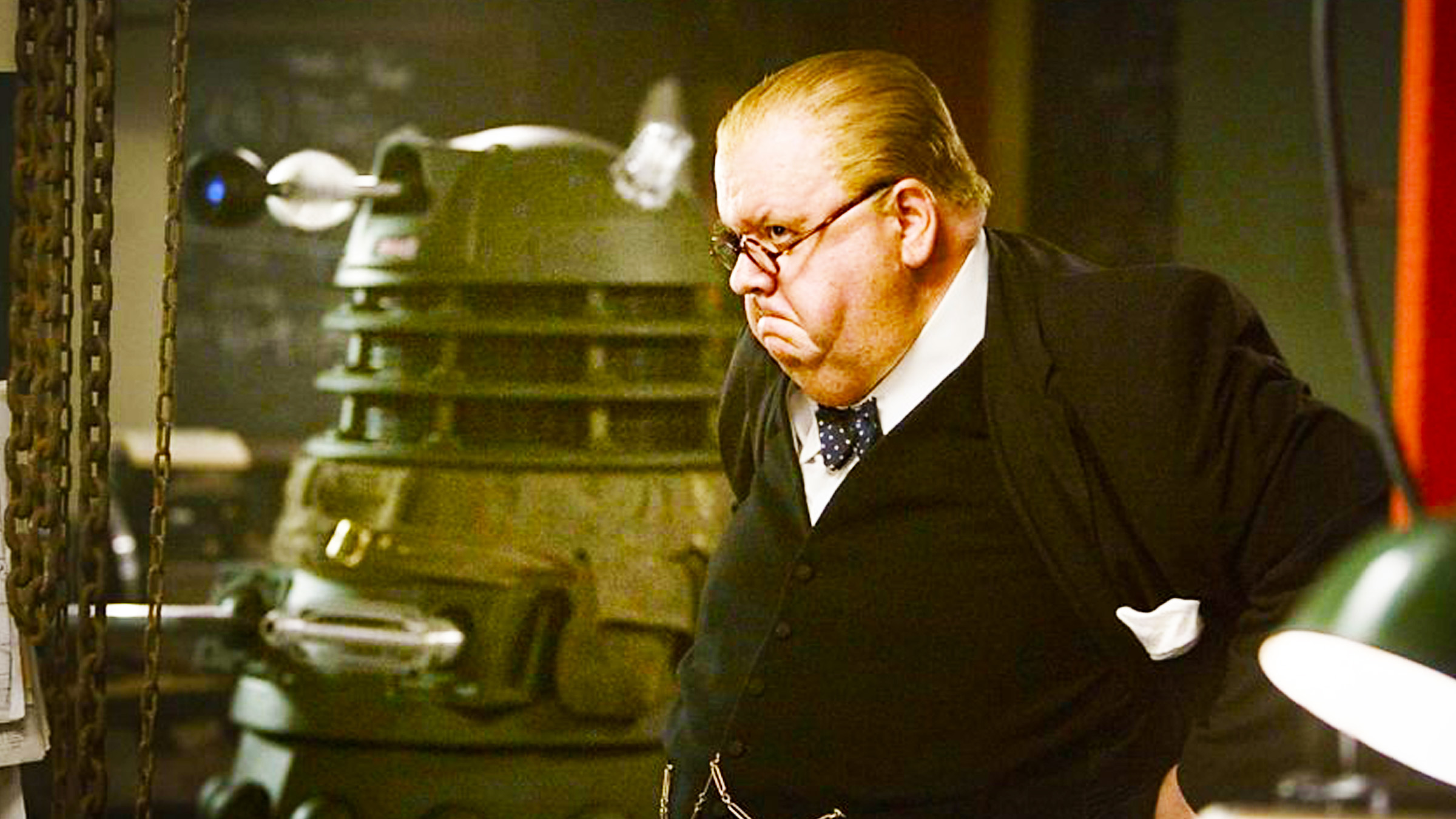
In both the 1966 story “The Power of the Daleks” and the 2010 Eleventh Doctor episode “Victory of the Daleks,” the Daleks disguised themselves as humans. “Victory of the Daleks” features the Doctor and Amy Pond meeting Winston Churchill in a WWII bunker, where they discover Professor Bracewell’s invention, the “Ironsides” – which the Doctor immediately identifies as a new form of Dalek. The Daleks were trying to gain power and improve their technology, leading to larger, differently colored versions of themselves. This reset their position in Doctor Who, reminding everyone that they were a significant danger.
3) “Asylum of the Daleks” (2012)

The 2012 episode “Asylum of the Daleks” sent the Eleventh Doctor, Amy Pond, and Rory Williams to a planet that served as a prison for the Daleks. Their mission was to shut down a security system, allowing the functional Daleks to eliminate their broken and unstable counterparts. This perilous journey reunited Rory and Amy, and also marked the first appearance of Jenna Coleman as Oswin, who would later become the Doctor’s companion, Clara Oswald. In a surprising turn of events, it was revealed that Oswin had been converted into a Dalek. “Asylum of the Daleks” is considered a highlight of the Eleventh Doctor’s adventures and one of the final stories for Amy and Rory.
2) “Revolution of the Daleks” (2021)

The New Year’s Day special, “Revolution of the Daleks,” brought back the Daleks after a nine-year gap, and notably jumped over the previous Doctor’s (Peter Capaldi) era to feature Jodie Whittaker’s Thirteenth Doctor battling them in London. The episode reinvented the Daleks by showing them using spare parts to build drones, but unexpectedly discovering living tissue that allowed them to create new Dalek clones. This episode also said goodbye to companions Graham and Ryan, signaling the start of the final chapter for this version of the Doctor.
1) “Eve of the Daleks” (2022)

“Eve of the Daleks,” which aired on New Year’s Day 2022, was one of Jodie Whittaker’s last episodes as the Thirteenth Doctor. The Doctor, along with her companions Yasmin Khan and Dan Lewis, become stuck in a time loop inside a storage facility, and are pursued by Daleks. The episode officially confirmed a romantic connection between the Doctor and Yaz, and it featured a simpler, more classic storytelling style that fans had been wanting to see. It remains to be seen how future episodes with “… of the Daleks” in the title will build on the history of the Doctor’s most famous enemies in Doctor Who.
What do you think? Leave a comment below and join the conversation now in the ComicBook Forum!
Read More
- Gold Rate Forecast
- Dune 3 Gets the Huge Update Fans Have Been Waiting For
- Jack Osbourne Shares Heartbreaking Tribute to Late Dad Ozzy Osbourne
- Disney Promotes Thomas Mazloum To Lead Parks and Experiences Division As Josh D’Amaro Prepares To Become CEO
- 22 actors who were almost James Bond – and why they missed out on playing 007
- Every Creepy Clown in American Horror Story Ranked
- Antiferromagnetic Oscillators: Unlocking Stable Spin Dynamics
- Dungeon Stalkers to end service on June 9
- Action Comics #1096 is Fun Jumping-On Point for Superman Fans (Review)
- Hazbin Hotel Secretly Suggests Vox Helped Create One of the Most Infamous Cults in History
2025-12-10 23:16