
For more than ten years, the Breaking Bad episode “Ozymandias” was considered the best TV episode ever made, holding a perfect 10.0 rating on the Internet Movie Database (IMDb). This wasn’t just because the episode was brilliantly constructed and emotionally powerful; it became a defining moment for high-quality television. Directed by Rian Johnson and written by Moira Walley-Beckett, the episode powerfully showed the complete moral breakdown of Walter White (Bryan Cranston) and seemed unbeatable in terms of critical praise. However, because IMDb ratings are based on votes from the public, “Ozymandias” eventually became susceptible to changes in opinion and the often unpredictable nature of online fan communities.
Starting in early 2026, online review scores were dramatically affected by coordinated campaigns of negative reviews. These were largely fueled by competition between fans of Breaking Bad and the growing audience for the Game of Thrones prequel, A Knight of the Seven Kingdoms. After thousands of retaliatory one-star reviews, the Breaking Bad episode “Ozymandias” saw its average rating fall to 9.5, ending its long run as the only perfect episode on IMDb. This change established 9.9 as the highest possible rating on the platform. Currently, 16 episodes share this top score, representing the very best in both live-action and animated television.
16) Star Wars: The Clone Wars: “Victory and Death”

The final episode of Star Wars: The Clone Wars is a powerful and visually stunning end to the animated series, showing what happened right after Order 66. It follows Ahsoka Tano and Captain Rex as they try to survive a ship crash, but it’s less about heroic action and more about the heartbreaking fate of the clone troopers who lost control of their own lives. The episode is known for its tense atmosphere and the strong feeling of sadness it creates, ending with a quiet scene that connects the prequel movies to the beginning of the Galactic Empire. By moving away from the usual focus on the Jedi and instead showing how Ahsoka and Rex struggle to survive, the episode offers a haunting look at a key moment in the Star Wars story. A brief, silent appearance by Darth Vader emphasizes how final this change is, and powerfully marks the end of the Republic.
15) Regular Show: “A Regular Epic Final Battle”

The final three episodes of “Regular Show,” titled “A Regular Epic Final Battle,” take the show’s quirky humor and turn it into an epic, universe-spanning adventure. Mordecai and Rigby team up for a massive fight against Anti-Pops, a powerful being who could destroy everything. This finale is different from earlier episodes – it’s much bigger in scope and explores the bonds of friendship and the challenges of growing up. The creators also included fun nods to the show’s own history for dedicated fans. In the end, the episodes work so well because they combine the show’s wild, over-the-top action with a genuinely touching ending that lets the characters move on to the next chapter of their lives.
14) Legend of the Galactic Heroes: “Dream: To See It to the End”

“Dream: To See It to the End” serves as the concluding episode of the Legend of the Galactic Heroes OVA series, offering a thoughtful ending to the long-running conflict between the show’s core philosophies. As Reinhard von Lohengramm (voiced by Ryō Horikawa) battles a fatal illness, the episode centers on the transfer of power and the future of the New Galactic Empire. Instead of a typical action-packed finale, it features extended, character-focused conversations that explore the repeating patterns of history and the challenges of being a leader. This emphasis on political ideas and personal values keeps the series intellectually engaging right up to the very end. The episode’s classical music and detailed animation create a tragic, almost operatic atmosphere, portraying the death of a conqueror as a moment for deep contemplation rather than celebration.
13) Legend of the Galactic Heroes: “The Magician Doesn’t Return”

The anime episode featuring the death of Yang Wen-li, titled “The Magician Doesn’t Return,” is considered a landmark moment in the genre for its unexpected and realistic portrayal of violence. Instead of a noble sacrifice, Yang Wen-li is killed in a chaotic assassination, highlighting that even brilliant strategists are vulnerable. This shocking event emphasizes the show’s idea that history is often driven by chance occurrences rather than planned outcomes. By killing off a central moral figure well before the series ends, Legend of the Galactic Heroes challenges viewers to consider how easily progress can be disrupted. This sense of loss and uncertainty has made the episode famous for brilliantly defying typical anime storytelling.
12) Gravity Falls: “Weirdmageddon 4: Somewhere in the Woods”
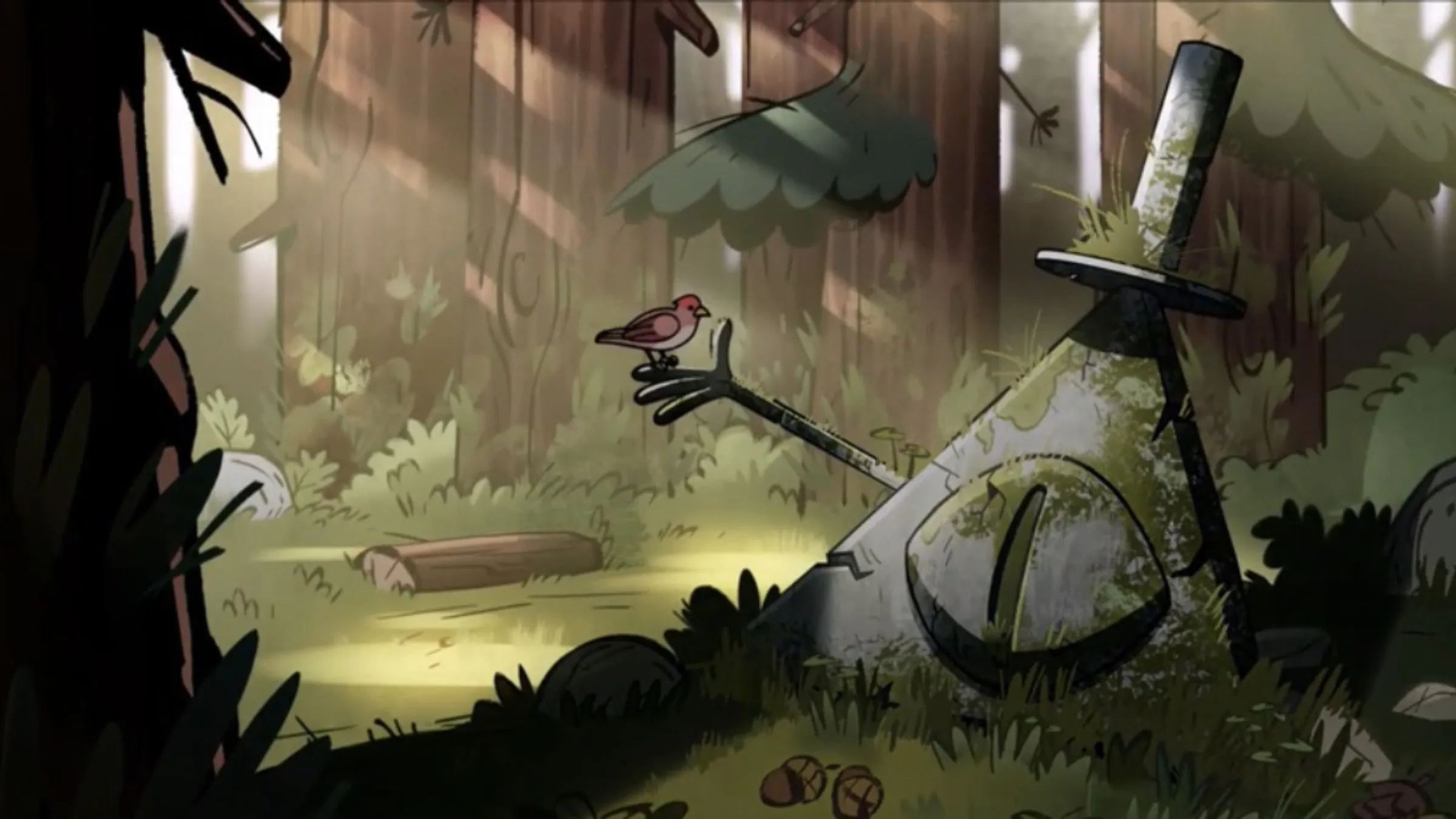
The final episodes of Gravity Falls fully solve the mystery surrounding the town, with Dipper and Mabel facing off against the powerful and reality-bending Bill Cipher. The finale showcases everything the show has built up, bringing together all the characters and storylines to prevent an invasion from another dimension. While the battle is exciting, the story’s emotional core lies in Grunkle Stan’s sacrifice – his choice to erase his own memory to defeat the villain is a fitting end to his character’s journey. This combination of thrilling action and heartfelt family moments elevates the show beyond typical children’s programming, offering a thoughtful look at growing up and leaving childhood behind.
11) Mr. Robot: “407 Proxy Authentication Required”
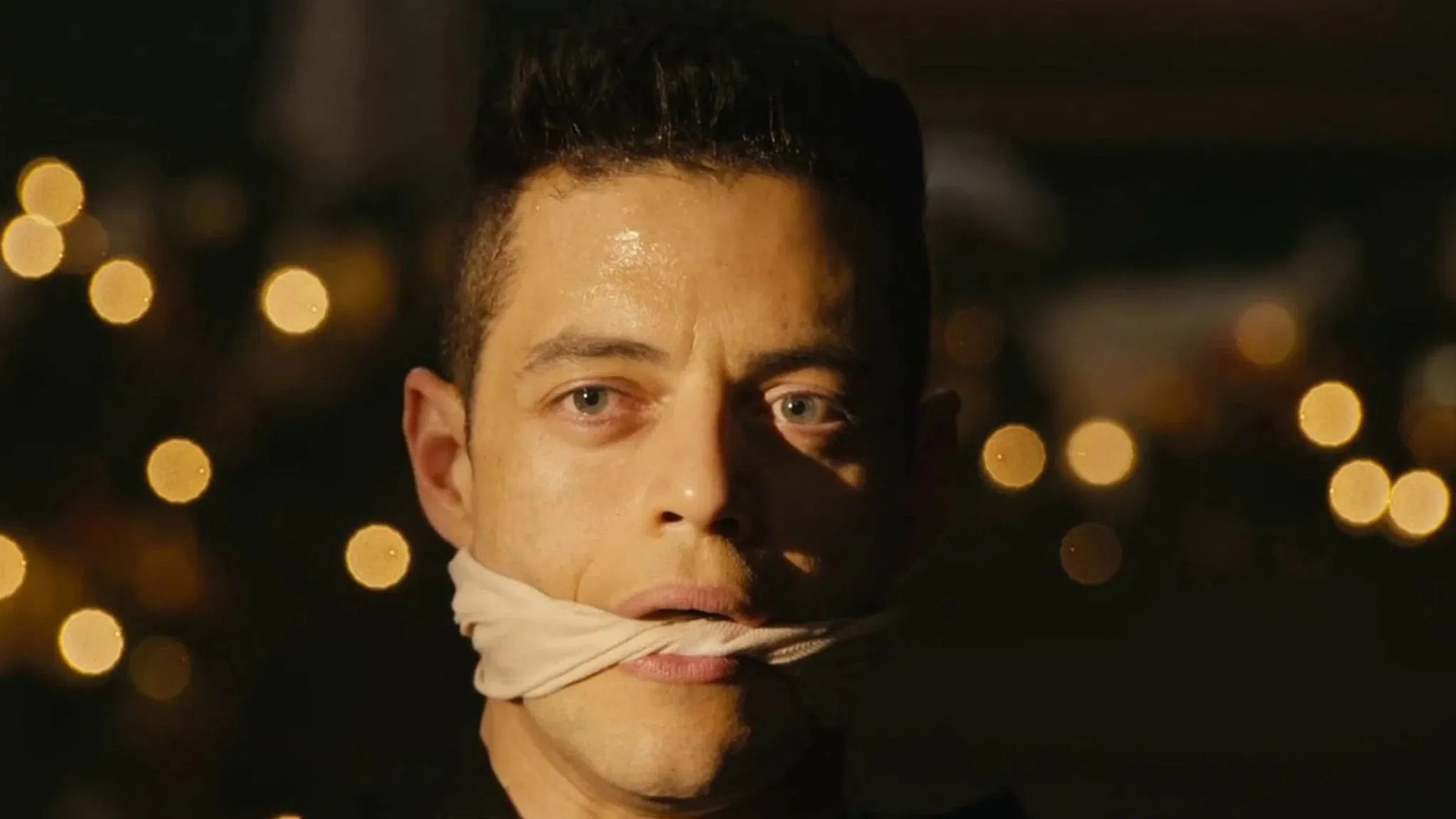
As a huge fan of Mr. Robot, I have to say that the episode “407 Proxy Authentication Required” is something truly special. It felt like watching a play unfold, all happening in one place, and it was incredibly intense. The whole episode centers around a confrontation between Elliot and Fernando, and the way it was filmed – with these long, unbroken shots and a really suffocating mood – just ratcheted up the tension. What really struck me was how the director, Sam Esmail, dialed back all the tech stuff we usually see and instead focused on Elliot’s past. It was a huge turning point, honestly. It made me see the whole series in a different light – it’s not just about hacking anymore, it’s about how someone survives a really difficult childhood and deals with mental illness. Rami Malek and Elliot Villar both gave incredibly controlled performances, their dialogue felt like a dance, both dramatic and uncomfortably real. It was a tough episode to watch, forcing both the characters and us, the audience, to really sit with some painful truths, but that’s what made it so powerful and unlike anything else I’ve seen on TV.
10) Game of Thrones: “The Winds of Winter”

The sixth season finale of Game of Thrones is still considered a high point for television, largely due to its stunning opening sequence showing the destruction of the Great Sept of Baelor. Directed by Miguel Sapochnik, the episode uses a chilling musical score by Ramin Djawadi to create a feeling of dread as Cersei Lannister plots to eliminate her enemies. The finale also delivers on several long-anticipated reveals, confirming Jon Snow’s true family history and Daenerys Targaryen’s journey to Westeros. These major changes in the series’ power structure were presented with the impressive visuals and scope of a blockbuster movie. This blend of careful storytelling and exciting plot developments makes it one of the most memorable and rewatchable episodes of the entire show.
9) Game of Thrones: “Battle of the Bastards”

The ‘Battle of the Bastards’ episode of Game of Thrones set a new standard for how battles were shown on television. It presented a brutal and intensely realistic depiction of medieval combat, focusing on the sheer physical hardship endured by those fighting. The fight between Jon Snow and Ramsay Bolton was particularly grim, with moments like Jon being nearly crushed under a heap of bodies. This focus on the chaotic and terrifying reality of battle moved away from the often-romanticized portrayals common in fantasy. Beyond its impressive fight choreography and visuals, the episode offered a satisfying end to the Boltons’ control of Winterfell. Sansa Stark’s strategic actions and the arrival of the Knights of the Vale showed that simply being a strong warrior wasn’t enough to save the Stark family – it required clever planning and support as well.
8) Game of Thrones: “The Rains of Castamere”
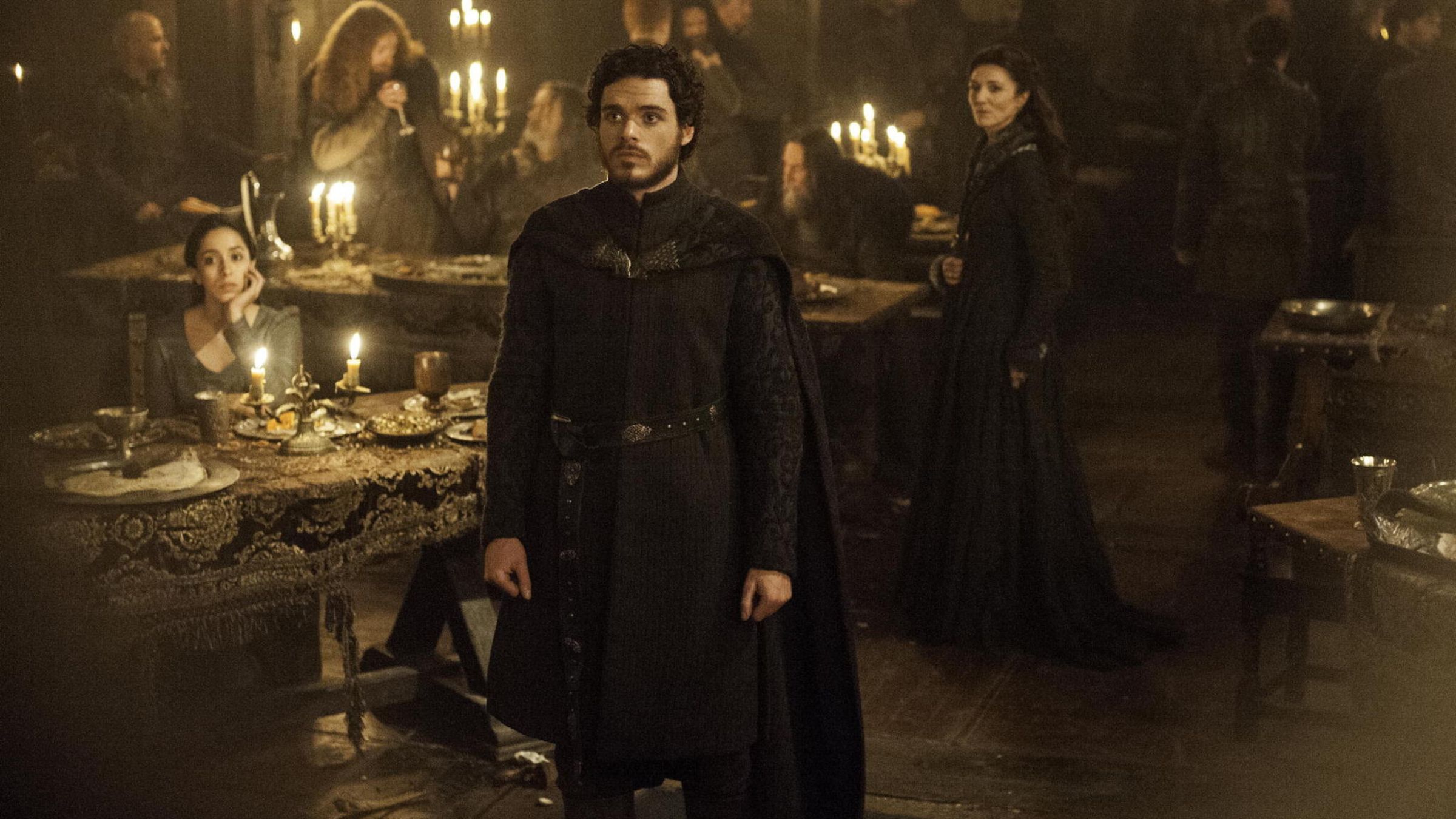
The “Rains of Castamere” episode of Game of Thrones, best known for the shocking Red Wedding, is one of the most famous and talked-about television episodes ever. The story centers on Robb and Catelyn Stark, who are lured to a wedding at the Twins only to be brutally betrayed and attacked by their hosts, the Frey and Bolton families. This unexpected violence changed the entire direction of the show, proving that any character, no matter how important, could die because of political mistakes. The shocking impact is made even stronger by the lack of music during the closing credits, leaving viewers to process the aftermath in silence. Michelle Fairley’s heartbreaking performance in her final scenes gives the episode its emotional power, creating a feeling of despair that deeply affected the audience.
7) Tomorrow’s Joe: “The Great End”
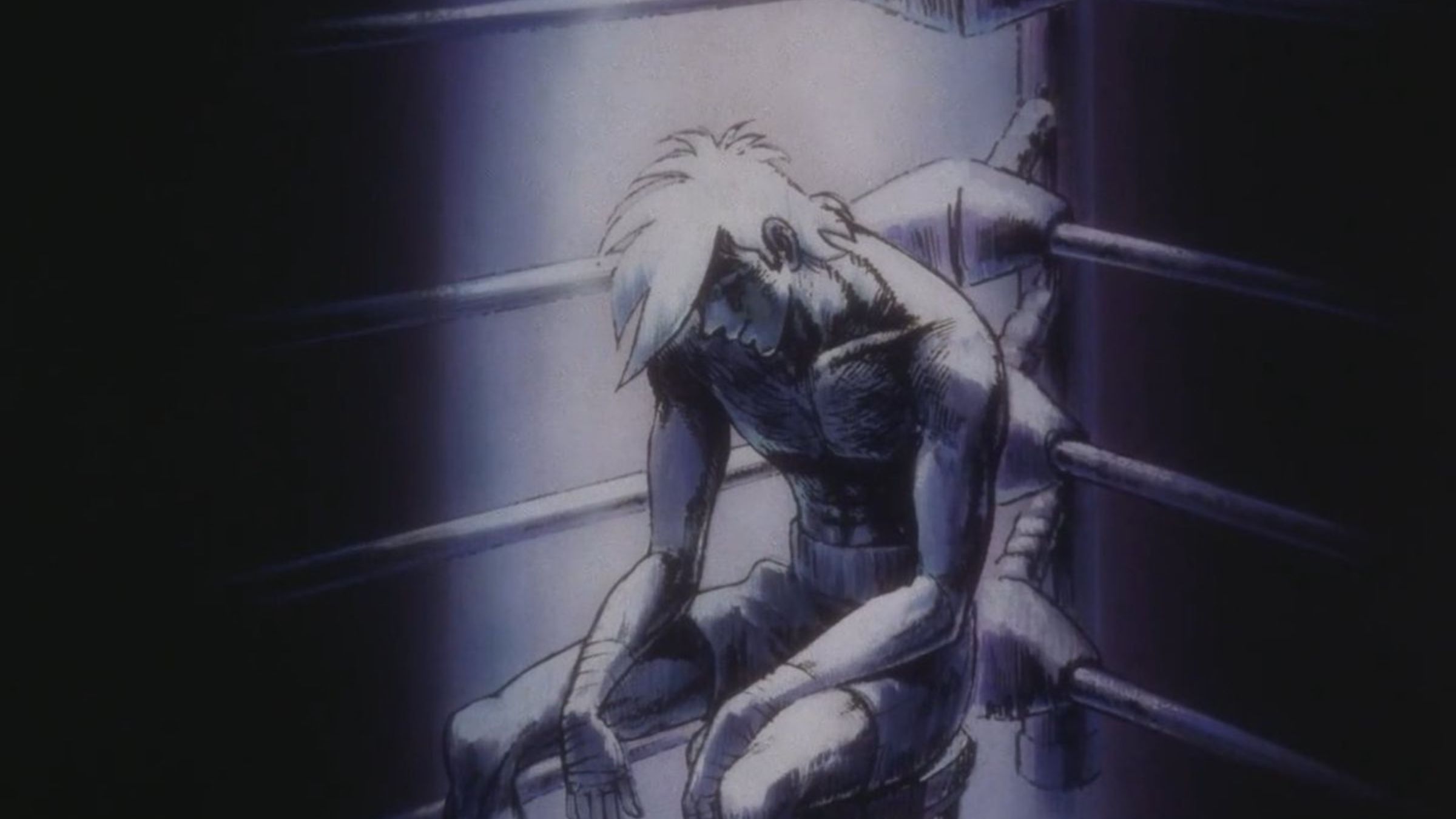
As a lifelong movie and TV buff, I still think about the finale of the classic boxing series Tomorrow’s Joe. It’s truly one of the most unforgettable endings ever. The last fight between Joe Yabuki and Jose Mendoza isn’t just about boxing; it really shows how unbelievably demanding the sport is, pushing Joe to his absolute limit. What sticks with me isn’t whether he wins or loses, but his refusal to give up, even as his body completely breaks down. The final image – Joe slumped in his corner, utterly exhausted, described as having ‘burned out to white ash’ – is so powerful. It’s a beautiful metaphor for giving absolutely everything you have to something, and it makes the ending feel incredibly profound and poetic. It’s all about the athlete’s spirit, not the final score.
6) Better Call Saul: “Plan and Execution”
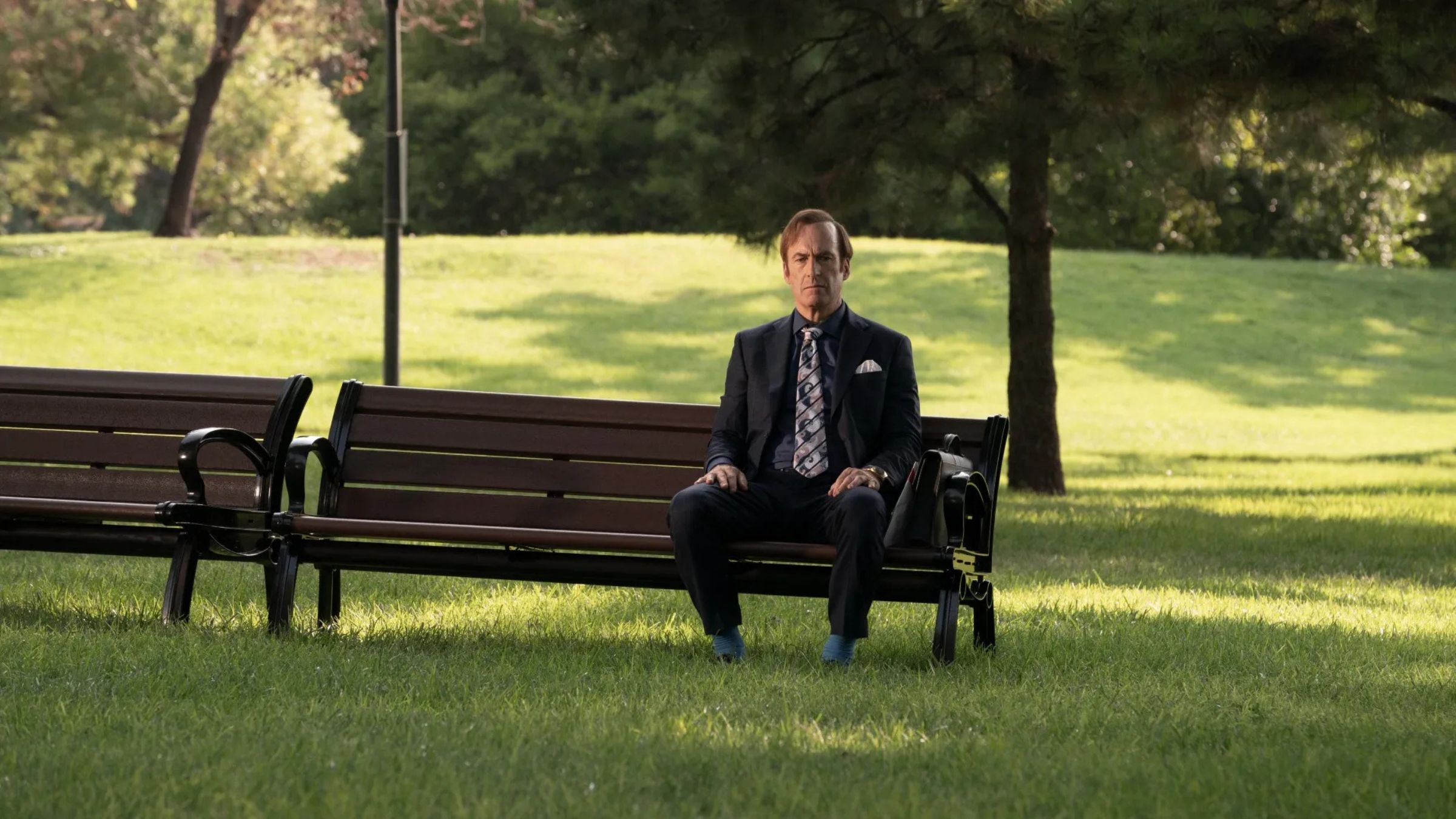
As a huge fan of good television, I have to say that the Better Call Saul episode “Plan and Execution” is a stunning example of building tension. For most of the hour, it’s a really clever and funny look at Jimmy and Kim’s elaborate plan to annoy Howard – it’s almost a lighthearted legal comedy. But then, the episode takes a hard turn when Lalo shows up. Suddenly, everything gets terrifying, and Howard’s death is completely shocking and senseless. It felt like a true turning point for Jimmy; all his little schemes and shortcuts finally led to something truly awful, and a good man lost his life simply because he was in Jimmy’s way. The director, Thomas Schnauz, did an incredible job creating a feeling of dread – the quiet moments and how the scenes were shot really made you feel trapped and vulnerable right along with the characters, making the violence feel both sudden and unavoidable.
5) Avatar: The Last Airbender: “Sozin’s Comet, Part 4: Avatar Aang”
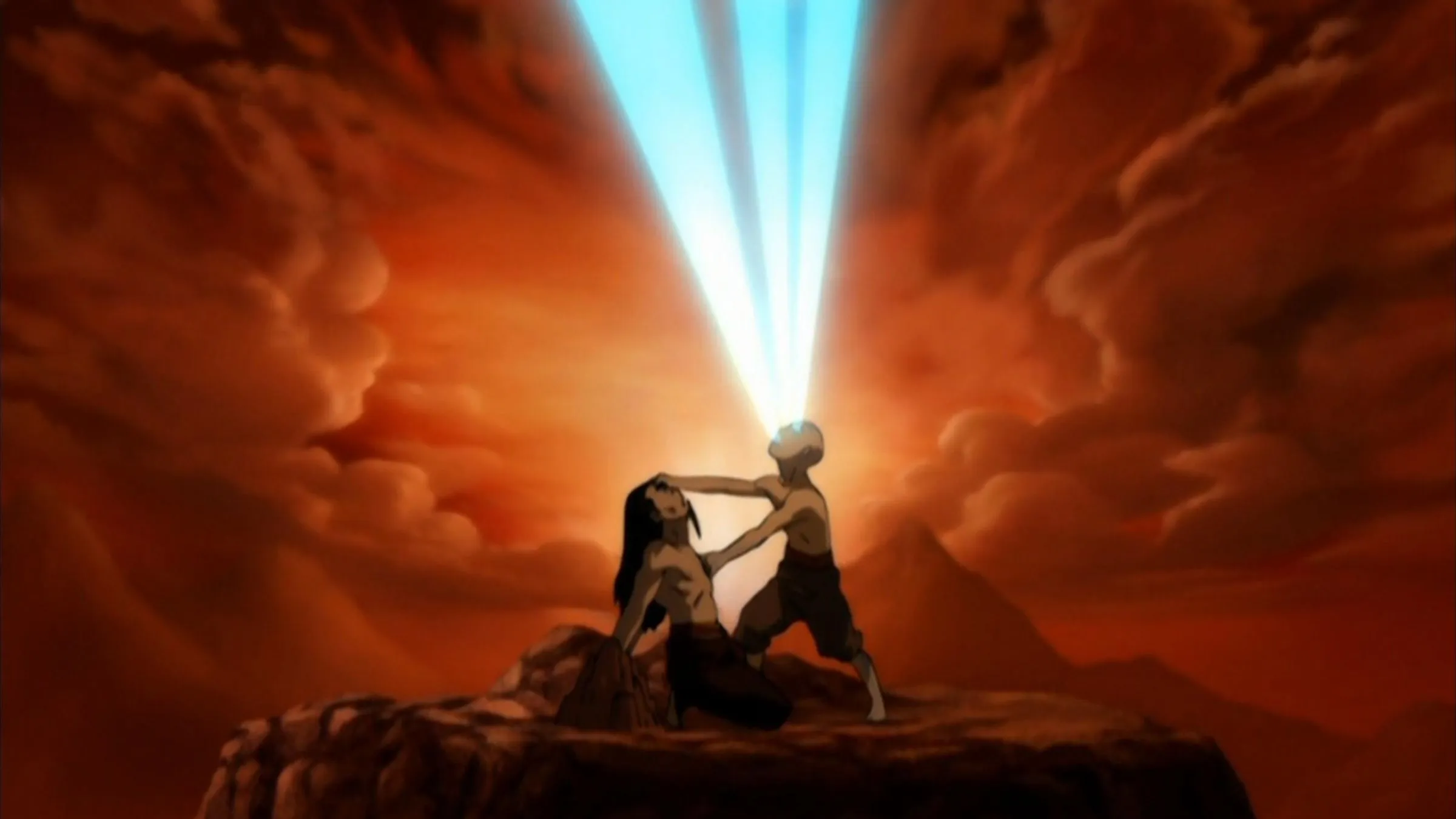
The series finale of Avatar: The Last Airbender beautifully concludes Aang’s incredible journey. The final episode focuses on the climactic battle between Aang and Fire Lord Ozai, resolving their conflict in a surprising way that stays true to Aang’s peaceful beliefs. Instead of simply killing Ozai, Aang chooses a different path, offering a more thoughtful look at right and wrong and the weight of fate. Meanwhile, the intense duel between Zuko and Azula is a heartbreaking and visually spectacular portrayal of a family falling apart. The animation is at its best during these scenes, using bright colors and smooth motion to showcase the characters’ elemental powers. By giving every major character a satisfying ending, the show cemented its place as a standout achievement in fantasy television.
4) Vinland Saga: “End of the Prologue”
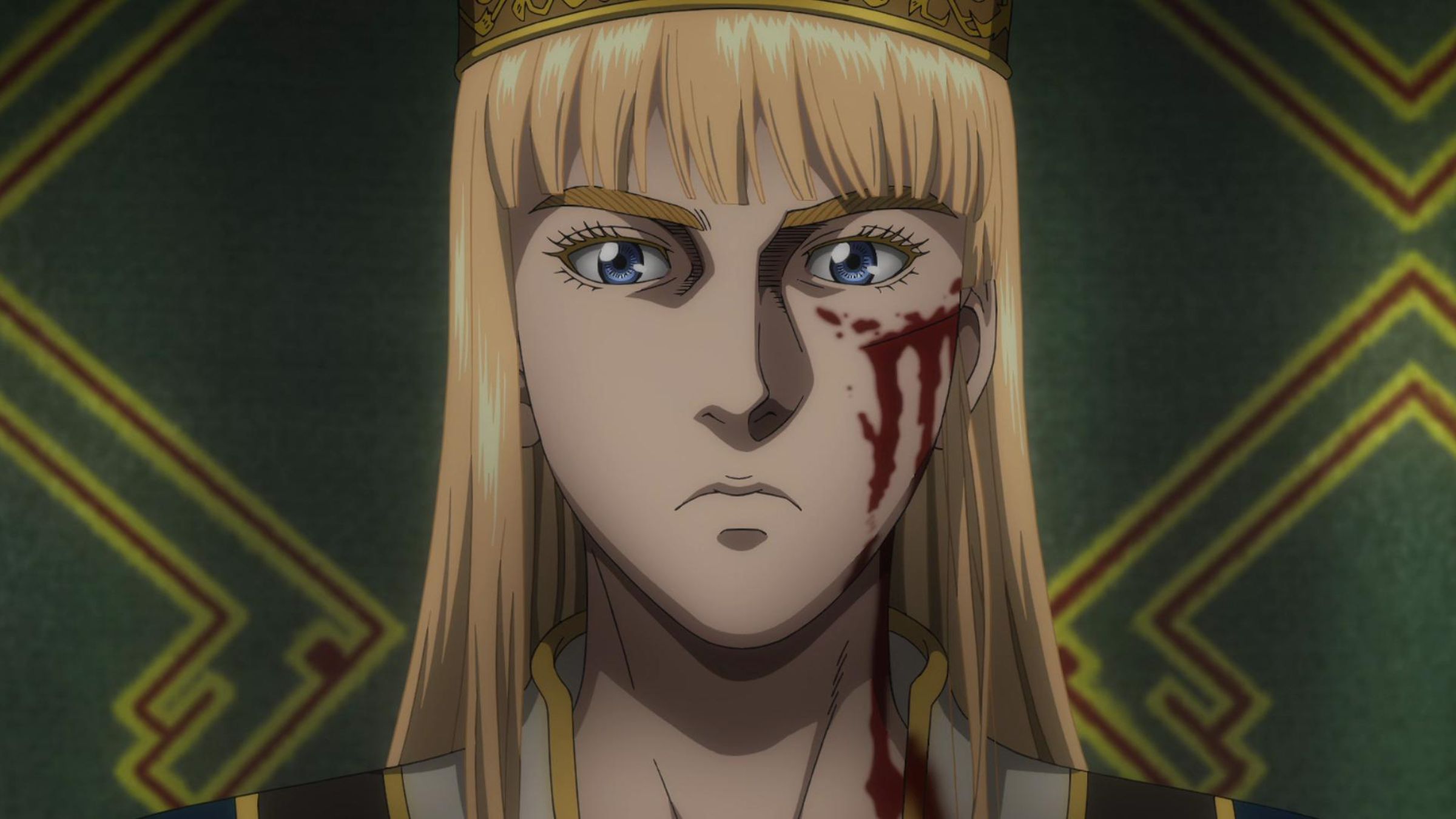
The first season of Vinland Saga ends with a surprising turn that completely changes the show’s direction. For twenty-four episodes, the story followed Thorfinn (voiced by Yūto Uemura) as he sought revenge for his father’s death. This quest ends when Askeladd (voiced by Naoya Uchida) is killed by Prince Canute (voiced by Kensho Ono). This unexpected event leaves Thorfinn without a purpose, making all his past fighting and anger feel pointless. The episode highlights Askeladd’s clever final plan to protect Wales and shows Canute taking power, revealing Askeladd to be a complicated character. This twist on the typical revenge story transforms the series into a thought-provoking look at war, destiny, and the dream of finding a peaceful land.
3) BoJack Horseman: “The View from Halfway Down”
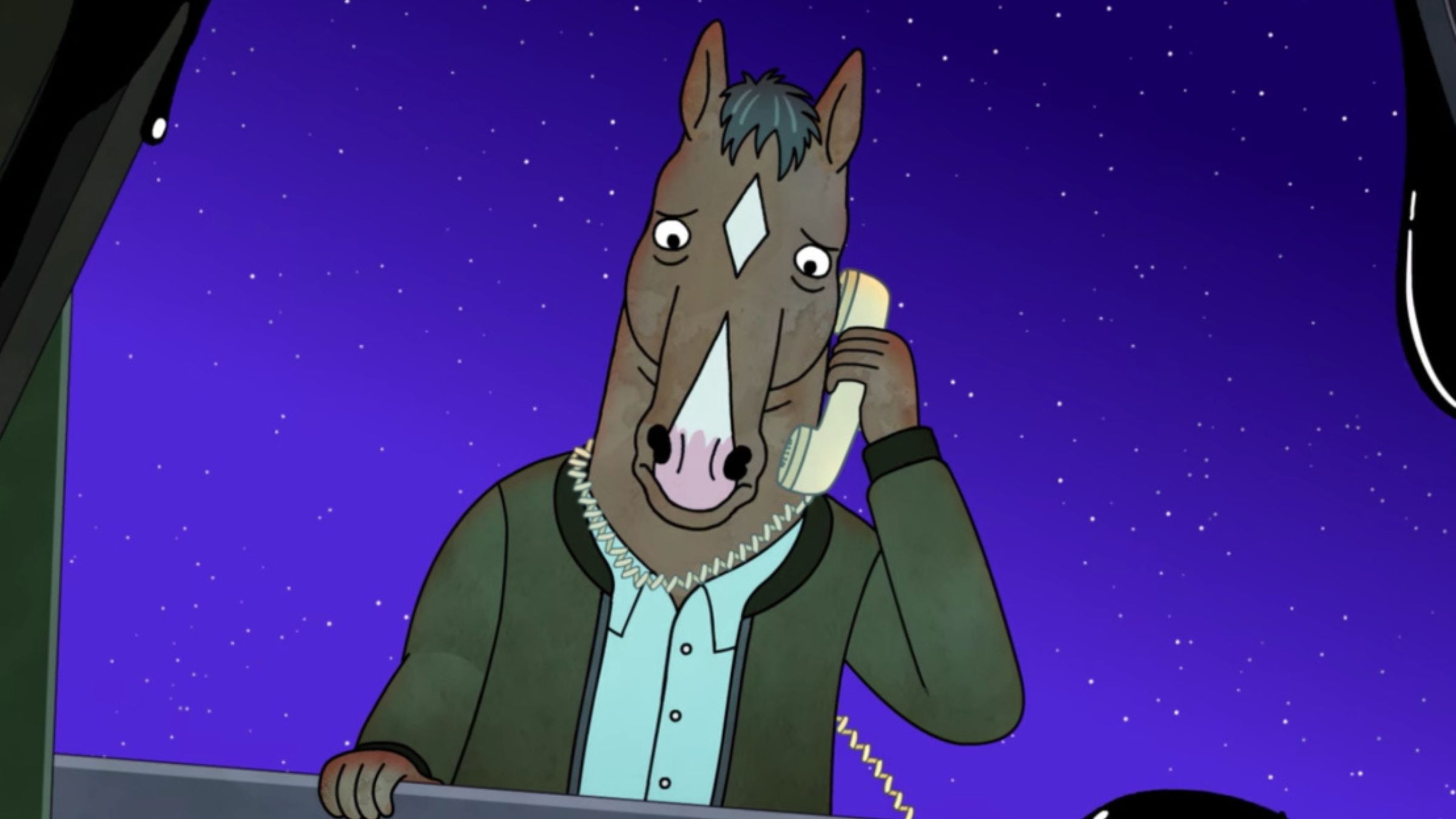
The second-to-last episode of BoJack Horseman is a deeply unsettling look at death and what happens after. BoJack (voiced by Will Arnett) finds himself in a dreamlike dinner party, facing the ghosts of people from his past. The episode is structured like a play, forcing BoJack to confront his past mistakes and traumas through a series of emotionally charged scenes. A central moment is a poem read by Secretariat, which powerfully portrays the intense regret experienced during a suicide attempt. This focus on the emptiness after life creates a rare and profound sense of dread for a cartoon. The episode visually reinforces this feeling with a decaying setting and a constant, dripping darkness, showing BoJack’s mental breakdown as he searches for an escape that he won’t find.
2) Heated Rivalry: “I’ll Believe in Anything”

The latest episode of the hit hockey series, Heated Rivalry, is a game-changer for LGBTQ+ sports stories. It’s earned incredibly high praise for its powerful emotions and compelling plot developments. The episode centers on a crucial moment for Shane Hollander (Hudson Williams) and Ilya Rozanov (Connor Storrie), whose on-ice competition is increasingly tangled with their hidden romantic feelings. Instead of focusing on the game itself, the show delves into the emotional toll of keeping their relationship secret in a world that expects them to be straight. The episode ends with heartfelt and honest conversations that reveal the characters’ true selves beneath their tough athlete exteriors. This emphasis on genuine emotion and the strong connection between the actors has quickly gained the show a large and devoted international fanbase.
1) Six Feet Under: “Everyone’s Waiting”
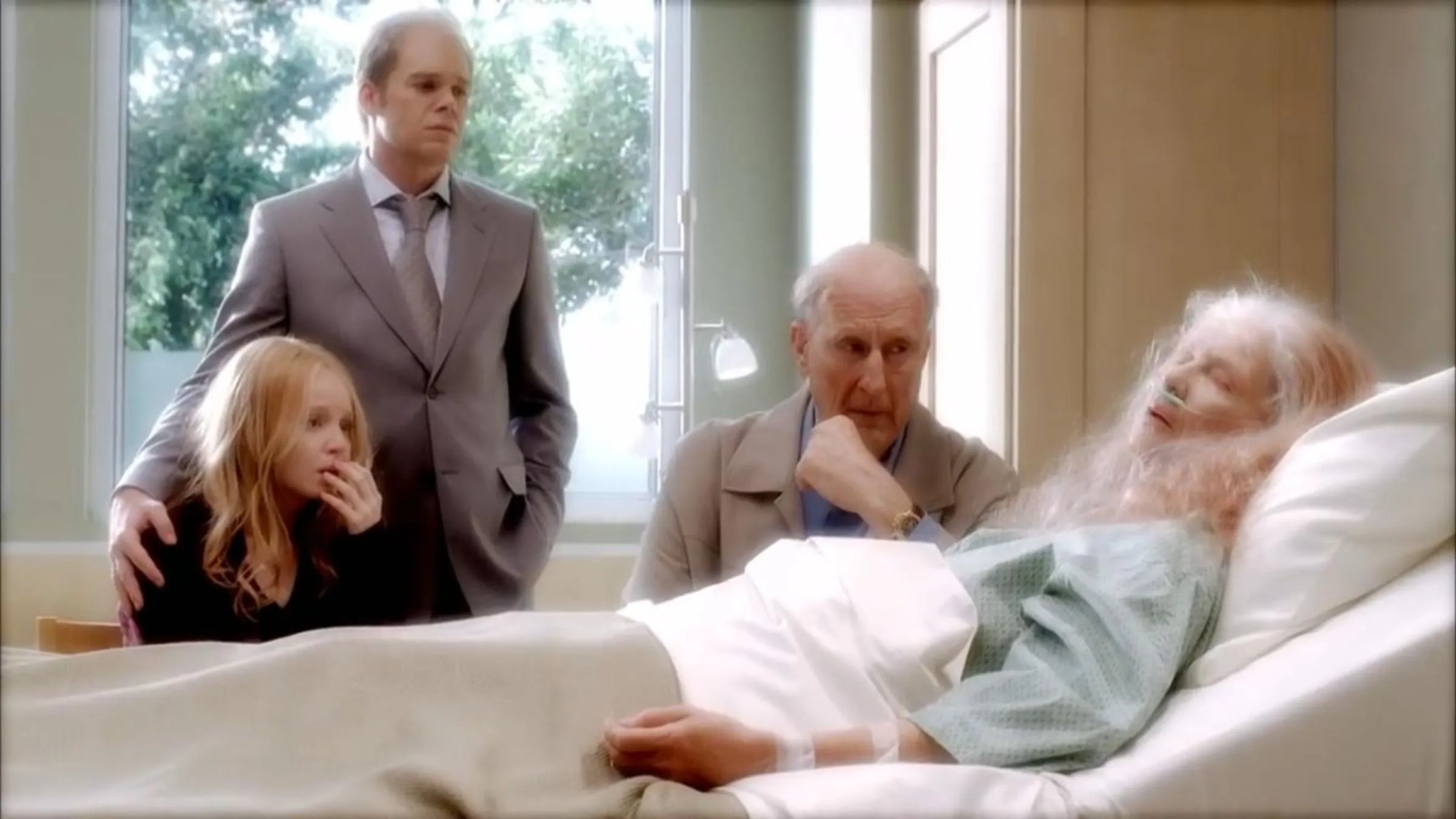
Many consider the final episode of Six Feet Under to be the best series finale ever made. It perfectly wraps up the show’s themes of life and death, offering a complete and satisfying conclusion. While the episode follows Claire Fisher’s move to New York, it’s best known for its powerful six-minute montage, set to Sia’s “Breathe Me,” which shows how each main character eventually dies. This bold choice definitively ends their stories, making sequels unnecessary, and powerfully reminds viewers of the reality of loss while celebrating the lives these characters lived. The cast, including Peter Krause and Michael C. Hall, delivers deeply moving performances rooted in the show’s five-season history. By directly addressing the universal experience of mortality, the finale reached an emotional depth that continues to set the standard for how television series should end.
As a huge TV fan, I’m always looking for those truly unforgettable episodes. There are a bunch with a 9.9 rating, and I’m really curious to hear which one you think is the absolute best – the one that really represents peak television. Let me know in the comments, and let’s discuss it over on the ComicBook Forum!
https://comicbook.com/tv-shows/list/7-short-tv-masterpieces-without-a-single-bad-episode/embed/#
Read More
- The Super Mario Galaxy Movie: 50 Easter Eggs, References & Major Cameos Explained
- 10 Best Free Games on Steam in 2026, Ranked
- Sydney Sweeney’s The Housemaid 2 Sets Streaming Release Date
- All 13 Smash Bros. Characters in the Super Mario Galaxy Movie
- Why is Tech Jacket gender-swapped in Invincible season 4 and who voices her?
- Welcome to Demon School! Iruma-kun season 4 release schedule: When are new episodes on Crunchyroll?
- Forza Horizon 6 ‘Prologue’ gameplay
- Dune 3 Gets the Huge Update Fans Have Been Waiting For
- What happened to Soldier Boy in The Boys?
- WTH?! Twitter Drops Fake Daredevil: Born Again Season 2 Spoilers as Character Return Confirmed
2026-02-26 22:44