
AMC’s Interview With the Vampire (soon to be The Vampire Lestat in its third season, slated for 2026) is a truly outstanding show that doesn’t get the recognition it deserves. The series, starring Sam Reid and Jacob Anderson, boasts exceptional performances and high production quality. It tells the intricate story of Louis de Pointe du Lac (Anderson) and his complicated, often difficult, yet deeply human connection with his maker and former lover, Lestat de Lioncourt (Reid), along with the other characters—both vampire and human—who inhabit their world. Debuting in 2022, the show is, in many ways, the adaptation fans of Anne Rice’s beloved Vampire Chronicles novels have been hoping for. The television format allows the story to unfold with the depth and scope it always deserved, and finally brings the novels’ underlying themes—especially the romantic connection between Louis and Lestat—to the forefront.
While Interview With the Vampire is a fantastic show, it’s not a flawless adaptation of Anne Rice’s novel. It’s less a faithful retelling and more a story inspired by the book. To be honest, despite being great television, it’s a pretty weak adaptation. As a longtime fan of Rice’s work, I’m worried that the changes made in the first two seasons will create problems in the upcoming third season.
AMC’s Series Is Great TV But Fundamentally Misunderstands Several Characters

Let’s address a common misconception right away: criticisms of the show aren’t about the decision to change characters’ races or remove the depiction of slavery from the original novel. In fact, those changes – specifically making Louis a Black, queer man in early 1900s New Orleans instead of a white plantation owner in the 1700s – actually enhance the series. The story is ultimately about the characters, not the historical setting, and this adaptation does a great job of focusing on them. Viewers consistently praise Anderson’s performance as Louis, and both actresses who have played Claudia have been incredibly well-received.
The characters’ conflicts stem from deeper, more fundamental issues. In the TV adaptation, Louis is primarily troubled by his self-loathing and difficulties accepting his sexuality – this internal struggle with identity, worsened by racism, is central to his personality. Even the death of his brother, Paul, a significant event in the book, mostly affects Louis’s own self-perception. While this makes for a compelling character arc and a good starting point for the TV series, the novels present Louis’s story as less about personal struggle and more about a profound exploration of existence itself.
The Louis from the novels is a character grappling with profound questions of faith and what’s right and wrong. He doubts God, his own choices, and even his sanity, as he falls into deep depression triggered by life events—particularly the death of his very religious brother, Paul. Unlike the TV show, which largely focuses on his relationship with Lestat and his journey to self-acceptance, the books delve much deeper. The true horror of Louis’s story isn’t simply about his vampire existence, but his desperate search for meaning in life. His guilt, emptiness, and depression stem from an internal darkness, rather than just being a result of becoming a vampire.
The change in Louis’s character also affects how Lestat is portrayed. Instead of being a darkly charming and manipulative figure who teases and leads Louis, the series presents Lestat as a more exaggerated, charismatic abuser – someone who is controlling and overtly evil, yet strangely appealing. While Lestat is consistently narcissistic, the show amplifies this trait, especially because Louis is less complex. This shift simplifies their relationship, focusing more on a direct expression of queer sexuality than the original novels did – even though Anne Rice wrote erotica in other works. Because Louis and Lestat are so different, other characters are subtly altered to either highlight or contribute to these new dynamics. The series is compelling television, but it deviates from Anne Rice’s original story.
Season 3 Will See New Important Characters — And I’m Already Worried About One of Them
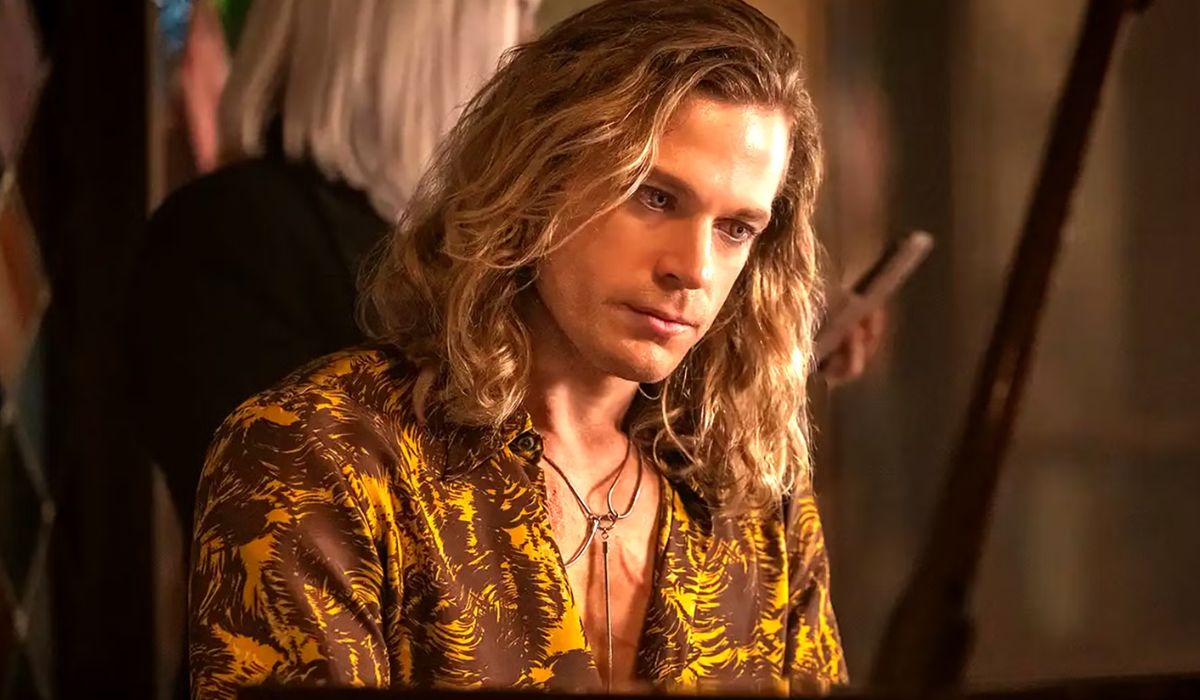
The AMC series has already taken liberties with the characters of Louis and Lestat, and how those changes affect the story. Now, with Season 3 shifting the focus to Lestat’s perspective, I worry these deviations will become even more pronounced as new characters are introduced. This season will largely adapt the second book in Anne Rice’s series, The Vampire Lestat (which explains the title change). It’s essentially Lestat’s response to Louis’s account of events, but also delves into Lestat’s own backstory. A key addition will be Gabrielle de Lioncourt, Lestat’s mother, but the show has made one change: her name will be Gabriella. This actually fits the character, as she’s Italian and was married young to a French Marquis, but never felt connected to France or French culture.
Recently, the showrunner for the series, Rolin Jones, discussed the character of Gabriella (played by Jennifer Ehle) in an interview. Some of his comments worried fans of Anne Rice’s original work. He explained the name change from Gabrielle to Gabriella, connecting it to the idea of “feminine vampiric blood.”
Jones explained to Entertainment Weekly that while Claudia was a well-developed and beautifully written character, the show needed a more explicitly predatory and sensual female vampire. They intentionally avoided making her a naive or innocent character, and Jones felt the decision was a natural fit for the show’s overall tone and helped establish the kind of characters they were creating. He didn’t intend to cause any negative reactions, but believed the choice was logical and impactful.
A key concern with the upcoming show is how it will portray the character of Gabrielle. In Anne Rice’s novels, Gabrielle actively rejects traditionally feminine presentation after becoming a vampire, cutting her hair short and adopting masculine clothing. She’s deeply distressed when her hair grows back each night, and Lestat even offers to cut and burn it daily to alleviate her discomfort. While she eventually settles on a single braid, she continues to present as masculine. Many readers interpret Gabrielle as genderfluid or transmasculine. The showrunner’s recent comments about “feminine vampiric blood” relating to Gabrielle suggest the show might ignore this important aspect of her character. This is significant because Gabrielle’s gender identity is crucial to understanding both her as a character and her complex relationship with Lestat, ultimately impacting Lestat’s own journey. Changing this core part of her identity could have major consequences for the story.
It’s normal for adaptations to differ from the original source material – it’s rare for them to be exact copies. In fact, it’s impossible to perfectly translate Anne Rice’s work to the screen, as some elements simply wouldn’t work visually, as even the 1994 film made changes. The problem arises when those changes strip away important details and emotional depth, essentially altering the heart of the story. That’s what’s happened with AMC’s Interview With the Vampire. By changing the core of Louis’s pain and emphasizing the more sensual aspects, the show has created a ripple effect, impacting the presentation and development of other characters. The result feels more like fan fiction than a faithful adaptation. While it’s excellent television – potentially some of the best in recent years – it falls short as an adaptation. Hopefully, Season 3 will handle Lestat and Gabrielle’s stories with more sensitivity, as that could also lead to fantastic television.
What do you think? Leave a comment below and join the conversation now in the ComicBook Forum!
Read More
- The Super Mario Galaxy Movie: 50 Easter Eggs, References & Major Cameos Explained
- Sydney Sweeney’s The Housemaid 2 Sets Streaming Release Date
- 10 Best Free Games on Steam in 2026, Ranked
- Welcome to Demon School! Iruma-kun season 4 release schedule: When are new episodes on Crunchyroll?
- Why is Tech Jacket gender-swapped in Invincible season 4 and who voices her?
- Highly Anticipated Strategy RPG Finally Sets Release Date (And It’s Soon)
- The Punisher: One Last Kill Trailer Review: MCU Special Could Be a Game Changer
- Every Real Housewives Series Ranked: Worst to Best
- Forza Horizon 6 ‘Prologue’ gameplay
- Joel Kinnaman Claims ‘Peacemaker’ Was His Last Time as Rick Flag Jr. in the DCU
2025-12-27 04:41