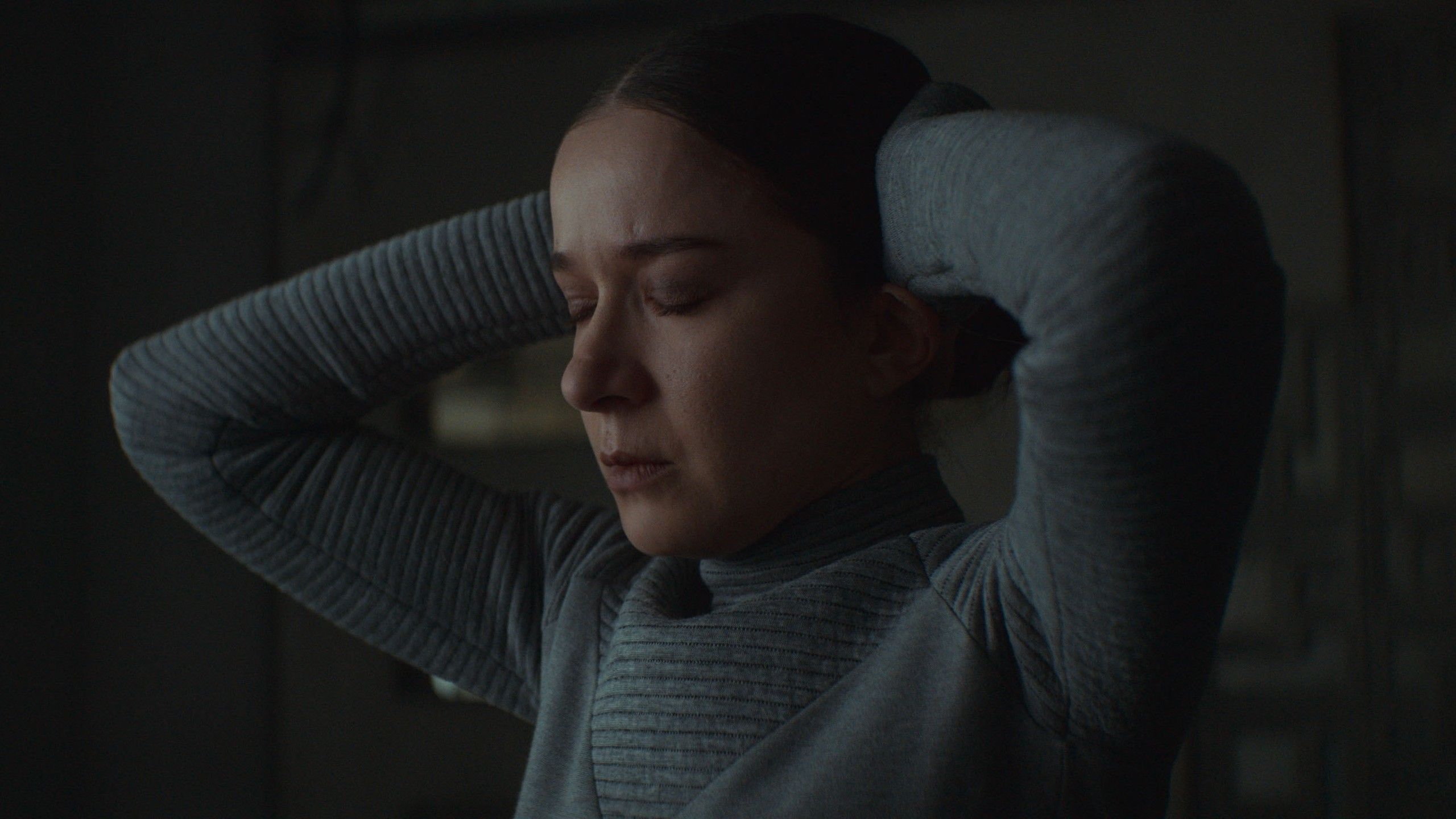
When Disney+ began releasing new Star Wars shows, they faced a massive challenge: meeting the incredibly high expectations of fans. Viewers wanted to see beloved characters, connections to the original stories, the iconic Star Wars settings, and the kind of storytelling they’d come to love over decades. Instead, they got a surprisingly realistic and politically charged space thriller that ultimately set a new standard for Star Wars television.
The series Andor didn’t launch with a lot of hype. Unlike other Star Wars shows, it didn’t rely on Jedi characters or exciting lightsaber battles, nor did it trade on familiar nostalgia. Instead, it presented a carefully developed science fiction drama focused on themes of oppression, rebellion, and difficult ethical choices. Over 24 episodes, Andor received very positive reviews, earning a 96% rating on Rotten Tomatoes for its first season and an even higher 98% for its second.
What Is Andor About?

Five years before the film Rogue One: A Star Wars Story, the series Andor details how Cassian Andor evolves from someone only looking out for himself into the dedicated rebel seen on the Ring of Kafrene. The first season portrays Cassian as a wanderer and thief, living with his mother figure, Maarva, who actively supports the growing rebellion.
The show reveals how the Empire’s control reaches into every part of life, impacting everyone through its strict rule. It controls communities, takes advantage of workers, and destroys cultures – it’s a massive system that dominates daily life until people begin to fight back. We follow Cassian as he witnesses this suffering, ultimately leading him to join the rebellion.
The first season of the show centers around several characters and their journeys as they begin to fight back against the Empire. Cassian, initially on the fringes, is unexpectedly arrested and punished for small crimes. This imprisonment is a turning point, marking the start of significant events in the story.
Cassian witnesses the full extent of the Empire’s brutal and widespread control, which crushes people’s identities through mass oppression. This experience turns his natural desire to live into a commitment to fighting back. By the season’s end, he joins forces with Luthen Rael, a dedicated rebel willing to make any sacrifice for the cause. At the same time, figures like Senator Mon Mothma work to oppose the Empire from within its own political structure.
Season 2 expands the story, showing Cassian’s growing dedication to the Rebel Alliance as tensions rise toward full-scale war. The season culminates with Cassian becoming the character we meet in Rogue One. Instead of glorifying rebellion, the series focuses on the difficult truths of building a resistance movement – including shaky partnerships, painful sacrifices, and the complex work that happens behind the scenes.
Andor Elevated Star Wars Like Never Before
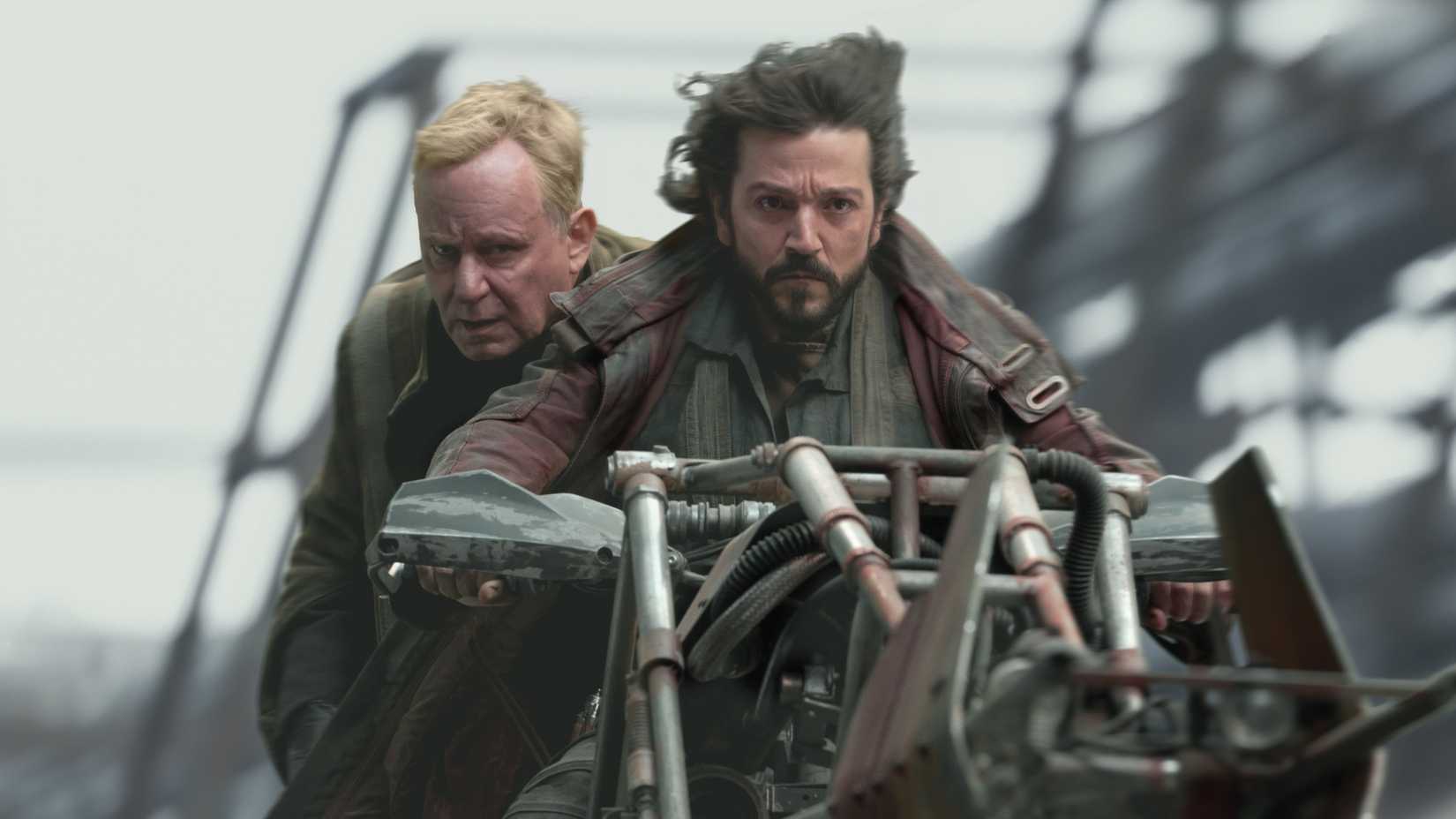
One of the best things about Andor is how it feels completely like Star Wars while telling a smaller, more grounded story. It maintains the spirit of the franchise without needing to focus on famous characters like Jedi or Chosen Ones. Instead, the show centers on everyday people facing incredibly difficult situations just to survive.
According to creator Tony Gilroy, he designed Andor primarily as a political thriller, and only secondarily as a Star Wars story. This focus is clear in the show’s writing, which emphasizes complex conversations and ideological conflicts over typical action sequences.
As a big film fan, I have to say, the Empire in Andor feels genuinely terrifying. It’s not about grand villains this time, but something much more unsettling – the quiet menace of people just doing their jobs. We see ambitious bureaucrats, analysts, and officers who truly believe in order and efficiency, and it’s creepy. Characters like Dedra Meero really highlight how authoritarian regimes actually reward cruelty when it’s disguised as being good at what you do.
It might seem strange, but the real threat of the Empire in Andor feels much more personal than something happening in a distant galaxy. The show demonstrates the Empire’s power doesn’t come from powerful weapons, but from things like endless paperwork, constant monitoring, and a system that simply doesn’t care. By highlighting these tactics, Andor turns Star Wars into a warning about how easily freedom can be lost, quietly and unnoticed.
A key to Andor‘s success is its careful use of action. Instead of constant fighting, moments of violence are rare, powerful, and feel very real – showing the true cost of conflict. Characters get hurt, both physically and emotionally, and are permanently affected by what happens. The show portrays the rebellion not as a glorious victory, but as a desperate and damaging response to oppression.
Is Andor The Best Star Wars Show?

Critics and viewers overwhelmingly praise Andor, giving it a nearly perfect score on Rotten Tomatoes. Many consider it not only a standout Star Wars series, but one of the best TV dramas in recent years, surpassing even The Mandalorian in quality.
What makes Andor different from other Star Wars shows is its self-assurance. It doesn’t shy away from being deliberate, complicated, or even challenging. The show respects its viewers, assuming they can handle detailed storylines, flawed characters, and rewards that build over time. This approach pays off, drawing the audience in and creating a powerful emotional experience.
With its strong writing, compelling performances, and bold political themes, Andor is one of the most ambitious and successful projects Lucasfilm has ever undertaken. The show truly lives up to its reputation as a top-tier sci-fi thriller, consistently delivering exceptional quality throughout its two seasons.
The show is made even better by its fantastic cast. Diego Luna’s character, Cassian, changes in a quiet but noticeable way, becoming more determined and purposeful. Meanwhile, Stellan Skarsgård as Luthen Rael perfectly captures the show’s main idea: that achieving freedom sometimes requires making difficult choices with lasting consequences.
Even the secondary characters in Andor are remarkably well-developed, which is unusual for shows based on larger franchises. The story focusing on Mon Mothma, which explores the challenges of funding a rebellion and the personal costs involved, shows how resistance movements function differently depending on a person’s power and influence.
For those already familiar with the world of Star Wars, Andor expands on the scope of both the Empire and the rebellion, offering valuable insight into the desperation of the Rebel Alliance seen in Rogue One. But even if you’re new to the galaxy far, far away, Andor works perfectly well as a carefully made thriller set within that universe.
Throughout its 24 episodes, Andor maintains a consistent focus and compelling pace, justifying its high critical acclaim. It’s unusual to see a long-running franchise produce a TV series that actually enhances the original story instead of simplifying or muddling it.
That’s why Andor has earned all the praise it’s gotten, and it will probably be seen as a key moment that changes the direction of the entire series.
Read More
- What Song Is In The New Supergirl Trailer (& What It Means For The DC Movie)
- Dune 3 Gets the Huge Update Fans Have Been Waiting For
- TV legend Carol Kirkwood reveals the reasons why she decided to retire after 28 years with BBC
- Unforgotten legend Nicola Walker stars in first look at all-new “outrageously witty” comedy drama series
- Avengers: Doomsday Release Date Change Being Discussed – Report
- Grab These Resident Evil PSN Avatars for Free This Month
- Gold’s March Madness: Plumbing, Panic, and Polish Central Banks
- Whales, Channels, and the Inevitable Dance of Folly
- The War Film Harrison Ford Completely Disowned Finally Returns to Streaming – “A Terrible Experience”
- Steam Giving Away Two PC Games for Free for Next 72 Hours
2025-12-17 21:50