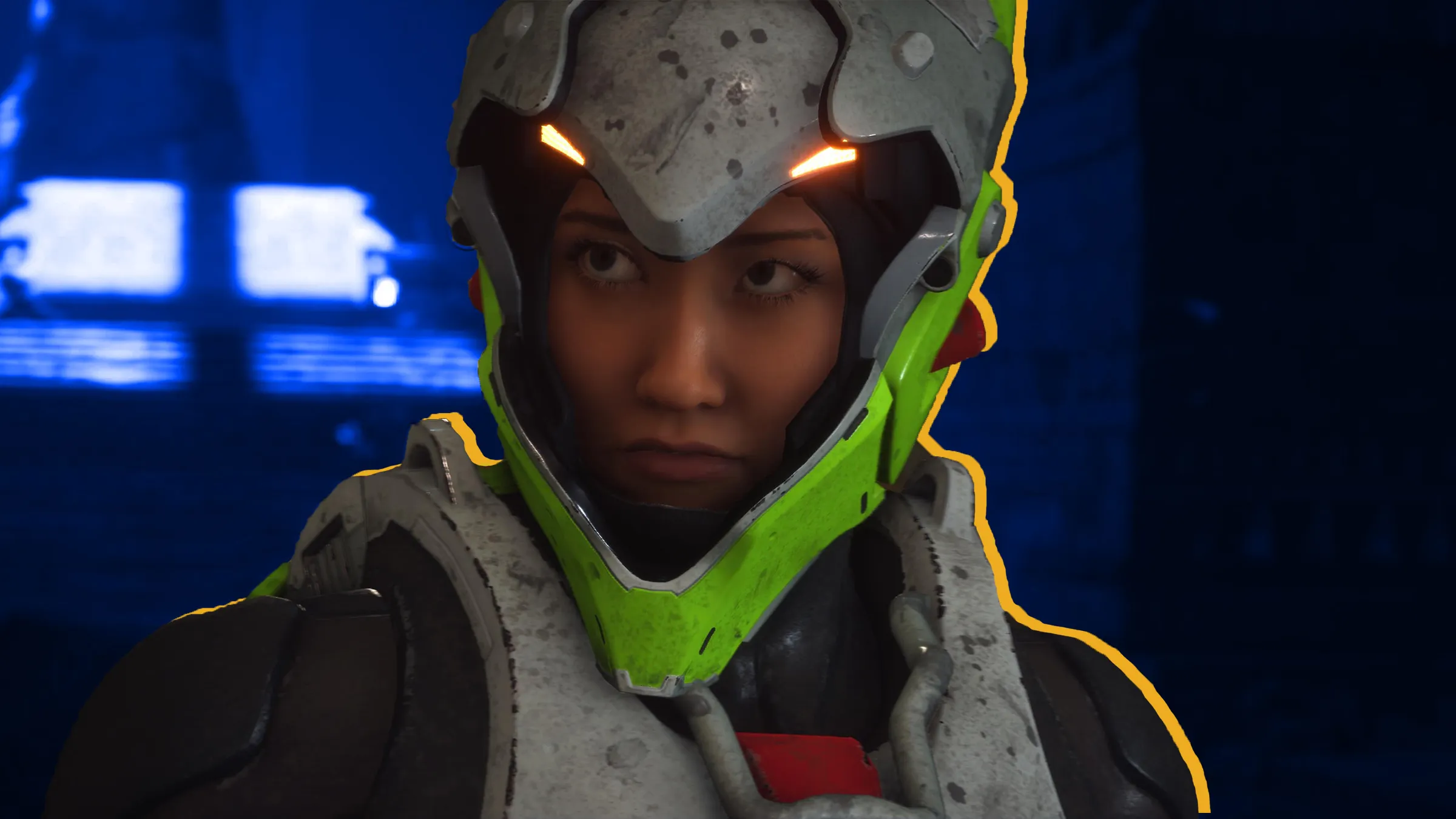
After nearly seven years, the game Anthem is officially shutting down. Electronic Arts will be turning off the servers, meaning players won’t be able to play it again unless dedicated fans manage to preserve it through modifications. Anthem was a significant disappointment, much like the earlier game Concord, and faced criticism and ultimately failed to gain traction. However, it still offers a valuable lesson about game development, though it’s unclear if other publishers have taken that lesson to heart.
A major issue with Anthem was that it didn’t suit the BioWare teams who were used to making single-player games. BioWare had built its reputation on offline titles like Mass Effect, Dragon Age, Baldur’s Gate, Jade Empire, and Star Wars: Knights of the Old Republic. While Mass Effect 3 had a fun co-op mode, it wasn’t central to what the studio was known for.
Anthem‘s Death Was a Long Time Coming
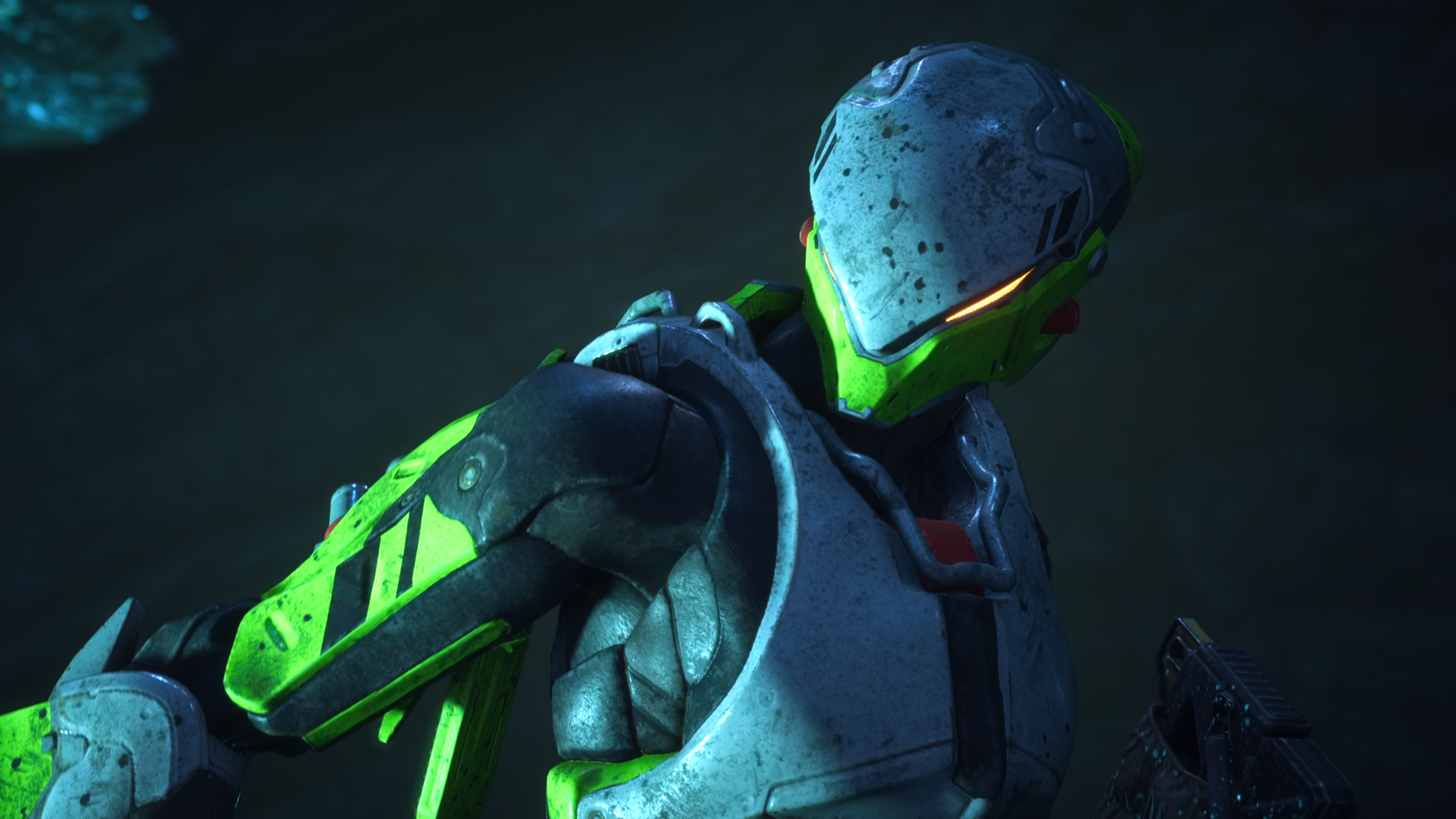
This suggests the studio didn’t have a strong foundation for taking such a big creative risk. While it’s not unusual for successful games like Horizon Zero Dawn, The Last of Us, Ghost of Tsushima, and Death Stranding to try something new, it becomes problematic when it feels like a calculated move. According to BioWare’s Mark Darrah, the game was originally presented in a way that appealed directly to what EA executives wanted – a game with the scope of Mass Effect but with the potential to generate revenue similar to FIFA. While EA didn’t force the team to make a live-service game, the pitch was tailored to align with the executives’ existing preferences for that model.
When Anthem launched in February 2019, it quickly became an example of a growing problem in the gaming industry. Games like Marvel’s Avengers, Redfall, Babylon’s Fall, and Suicide Squad: Kill the Justice League all share a similar story. These developers – Crystal Dynamics, known for Tomb Raider; Arkane, famous for immersive simulation games; PlatinumGames, masters of character action; and Rocksteady Studios, creators of the highly acclaimed Batman trilogy – each built a strong reputation in a specific area. Asking them to move far outside their areas of expertise was a significant gamble.
Honestly, even Square Enix seemed to realize Marvel’s Avengers didn’t quite hit the mark. Their president, Yosuke Matsuda, even said they need to make sure future games really fit what their studios are good at and what their developers enjoy making. Thankfully, it’s great to see Crystal Dynamics back where they belong – working on new Tomb Raider games!
Anthem Should Have Been a Wake-Up Call
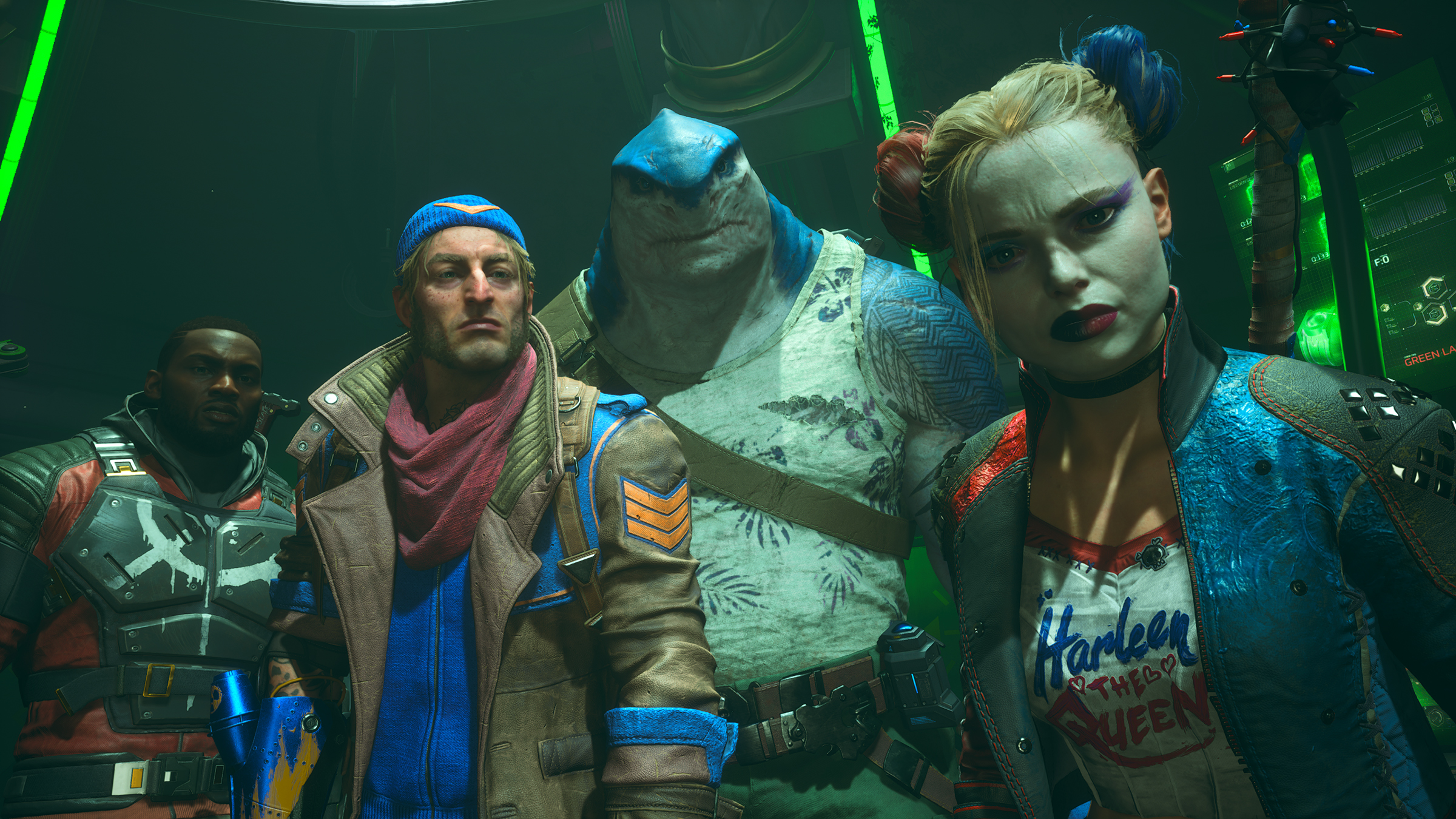
Looking back, it’s crazy how quickly Anthem and Marvel’s Avengers came out – only a year and a half apart! But then Redfall and Suicide Squad dropped years later, and it felt like nobody learned anything. It was like they were pitched the same way – trying to grab execs with whatever hot terms they wanted to hear. Honestly, anyone paying attention could see those games were going to flop. A smart publisher would’ve seen what happened with Anthem and changed course, but it didn’t happen, and both games were huge letdowns.
Developing video games is a lengthy process. For example, work on Anthem began as early as 2012, Suicide Squad around 2016 or 2017, and Redfall in 2018. Because of these long development cycles, it’s unrealistic to expect a complete overhaul of a game just months after a disappointing launch. However, developers should definitely analyze what went wrong and learn from failures. Ideally, these issues should be identified and addressed much earlier in the game’s development process.
Honestly, we’re still seeing games fail in this live-service model, and it’s not happening enough to stop these stories from popping up. PlayStation tried to jump in with their own big live-service push, but it mostly didn’t work – and it came after everyone saw how badly Anthem flopped. It’s hard not to see Concord as another victim of this same problem. We keep getting announced these new shooter types – extraction shooters, hero shooters, battle royales – that everyone expects to just fizzle out. Highguard is the latest example; even with some really talented people working on it, people were immediately skeptical. I just wonder if there’s room in the market for another multiplayer FPS, especially when most of us are still playing the same handful of games we always have.
The practice of blindly following trends and creating games simply to meet perceived market demands – often presented to executives focused only on buzzwords – should have ended with Anthem. That game suffered through years of difficult development, was released prematurely, and was widely criticized. Such a significant failure by a previously respected studio should have served as a serious wake-up call.
Despite clear warnings, the publishing industry hasn’t changed its ways. Leaders, shielded from the consequences of their decisions, keep focusing on superficial metrics like ‘engagement’ and short-term gains, such as ‘seasonal stores.’ Years of damage to their reputations and wasted effort haven’t prompted meaningful change. The failure of Anthem should serve as a lesson, but many in the industry seem unwilling to learn from it.
What do you think? Leave a comment below and join the conversation now in the ComicBook Forum!
https://comicbook.com/gaming/feature/this-games-failure-mightve-saved-bioware/embed/#
Read More
- What Song Is In The New Supergirl Trailer (& What It Means For The DC Movie)
- Dune 3 Gets the Huge Update Fans Have Been Waiting For
- TV legend Carol Kirkwood reveals the reasons why she decided to retire after 28 years with BBC
- Unforgotten legend Nicola Walker stars in first look at all-new “outrageously witty” comedy drama series
- Jaleco Sports: Bases Loaded II announced for PS5, Switch; now available
- Digimon Is Getting a New RPG in 2026 (And You Probably Missed It)
- Kanye West’s Wife Bianca Censori Details New Marriage Milestone
- OpenAI says GPT‑5 cuts political bias — but is 30% enough?
- Butcher’s Transformation Into A “Ruthless Killer” In The Boys Season 5 Explained By Karl Urban
- The Most Iconic Kids Show of All Time Just Brought Brand New Episodes to Netflix
2026-01-12 21:13