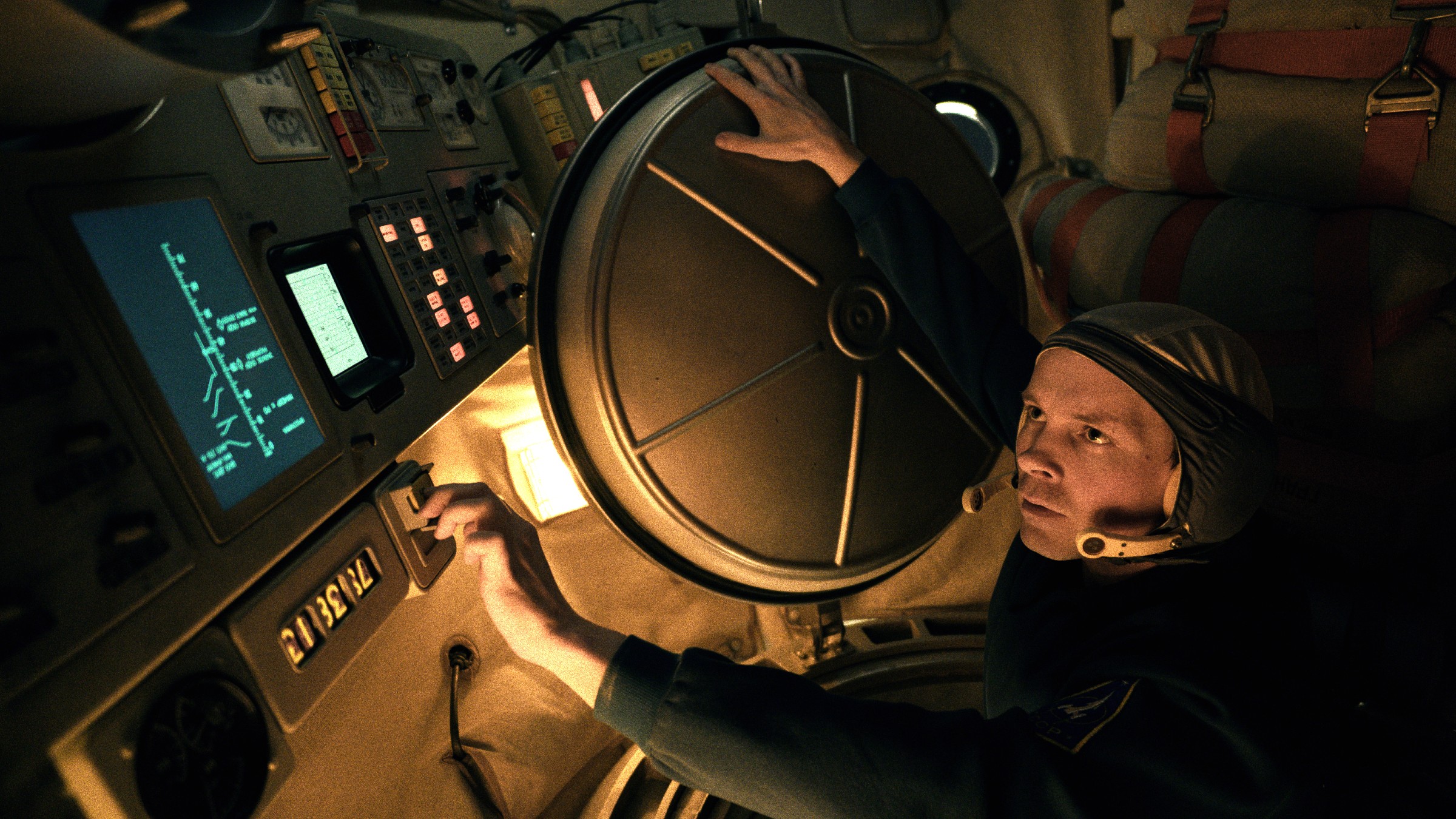
From the start, For All Mankind has been a key show in establishing Apple TV as a go-to place for science fiction. Now five seasons in, the popular series imagines a world where scientific advancement heavily influences global politics, and its story has expanded beyond Earth. The universe continues to grow with Star City, Apple TV’s first spinoff. This new show explores the same timeline, but focuses on the Soviet space program instead of the American astronauts and NASA featured in the original series.
From the beginning, Star City has been a great example of a successful spinoff, cleverly building on the world of its original series, For All Mankind. The show even starts with the same opening sequence as For All Mankind, depicting the Soviet space program’s response to Alexei Leonov becoming the first person to walk on the moon. This immediately highlights the different feel and tone between the two shows. However, the latest episode of Star City unexpectedly resolved a question that For All Mankind viewers might not have even known was still unanswered – a question that was actually very important to the first season and the overall story.
Star City Just Explained a Big Piece of For All Mankind Lore
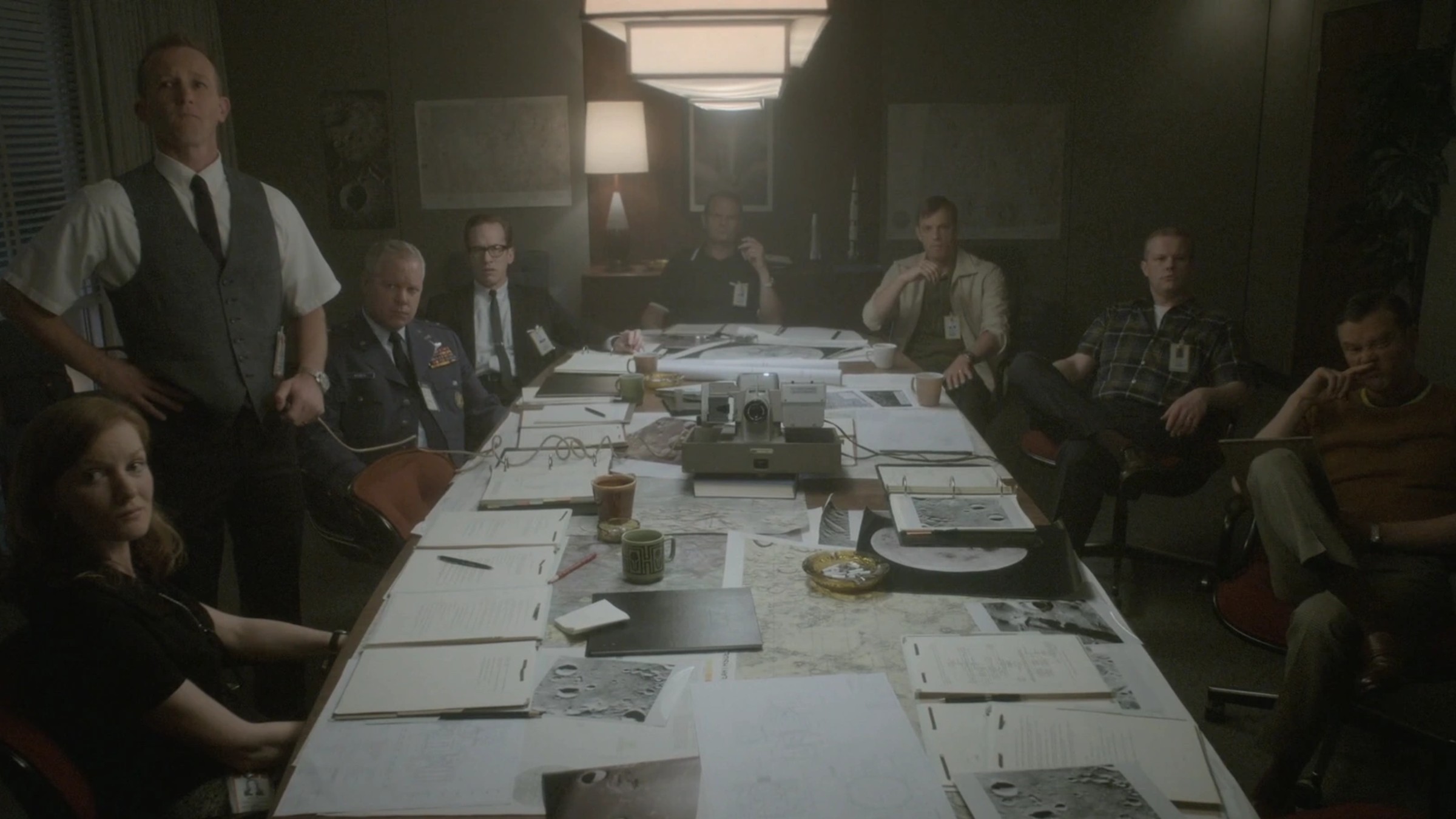
In Season 1, Episode 4 of For All Mankind, NASA is shocked by a significant discovery. Flight Director Gene Kranz shares photos taken by their satellites showing a crash site on the moon. This site reveals the Soviets secretly attempted a lunar landing, resulting in at least one cosmonaut’s death, and that the crashed spacecraft included pressurized compartments.
This is a pivotal moment in the For All Mankind story. The crash forces NASA to acknowledge that the Soviets are consistently one step ahead, and it ignites a frantic effort to build a lunar base. The goal is to secure a victory for the United States in the space race—and to boost President Nixon’s chances in the upcoming election. NASA believes the Soviets intentionally aimed for a landing near water on the moon. However, what we know from the Soviet perspective in Star City reveals just how accurate—and inaccurate—NASA’s assessment truly was.
The latest episode of Star City portrays the Soviet side of the space race, focusing on a challenging mission. It reveals that the Luna 17 mission, much like NASA believed in For All Mankind, aimed to build a base on the moon. As seen in the previous episode of Star City, Soviet officials were pushing for a lunar base, leading to the development of an innovative idea from Sergei Nikulov: an inflatable habitat system of rooms and pods.
Okay, so this episode really blew my mind! It turns out the crash wasn’t intentional at all, and the wreckage – including cosmonaut Arseni Vetrov’s body – didn’t land in one specific spot. The really crazy part is that the Soviets discovered a signal broadcasting from their own module, and it seemed to be an American frequency! They immediately thought it was espionage, like the Americans were spying on them. Because of this, they made the team completely restart the whole system, which ultimately led to the Luna 17 mission failing and, tragically, to Vetrov’s death. It’s just a really tense and shocking reveal!
The landing didn’t go as planned. A section of the lunar base deployed prematurely, and Sasha Polivanov had to react quickly. He managed to regain control of the ship, but the module broke away, fatally injuring Vetrov. Both Vetrov’s remains and the module then crashed onto the lunar surface.
Star City Will Continue to Evolve the For All Mankind Narrative
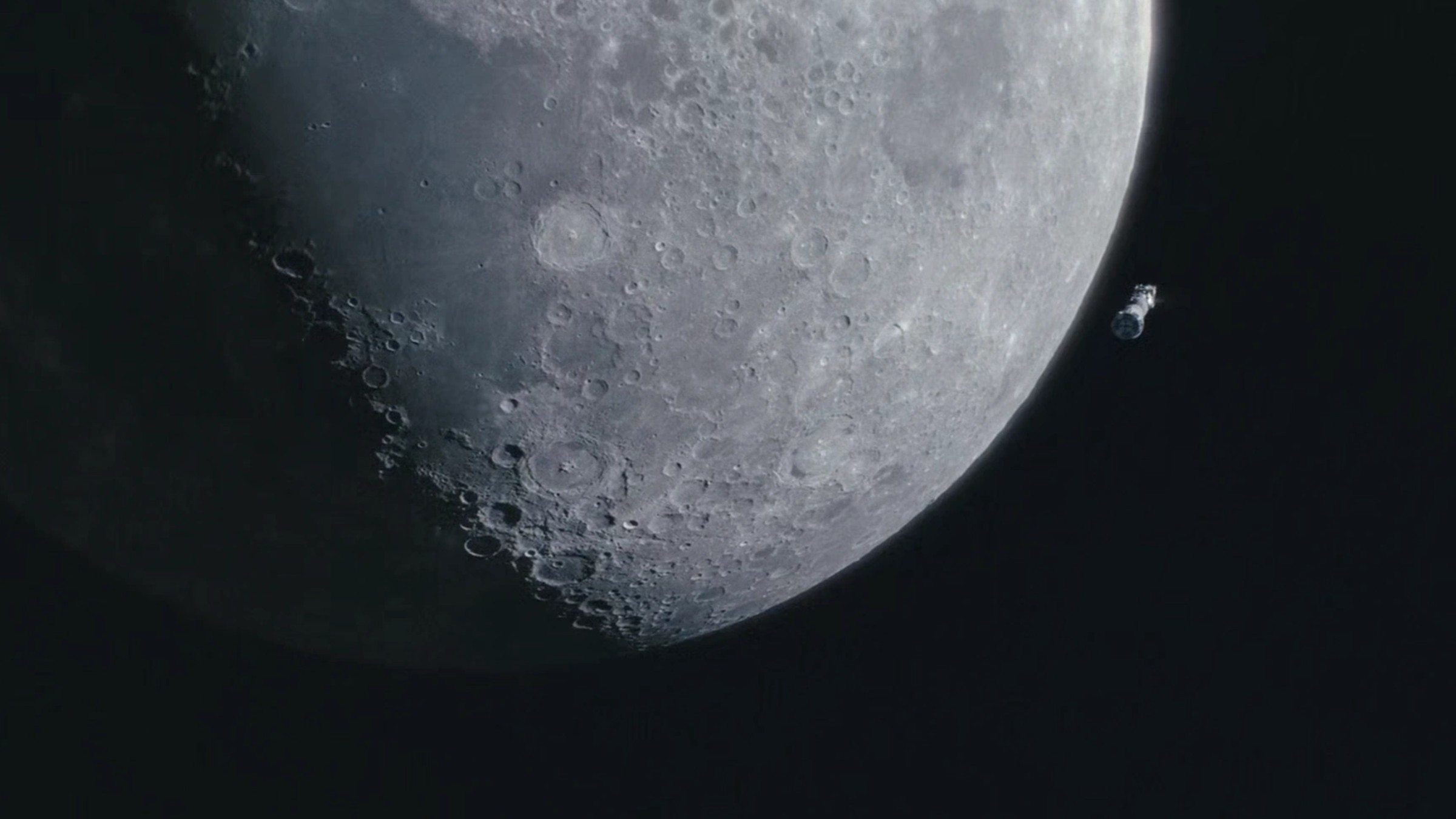
A crucial detail from the Star City episode will likely reappear in For All Mankind: the concern over spying. The episode reveals the Soviets know there’s a spy in Star City sharing information with the Americans, and they identify the culprit – Valya Mironov. She’s the one who placed the transmitter on Luna 17 and has been secretly working with the Americans all along.
The mystery of the mole in Star City will likely be a major storyline throughout the show’s first season, but it seems highly probable that a key event in For All Mankind Season 2 – the discovery of a Soviet transmitter at Jamestown – was actually a response to earlier American espionage. Specifically, the bugging of a Soviet ship by an American spy likely prompted Mikhail Vasiliev to plant the transmitter after Ed Baldwin left the moon. While initially presented as a Soviet attempt to gain an advantage, Star City appears set to reveal it was a deliberate act of retaliation.
This episode of Star City stands out for two main reasons: it accurately portrays a significant event in Soviet space history, and it shows how that event dramatically shaped NASA’s decisions for years to come, even influencing future storylines in the main series. Considering both of these aspects, it’s clear how Star City will enrich the For All Mankind universe and even cause viewers to re-evaluate moments from the original show.
While For All Mankind typically jumps forward in time with each season, its new show, Star City, will stay within the same time period. The series will primarily explore the story of the Soviet space program in the 1970s. This allows Star City to expand on the overall For All Mankind storyline and reveal answers to questions fans haven’t even thought of yet.
Read More
- Gold Rate Forecast
- USD BRL PREDICTION
- USD HKD PREDICTION
- EUR CNY PREDICTION
- SUI PREDICTION. SUI cryptocurrency
- Black Clover Confirms Special Chapter After Manga Finale
- Green Game Jam returns with 70 games teaming up to tackle the climate crisis
- USD CHF PREDICTION
- Seven Snipers Review: A Sharpshooter Action Movie That Misses More Than It Hits
- 7 Classic Free Animated Shows Hidden Deep on Streaming
2026-06-09 18:17