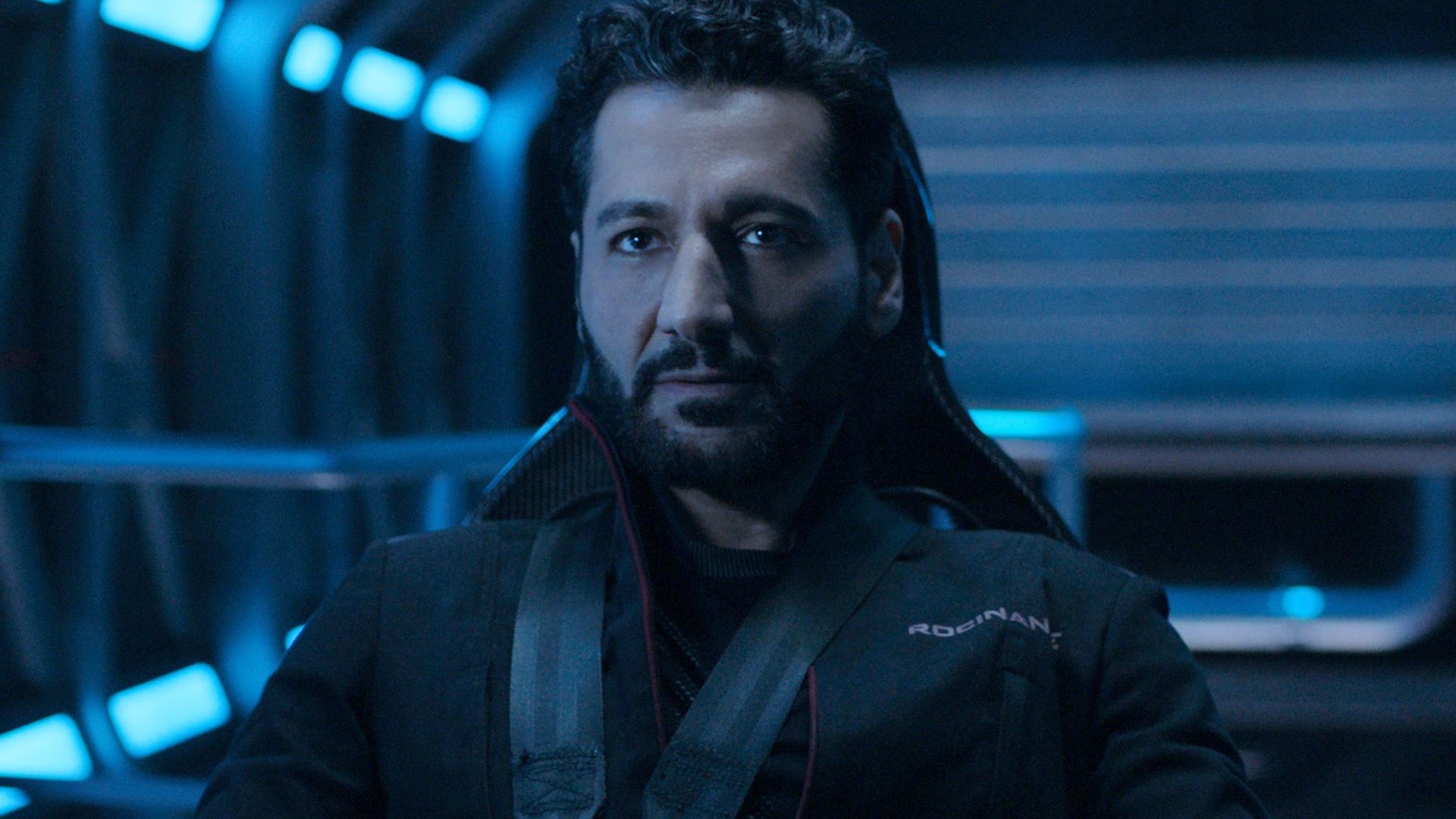
Shows like The Expanse are currently very popular, proving audiences love realistic space dramas. But longtime sci-fi fans remember that Battlestar Galactica paved the way for this trend. Before streaming services made intense, survival-focused stories common, this series completely changed the game for the entire genre.
Classic TV shows often presented optimistic futures and simple solutions, but Battlestar Galactica stood out by focusing on political conflict and the complexities of human nature. It proved that science fiction could be a realistic and gripping political thriller, raising the standard for the genre. Today’s realistic space stories wouldn’t exist as they do without the groundwork laid by this show, and many owe it a great deal.
How Did Battlestar Galactica Build the Blueprint for Modern Space TV?
The series originally started in 1978, created by Glen Larson. However, the intense, realistic story that fans enjoy now came about with the 2003 reimagining. This new version began with a short miniseries in 2003 and then ran for four successful seasons, ultimately growing into a much bigger world starting in 2004.
The full story now encompasses the prequel series Caprica, the Blood & Chrome spinoff, and other additions like Razor and The Plan, all of which enrich the show’s timeline. However, the core of the experience remains the original 2004 television series.
What set Battlestar Galactica apart – and made it groundbreaking – was its deliberate avoidance of common sci-fi tropes like time travel, fantastical aliens, and confusing technical language. Instead, the show centered on the raw struggle for survival after an apocalypse, intense space combat, and the desperate search for a new home on Earth, which made it truly unique.
The show doesn’t rely on typical fantasy tropes or escapism. Instead, it realistically portrays the characters struggling with a lack of resources and the emotional aftermath of almost losing everything. This shift in focus, from grand adventures to simply staying alive, really surprised viewers and changed their expectations for the series.
As a big fan, what really hooked me about the show wasn’t just the Cylons themselves, even though they were terrifying. It was how the humans reacted after the attack. The real drama came from the constant power struggles – the military trying to maintain order versus the new civilian government wanting a voice. It wasn’t about man versus machine as much as it was about people trying to rebuild society and disagreeing about how to do it, and that tension was the heart of the story.
Battlestar Galactica’s Premiere Episode Was Sci-Fi At Its Finest
The first episode of the season immediately establishes the show’s intense atmosphere. It plunges viewers into a desperate situation where the crew must flawlessly execute jumps through space every 33 minutes just to stay alive. By the time the episode begins, the fleet is already on their 237th jump and has been awake for more than five days. The stakes are incredibly high – even a small error in calculations would mean the end of humanity.
Rather than depicting typical space combat, this episode brilliantly captures the intense psychological fear of sleep loss and overwhelming dread. The central crisis begins during jump 238 when the passenger ship Olympic Carrier is unexpectedly left behind, only to reappear three hours later under mysterious circumstances.
Commander Adama quickly prepared the ship for battle, and his fears were confirmed when the Cylon robots reappeared. When nuclear weapons were discovered on the returning passenger ship, President Roslin made the difficult decision to destroy it.
The scene is particularly unsettling as Captain Apollo flies right next to the enemy ship and finds it completely empty – no sign of life in any of the windows. Firing on the ship is a difficult decision, made even harder by the fact that a doctor on board was frantically trying to alert the President to a Cylon spy hidden among their own people.
As a fan, one of the things that really got to me was how Roslin showed the sheer horror of what was happening. She started tracking how many humans were left on this whiteboard, and it was just devastating to watch the numbers fall, hundreds at a time. But what was so clever about the episode was that after all that darkness, it ended on a surprisingly hopeful note. It was a really powerful contrast.
The birth of a baby offers a glimmer of hope within the struggling fleet, letting the President symbolically restore a lost number to their tally. To emphasize the high stakes, the show’s creators consistently display a running count of survivors on a whiteboard, reminding viewers of the constant danger and losses.
The show consistently updated a single number to reflect every life gained or lost – each death of a crew member and every birth. This simple act powerfully illustrated the fight to preserve humanity. It demonstrated the creators understood the worth of each individual life, even against the scale of widespread galactic destruction. These small, thoughtful details, which carefully balanced science fiction elements with human stories, are precisely what made the show so effective.
Modern Sci-Fi Shows Are Carrying the Legacy Forward
Both For All Mankind and Battlestar Galactica share a similar style, emphasizing complex political maneuvering and difficult decisions for their characters. The creators of these popular streaming shows acknowledge that the Battlestar Galactica reboot from the early 2000s directly influenced and made their shows possible.
As a huge sci-fi fan, I always felt something was missing from a lot of the genre’s output. Then Battlestar Galactica came along and proved there was an appetite for really gritty, realistic space dramas. It basically paved the way for shows today to go even deeper into the hard science and physics side of things. What I really appreciate about both Galactica and more recent shows is they focus on the conflicts between people, rather than just having aliens be the problem. It’s just so much more compelling when the drama comes from human struggles, you know?
Both The Expanse and For All Mankind create intense drama by exploring conflicts over limited resources, social inequality, and differing beliefs. The Expanse focuses on water scarcity and the tensions between Earth, Mars, and the Asteroid Belt. For All Mankind, currently in its fourth season, uses a similar approach within a detailed alternate history where the space race continued indefinitely, with corporations battling for control of valuable asteroids.
These shows consistently feature deeply flawed characters struggling with government systems while facing incredibly difficult choices to survive. They’re building on the foundation established by a groundbreaking survival story from over twenty years ago, expanding its themes and ideas.
For many devoted fans, Battlestar Galactica isn’t just a sci-fi show – it’s a defining experience that has stayed with them. People are still passionately discussing and rewatching it because it powerfully explores the best and worst of what it means to be human. No matter how far the story expands, it always returns to the core group of survivors and their journey.
Found an error? Send it so it can be corrected.
Read More
- Gold Rate Forecast
- Dune 3 Gets the Huge Update Fans Have Been Waiting For
- Hazbin Hotel Secretly Suggests Vox Helped Create One of the Most Infamous Cults in History
- 22 actors who were almost James Bond – and why they missed out on playing 007
- Every Creepy Clown in American Horror Story Ranked
- Jack Osbourne Shares Heartbreaking Tribute to Late Dad Ozzy Osbourne
- Jason Statham’s Hit Creature Feature Is Heading to Streaming for Free
- Kingdom Come: Deliverance 2 – Legacy of the Forge DLC Review – Cozy Crafting
- As Dougal and friends turn 60, Radio Times explores the magic behind The Magic Roundabout
- Arknights: Endfield – Everything You Need to Know Before You Jump In
2026-03-25 04:12