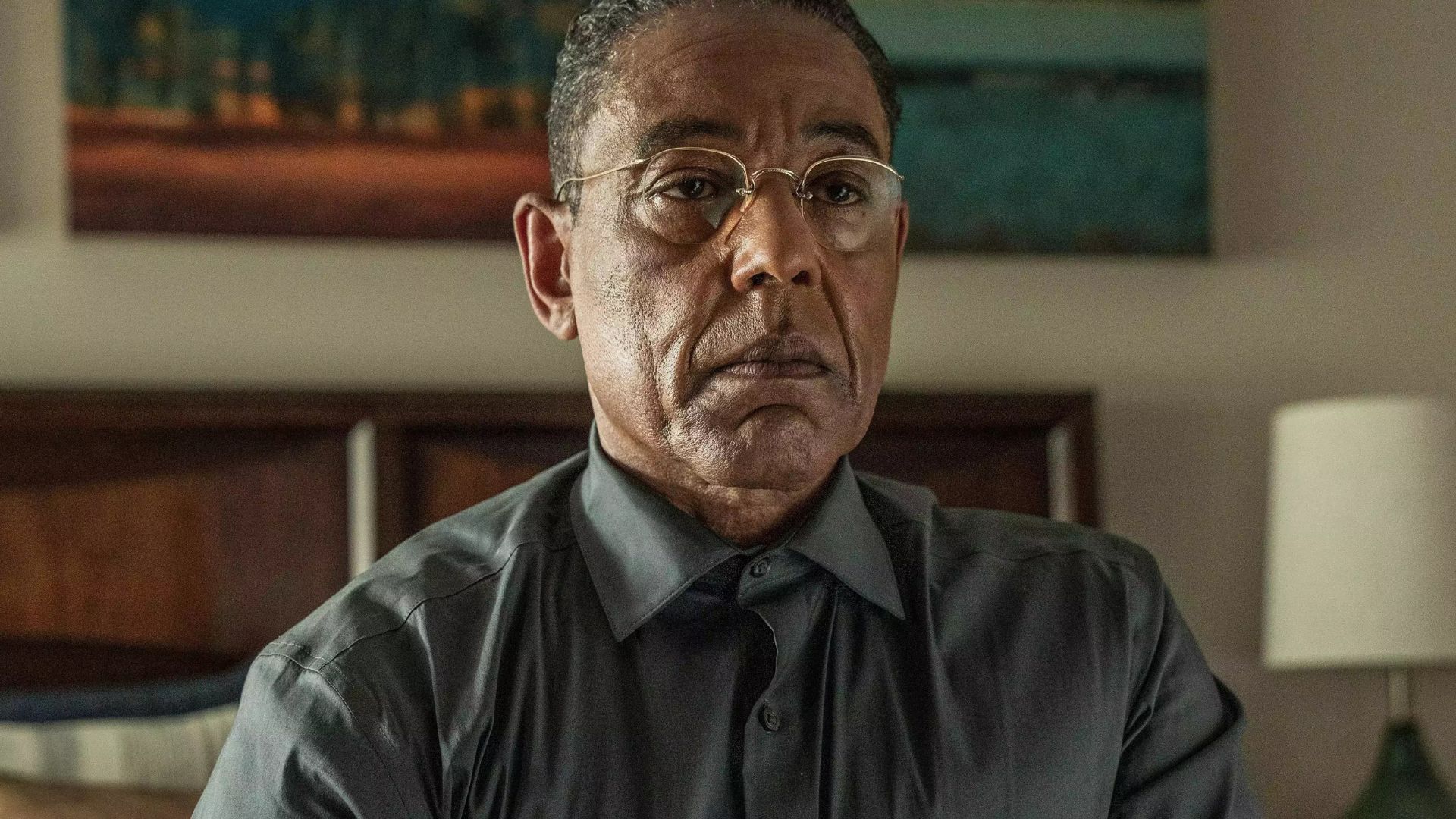
Be warned, this discusses major plot points from Breaking Bad and Better Call Saul. Gus Fring, played by Giancarlo Esposito, quickly became a central character in Breaking Bad. He played an even larger role in the prequel, Better Call Saul. Throughout both shows, Gus was incredibly intimidating, and several scenes highlighted this. One particularly striking moment of his intimidation appeared in Breaking Bad, but it felt confusing on its own. However, a scene in Better Call Saul later provided context, making the original Breaking Bad sequence finally click.
Gus Fring first appeared in Breaking Bad during its second season, appearing in just two episodes. He quickly became a central character, appearing in 26 episodes across seasons 3 and 4. Though it wasn’t until season 3 of the prequel Better Call Saul that he reappeared, he remained a key figure throughout the rest of the series. Despite being protected by the show’s timeline—with flashforwards showing events after Breaking Bad—showrunner Peter Gould crafted a compelling story for Gus. Interestingly, a particular moment in Better Call Saul unexpectedly clarified a previously unclear aspect of Gus Fring’s personality.
Gus “Sensing” Walt’s Bomb on His Car in ‘Breaking Bad’ Didn’t Make Any Sense
How Did Gus Know To Leave on Foot?
Unlike many shows, Breaking Bad feels realistic – it avoids fantastical elements like superpowers or the supernatural. That’s what makes Gus Fring’s survival of Walter White’s assassination attempt so surprising. In the episode “End Times,” Walter plants a bomb in Gus’s car and waits to detonate it, but Gus somehow discovers the tampering. Instead of getting in the car, Gus calmly assesses the situation, avoids the vehicle, and simply walks away.
The scene is brilliantly directed and arguably the most suspenseful in the entire series. The episode effectively conveys Walt’s fear when Gus appears to look at him from afar, mirroring what Cranston’s character must be feeling. It stretches the limits of believable human reaction. While Gus’s reserved nature often makes him mysterious, the show’s implication that he can instinctively sense danger feels like a stretch, as it’s never really proven. It’s plausible he acted on gut feeling, but it’s hard to accept how confidently he avoided his car and thoroughly checked the area, potentially exposing himself to a sniper.
‘Better Call Saul’ Gave Gus a Very Similar Moment to His ‘Breaking Bad’ Bomb Scene
How Did Gus Know Nacho Swapped Hector’s Pills?
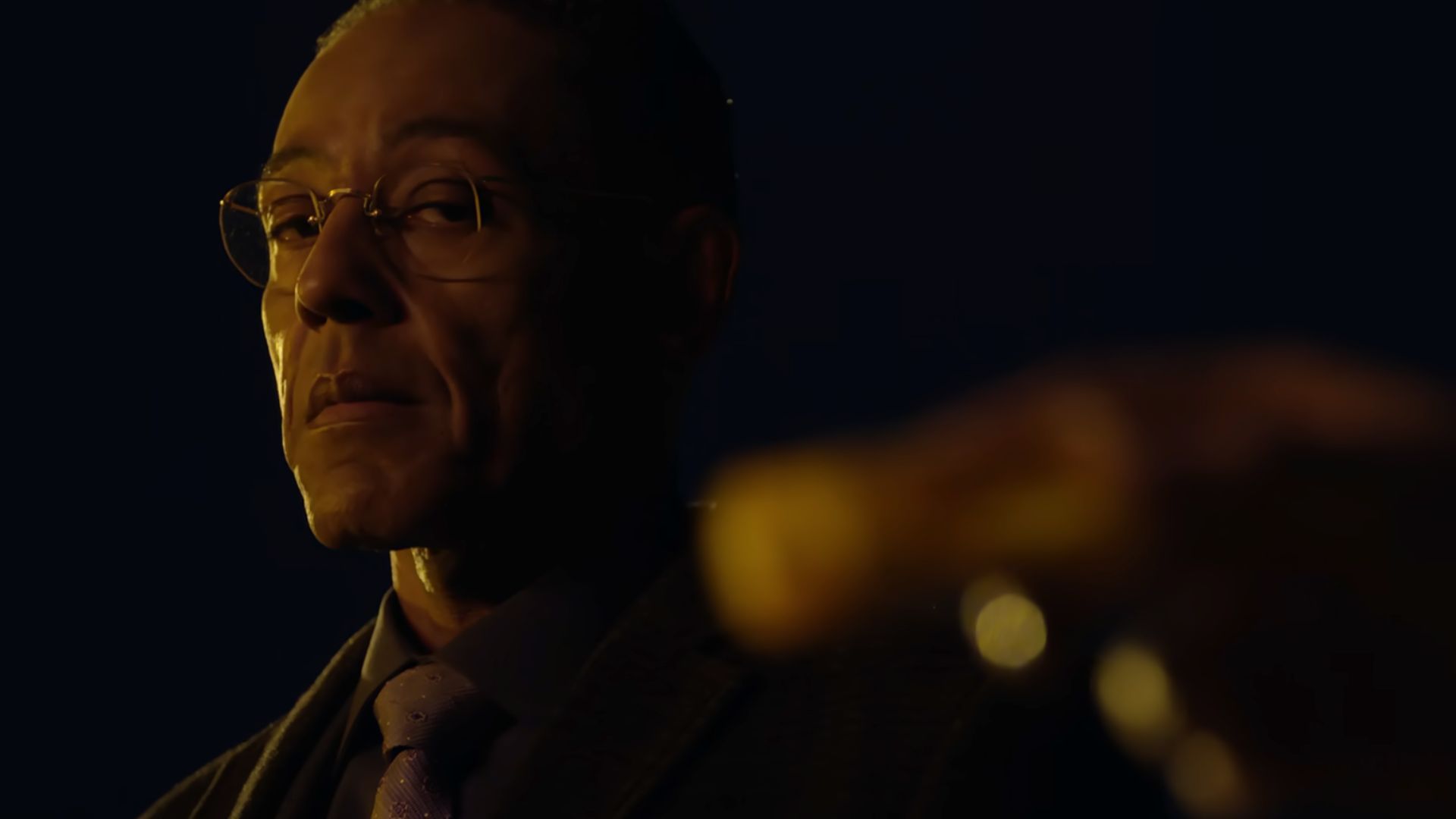
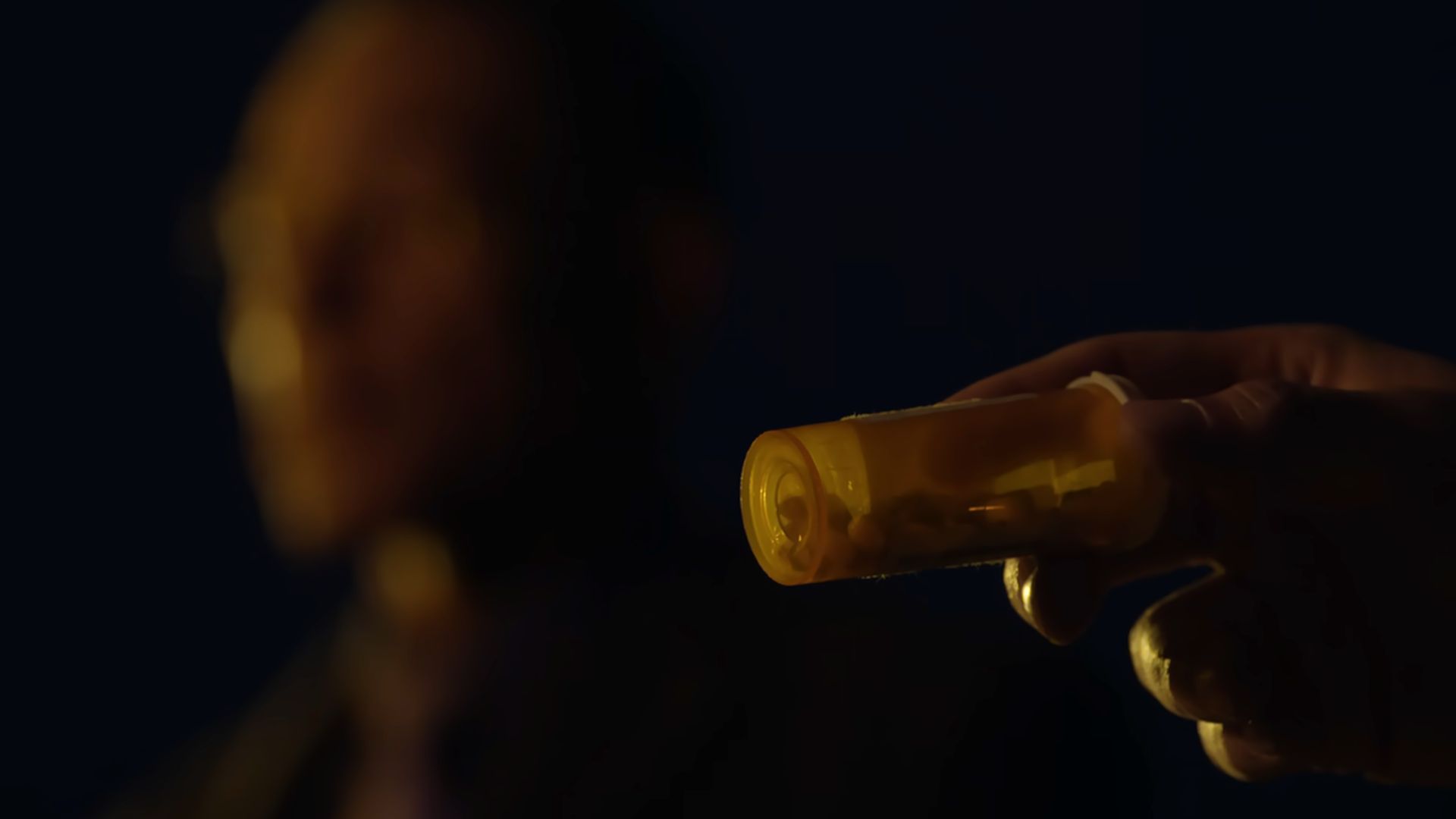
The season 3 finale of Better Call Saul, titled “Lantern,” is a key episode, largely due to Hector Salamanca’s (Mark Margolis) stroke. Unbeknownst to Hector, Nacho (Michael Mando) had secretly replaced his medication with sugar pills, making the stroke much more severe. Nacho is very meticulous during this switch, and Gus (Giancarlo Esposito) doesn’t have any way of knowing Nacho is responsible when Hector collapses. However, as Hector is taken away in an ambulance, Nacho hands the real medication to the paramedic, and Gus shares a knowing look with him.
Watching Better Call Saul, it’s become clear that Gus’s suspicion of Nacho goes much deeper than just a feeling. He’s absolutely certain Nacho switched the pills Esposito took, and he uses that knowledge to control Nacho, forcing him to work for Gus even while surrounded by the Salamancas – all while threatening to reveal the truth about the pills. Like that intense bomb scene in Breaking Bad, the show never actually tells us how Gus figured it out. A popular idea is that Gus noticed Nacho picking up the pills from the ground, and realized he was trying to hide evidence – making it look like Hector always had the fake medication. But honestly, it’s still just a guess, and the show leaves it open to interpretation.
How These Two Scenes Combine To Make Gus’ Instincts More Believable
Gus’ Survival Instincts Are Way More Convincing When There’s More Evidence
AMC
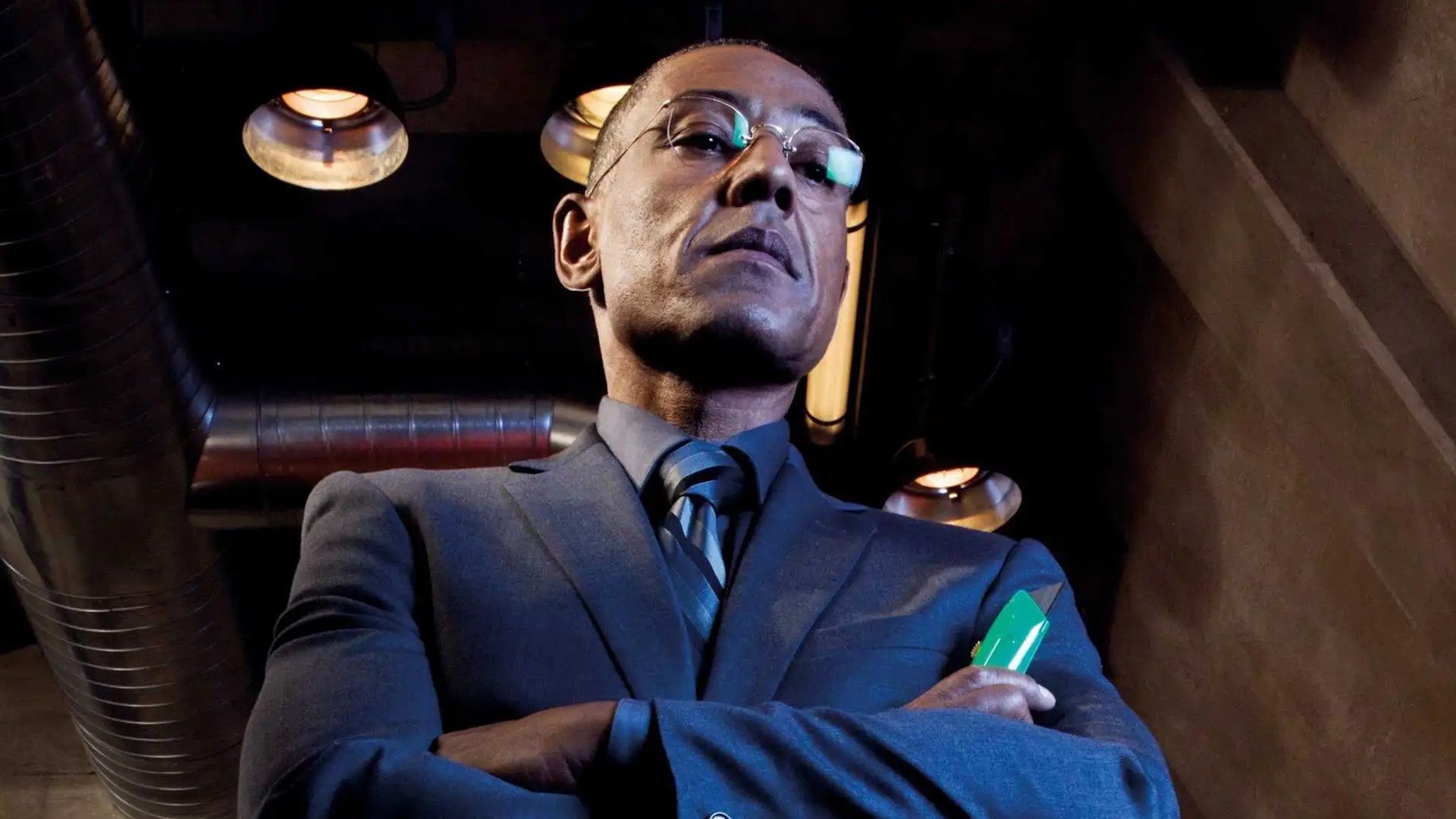
Even before the events of Breaking Bad, as shown in Better Call Saul, Gus Fring was deeply involved in crime and held a powerful position in Albuquerque’s criminal world. However, that didn’t guarantee his safety; he faced threats from both rivals and those he thought were on his side. It’s logical to assume he was constantly vigilant, always watching for danger. He survives until Breaking Bad thanks to incredibly sharp instincts – either natural talent or skills he developed through years of criminal activity. This experience and his cautious nature likely gave him a strong intuition, warning him when something wasn’t right.
It’s still strange that Gus automatically distrusted his car in the episode “End Times.” At the time, it was the only time we’d seen him instinctively sense danger, making it a noticeable moment. His death in the next episode seemed to contradict this ability, as it suggested he couldn’t read people well with limited information. However, his quick suspicion of Nacho after Hector’s stroke later solidified this talent, making the “End Times” scene feel less random. We can now reasonably assume Gus had similar instincts before the events of Better Call Saul and during the years between the prequel and Breaking Bad, which explains how he built his power and avoided being eliminated—until he finally was.
Read More
- The Super Mario Galaxy Movie: 50 Easter Eggs, References & Major Cameos Explained
- 10 Best Free Games on Steam in 2026, Ranked
- Sydney Sweeney’s The Housemaid 2 Sets Streaming Release Date
- Why is Tech Jacket gender-swapped in Invincible season 4 and who voices her?
- All 13 Smash Bros. Characters in the Super Mario Galaxy Movie
- Welcome to Demon School! Iruma-kun season 4 release schedule: When are new episodes on Crunchyroll?
- Dune 3 Gets the Huge Update Fans Have Been Waiting For
- Joel Kinnaman Claims ‘Peacemaker’ Was His Last Time as Rick Flag Jr. in the DCU
- Forza Horizon 6 ‘Prologue’ gameplay
- WTH?! Twitter Drops Fake Daredevil: Born Again Season 2 Spoilers as Character Return Confirmed
2025-12-08 20:03