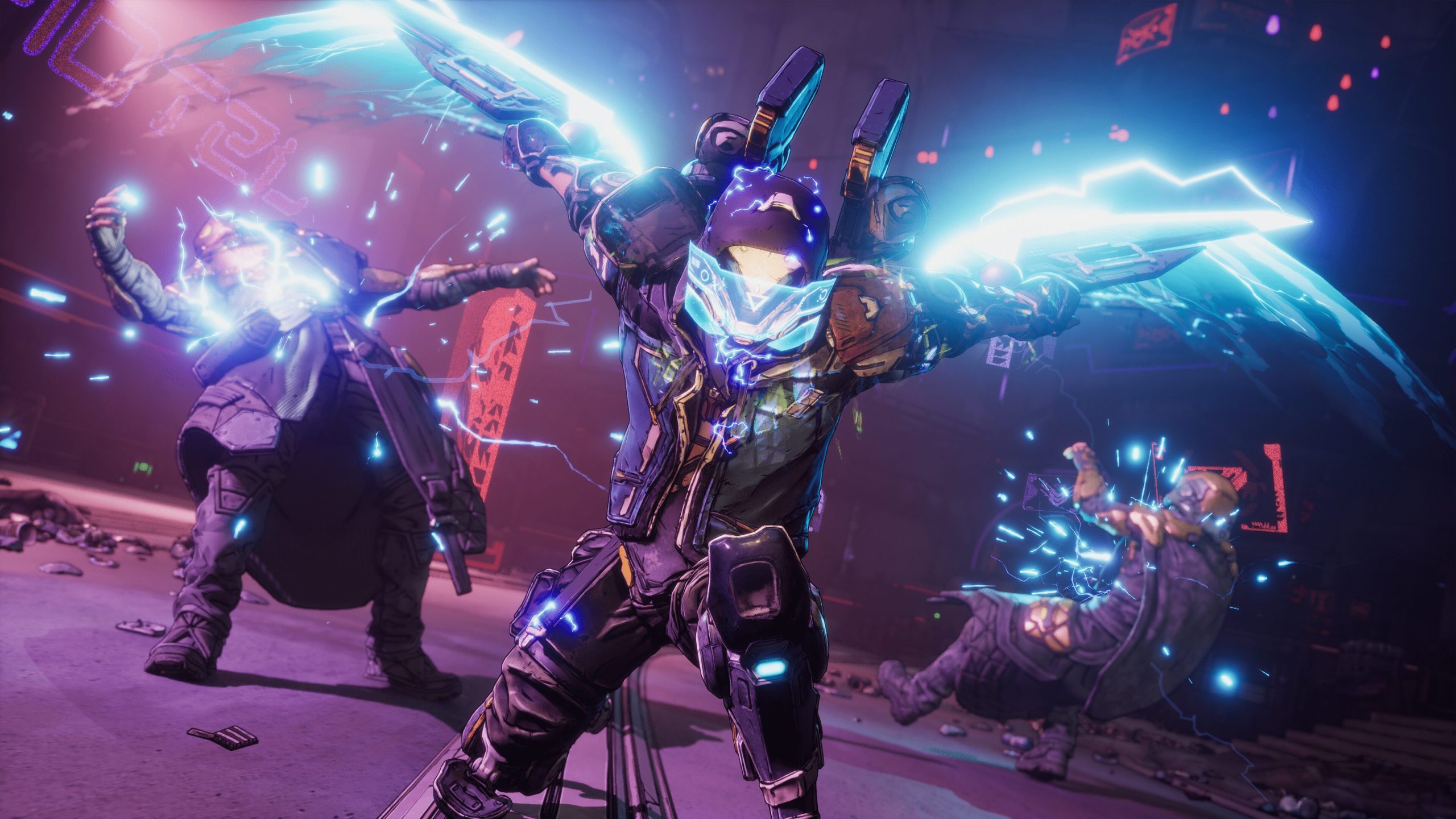
September has become a remarkably busy month for video game releases. It kicked off with several new titles – including *Hollow Knight: Silksong*, *Cronos: The New Dawn*, *Hell is Us*, *Metal Eden*, and *Daemon X Machina: Titanic Scion*. While the following week was quieter with only *Borderlands 4* launching, the game still generated a lot of excitement. Despite some pre-release controversy surrounding a potential $80 price tag – fueled by CEO Randy Pitchford – the development team successfully built anticipation for the game.
Despite detailed character customization, compelling backstories, and a thorough look at what the game offers after completing the main story, the initial impression was generally good. We can set aside the developer’s pre-release warnings about performance on older computers – especially considering *Borderlands 3* had significant launch problems. Given that *Borderlands 4* is built on Unreal Engine 5, a game engine known for needing optimization, it seemed unlikely it could perform *worse*, didn’t it?
When the game launched, the initial Steam reviews were mostly negative. Thankfully, they improved quickly to ‘Mixed’ and have stayed around that level ever since. Currently, about 65% of the 22,931 user reviews are positive.
Most reviews focus on problems with how well the game runs – things like slow performance, optimization issues, and crashes. Some players with powerful computers say they have to lower the graphics settings to medium just to get a smooth experience. Ironically, the game developers apparently achieved a stable 60 frames per second on a lower-end computer by using these medium settings during testing. Overall, players are reporting a range of technical issues, including crashes, freezes, and stuttering. One review perfectly captures the frustration, stating that modern games often lack optimization despite their high price tag.
That criticism is harsh enough on its own, but the game still has a 65% positive rating. It also broke records on Steam, reaching over 300,000 players at its peak – the biggest launch in the series’ history. While this suggests most players are happy, simply looking at percentages doesn’t give you the complete picture.
Even reviewers who enjoyed the game point out that it has performance and optimization problems. It’s best to buy it only if your computer is powerful enough to run it well, and using Frame Generation is highly recommended.
Honestly, I was hoping Gearbox would come out and really *say* they were fixing things, promise some big improvements, and then just *show* us with updates. And they’re kind of doing that, I guess. Their first update dropped last Saturday, but it was pretty basic – just said it made the game more stable on a lot of different PCs. It’s a start, but I’m still hoping for more!
The guide also includes tips to optimize performance on Nvidia and AMD graphics cards. It notes that any changes to settings will require shaders to rebuild, a process that can take up to 15 minutes. To properly test if your changes have improved performance, it’s recommended to play for at least 15 minutes afterward. Some users have found that increasing the shader cache size to 100 GB within the Nvidia Control Panel can further reduce stuttering.
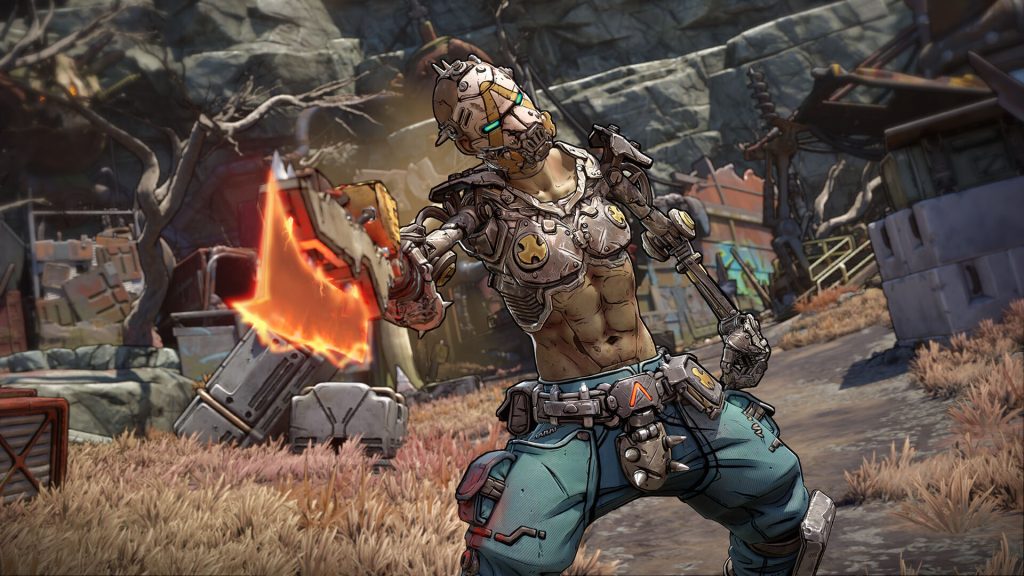
The game clearly has performance problems. Even with a top-of-the-line processor, the PC version still experienced noticeable stuttering and other issues. Digital Foundry concluded that it performs worse than expected for a game built with Unreal Engine 5, falling short of the performance seen in other games using the same engine.
Hopefully, that’s the last of the major issues, and everyone can move forward as Gearbox continues to refine and improve the game, which is now their main source of success. However, nobody – not players, not me, and likely not even the developers – could have predicted the unpredictable influence of Randy Pitchford.
After surveying players about adding a field of view slider (following numerous requests for it), and mentioning potential fairness concerns, the Gearbox CEO launched into a lengthy explanation covering several topics. He stated that PC gamers need to understand how their computer’s hardware impacts game performance. He also explained that various tools already exist for players who want more features, smoother gameplay, or higher visual settings.
We’ve identified a few minor problems that only impact a tiny number of players, and we’re already working on solutions – many of which are complete. However, regarding DLSS, if you’ve formed a negative opinion based on online comments, we’re sorry to hear that. We encourage you to try the technology and see if it can enhance your gaming experience as intended.
Despite the issues, the studio head reassured players they’d continue to develop the game, explaining that increased playtime provides valuable feedback and helps them make improvements. While it might seem odd to ask players to invest more time or money, he believes the feedback – whether good or bad – shows how much fans care about the game.
So, I thought that was the last of it, honestly. But apparently, that whole thing was just one big statement. He also posted some stats from Computer Service – they said only about 1% of installs ever led to complaints, and even fewer – just 0.04% – were about performance issues. And get this, only 0.009% of those complaints were actually considered legit!
According to Pitchford, fewer than 0.01% of players contact customer support about genuine performance problems. That’s less than a fifth of the number who reach out for help with Twitch Drops. He explained that this is a far cry from what people might believe if they only get their information from online forums.
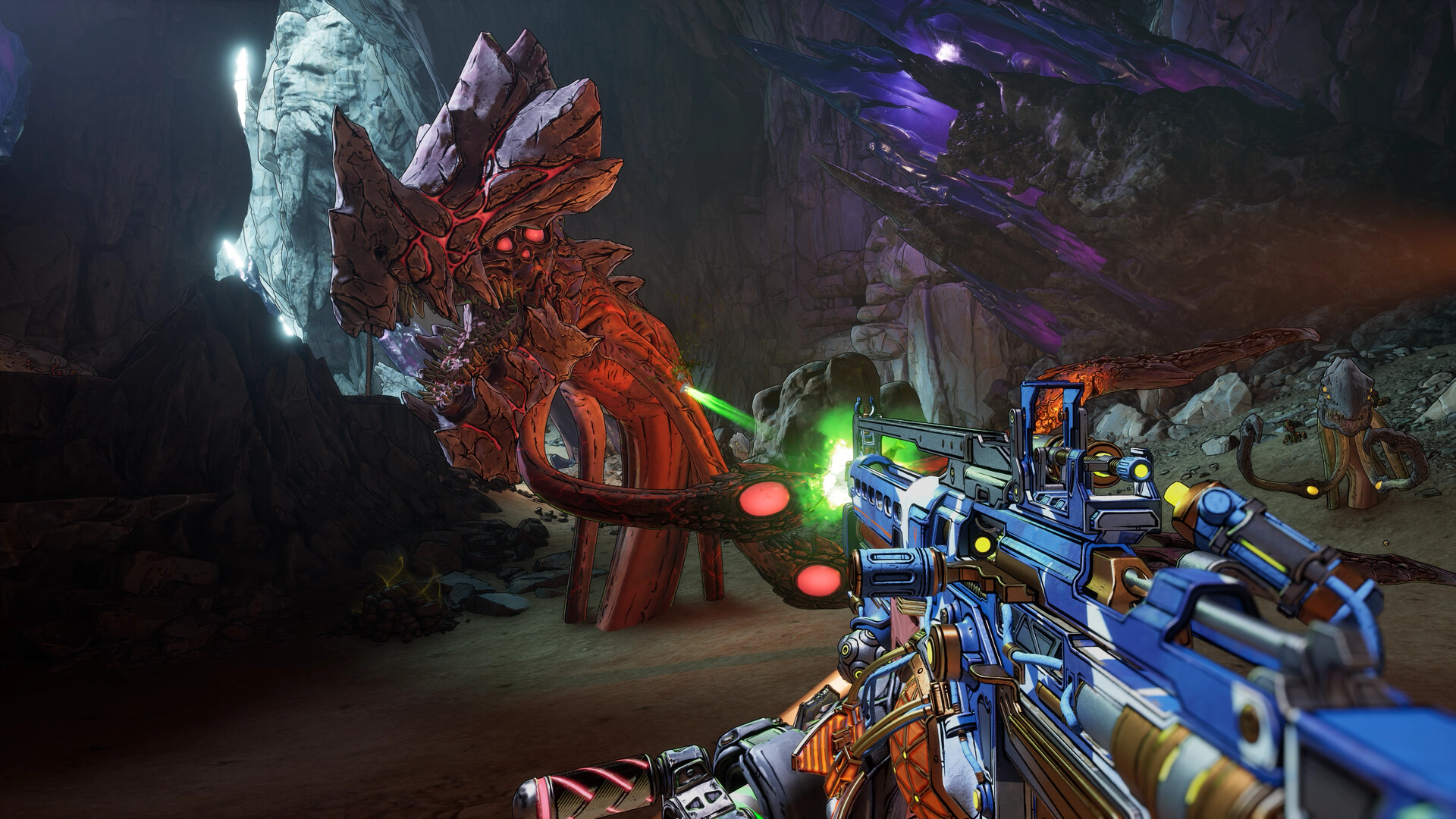
This might seem unhelpful, but it unintentionally highlights that not enough players are contacting Customer Support. He then launched into another explanation about how Gearbox prioritizes players with genuine problems, and suggested that these details could be helpful if you’re relying on information from online sources. Essentially, he was warning against believing everything you read online.
So, you’d think that covers it, but not quite. In a separate post, Pitchford explained how PC players could boost performance. He suggested aiming for 1440p resolution with “super high” settings. “If you’re not set on 4K and just want a better, smoother experience, try 1440p,” he said. “If you have a powerful graphics card, 4K should be fine. But if your computer is closer to the minimum requirements, I definitely recommend choosing 1440p for better performance.”
I was pretty surprised to hear the response when someone pointed out they could have made the game for more common hardware. Basically, they said *Borderlands 4* is a high-end game for players with high-end PCs and consoles. They flat-out said it won’t run on older hardware, like a PS4, and compared trying to run it on weak hardware to putting a tiny leaf blower engine in a monster truck – it just wouldn’t work! They even said if you can’t get it running well, even if you don’t want to bother tweaking the settings, you should just ask for your money back. It feels a little harsh, but they’re clearly focused on delivering a premium experience for those who can meet the requirements.
When someone suggested improving the game’s visuals without relying on upscaling, Pitchford responded defensively, challenging them to build their own game engine and prove it could be done better. He sarcastically implied that anyone offering advice didn’t understand the complexities involved, dismissing their expertise and the support from leading hardware and technology companies. It was a dismissive response, though framed as a challenge.
Whether you agree or disagree about the issues, it’s clear that *Borderlands 4* has problems on PC, and the biggest question is how long it will take to fix them. We’ve seen similar issues with games like *Monster Hunter Wilds*, which still struggles with performance even after months of updates. Ultimately, some games – even those using Unreal Engine 5 – just won’t run perfectly on every PC, no matter how much effort goes into optimization.
However, Gearbox still needs to keep improving the game, particularly considering its cost. It’s best to be patient and see how things develop, and hopefully, the company won’t face pressure from investors later on.
Just so you know, the opinions in this article are the author’s own and don’t reflect the official stance of GamingBolt.
Read More
- The Super Mario Galaxy Movie: 50 Easter Eggs, References & Major Cameos Explained
- Sydney Sweeney’s The Housemaid 2 Sets Streaming Release Date
- 10 Best Free Games on Steam in 2026, Ranked
- Welcome to Demon School! Iruma-kun season 4 release schedule: When are new episodes on Crunchyroll?
- Why is Tech Jacket gender-swapped in Invincible season 4 and who voices her?
- Skate 4 – Manny Go Round Goals Guide | All of the Above Sequence
- All 13 Smash Bros. Characters in the Super Mario Galaxy Movie
- Preview: Sword Art Online Returns to PS5 as a Darker Open World Action RPG This Summer
- The Punisher: One Last Kill Trailer Review: MCU Special Could Be a Game Changer
- Dune 3 Gets the Huge Update Fans Have Been Waiting For
2025-09-17 15:46