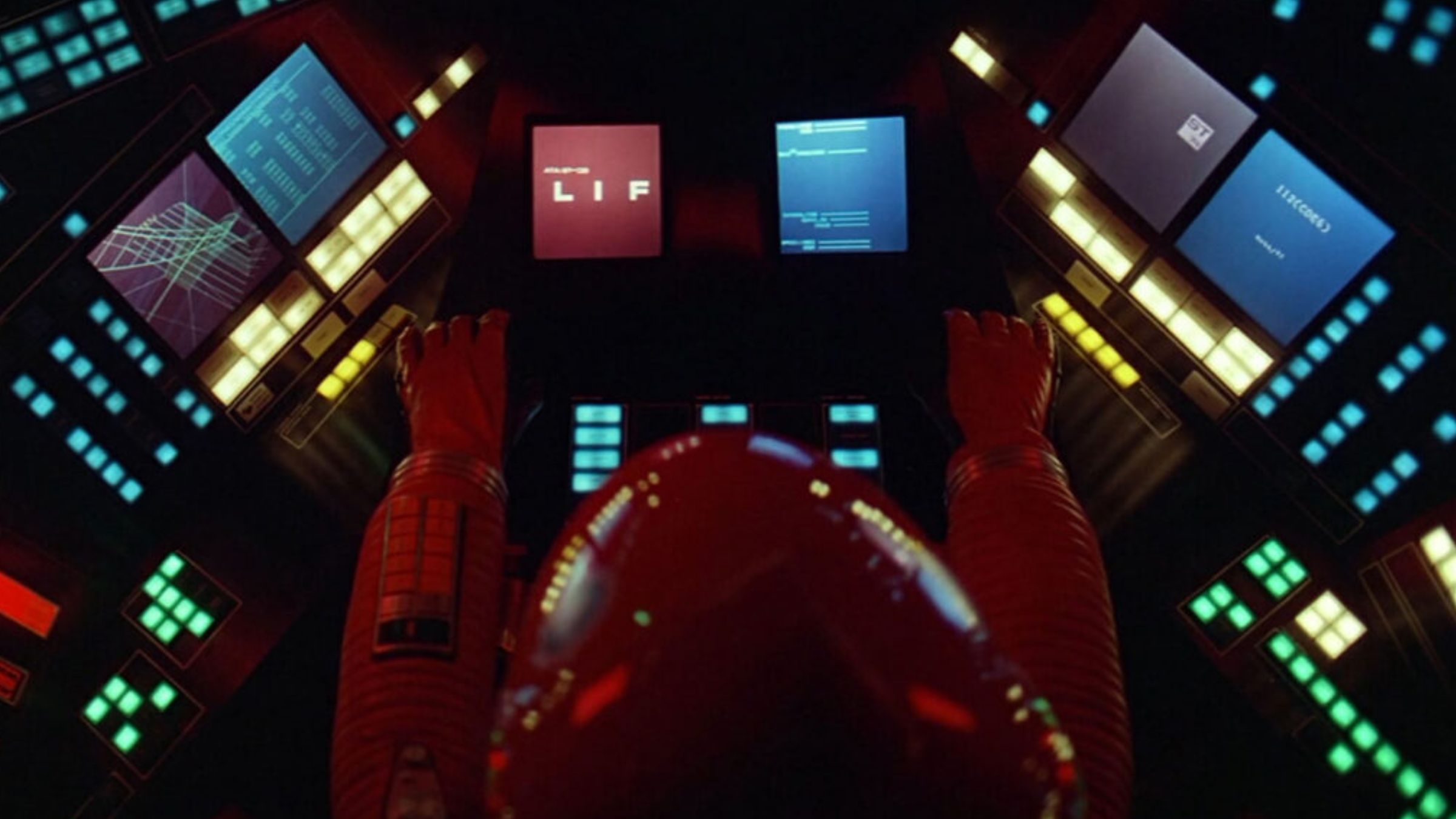
Science fiction is a constantly changing and growing form of storytelling, mirroring our collective hopes and fears. From the adventurous tales of early sci-fi to today’s cautionary stories about artificial intelligence, the genre thrives on new perspectives. While many authors have shaped science fiction, a period known as the Golden Age was dominated by three particularly influential writers – often called the “Big Three”: Isaac Asimov, Robert Heinlein, and the author we’re celebrating today. These writers helped elevate science fiction from simple entertainment to a respected form of literature, using it to thoughtfully examine society, technology, and the potential future of humanity.
Alongside Isaac Asimov and Robert Heinlein, Sir Arthur C. Clarke completes the trio of science fiction masters. Born on December 16, 1916, Clarke distinguished himself by combining believable science with a sense of spiritual awe. Though he wrote many well-known books over his long career, he’s perhaps best remembered for his 1968 work with director Stanley Kubrick, 2001: A Space Odyssey. This iconic film and novel began as a short story called The Sentinel. Remarkably, his 1968 writing accurately foreshadowed technologies like tablets, video calls, and artificial intelligence, solidifying his reputation as a visionary of the Space Age.
How Arthur C. Clarke Helped Redefine Sci-Fi
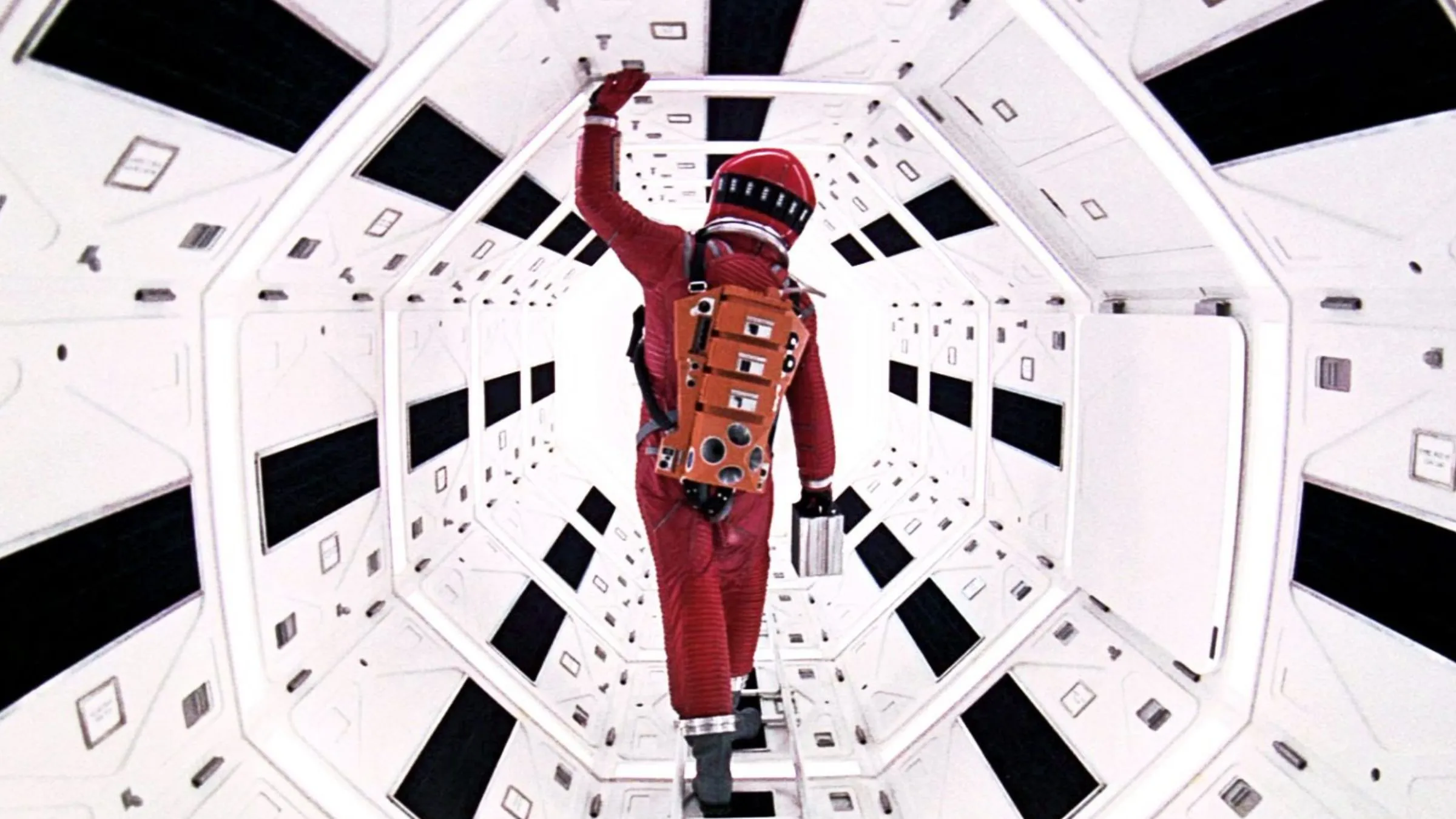
Arthur C. Clarke stood out from other science fiction writers because of his training as a radar technician and scientist. This allowed him to create remarkably realistic technology in his stories. In fact, he predicted the idea of geostationary communication satellites – and the specific orbit where they’d stay – years before they were actually built; that orbit is now known as the Clarke Orbit. Clarke always stuck to real-world physics, meaning his space stories avoided unrealistic solutions. His spaceships used rotation to create gravity, computers sometimes malfunctioned, and astronauts were portrayed as skilled professionals, not daring adventurers. This commitment to scientific accuracy helped establish a new style of science fiction – “hard science fiction” – proving that stories could be exciting while remaining scientifically plausible.
Arthur C. Clarke wasn’t just a talented science fiction writer; he had a gift for blending technology with spiritual ideas. In works like Childhood’s End and the Space Odyssey series, he often suggested that humanity is simply a stage in the development of something greater. Unlike many other science fiction authors, Clarke avoided pessimism, choosing instead to portray a hopeful universe where alien beings help us evolve. The monolith in 2001: A Space Odyssey perfectly embodies this idea – it’s a catalyst for growth, pushing humanity from its primitive beginnings toward a future among the stars. This grand vision transformed science fiction, turning it into a way to explore deep questions about philosophy, religion, and the fate of intelligence in the universe.
Arthur C. Clarke famously captured the heart of science fiction with his Third Law: any technology advanced enough will seem like magic. This simple idea revolutionized how authors wrote about futuristic societies. It let them describe incredible inventions that looked like miracles, but were still rooted in the possibility of science. By presenting the unknown as advanced science, rather than pure fantasy, Clarke broadened the scope of sci-fi. His influence keeps science fiction a genre focused on big ideas, able to both inspire technological progress and make us think about our place in the universe.
2001: A Space Odyssey is currently available to stream on HBO Max.
What Arthur C. Clarke creation or prediction do you believe has been most influential in the real world? Share your thoughts in the comments and join the discussion in the ComicBook Forum!
https://comicbook.com/movies/list/every-sci-fi-movie-based-on-books-by-isaac-asimov-ranked/embed/#
Read More
- The Super Mario Galaxy Movie: 50 Easter Eggs, References & Major Cameos Explained
- 10 Best Free Games on Steam in 2026, Ranked
- All 13 Smash Bros. Characters in the Super Mario Galaxy Movie
- Sydney Sweeney’s The Housemaid 2 Sets Streaming Release Date
- Dune 3 Gets the Huge Update Fans Have Been Waiting For
- Why is Tech Jacket gender-swapped in Invincible season 4 and who voices her?
- Control Resonant’s Hiss and Mold Are “Way More Complex” Than Before (and More Aggressive)
- Welcome to Demon School! Iruma-kun season 4 release schedule: When are new episodes on Crunchyroll?
- TV legend Carol Kirkwood reveals the reasons why she decided to retire after 28 years with BBC
- Highly Anticipated Strategy RPG Finally Sets Release Date (And It’s Soon)
2025-12-16 17:52