It’s impressive to see a game studio consistently release such a diverse range of games. This kind of output is only possible with strong development tools and a talented team. Over the past few years, this developer has created everything from scary, enclosed-space horror games to epic monster hunts, vibrant mythological adventures, and even polished competitive fighting games. The success of all these different titles really speaks to the skill and creativity of the people working there.
I’ve been thinking about all the awesome games coming out – Monster Hunter Wilds, Resident Evil Requiem, Dragon’s Dogma 2, and tons more – and it’s easy to focus on the developers we see. But there’s this incredible team working behind the scenes that really makes sure each game looks and feels exactly how the creators imagined. What’s amazing is they can pull this off with totally different game styles and goals, without having to completely overhaul how they make games every single time. It’s like they’ve built a super flexible system that just works.
So, I’ve been wondering how this tech has become so popular in gaming. That’s what I’m trying to figure out – how it’s actually made some of my favorite games even better, and in ways that really make a difference when I’m playing.
The Beating Heart Of Some of the Best Titles
Now’s a good time to clearly define what this engine actually is. It’s more than just a tool for creating amazing graphics – though it’s become very skilled at that. Think of it as a complete production system that connects teams and helps them work together efficiently, improving key parts of the game throughout the development process.
If you consider everything this technology does – creating game assets, materials, lighting, animations, and physics, and then seamlessly streaming it all in real-time – you start to understand why it’s so impressive and deserves attention. It also adapts to different game requirements, scaling its systems to meet each game’s unique design and performance needs.
Games like Resident Evil Biohazard prioritized creating a tense, enclosed atmosphere with detailed graphics, which is a different challenge than games like Monster Hunter Wilds and Dragon’s Dogma 2 that focus on large environments and complex mechanics. Street Fighter 6, on the other hand, needed to run smoothly and quickly to deliver responsive gameplay.
It’s challenging for any game engine to consistently deliver high quality across a wide range of games, but the RE Engine has proven itself capable of doing just that, repeatedly. The question is, how has it maintained this level of performance over the years?
A Story As Interesting As The Games It Has Powered

It’s fascinating to see how the RE Engine has improved with each game it’s been used in. Starting with Biohazard in 2017, it excelled at creating detailed, realistic environments – especially in the confined spaces Ethan explored – and offered impressive lighting effects. However, that was just the first step in its development into the powerful engine we know today.
Resident Evil Village, released in 2021, built upon the success of previous games by offering larger environments and experimenting with different camera angles, all while maintaining a high level of quality. Then, in 2023, the game’s engine was used for Street Fighter 6, where its impressive animations and precise gameplay became key features. This was a significant improvement for the engine, demonstrating its ability to handle more complex projects.
Then came Dragon’s Dogma 2 (2024) and Monster Hunter Wilds (2025). The game engine had worked with open areas before, but this time it needed to create an entire world, while also managing complex systems that made the map feel more alive and interactive. This could have been difficult, but the RE Engine handled it flawlessly.
That leads us to Resident Evil Requiem, which really showcases how far the series has come. This installment features a dramatically improved lighting system and incredibly detailed characters and environments. These enhancements create a stunning, cinematic experience, making Grace and Leon’s story feel more immersive and realistic than ever before in the Resident Evil franchise.
But how does it manage to achieve all of this with so much style? We’re glad you asked.
Bringing The Magic To Life
Like any tool, the RE Engine performs best when given high-quality input. Its realistic results start with carefully capturing details from the real world – things like textures, accurate 3D models created through photogrammetry, and even the tiny imperfections you see on surfaces. While this process takes effort, providing the engine with believable data allows it to create equally realistic visuals.
Next, we need to build detailed game assets. This involves creating high-quality 3D models, then optimizing them to run smoothly by reducing the number of polygons while preserving visual fidelity. We also need to create UV layouts and ‘bake’ in complex details like lighting and shadows, which pre-renders these effects to reduce the strain on the game engine. All of this ensures the game looks great without overwhelming the system. Other important considerations include how objects interact with each other (collisions) and how the game loads content as you play (streaming). Games like Wilds and DD2, with their vast open worlds and many interactive elements, really showcase the importance of this process. However, it’s just as crucial for games like Biohazard, where fewer objects are present, but the close-up camera view demands a high level of detail for everything you see.
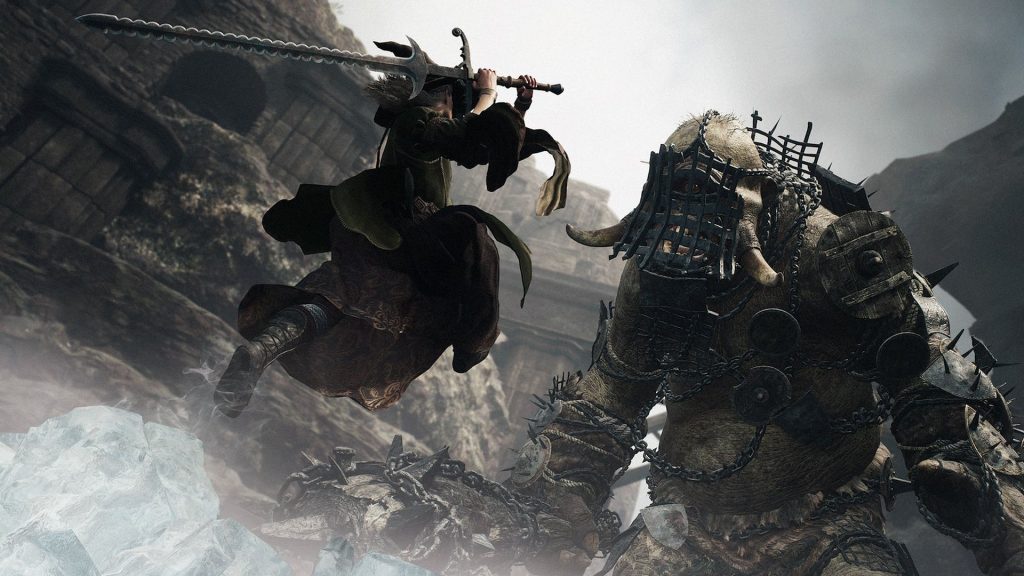
The next stage brings visuals to life through Physically Based Rendering (PBR). This process makes assets react to light in a realistic way, simulating how they’d behave in the real world. Essentially, we program objects to respond to light based on their physical properties – things like how rough or metallic a surface is, whether it’s dirty or wet, and even details like decals – to create a believable look.
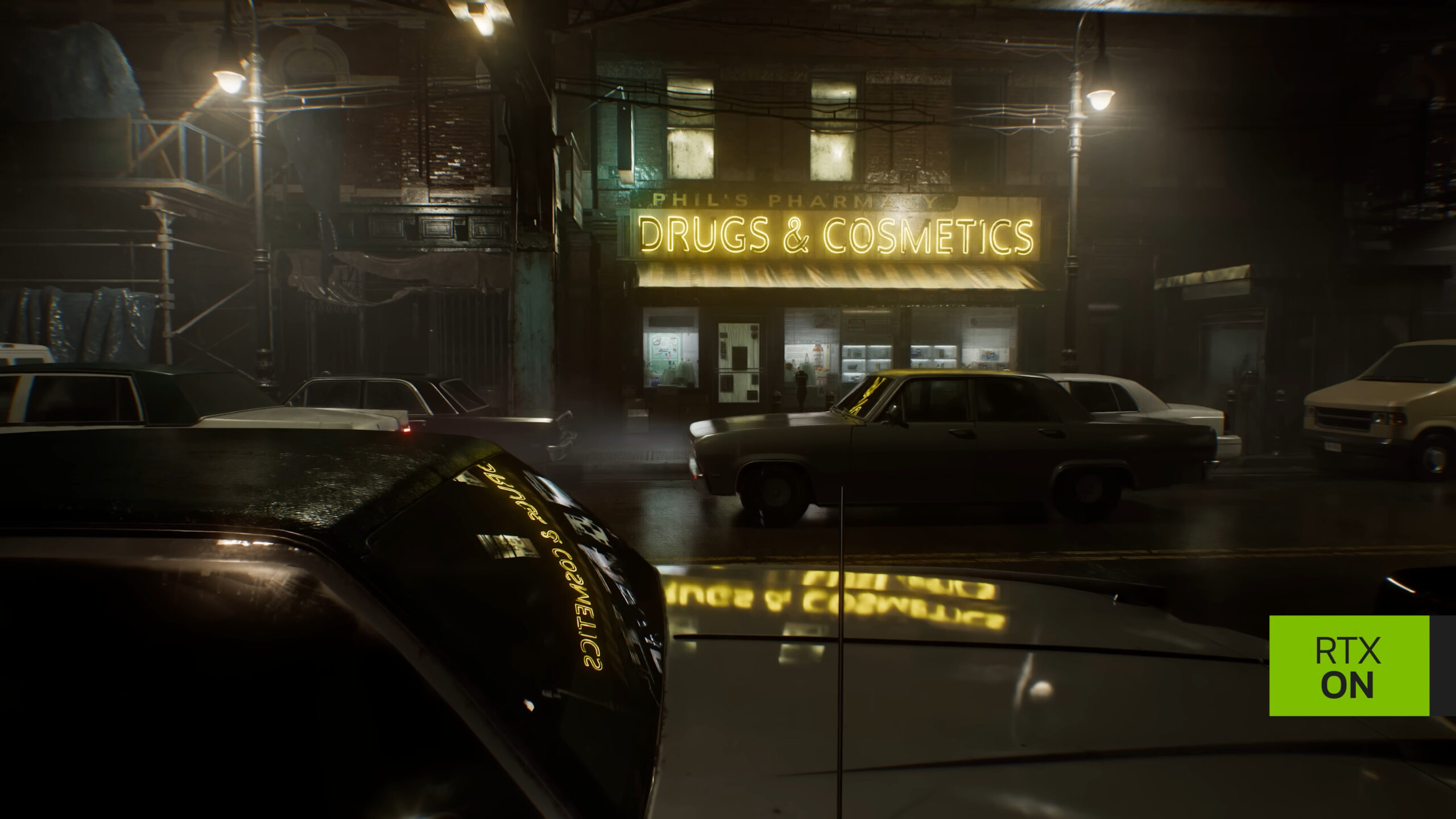
Consider the streets in the game Requiem. You can clearly see how a street changes with just a little rain. Wet surfaces create realistic reflections on roads, cars, and windows, making the environment feel more immersive. This focus on small details and accurate depictions of real life is a key feature.
After building the game’s environments, the focus shifts to animation. Techniques like rigging, blending, and motion capture are essential for making player and enemy movements clear, the camera work well during action, and impacts feel satisfying. This is especially important in games like Street Fighter 6 and Monster Hunter Rise, where fluid animations, clear visuals, and well-timed effects create a combat system that feels smooth, responsive, and truly immersive.
Creating realistic lighting and visuals is a major undertaking. Direct and indirect light need to work together to set the right mood, and accurate shadows help make everything feel believable. Adding effects like fog and volumetric lighting is also crucial for building the atmosphere of a scene. Ray tracing reflections take it a step further, bringing everything to life. A good example of this detailed work can be seen in the game Village, which featured many diverse environments, each with complex lighting. This approach was also similar to the lighting design in Requiem, where carefully planned lighting paths were a key part of the experience.
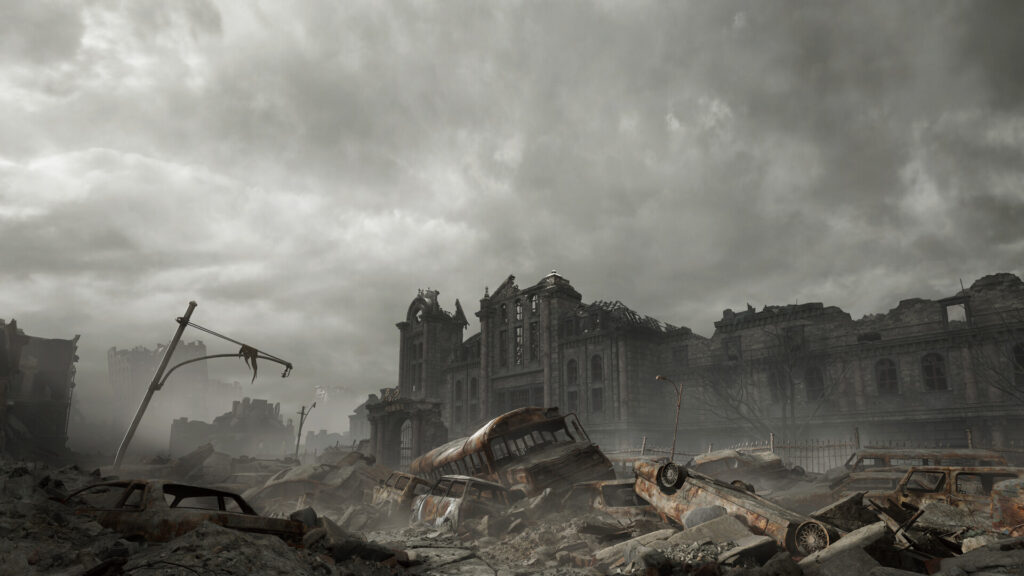
After the core rendering, details like exposure, color adjustments, and effects like bloom, depth of field, and motion blur are added to give games a cinematic look. It’s crucial to use these effects subtly; too much can detract from the overall visual quality. A good example is the game Village, which consistently achieved a polished, cinematic feel across different environments.
These steps are key to the RE Engine’s success in games like Resident Evil. What makes it so powerful is its ability to adapt to a game’s specific needs, rather than forcing developers to change their vision to fit the engine. This flexibility allowed it to run well on different hardware in Resident Evil Village, handle the complex systems of Monster Hunter Rise, and manage the demanding world simulation in Dead by Daylight 2.
Versatility Across Genres
We especially love seeing how the RE Engine has been key to the success of its games, and why it’s proven to be versatile enough to work with different types of games.
Resident Evil consistently excels at creating detailed and realistic environments. It uses impressive close-ups of textures, subtle lighting, and atmospheric effects to effectively build fear and tension – hallmarks of the series. Even a short look at gameplay or cutscenes from Requiem demonstrates these strengths.
This engine continues to perform exceptionally well in large, complex game worlds. It smoothly manages the demands of games like Monster Hunter and DD2, effectively handling things like loading assets, maintaining detail levels, ensuring fast movement, running game simulations, and managing memory – all while delivering a consistently good experience for players on different platforms.

Street Fighter 6 prioritized smooth gameplay above all else. The game engine consistently delivered stable framerates, which allowed for crisp, clear animations and visual effects. This was essential for showcasing the game’s fast-paced, exciting action and helping it stand out from other fighting games.
The technology also works wonderfully for revitalizing older games, as seen in excellent remasters like Dead Rising Deluxe and Ghost Trick. However, Requiem truly showcases its potential. It boasts incredibly detailed visuals that remain clear even during fast-paced action, consistent and realistic lighting, impressive physics for objects and hair, and reflections and shadows that convincingly enhance every scene.
It’s tempting to simply say this technology excels at running our top features, but that wouldn’t fully capture its capabilities.
What Does The RE Engine Mean For Modern Gaming?
This game isn’t just impressive for what you see happening on screen; it’s also important because of how it works under the hood, paving the way for increasingly complex games in the future.
Built entirely from scratch, this engine gives our studio a consistent advantage with each new game we release, improving our processes and results over time. It’s more than just a tool for creating beautiful visuals; it’s now a leading standard in game development.
With game worlds becoming increasingly expansive and lighting more complex, powerful and scalable engines are crucial for success. The RE Engine is performing exceptionally well in this area. We’re excited to see what games it powers next, confident that it can help developers create even more impressive experiences.
Read More
- Gold Rate Forecast
- One of Hulu’s Best New Shows Lands on Disney+ Ahead of Season 2
- ’90s Cartoon Reboot & TMNT Connection!
- Dune 3 Gets the Huge Update Fans Have Been Waiting For
- Hideo Kojima Says He Was Never Told About The Matrix Creators Wanting Him to Make a Game
- Guardians of the Globe Members We Want to See in Invincible Season 4
- Kelly Osbourne Slams “Disgusting” Comments on Her Appearance
- What Song Is In The New Supergirl Trailer (& What It Means For The DC Movie)
- Kylo Ren’s Darkest Moment: A Shocking Echo of Anakin’s Infamous Past
- 10 Marvel Villains Everyone Liked As Much As The Heroes They Killed
2026-03-11 23:18