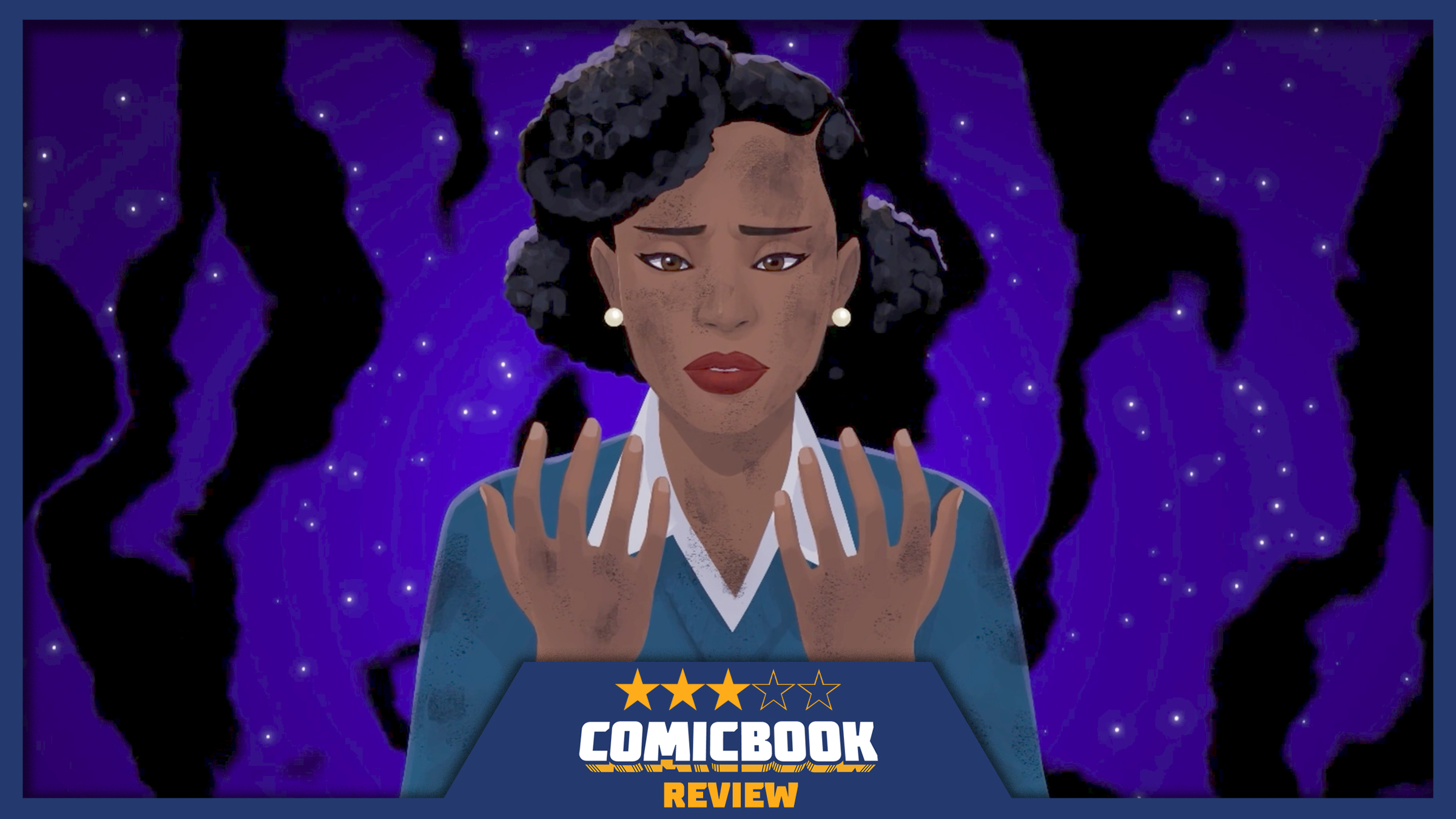
Okay, so a lot of cosmic horror games are super creepy and focus on losing your mind, which makes sense, right? But Call of the Sea from 2020 was different. It wasn’t just endless monsters; it was a beautiful puzzle game about a woman looking for her husband. Now, the sequel, Call of the Elder Gods, sounds way more intense, but it’s surprisingly colorful and has those same great puzzles. The only downside? The story itself is kinda…boring. Seriously, they managed to make the Cthulhu mythos uninteresting, which is a feat in itself!
At its heart, Call of the Elder Gods is a puzzle game, and thankfully, the puzzles are its strongest feature. Each puzzle offers a good-sized area to investigate, with clues and notes scattered around. These clues not only help solve the puzzles, but also reveal the game’s story, encouraging players to explore and uncover the mysteries within.
Rating: 3/5
| Pros | Cons |
|---|---|
| Fantastic puzzle design gives players many layers to examine and cross-reference | The story is lifeless, unnecessary, and ends on a terrible and unearned cliffhanger |
| Colorful visuals offer a beautiful contrast to typical Lovecraftian darkness |
Call of the Elder Gods‘ Puzzles Are Rewarding to Piece Together

These puzzles are complex and take time to solve, often feeling confusing at first. The game includes a helpful journal with concise notes, but there’s still a lot of information to manage. Just when it feels overwhelming, you start to make connections and the overall solution begins to emerge.
The joy of a great puzzle game comes from carefully connecting clues, figuring out what doesn’t fit, and ultimately having a satisfying ‘aha!’ moment. These games offer complex challenges that demand real thought and reward players who truly pay attention. You can’t just guess your way through them, and thankfully, the game respects your intelligence – it doesn’t offer unwanted hints or talk down to you.
There’s a real thrill in piecing together clues, confirming your solution, and seeing a door unlock or a new path revealed—especially in the game’s cleverly designed Egyptian puzzle about halfway through. This puzzle is particularly satisfying because it starts out confusing, but slowly makes sense as you solve each part. Call of the Elder Gods generally provides enough clues, but a helpful hint system in the pause menu is available for the few times you might get truly stuck.
Call of the Elder Gods Has a Boring, Superfluous Story to Tell

Both Call of the Elder Gods and Call of the Sea attempt to weave a story around their puzzles. While Call of the Sea wasn’t perfect in its storytelling, it was strengthened by the touching love story between its main character, Norah, and her husband, and the emotional weight of her situation, giving the game a genuine heartfelt core.
Unlike its predecessor, Call of the Elder Gods feels emotionally flat and struggles when it attempts to force heartfelt moments. The story centers on Harry, who is now a widower, and Evie, the daughter of the mechanic who accompanied Harry on an adventure that was only mentioned in the first game.
Despite strong performances from the actors, both characters feel underdeveloped from the start. Harry, in particular, lacks the depth needed to drive the story, especially after his connection with Norah is broken. He mostly acts as a messenger throughout, without much personal growth or complexity. Considering how important his relationship with Norah was in the first installment, it’s strange and frustrating that Call of the Elder Gods doesn’t explore his grief or how it affects him. Norah, with her constant narration, is hard to ignore, but without it, she’d easily fade into the background.
Evie is a likable character, but the game unfortunately links her to a bland, underdeveloped character from Call of the Sea. The attempt to make her father important in Call of the Elder Gods feels forced and doesn’t work, as players never felt a connection to him. Because of this, Evie’s sadness about her father doesn’t resonate emotionally.
Call of the Elder Gods Ends on a Bad Cliffhanger

The game’s biggest flaw appears in its disappointing ending, where a key character is underused in a bizarre sequence, even for a Lovecraftian story. Before that, the game spends too much time simply collecting objects without developing meaningful connections or emotional depth – a letdown considering how heartfelt the previous game was. This all culminates in a confusing ending that abruptly stops on a cliffhanger. The story is further weakened by overly obvious dialogue – for example, players shouldn’t need to be told that a villain spewing hateful rhetoric while collaborating with Nazis is a racist. Despite these issues, the game is visually appealing, boasting a beautiful, painterly style and some striking environments, though these moments aren’t frequent enough to fully redeem the narrative. Ultimately, Call of the Elder Gods fails to live up to the potential of its intriguing world.
While a fresh start with new characters might have been a good idea for Call of the Elder Gods, it wouldn’t have fixed the game’s biggest problems, especially its awkward dialogue. The story itself is consistently weak, but surprisingly, the puzzles are so well-designed that they almost overshadow these flaws. It’s ironic that the best part of a game inspired by Cthulhu is actually its puzzles, and not the Cthulhu-themed elements themselves. That disconnect is perhaps the game’s biggest challenge.
A PS5 copy of Call of the Elder Gods was provided by the publisher for the purpose of this review.
Read More
- Gold Rate Forecast
- 10 Most Powerful Versions of Superman, Ranked
- GBP CNY PREDICTION
- 007 First Light: Release Date, Story, Gameplay, Cast, Editions, and Platforms
- DOGE PREDICTION. DOGE cryptocurrency
- Superman’s 7 Best Power-Ups, Ranked
- 10 Greatest Wii U Games of All Time, Ranked
- Forza Horizon 6 Car List So Far: Confirmed Highlights, Cover Cars, DLC, and Rewards
- Kingdom Come Deliverance Update 1.002 Enables Trophies to Be Transferred
- EUR CNY PREDICTION
2026-05-11 19:11