Generative AI is causing debate in many fields, particularly in gaming. Some industry leaders are enthusiastic about its potential, but most players and developers are hesitant. Companies are struggling with how to move forward, as the money saved by using AI is being countered by negative reactions from customers.
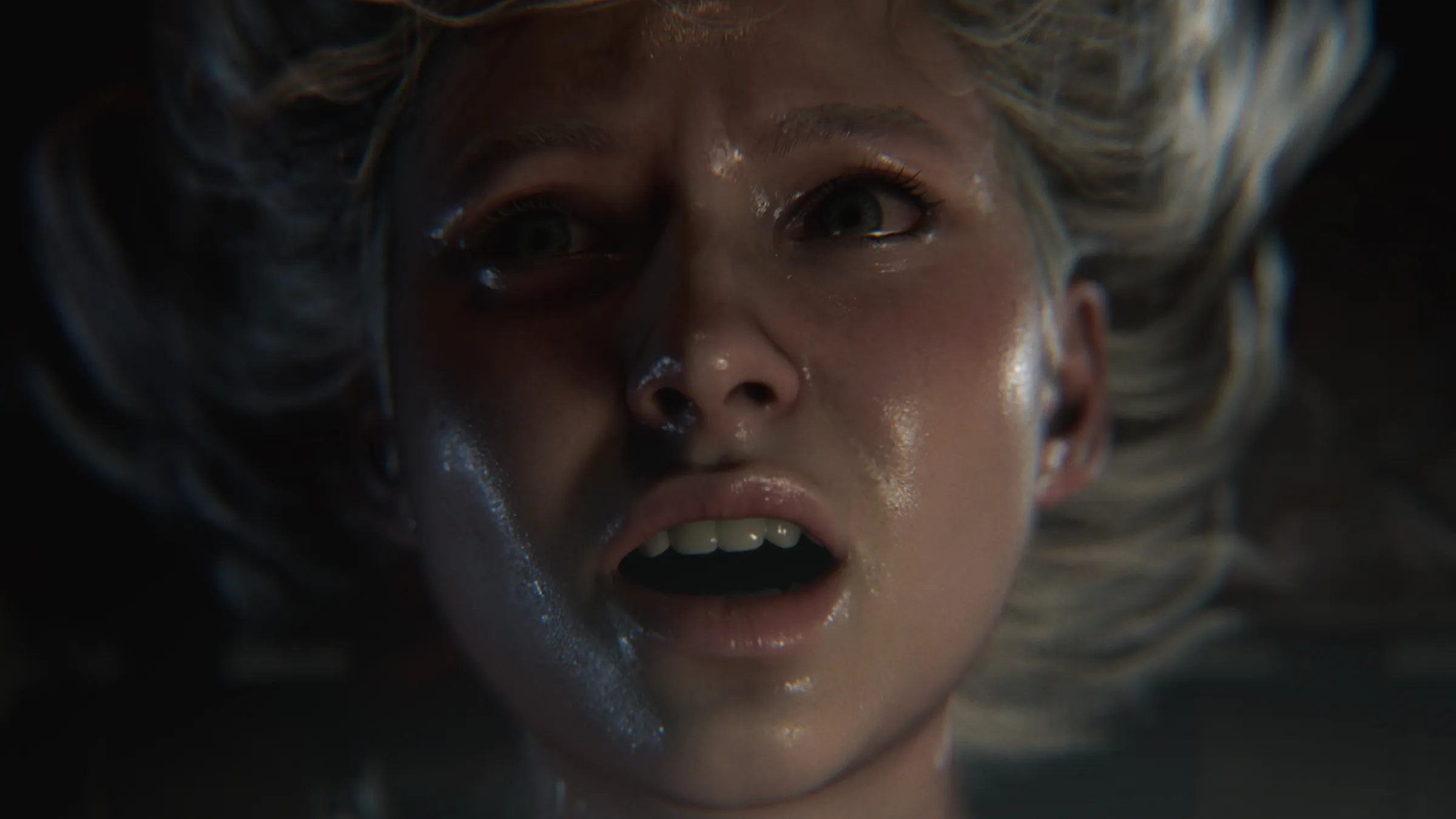
Capcom, a well-known game developer, has recently become more vocal about the use of artificial intelligence in their games. They gained attention when their new game, Resident Evil Requiem, was showcased as an example of AI-powered upscaling technology. While they haven’t completely prohibited the use of generative AI, Capcom has been clear about the restrictions they’ve put in place. This is a smart approach, as using AI inappropriately could create issues for the company in the future.
Capcom Won’t Have Generative AI In Games, But Will Use It In Development

Capcom recently announced at a shareholder meeting that its games won’t include any content created by artificial intelligence. While this is good news, especially considering concerns about other companies using AI, there’s a nuance to the announcement. Capcom clarified that they will be using AI tools to help with game development, but not to directly create assets that players will see in the final game.
This new technology could affect how games look and sound, as well as the programming behind them. It’s interesting timing, as it follows a recent AI-related issue that Capcom didn’t anticipate. NVIDIA’s DLSS 5 uses AI to enhance graphics, and a demonstration on the game Resident Evil Requiem caused a strong negative reaction from players. They noticed the AI was changing character appearances in a way they didn’t like. This, combined with other developers’ difficulties explaining AI to players, shows how risky it can be for companies to use this technology when many gamers aren’t enthusiastic about it. Capcom has responded by assuring players that no current or future games will include AI-generated content.
Capcom Is Playing A Dangerous Game With AI
It’s encouraging that Capcom has publicly stated they won’t include AI-generated content in their finished games, a relief for many worried about the future of the industry. However, their use of AI during development could still cause problems. We’ve already seen instances of AI-created assets slip into released games – Pearl Abyss promised to remove them from Crimson Desert, and the discovery in Clain Obscur: Expedition 33 tarnished some of the game’s initial acclaim. While AI could potentially speed up early concept work, helping developers visualize ideas before artists create original content, it’s a risky approach.
Like any new technology, AI can be used effectively and responsibly. However, there’s been a lot of pushback from gamers against its use, especially in the gaming industry. Capcom needs to be careful, because even a small amount of AI-generated content accidentally included in a game could damage their reputation. Other game companies have already warned investors that admitting to using AI could seriously harm how consumers view them. Capcom’s promise not to use AI is significant, given their size and influence. At the same time, it also means a simple mistake during game development or launch could lead to hidden AI elements slipping through, potentially harming their image.
Read More
- Gold Rate Forecast
- Hazbin Hotel Secretly Suggests Vox Helped Create One of the Most Infamous Cults in History
- 22 actors who were almost James Bond – and why they missed out on playing 007
- Every Creepy Clown in American Horror Story Ranked
- As Dougal and friends turn 60, Radio Times explores the magic behind The Magic Roundabout
- Best X-Men Movies (September 2025)
- Kingdom Come: Deliverance 2 – Legacy of the Forge DLC Review – Cozy Crafting
- Blue Protocol Star Resonance: Goblin Lair Dungeon Guide
- Chill with You: Lo-Fi Story launches November 17
- Jack Osbourne Shares Heartbreaking Tribute to Late Dad Ozzy Osbourne
2026-03-24 00:12