Mapping Entanglement: A Geometric Approach
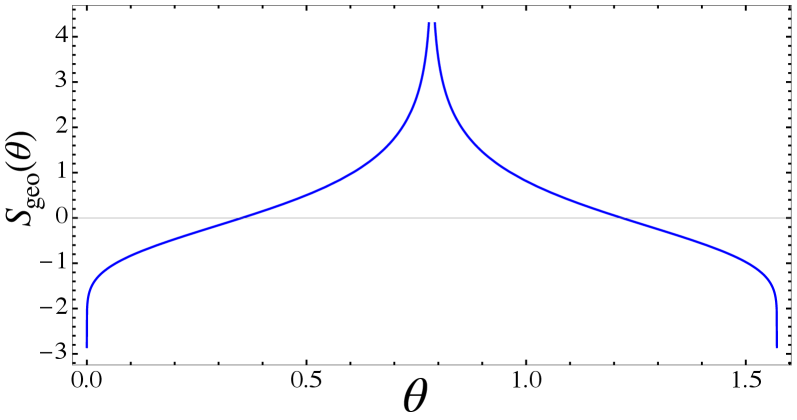
Researchers have developed a novel geometric framework to quantify entanglement using the curvature of projective Hilbert space.
Researchers have developed a novel geometric framework to quantify entanglement using the curvature of projective Hilbert space.
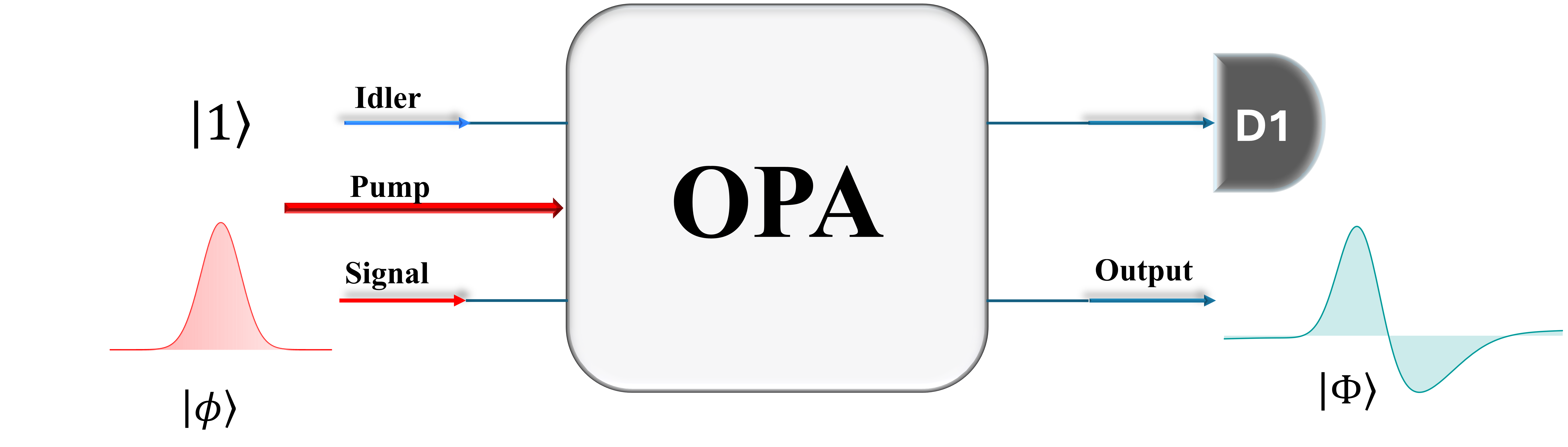
Researchers have developed a versatile technique for generating complex quantum states of light, paving the way for more powerful quantum information processing.

New research details how the light signatures of exotic, horizonless objects called naked singularities could be distinguished from those of black holes using advanced imaging techniques.
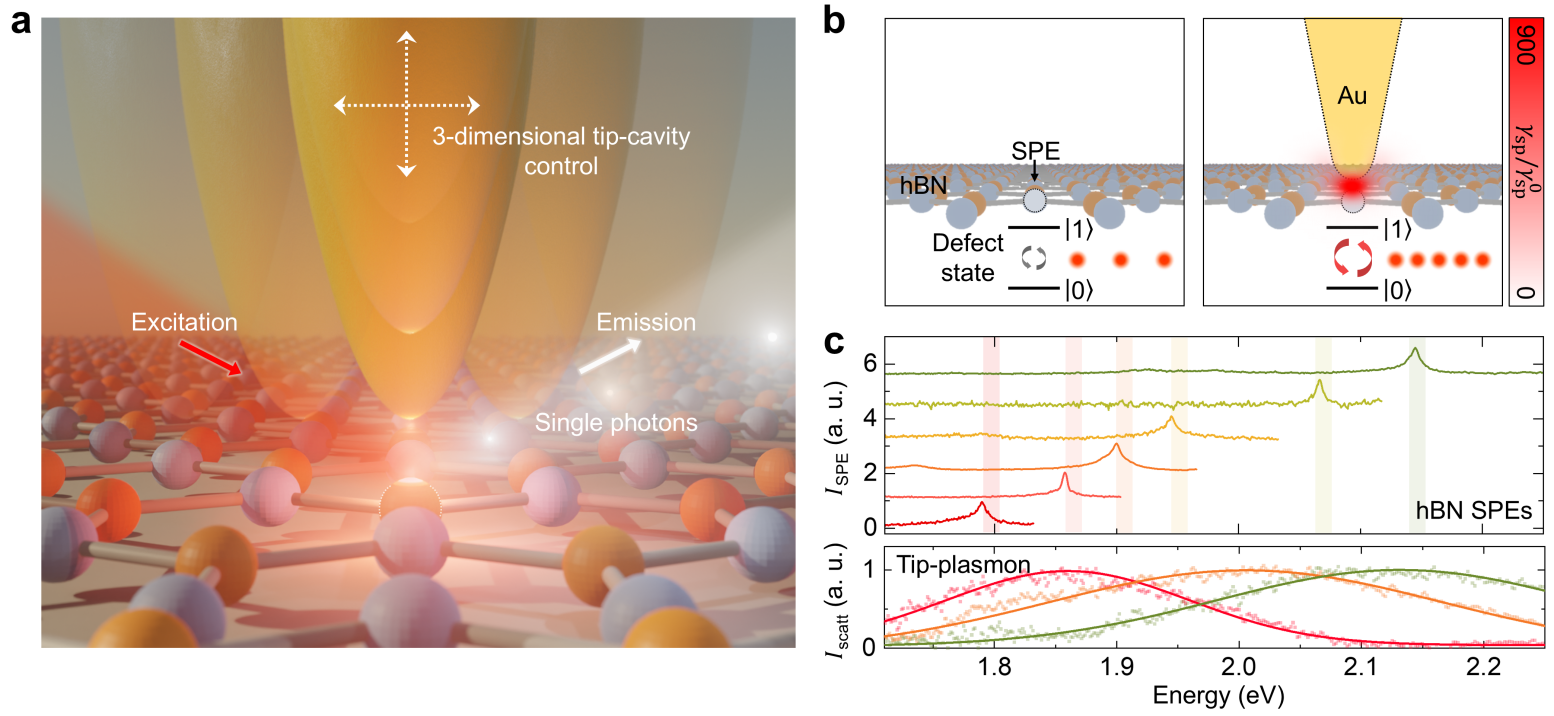
Researchers have developed a technique to deterministically couple nanoscale optical cavities to defects in hexagonal boron nitride, offering unprecedented control over single-photon emission and enhancing quantum sensing capabilities.
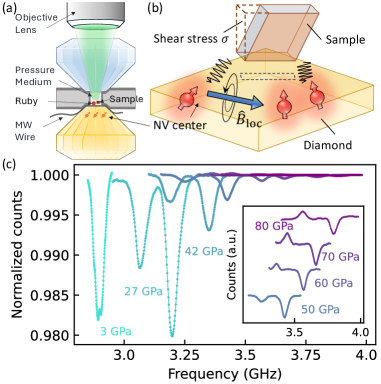
New research reveals how extreme pressure can flip the spin polarization of nitrogen-vacancy centers in diamond, potentially unlocking novel applications in sensing and quantum technologies.

Research reveals that the rate at which entangled particles emit light is demonstrably affected by their entanglement phase, offering a potential pathway for novel entanglement detection methods.

New research demonstrates how fundamental constraints on local quantum measurements ensure the consistency of causality and prevent faster-than-light signalling.

A new theoretical framework proposes a unified description of quantum mechanics by extending wavefunction evolution to both spacetime and momentum-energy domains.

New research explores how the rules of thermodynamics change when electrons are confined to a two-dimensional space where the usual laws of geometry break down.
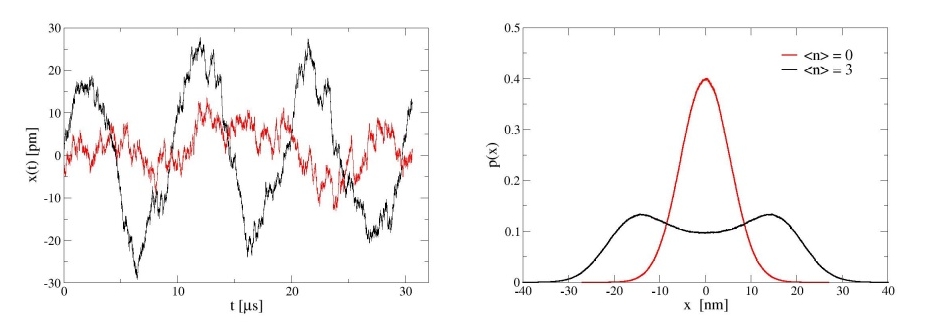
A new perspective on quantum mechanics proposes resolving long-standing paradoxes by explicitly modeling the paths of individual particles.