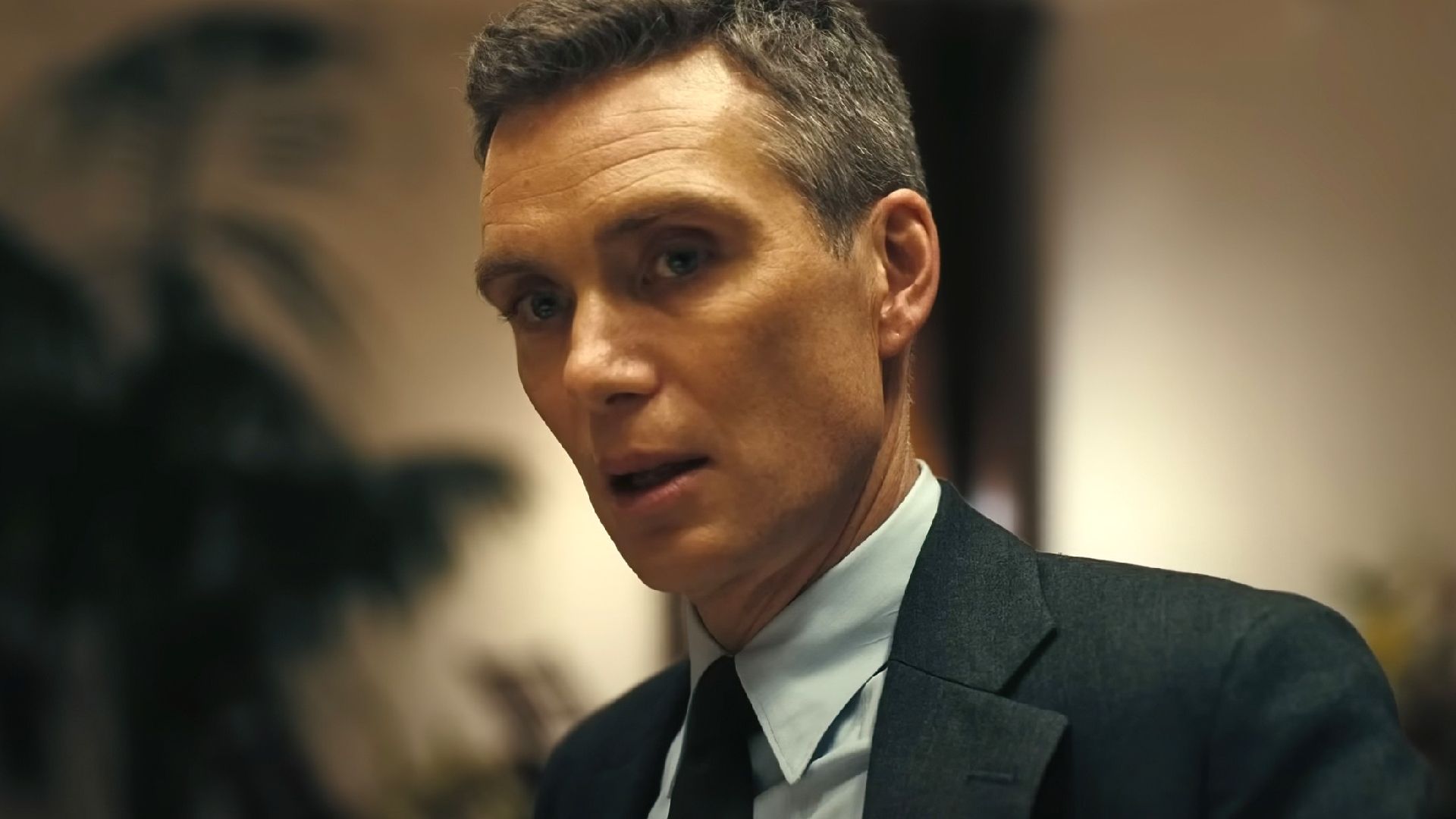
Although still months away, Christopher Nolan’s upcoming film, The Odyssey, promises to recapture the compelling and thought-provoking style of his recent hit, Oppenheimer. The Odyssey is a classic story, deeply embedded in our culture, making any adaptation a significant challenge. Fortunately, Nolan – fresh off winning Best Picture – seems well-equipped to create a grand, cinematic version of this enduring tale.
Even before its release, The Odyssey is sparking debate among fans, with discussions focusing on the actors, costumes, and the specific ancient Greek text Christopher Nolan used as inspiration. Beyond these initial reactions, the story itself is likely to evoke strong feelings. The film retells the epic journey of Odysseus, a Greek king, as he struggles to return home to his wife after a decade-long voyage filled with challenges from both gods and humans.
‘Oppenheimer’ Prompted a Heavy Historical, Moral Debate

Universal
Following the release of the film Oppenheimer, there was a significant increase in conversations about the United States’ decision to use atomic bombs on Hiroshima and Nagasaki during World War II. While the bombings were a terrible tragedy, they also brought the war to an end. This sparked heated debates: some argued that using such a devastating weapon was wrong, while others believed it ultimately saved lives by preventing a longer war. This article isn’t focused on resolving that debate, but it’s clear that the film’s success brought the discussion to the forefront.
Movies should get people talking, and it’s a good thing when a film inspires thoughtful discussion and encourages us to examine the past. Reflecting on history is important, and if a big-budget film like one by Christopher Nolan can help us do that, that’s fantastic. To me, that’s the power of cinema. Movies shouldn’t provide easy answers; they should raise important questions, and Oppenheimer did just that. The film presented J. Robert Oppenheimer as a complex person and explored his role in a world-changing invention, but it didn’t tell viewers what to think. Instead, Christopher Nolan challenged us to consider the story and form our own opinions.
‘The Odyssey’s Revisionist Narrative Debate, Explained
Universal Pictures
It’s important to remember that The Odyssey is a work of fiction, even though it’s inspired by history. Unlike Nolan’s Oppenheimer, which is a biographical drama, his upcoming film is more of a historical fantasy and won’t likely carry the same emotional weight as a story about World War II and the creation of the atomic bomb. However, The Odyssey still offers plenty of room for discussion and can raise interesting moral questions.
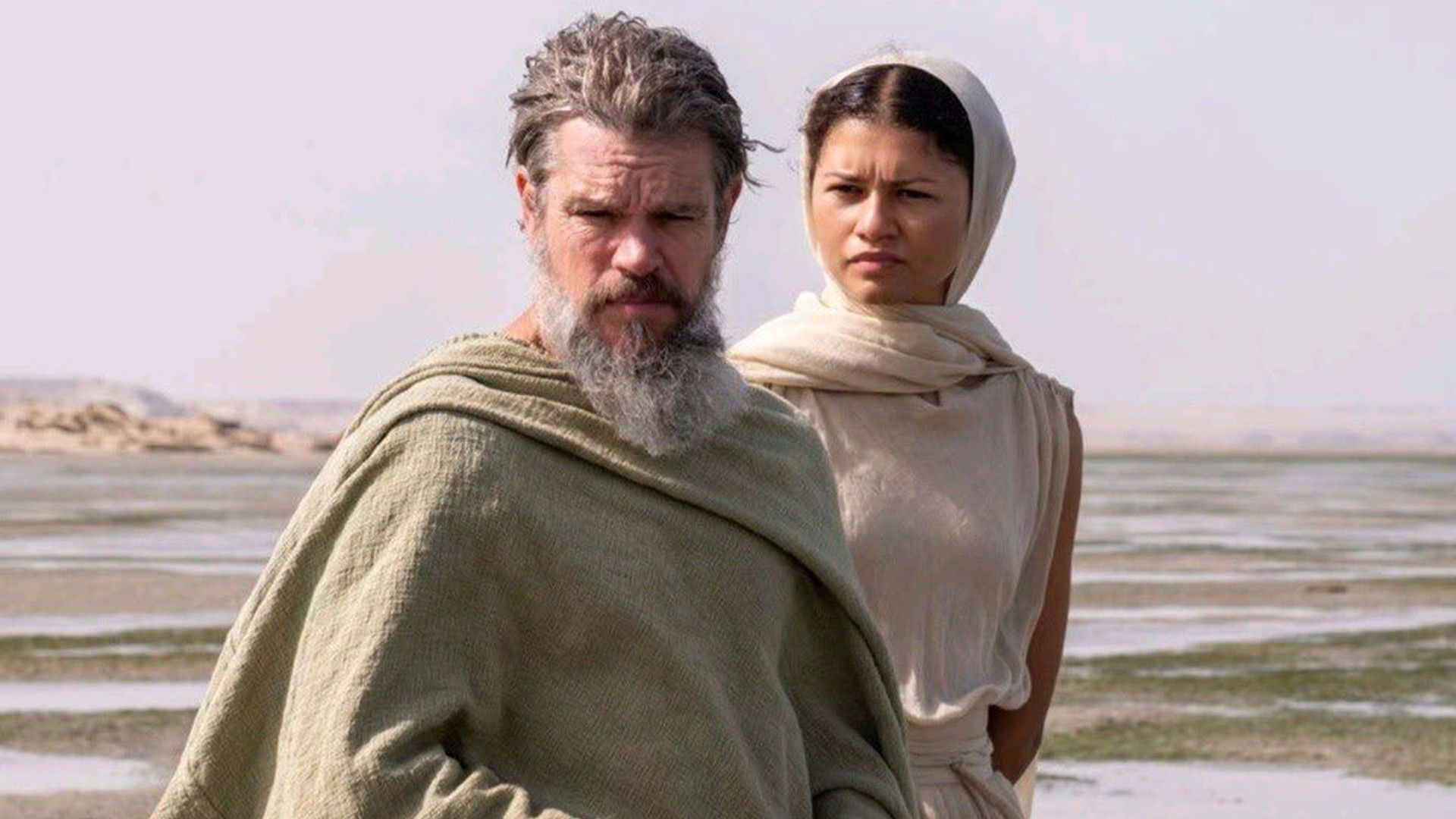
Christopher Nolan’s upcoming film, based on The Odyssey, is expected to be heavily influenced by Emily Wilson’s recent translation of the epic poem. Because ancient Greek texts require translation for modern readers, each version inevitably reflects the translator’s own perspective. Wilson was the first woman to translate The Odyssey, and her version offers a fresh take that has sparked debate, sometimes being labeled as a progressive or revisionist interpretation.
As a huge film fan, I’ve been thinking about how Christopher Nolan might tackle The Odyssey, and it struck me that his Odysseus probably won’t be your typical hero. Ancient Greek heroes were celebrated for what they did, not necessarily for how they did it, you know? Unlike modern superheroes, they weren’t necessarily ‘good’ people. And even with Emily Wilson’s recent translation – which everyone’s been talking about – Odysseus comes across as incredibly complex. He’s not some shining knight; he’s a soldier facing truly impossible choices on a brutal journey, and he just has to make them, whatever the cost.
Matt Damon’s take on Odysseus will probably be a complex character study, much like Nolan’s Oppenheimer. He’ll be a significant figure, but one who makes difficult and potentially unsympathetic choices. The story won’t shy away from Odysseus’s flaws – his infidelity, violence, and even abandoning his men – aspects that have always been part of the myth. However, the way these traits are presented now might be different, and will likely spark debate. Unlike a straightforward hero like Russell Crowe’s Maximus in Gladiator, who is both strong and selfless, this Odysseus will be far more morally ambiguous.
‘The Odyssey’s Scylla and Charybdis, Explained
Scylla and Charybdis are famous monsters from Homer’s Odyssey, often used to represent a difficult choice between two dangers—the lesser of two evils. Odysseus faces the terrible decision of sailing near Scylla, a six-headed monster, or Charybdis, a deadly whirlpool. Either way, he would lose crew members—a few to Scylla, or the entire ship to Charybdis. To navigate this crisis, Odysseus secretly tells his men only about the danger of Charybdis, allowing Scylla to snatch up several of them, a sacrifice he believes is necessary to save most of his crew.
Odysseus’s choice makes sense if you look at it from a leadership perspective focused on the greater good, but it still presents a classic ethical dilemma: is it ever justifiable to lie or let some people suffer to save others? This same difficult question lies at the heart of films like Oppenheimer, Interstellar, and Dunkirk, and it’s a theme that runs throughout Christopher Nolan’s work. The story of The Odyssey continues to bring up these important conversations.
Read More
- The Super Mario Galaxy Movie: 50 Easter Eggs, References & Major Cameos Explained
- Surprise Isekai Anime Confirms Season 2 With New Crunchyroll Streaming Release
- 10 Best Free Games on Steam in 2026, Ranked
- Preview: Sword Art Online Returns to PS5 as a Darker Open World Action RPG This Summer
- Skate 4 – Manny Go Round Goals Guide | All of the Above Sequence
- Forza Horizon 6 ‘Prologue’ gameplay
- Joel Kinnaman Claims ‘Peacemaker’ Was His Last Time as Rick Flag Jr. in the DCU
- What happened to Soldier Boy in The Boys?
- WTH?! Twitter Drops Fake Daredevil: Born Again Season 2 Spoilers as Character Return Confirmed
- Highly Anticipated Strategy RPG Finally Sets Release Date (And It’s Soon)
2025-12-08 02:03