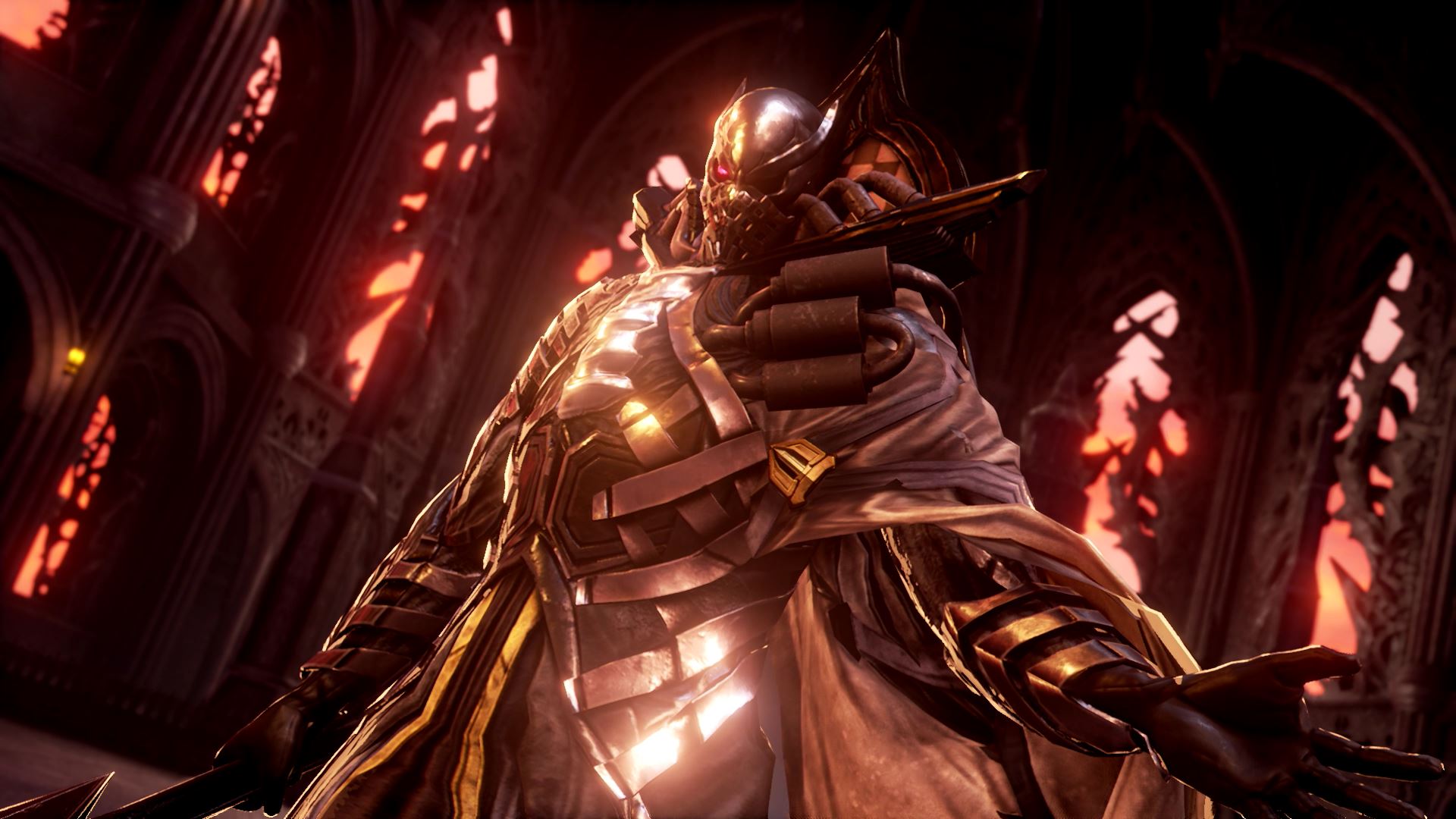
When Code Vein was released, many called it the first “anime Souls” game, and that wasn’t far off the mark. Most games in that style featured quiet characters, minimal dialogue, and deliberately confusing stories. Code Vein broke that mold, offering a more emotional and vibrant experience with a story told through cutscenes and classic JRPG conversations. While some players found this a departure from the norm, others appreciated the change of pace.
What sets Code Vein apart is that it didn’t simply apply an anime style to the established Soulslike formula, as seen in 2025’s AI Limit. Instead, it fundamentally reimagined core genre concepts through a strong narrative focus. The game prioritizes relationships with companions, offers a highly customizable character build system, and integrates story elements directly into gameplay, allowing players to connect with both the characters and the world through dialogue and cutscenes, not just through item descriptions. With a sequel, Code Vein II, on the horizon and other anime-inspired Soulslike games emerging, it’s worth revisiting what made the original Code Vein so unique. While AI Limit was a personal favorite of mine in 2025 (ranking at number 10), it adhered more closely to traditional Soulslike conventions. Code Vein* remains a standout title in the genre, and it’s worth examining what made it special when it first released.
As a fan, I was immediately blown away by the character creation in Code Vein. It does a lot to stand out from other Souls-like games, but the character creator isn’t one of those things – it’s amazing. Seriously, when I first started the game, I was shocked by how detailed it was. You can tweak every little part of your character’s face with tons of sliders, and there are so many clothes and accessories to choose from. What really makes it special, though, is being able to put those accessories anywhere on your character! The whole interface is really well done too, with great lighting and camera controls to help you get the perfect look. But this incredible customization isn’t just about how your character looks – it’s a hint of how much freedom the game gives you with building your character and their abilities, which is fantastic.
You might wonder why the detailed character creation is worth noting, but Code Vein is rare among games of its type for including a photo mode – and it’s a really good one. It actually has more features than the editing software that came with my old Sony camera! There are tons of fun filters to experiment with, including a pixelated one that makes screenshots look like they’re from a Super Nintendo game. You can also adjust things like tilt, depth of field, and exposure, and choose from 37 different frames. Plus, at the time, Code Vein was the only soulslike game that let you pause during fights – by using photo mode, of course.
Code Vein offers incredible character customization that extends to how you play. You learn skills and abilities through ‘Blood Codes,’ which are essentially pre-made character classes. The neat part is, once you master an ability, you can combine skills from different Blood Codes. If you prefer, you can simply pick a Blood Code and play with its default setup – there are over 35 to collect! What makes it even more interesting is that each character you meet in the game has their own unique Blood Code, allowing you to play with the style of your allies, enemies, and even bosses.
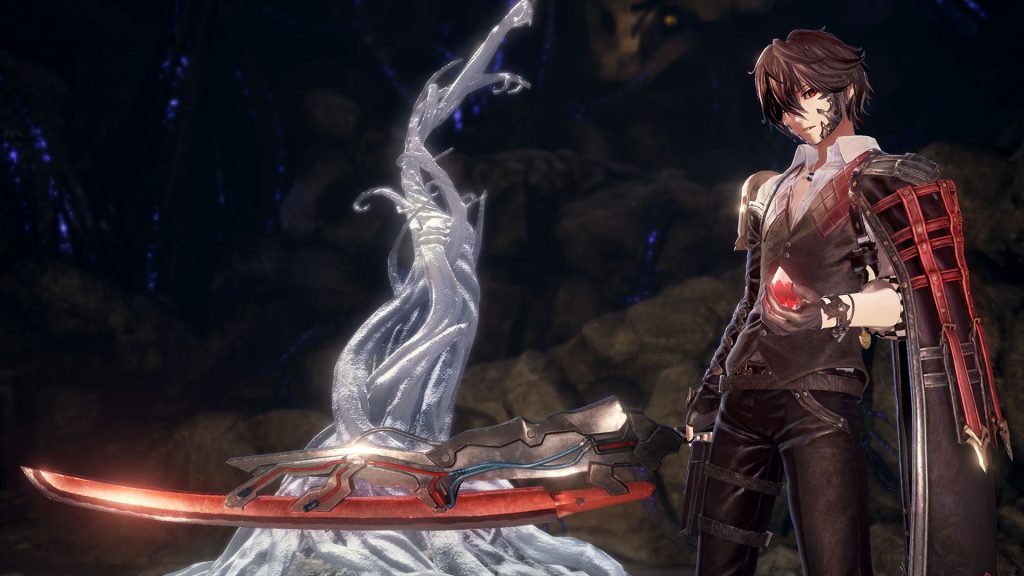
One of the best parts of Code Vein is how its gameplay and story are connected. For example, you often receive new abilities, called Blood Codes, as you build relationships with other characters – it really emphasizes that your strength comes from those connections. As a unique Revenant, you can essentially learn abilities by ‘absorbing’ the Blood Codes of others. Blood is central to the entire game; your armor, called a Blood Veil, even uses vampire-like fangs to drain energy. And all the Revenants in the game have a parasite in their heart that allows them to revive after death, and also determines what Blood Code they specialize in.
The game has a surprisingly deep and detailed story. You’ll uncover a lot through the main quest, but there are also many side stories and character backgrounds to discover. What sets Code Vein apart from most similar games is its large cast of playable characters, who gather at a central hub that grows as you progress. These companions gain new dialogue as the story unfolds, letting you play like a traditional party-based RPG or challenge yourself by going solo. Each character has a remarkably detailed backstory revealed through collectible memory sequences. These sequences fit well within the game’s established world and lore, and there are over 100 of them to find! While the slow walking speed can get repetitive, especially on repeat playthroughs, the memory sequences themselves are visually impressive.
The presentation in Code Vein is closely linked to its music and artistic style. Memories are shown with beautiful, emotional piano music and striking black-and-white scenes featuring figures and animations that look like claymation. This storytelling technique is truly unique for the genre. These memory sequences are a powerful way to understand the villains’ pasts before they became corrupted, making them more relatable. The excellent voice acting and music further enhance the experience. Unlike many similar games that rely on environmental storytelling, Code Vein uses cutscenes to tell its story, with dramatic visuals and emotional character moments. While this anime-inspired approach might not appeal to everyone, Code Vein really delivered a fantastic experience.
What truly makes Code Vein special isn’t any one feature, but how everything works together seamlessly. People often praise the enjoyable combat and striking anime style, but the way the gameplay and story connect is what really sets it apart. While fun gameplay and good art are important, they aren’t enough to make a game stand out these days. Code Vein excels because its different parts are carefully designed to support each other and enhance the game’s overall message.
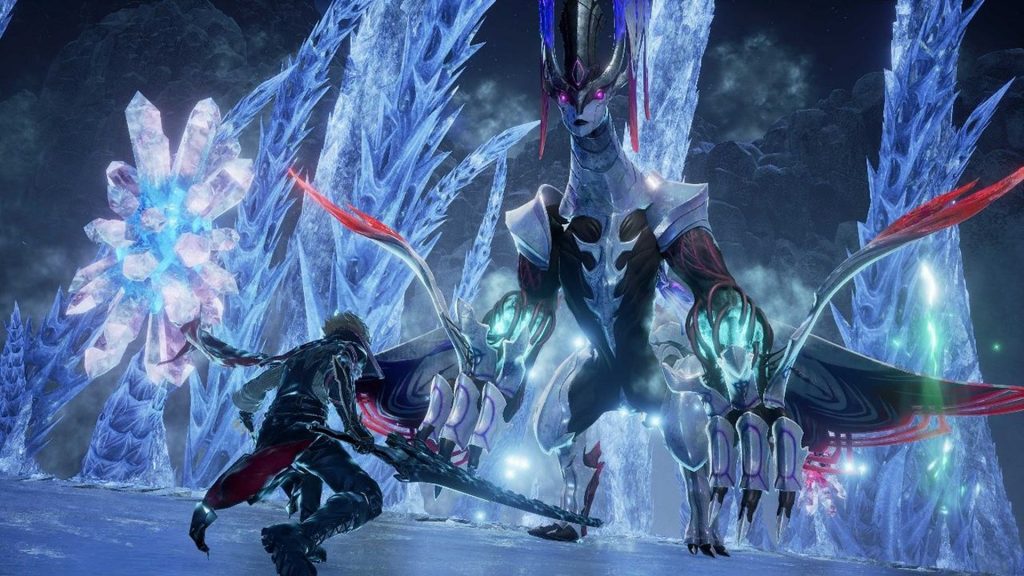
With recent Soulslike games trying out new styles – like anime visuals, detailed stories, and companions – it’s becoming clear how innovative Code Vein really was. While not everything it tried worked perfectly, and its dramatic style isn’t for everyone, it was a very ambitious game. Instead of simply copying the Dark Souls and Khazans formula, Code Vein reimagined it, showing that the genre could embrace melodrama, strong emotions, and be more accessible to players.
Looking ahead to Code Vein II, it’ll be fascinating to see how the developers build on what made the first game successful. Beyond just improving the graphics or making it more visually impressive, it will be key to see how they further connect the story with the gameplay and continue to emphasize strong characters.
Please be aware that the opinions shared in this article are the author’s own and don’t reflect the official stance of GamingBolt.
Read More
- The Super Mario Galaxy Movie: 50 Easter Eggs, References & Major Cameos Explained
- 10 Best Free Games on Steam in 2026, Ranked
- Surprise Isekai Anime Confirms Season 2 With New Crunchyroll Streaming Release
- Sydney Sweeney’s The Housemaid 2 Sets Streaming Release Date
- Preview: Sword Art Online Returns to PS5 as a Darker Open World Action RPG This Summer
- Skate 4 – Manny Go Round Goals Guide | All of the Above Sequence
- Why is Tech Jacket gender-swapped in Invincible season 4 and who voices her?
- Welcome to Demon School! Iruma-kun season 4 release schedule: When are new episodes on Crunchyroll?
- The Super Mario Galaxy Movie Is An Amusing Sequel (And an Improvement) [Review]
- All 13 Smash Bros. Characters in the Super Mario Galaxy Movie
2026-01-14 16:16