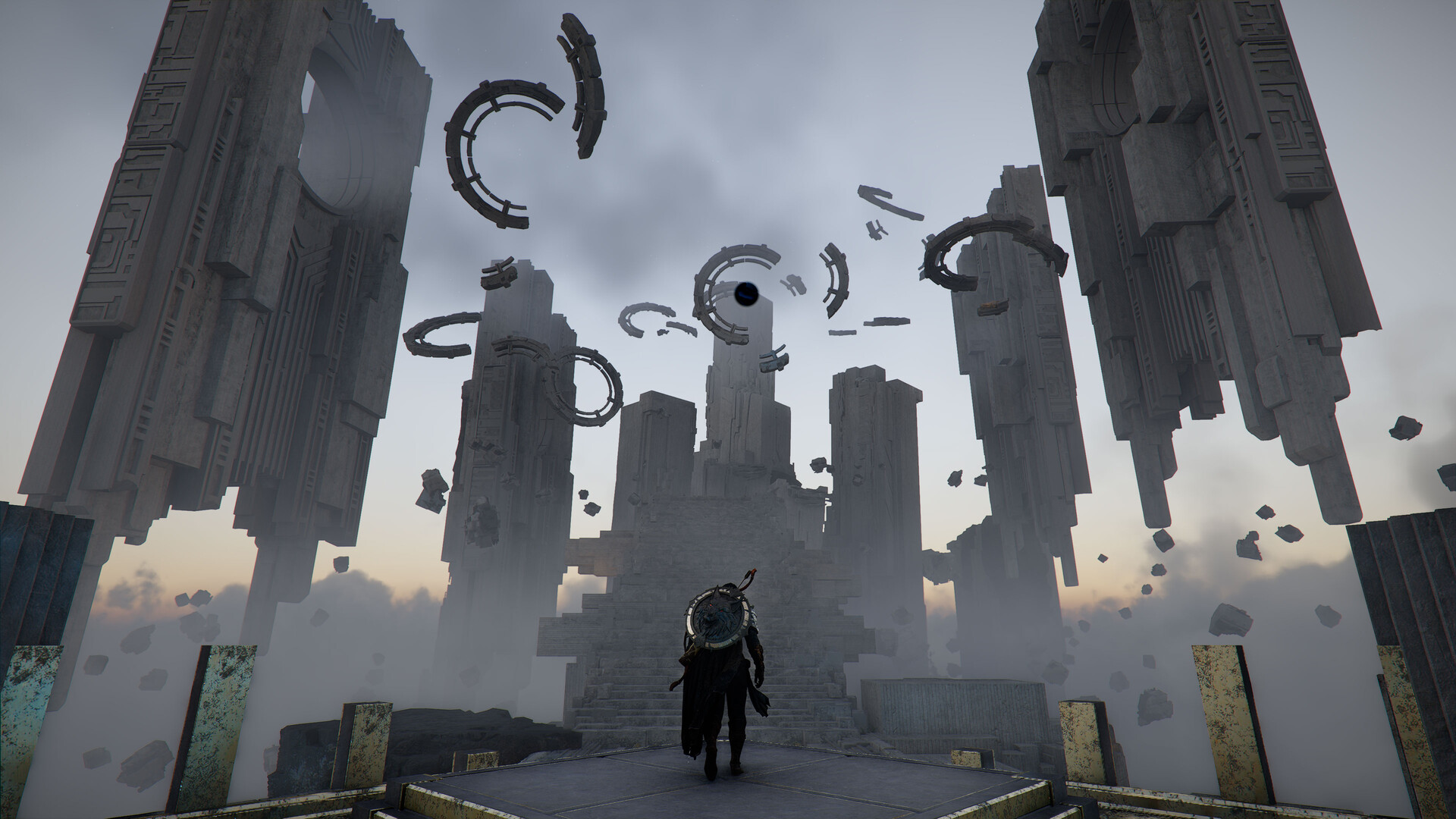
I really appreciate open-world games that let you explore and get lost in the world, rather than just focusing on completing a long list of tasks. When I think of games that have stuck with me, Skyrim immediately comes to mind. I constantly talk about how good it feels to play, and even its flaws are part of what I love about it. It’s one of those special games where imperfections add to its charm, becoming as memorable as the world itself – a place you can easily spend hours exploring before even remembering what you set out to do.
I’ve found a new game, Crimson Desert, that’s just as captivating as the ones I used to obsess over. Even with its flaws and steep learning curve, I was hooked after just one weekend. It’s not perfect, and it has some problems preventing it from being truly exceptional – though ongoing development could change that. But honestly, the issues don’t matter much because the game is incredibly addictive and keeps me wanting to play more.
If I return to Pywel, I’m pretty sure I’ll get sidetracked from my main goal of helping the Greymanes. There will be tons of interesting things pulling me away from what I’m trying to accomplish. That’s what I love about games like Skyrim, and I’m happy this world gives me that same feeling of excitement and discovery whenever I play.
So, can Crimson Desert, which has had a bit of a slow start, really capture the same excitement as a more successful game? That’s a great question, and I’m happy to explain how it tries to do just that!
Worldly Temptations
Both Pywel and Skyrim are remarkably good at distracting you from your main goal. It’s amazing how easily you can get pulled into side activities and lose track of time in these worlds. While Skyrim is full of examples, I’ll just share a few of my most memorable experiences.
Man, Blackreach… that place blew my mind. I started a simple quest and ended up stumbling into this massive underground world that felt like a whole new game. Seriously, it’s huge! And it’s not just the size, either. That moment when you hit the orb near the debate hall? Easily one of the coolest things I’ve experienced in over twenty-five years of gaming. When I first met Vulthuryol, I was so stunned I actually had to pause the game just to collect myself before fighting him! Blackreach really captures that feeling of awe and discovery that makes Skyrim, and open-world games in general, so amazing.
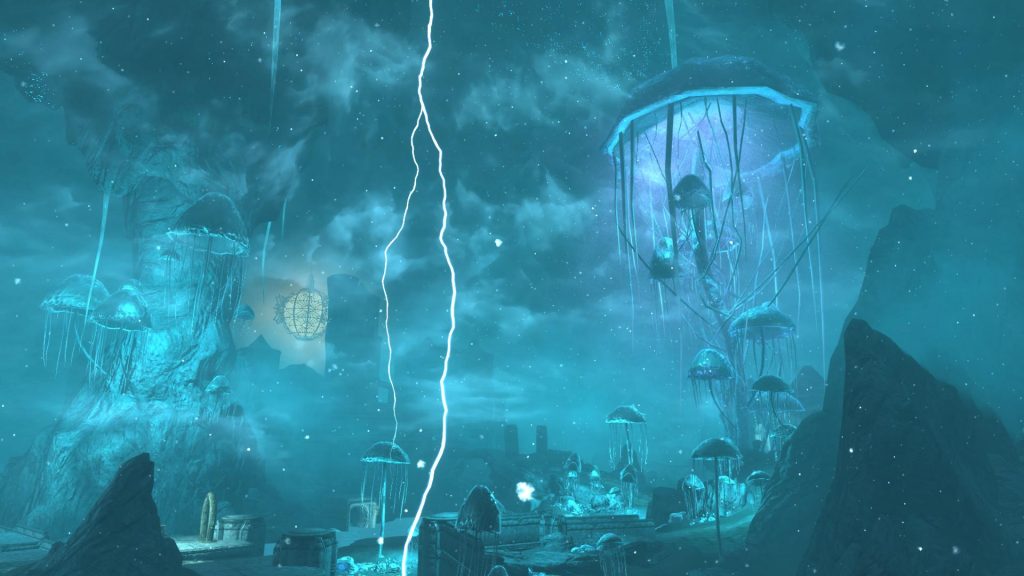
I have to tell you about the Frostflow Lighthouse. At first, it just looked like a neat place on the coast, but it quickly turned into a whole thing! I ended up trying to figure out what happened to Ramati and Habd, a couple who disappeared after getting interested in it. That led me down into the Frostflow Abyss, and honestly, I spent way too long fighting Falmers and Chaurus down there. I completely lost track of what I was originally supposed to be doing – the lighthouse was just meant to be a quick stop, but it turned into a huge distraction!
Crimson Desert, like Assassin’s Creed, excels at turning short tasks into long, immersive experiences. You get so caught up in exploring that you might even forget about your base! The bell towers are a perfect example. They subtly hint at what’s around without giving everything away, encouraging you to discover new things and create unique stories. You can find these towers throughout the game’s main areas, and finding them all unlocks a lot of exciting possibilities.
When I first started playing Arboria Castle, I assumed it would be a typical castle-building game. But after about an hour and a half, I found myself completely absorbed in a complex, multi-layered puzzle. I hadn’t figured out all the details of the game’s systems – like the cultivation rooms and conveyor belts – and that was fine. I had plenty of time to unravel it all later.
The game is full of hidden areas and secrets, each one offering hours of exploration and challenges. I remember stumbling upon a puzzle by simply interacting with a cave painting, which then sent me on a quest to three different locations – I ended up staying up late trying to solve it! There are also surprising discoveries to be made, like finding hidden rewards behind a waterfall simply by trying something unexpected. It’s incredibly rewarding to uncover these secrets and earn cool items.
Both Skyrim and Pywel encourage exploration, often leading you on detours so captivating you can lose sight of your original goal. Crimson Desert shares this quality, creating a similar sense of adventure and discovery.
Engaging Eccentricities
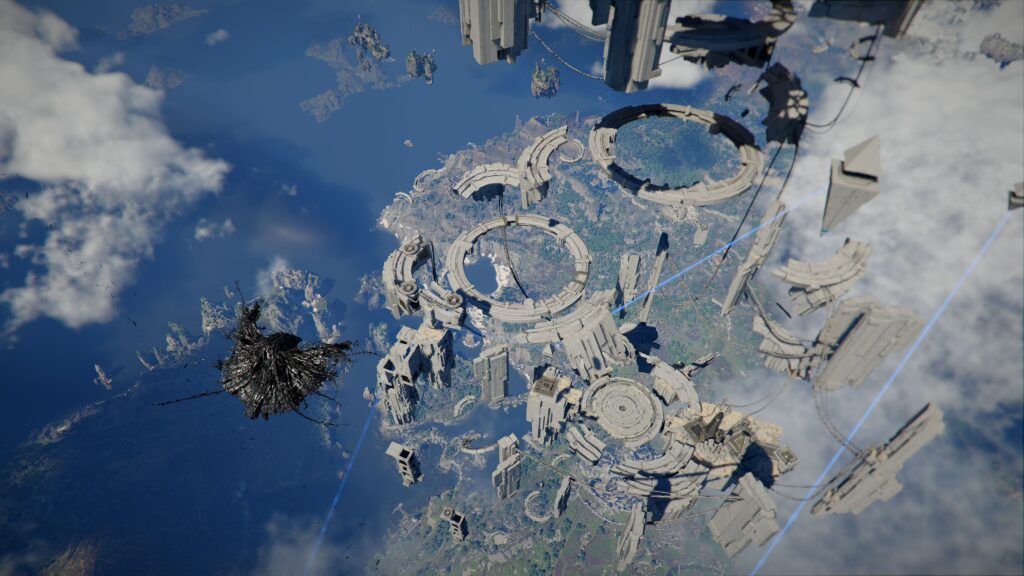
It’s easy to point out flaws in Crimson Desert, and every game has them – even Skyrim. Remember being able to run straight up mountains or watching your horse gallop up impossible slopes? Those things weren’t realistic, and definitely broke immersion sometimes. But they also added to the fun and were part of what made Skyrim so charming.
I’ll always remember a funny trick in Frostflow: you could easily level up your Sneak skill by locking enemies behind a cellar door and letting them get frustrated. It’s strange the Chaurus didn’t just break down the door to get to the player! But it seems unfair to focus so much on the problems with Crimson Desert when Frostflow had its own unique, and sometimes odd, quirks as well.
While Crimson Desert had some issues, they directly impacted how enjoyable the game was. It was frustrating when the character would jump instead of performing a simple action, like using a cooking pot to make healing items. The developers quickly tried to improve the controls, and this shows they knew these problems were hindering players from having fun in the game’s large fantasy world.
Honestly, the inventory was a real pain at first. It felt like it was always full! Luckily, the devs were super quick to fix it, which was awesome. I’d already figured out some workarounds, but I can totally see how frustrating it would be for someone who just wants to grab everything they see and save it all for later – you know, the completionists who want to collect every single item before finishing the game or seeing what happens with Pywel. It’s good they addressed it!
Despite its problems, Crimson Desert has gained a dedicated fanbase who support it fiercely, much like the loyalty between characters in the game. Players embraced the game’s flaws, finding creative ways to overcome challenges beyond simply improving their skills. This led to a strong online community focused on maximizing enjoyment and sharing knowledge about Pywel. Even the frustrating puzzles, often criticized, became a beloved part of the experience, and players didn’t mind the difficulty at all.
It’s unusual for seemingly illogical or confusing game elements to actually unite players, but both Skyrim and Crimson Desert have done just that. These games are so immersive that players happily accept their quirks and challenges, even when those games seem determined to be difficult. It also makes you wonder why they’re so captivating and keep players coming back for more.
It’s All In The Scene
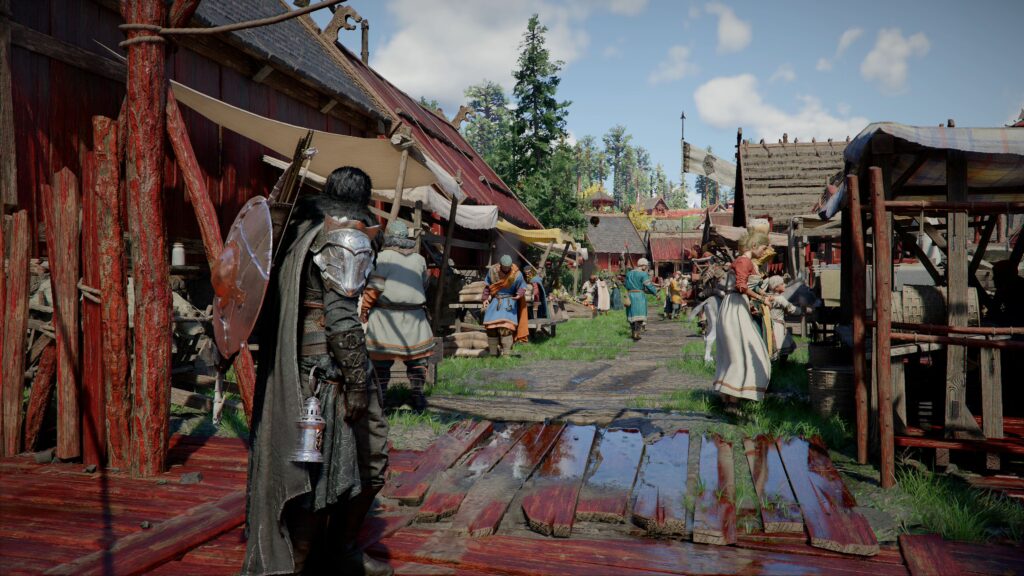
I especially loved the background music in Skyrim. Just thinking about it makes me want to listen to the soundtrack, and I actually am while writing this! Songs like Far Horizons and Frostfall instantly bring back great memories of playing the game, and they’re beautiful pieces of music on their own. Each track perfectly fit the scene, whether it was a sad journey through a harsh world where you had to fight for peace, or simply riding your horse along a moonlit road, wondering what adventures tomorrow would bring.
The music in Skyrim perfectly captured the game’s stunning and otherworldly beauty. It created a fitting atmosphere for a fantasy world that appeared peaceful on the surface, even though players would soon discover hidden conflicts and chaos. It’s no surprise the soundtrack was praised by both critics and fans.
Okay, so the music in Crimson Desert isn’t quite as amazing as some other games, but it really does a good job of creating the atmosphere they’re going for. I’ve seen critics call the soundtrack seriously impressive, especially the voice acting. They really nailed the mysterious feel of discovering the Abyss with the music they used! It’s kind of wild – even though the game has its problems, people were still raving about the sound design and even the little ambient noises. It just shows how much good audio can elevate an experience, even if things aren’t perfect. I did notice some jarring shifts in the music when you started doing everyday things like cooking or shopping, but honestly, the overall sound was so good it almost made up for it!
The music in Crimson Desert might not be as iconic as Skyrim’s soundtrack, but it’s a major reason I – and many other open-world gamers – enjoy the game so much. I’m perfectly content to simply listen to the music and let it immerse me in the game’s world, and both games do that exceptionally well.
Different Worlds, Similar Emotions
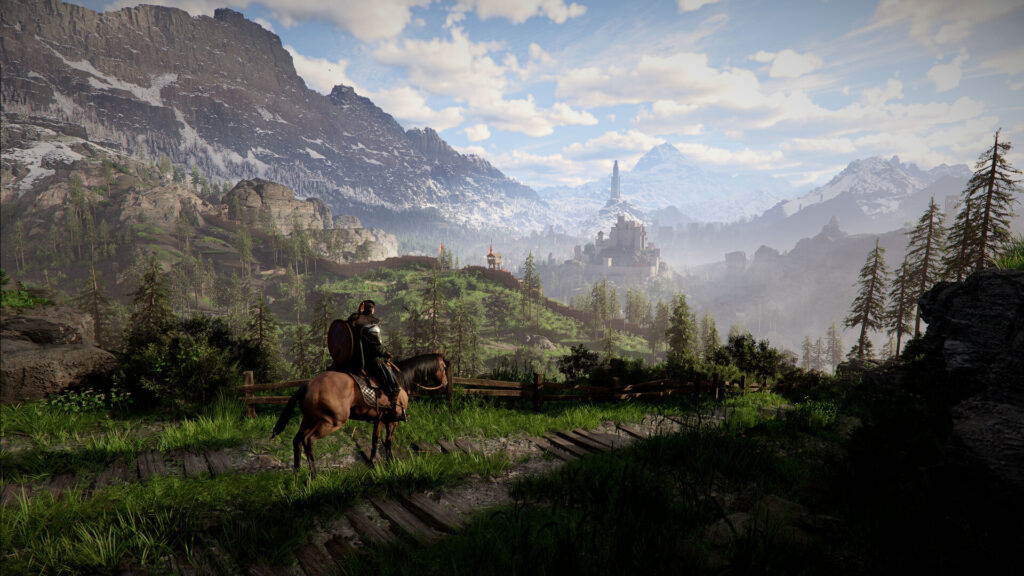
It’s natural to draw comparisons between Crimson Desert and Skyrim because both games genuinely feel like expansive, open worlds. They stand out in a sea of similar games by asking players to be patient and really invest time and effort – and they reward those who do.
Games like Skyrim and Pywel are incredibly immersive, captivating players for hundreds of hours and keeping them engaged long after other games have lost their appeal. I anticipate spending a significant amount of my free time in Pywel, potentially for years to come. Crimson Desert has achieved this same level of engagement by cleverly drawing inspiration from one of the best games in the genre.
Please be aware that the opinions shared in this article belong solely to the author and don’t reflect the official stance of GamingBolt.
Read More
- Gold Rate Forecast
- Looks Like SEGA Is Reheating PS5, PS4 Fan Favourite Sonic Frontiers in Definitive Edition
- Dune 3 Gets the Huge Update Fans Have Been Waiting For
- Pluribus Star Rhea Seehorn Weighs In On That First Kiss
- Kelly Osbourne Slams “Disgusting” Comments on Her Appearance
- Arknights: Endfield – Everything You Need to Know Before You Jump In
- Action Comics #1096 is Fun Jumping-On Point for Superman Fans (Review)
- Antiferromagnetic Oscillators: Unlocking Stable Spin Dynamics
- 10 Steamiest Erotic Thriller Movies of the 21st Century
- Tomodachi Life: Living the Dream ‘Welcome Version’ demo now available
2026-03-29 16:13