Crimson Desert, the game many thought was just a dream, has caused a lot of debate. Surprisingly, the discussion isn’t about how the game plays, its inspirations, or even its change from a multiplayer online game to a single-player experience. Instead, people are arguing about whether it can even be called a role-playing game, or RPG. This has led to a confusing and frustrating exchange between the developers and the gaming community, and I believe we’ve been looking at this the wrong way for a while.
This debate about Crimson Desert isn’t just about whether it’s an RPG or not; it’s about defining what an RPG actually is. For a long time, developers have called anything with a character and an open world an RPG, which has weakened the genre and moved it away from its roots. This discussion has highlighted that both developers and players seem unsure of what truly defines an RPG. It’s time we clearly define the core elements of an RPG and then decide if Crimson Desert fits that definition.
RPGs Aren’t Just Games Where You Play A Character
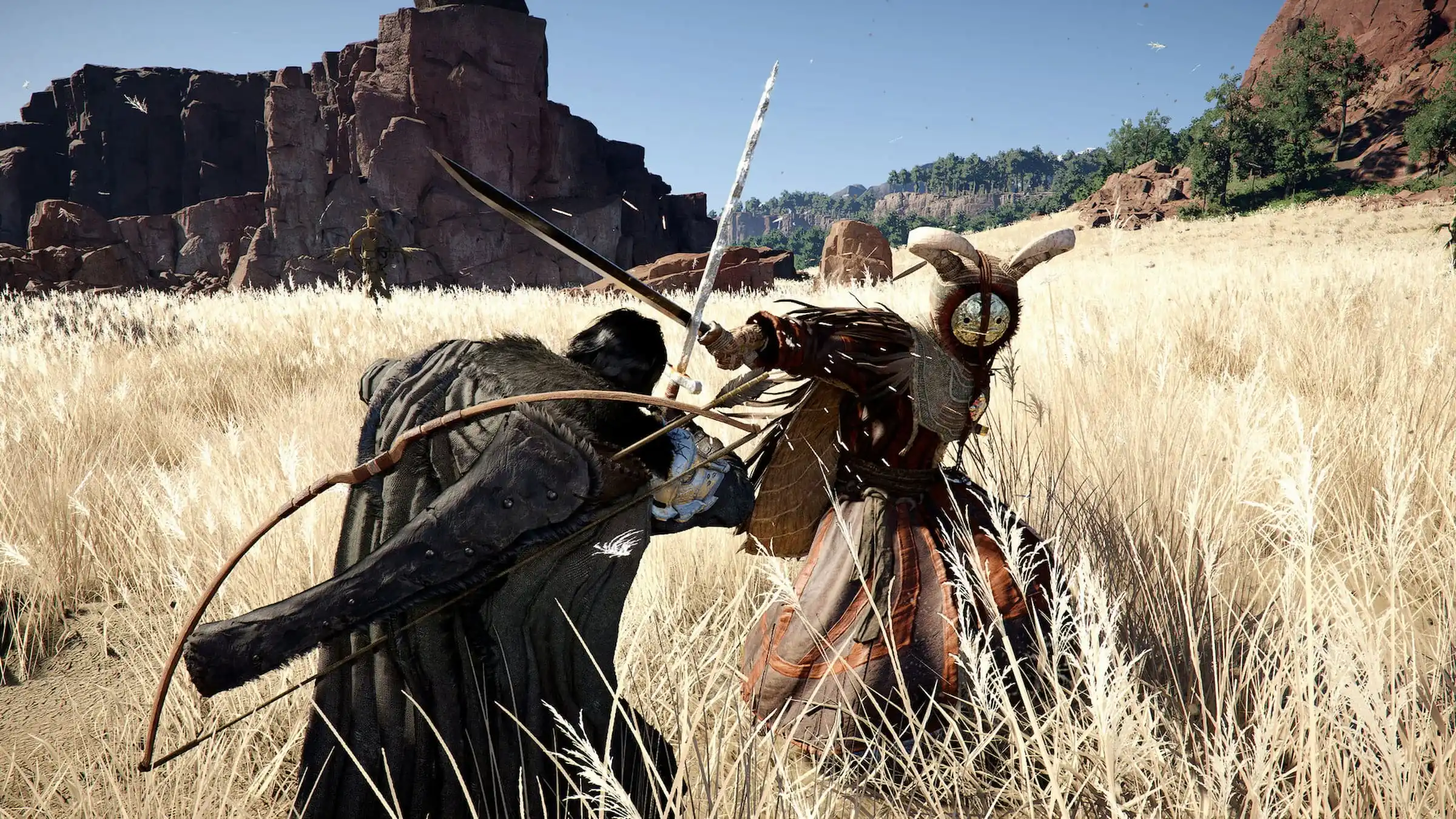
The debate over whether Crimson Desert is an RPG stems from the developer, Pearl Abyss, repeatedly clarifying that it’s actually an open-world action adventure game, not a role-playing game. Despite this consistent messaging, many people – including myself, who previously predicted it would be a top-tier RPG rivaling The Witcher 3 – continue to label it as one. It’s confusing because Crimson Desert clearly draws inspiration from many RPGs, like The Witcher 3. Yet, a lot of players still struggle to understand why the developers don’t consider it an RPG.
A common argument for classifying Crimson Desert as an RPG is simply that you control a character within the game. User SnackBarChezLeon posted on X (formerly Twitter), “If you’re embodying a character in an open world, that is an RPG… just because it lacks traditional leveling doesn’t change that.” This idea – that any game where you play a role, especially open-world games – automatically qualifies as a role-playing game, has been echoed by many others.
They’re not entirely wrong, but if simply playing a character makes a game an RPG, then games like Portal, Mario Kart, Nintendo Switch Sports, Animal Crossing, and Halo would all fall into that category, which is clearly not the case. I’m exaggerating to make a point, but the idea that any game where you control a character is an RPG is absurd. It’s easy to see why people get confused, though, because many games are incorrectly labeled as RPGs.
RPG Goes Far Beyond Stats And Levels

As a huge RPG fan, it’s always been tough to define exactly what makes a game an RPG. So, we’ve started looking at it based on how the game plays rather than just how it feels. To me, a true RPG needs things like leveling up your character, stats that actually matter in fights and while exploring, and choices that let you shape the story. A lot of people also add things like side quests or a big, open world, but those feel like they could fit into a lot of different game types. I think those core mechanics – leveling, stats, and choices – are what really make an RPG, well, an RPG!
While many excellent RPGs fit a certain technical definition – having elements like character stats and branching stories – that’s not the whole picture. There’s a lot of variety within the RPG genre itself, and focusing solely on those mechanics misses what makes RPGs special. Some games might check all the boxes but still feel empty, while others truly capture the feeling of freedom and player choice that originated with tabletop RPGs like Dungeons & Dragons. It’s not just about what a game does, but how it makes you feel.
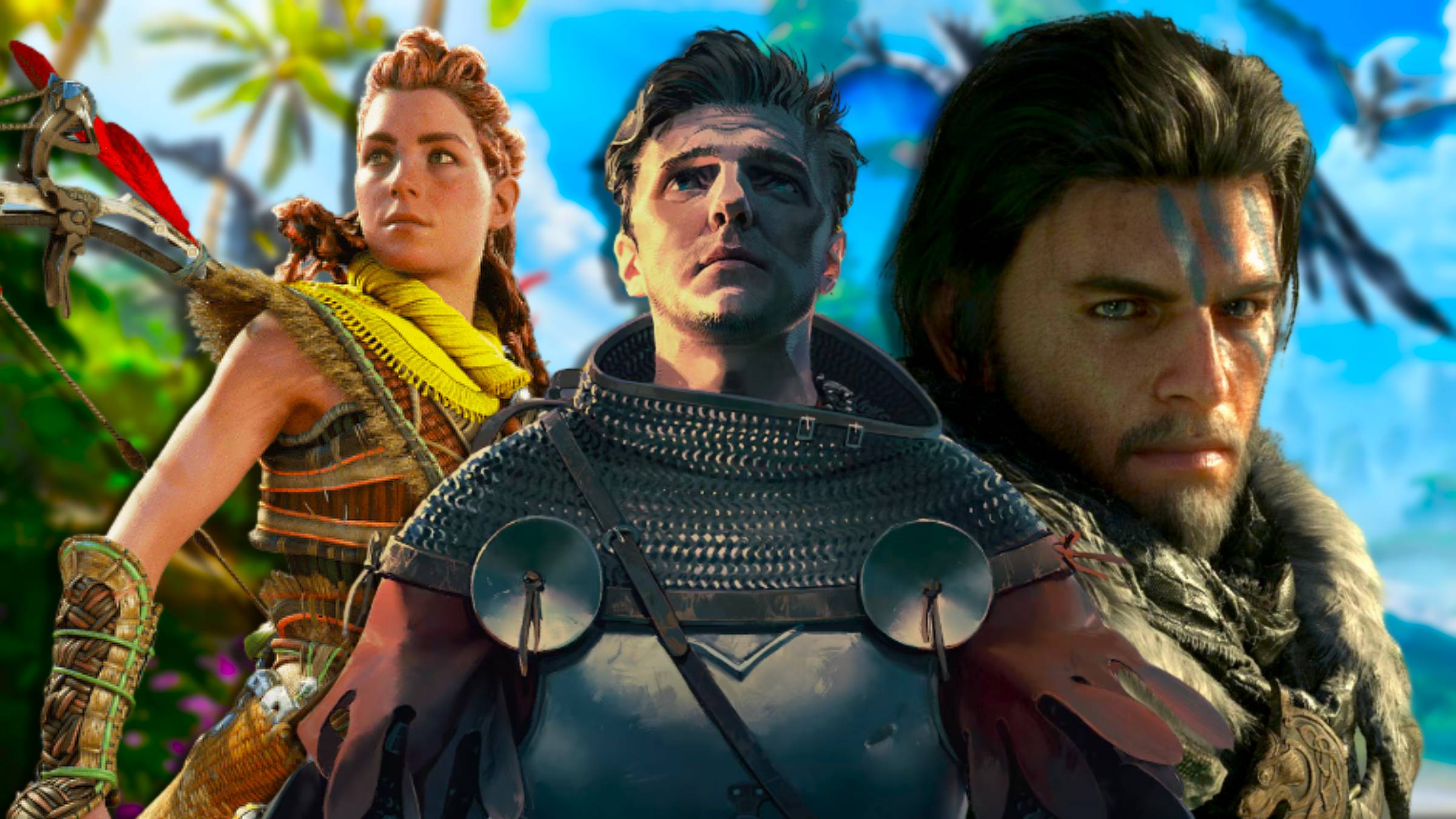
Look at Horizon Zero Dawn, for instance. Everyone calls it an ARPG – you’ve got levels, a skill tree, gear you can upgrade, choices in conversations, a huge open world, and you play a character with a set backstory. But honestly, while it technically ticks the boxes for being an RPG, it feels more like a really awesome, story-driven action game pretending to be one. The skill tree and leveling just don’t feel that important to the overall experience. It doesn’t give you the same freedom you get in bigger RPGs like Baldur’s Gate 3 or Kingdom Come: Deliverance. I see the same thing happening with the newer Assassin’s Creed games. They throw in RPG elements to jump on the buzzword and sell more copies, but it feels pretty shallow – like they’re just checking boxes rather than truly embracing the genre.
At its heart, a role-playing game (RPG) is about truly becoming the character, not just pretending to be them. It’s not enough to select from a few pre-written dialogue choices or plan a character’s skills beforehand. In games like Horizon Zero Dawn and Assassin’s Creed, characters like Aloy, Eivor, Bayek, Kassandra, and Naoe often have their core traits and abilities set before the game begins—players simply unlock them along the way, creating the illusion of choice. These mechanics only work if players are genuinely free to shape the character’s story, how they play, and the decisions they make.
Crimson Desert Is Not An RPG
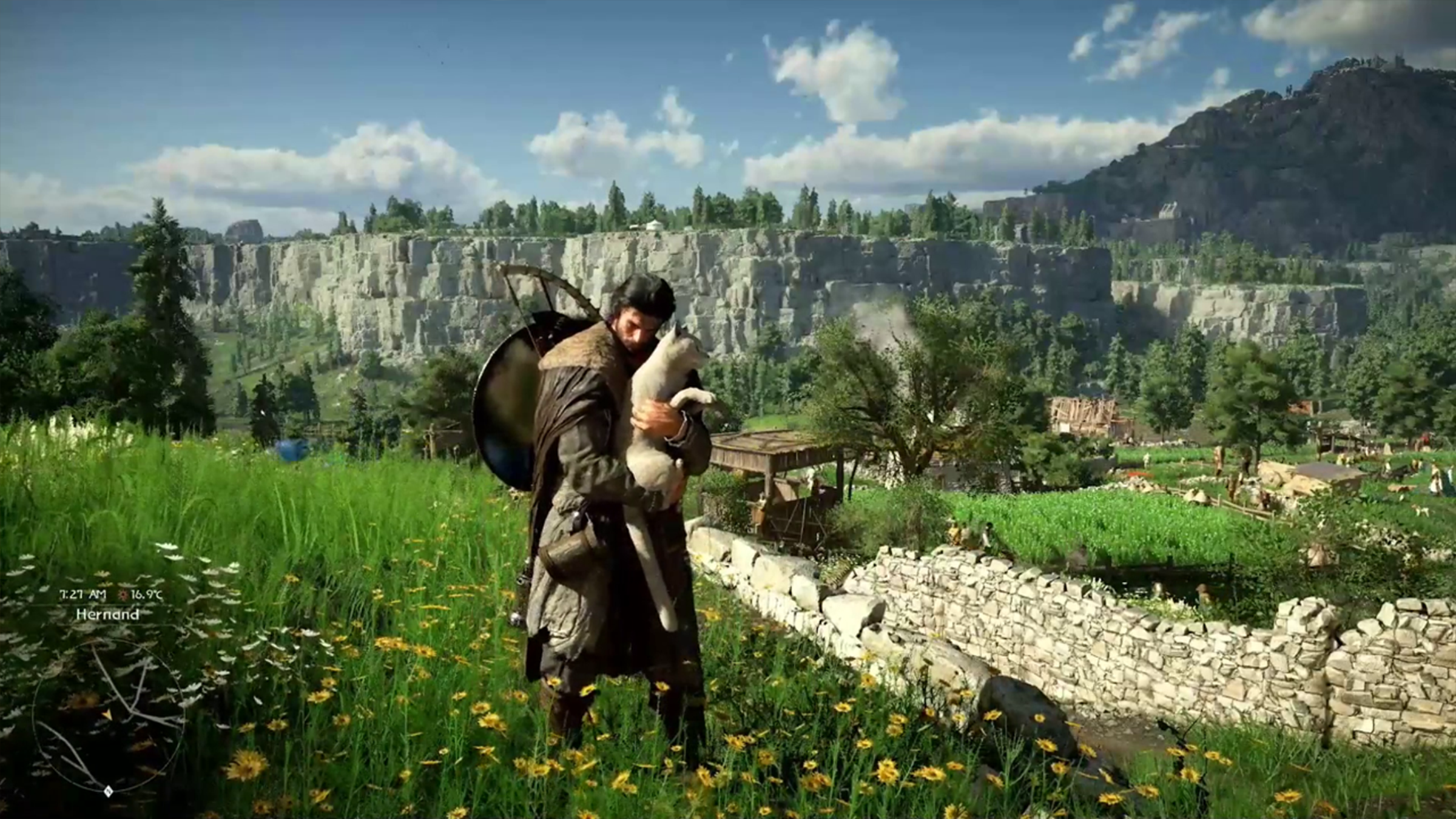
If we look at Crimson Desert and evaluate it based on what typically defines an RPG, it doesn’t really fit the criteria. The developers themselves don’t consider it an RPG, and it doesn’t follow the standard RPG formula. Most importantly, it lacks key features like leveling up and earning skill points. While you can gain new abilities, they’re discovered through exploring the world, not through player choices or progression. Your character, Kliff, gets stronger as you improve as a player – by finding better gear and unique abilities. Ultimately, Crimson Desert is much more of an action-adventure game, where player skill and exploration are central, rather than relying on traditional leveling systems.
If we consider Crimson Desert as a true role-playing game – one that gives players complete freedom and lets them create their own story – it falls short. The game focuses on telling a specific story about Kliff, his allies, and the Greymanes, rather than letting you shape the narrative. In my opinion, this lack of player agency, along with missing elements common in RPGs, is why Pearl Abyss avoided labeling it as such. They likely didn’t want it to be compared to leading RPGs like Baldur’s Gate 3 and Kingdom Come: Deliverance 2, which fully embrace the genre’s core principles.
I get why people might call it an RPG – it definitely takes inspiration from those games and uses some familiar elements. But I don’t think Crimson Desert needs to fit neatly into that genre to be great. It still looks like it will be one of the best open-world fantasy games ever made, and that’s a type of game we really need more of. The RPG elements it does include will actually make it even better.
Ultimately, I think this game offers something for everyone. Those who prefer traditional role-playing games won’t be disappointed, and fans of action-adventure will also find plenty to enjoy. Instead of debating whether Crimson Desert fits neatly into one genre, we should appreciate the fact that such an ambitious game was made.
Is Crimson Desert an RPG? Share your thoughts and join the discussion in the ComicBook Forum!
https://comicbook.com/gaming/list/4-best-open-world-games-that-arent-made-by-rockstar/embed/#
Read More
- What Song Is In The New Supergirl Trailer (& What It Means For The DC Movie)
- Why is Tech Jacket gender-swapped in Invincible season 4 and who voices her?
- Highly Anticipated Strategy RPG Finally Sets Release Date (And It’s Soon)
- TV legend Carol Kirkwood reveals the reasons why she decided to retire after 28 years with BBC
- Unforgotten legend Nicola Walker stars in first look at all-new “outrageously witty” comedy drama series
- Grab These Resident Evil PSN Avatars for Free This Month
- Gold’s March Madness: Plumbing, Panic, and Polish Central Banks
- Whales, Channels, and the Inevitable Dance of Folly
- The War Film Harrison Ford Completely Disowned Finally Returns to Streaming – “A Terrible Experience”
- Steam Giving Away Two PC Games for Free for Next 72 Hours
2026-02-23 22:14