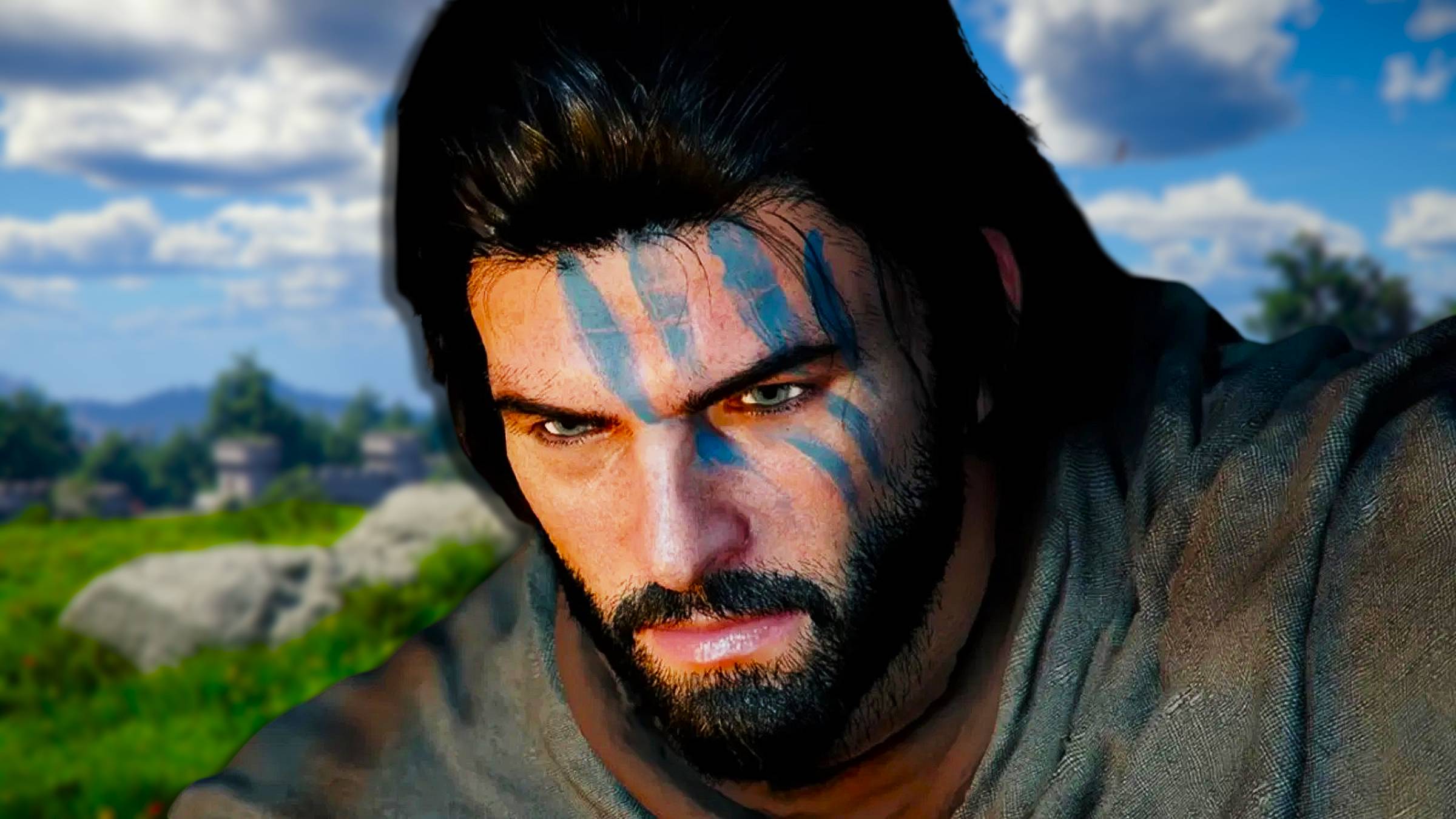
Crimson Desert is currently a very divisive game – people seem to either love it or strongly dislike it, with no in-between. While online opinions are often extreme, the strong reactions to this game actually reveal what’s most important to gamers today.
The issues with Crimson Desert have highlighted something I hadn’t fully considered about the gaming industry. Seeing how strongly players reacted has made me rethink the current and future generations of consoles. While I don’t agree with the harsh and entitled behavior some have shown towards the game and its creators, I think some of the criticisms deserve a thoughtful and respectful discussion.
Crimson Desert Has Revealed The Importance Between Console & PC Parity
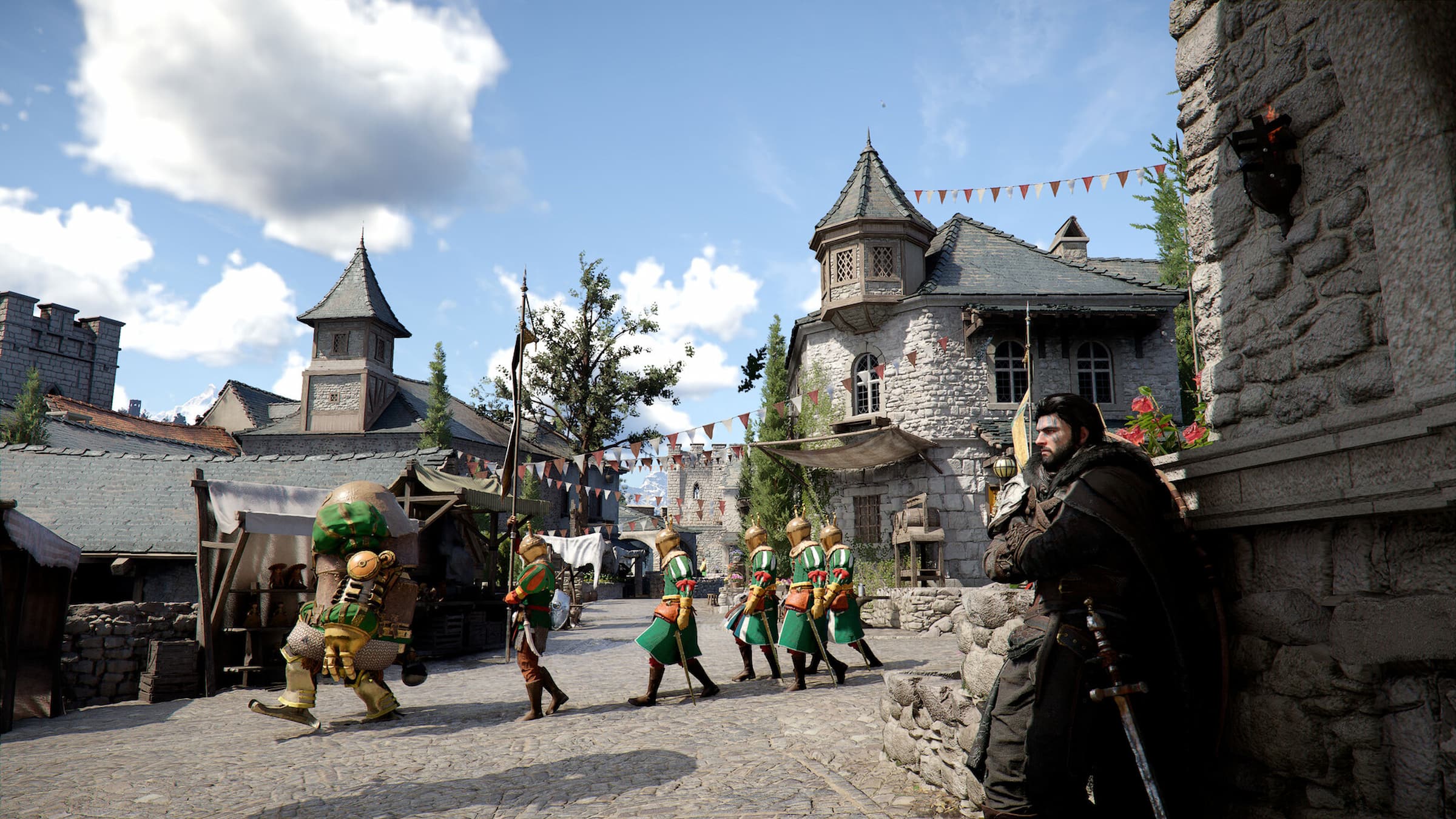
Before its release, a major concern surrounding Crimson Desert was the absence of gameplay shown on the PlayStation 5. I initially found this puzzling, as I didn’t understand why people worried about the game potentially running poorly or looking significantly worse on current-generation consoles. There were reports that PlayStation had even tried to secure Crimson Desert as an exclusive title, and the available footage on a more powerful, ‘Pro’ version of the PS5 looked great. It seemed reasonable to assume the standard PS5 could handle it without issue – how much of a performance gap could there really be? It turns out there is a difference, but it’s not severe enough to make playing on the base PS5 comparable to the experience of playing The Witcher 3 on the Nintendo Switch.
While the visual differences between the PC and console versions of Crimson Desert weren’t drastic enough to make me cancel my pre-order, they did highlight a growing problem with current-generation consoles. The PlayStation 5 and Xbox Series X are still capable machines, but PCs are now significantly more powerful. The upcoming PS5 Pro offers some improvement, but it likely won’t fully close the performance gap with PCs.
There’s not much we can do about the fact that the PS5 and Xbox Series X/S are starting to show their age – they’re almost six years old and can’t quite keep up with the latest PC technology. This makes you wonder how the next generation of consoles, the PS6 and Xbox Project Helix, will perform. Will they fall behind PCs like the current consoles have, or will they be able to stay competitive for a longer period? I believe they’ll likely face the same issue, given how quickly technology is advancing.
While graphical improvements in games might not seem huge at first glance, the technology powering them is becoming incredibly demanding – too much for a PS5 to handle. For example, the new DLSS 5 tech needed two top-of-the-line RTX 5090 graphics cards just to run a demo. This kind of advanced tech will likely become common in games, and consoles may struggle to keep up. Rumors suggest the next Xbox, Project Helix, will essentially be a powerful PC, giving it an advantage in adapting to these changes and potentially lasting longer than the future PS6. Ultimately, we may need to rethink how we view consoles, and Nintendo seems to be ahead of the curve with a different approach.
Consoles May Have To Rely On Exclusives More Than Ever

Nintendo stopped trying to match the graphical power of other consoles and PCs years ago. What’s surprising is that its fans haven’t demanded more. For over eight years, Switch players – including myself – have willingly accepted noticeably lower performance just to have a portable gaming experience, which is remarkable. Nintendo has found a good balance by prioritizing creative gameplay and affordable hardware over cutting-edge graphics, and while this approach sometimes gets criticized, it generally allows them to deliver unique and engaging games.
Eventually, PlayStation and Xbox will likely need to adopt a similar approach to game development and hardware. Games like Crimson Desert demonstrate that consoles quickly become outdated, often lacking the power needed even when they first release and falling behind within a few years. Even a powerful PS6 would eventually be surpassed by new technology. While Sony’s Pro models attempt to address this, the expected high cost of the base consoles makes it hard to believe they’ll be much more successful than the previous generation.
A possible solution for PlayStation and Xbox is to concentrate on creating games that are exclusive to their consoles and fully optimized for their hardware, instead of depending heavily on games available on other platforms. Sony has been actively trying this, notably through acquiring studios like Bungie. Microsoft has also been buying up studios, but their recent move away from making exclusive first-party games has been a setback. Focusing on exclusives would ensure games run smoothly on PlayStation and Xbox consoles, minimizing the performance gap between consoles and PCs.
Crimson Desert Isn’t The Death Of Consoles
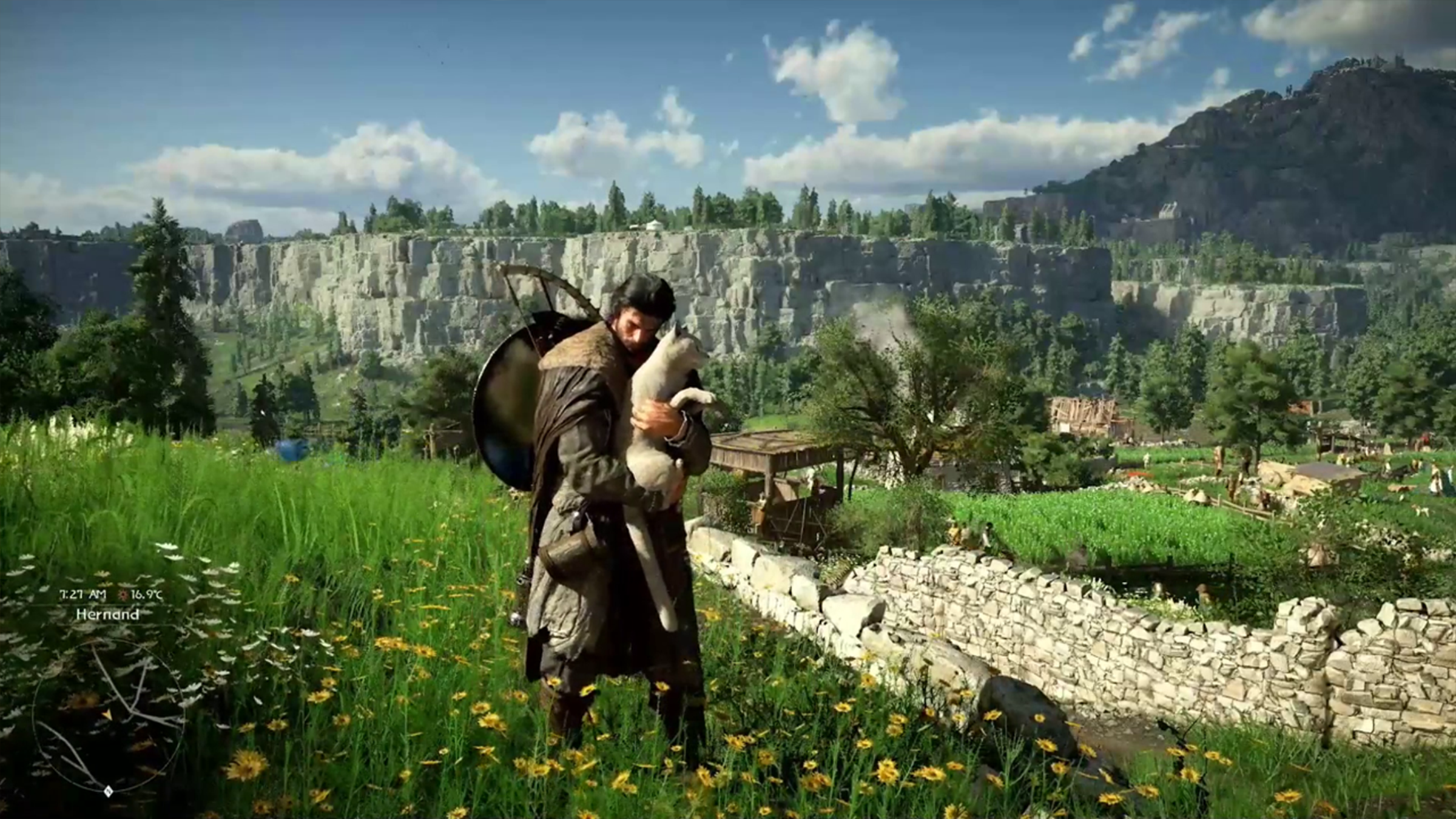
The console gaming market is huge, so developers will almost certainly continue to make games that work on the latest consoles. They’ll always prioritize console players to some extent. But the drive for better technology means the industry will keep striving for increasingly realistic graphics, aiming to make characters look incredibly lifelike. As these advancements become easier to use, game studios will naturally want to integrate them into their games, and tools like Unreal Engine will adapt to include them.
It’s a challenge to find the right pace for game development – we want to avoid technology advancing so fast that it leaves consoles behind, but also don’t want to stifle creativity. Currently, the increasing demands of new technologies might make this balance impossible. However, Crimson Desert manages to run smoothly on standard PlayStation 5 and Xbox Series X consoles thanks to Pearl Abyss’ unique, highly optimized game engine – often jokingly called “Black Magic.”
Creating a game engine from scratch can boost performance on all systems by avoiding the unnecessary extras often included in larger engines like Unreal. While custom engines are costly and can be unreliable – the Creation Engine is a prime example – they allow developers to specifically optimize their games for consoles. Capcom’s RE Engine, for instance, is enabling titles like Resident Evil 9 and Pragmata to run well even on the aging Nintendo Switch 2. However, the growing popularity of cloud gaming, which doesn’t rely on local hardware, could eventually make all of this optimization work unnecessary.
The gap between console and PC gaming is becoming increasingly noticeable, and fans are worried. The negative reaction to the lack of current-generation PlayStation 5 footage for Crimson Desert shows how many people believe consoles aren’t powerful enough. Hopefully, the next generation of consoles – the PlayStation 6 and Xbox Project Helix – will offer consistent performance that matches PCs throughout their lifespan, allowing games like Crimson Desert to run on consoles without significant compromises. Otherwise, consoles might become as expensive as PCs, turning gaming from an accessible hobby into a luxury only a few can afford. That’s something nobody wants, including me.
Will the PS6 and the next Xbox be as powerful as gaming PCs? Share your thoughts and discuss it with others in the ComicBook Forum!
https://comicbook.com/gaming/feature/every-rumored-ps6-game-so-far/embed/#
Read More
- The Super Mario Galaxy Movie: 50 Easter Eggs, References & Major Cameos Explained
- All 13 Smash Bros. Characters in the Super Mario Galaxy Movie
- 10 Best Free Games on Steam in 2026, Ranked
- TV legend Carol Kirkwood reveals the reasons why she decided to retire after 28 years with BBC
- Highly Anticipated Strategy RPG Finally Sets Release Date (And It’s Soon)
- Welcome to Demon School! Iruma-kun season 4 release schedule: When are new episodes on Crunchyroll?
- Sydney Sweeney’s The Housemaid 2 Sets Streaming Release Date
- Dune 3 Gets the Huge Update Fans Have Been Waiting For
- Control Resonant’s Hiss and Mold Are “Way More Complex” Than Before (and More Aggressive)
- Why is Tech Jacket gender-swapped in Invincible season 4 and who voices her?
2026-03-18 23:11