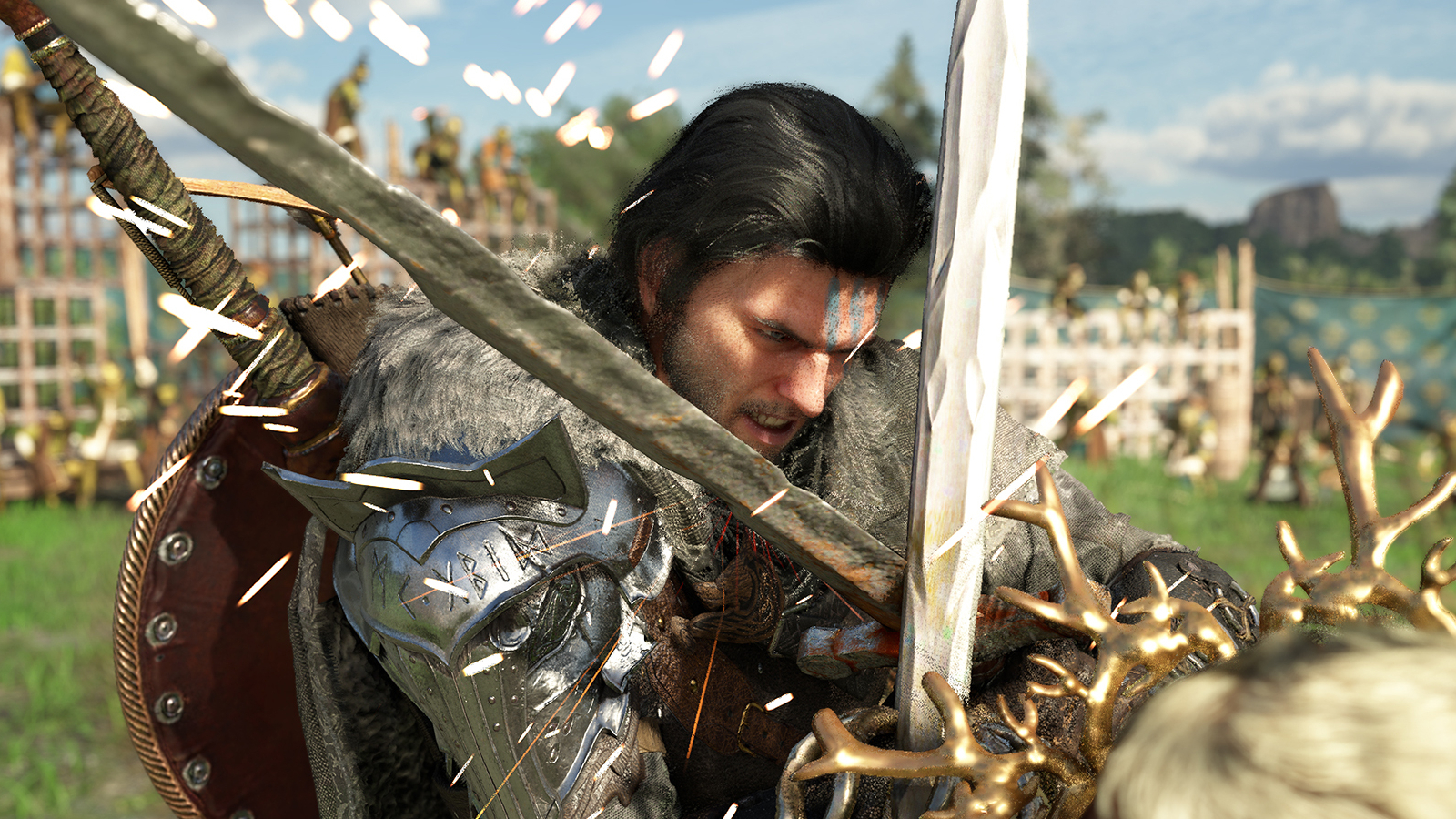
As you begin playing Crimson Desert, you’ll likely find yourself comparing it to other popular games. The grappling mechanics feel similar to Ultrahand in The Legend of Zelda: Tears of the Kingdom, the random events and camps evoke Red Dead Redemption 2, and the tracking system is reminiscent of The Witcher 3: Wild Hunt. You might also notice influences from games like Elden Ring and Middle-Earth: Shadow of War.
It’s no secret that this game draws inspiration from others – the developers themselves admitted it would be foolish to pretend otherwise. Ultimately, what matters is taking those influences and crafting an enjoyable experience, which is a common practice in video game development. While Crimson Desert might not reach the level of some classic titles, there’s still a lot to appreciate, depending on your perspective.
This story probably won’t have a happy ending. You play as Kliff, the informal leader of the Greymanes, a group of mercenaries operating in Pailune. The game begins with the Greymanes recovering from a surprise attack, feeling like someone within their ranks betrayed them. Just as they start to rest, they’re attacked again, and Kliff struggles to protect his teammates – Oongka, Naira, and Yann – before being defeated by Myurdin, the leader of the enemy Black Bears.
Given all the side quests and the ability to build a base, you’d expect to learn more about the Greymanes and their history. Unfortunately, the game doesn’t offer much beyond a few brief glimpses into their past, which is disappointing.
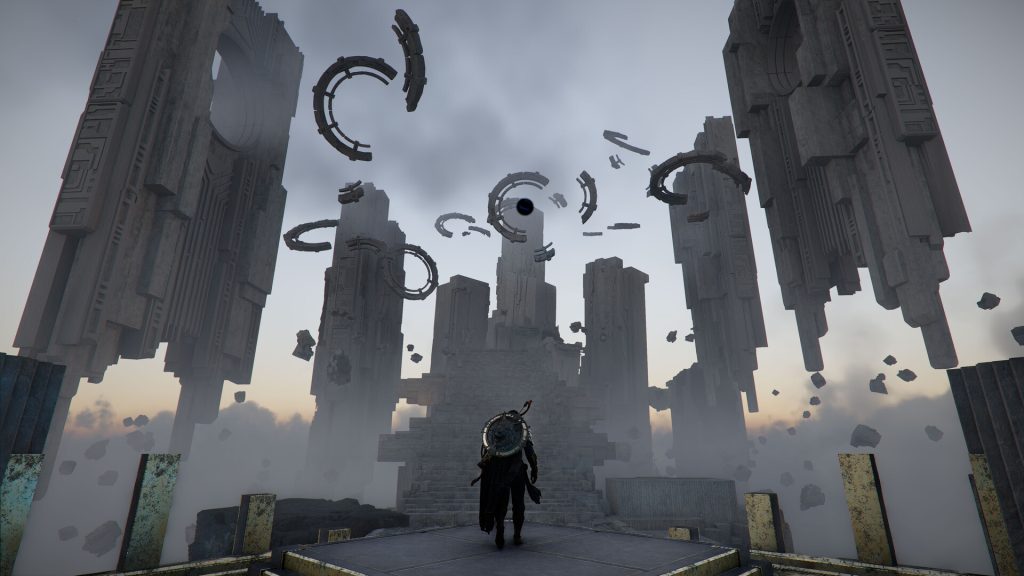
But his story doesn’t end there. He wakes up in the strange and dangerous Abyss, with an unclear goal. The scene then abruptly shifts to Kliff, now in Pywel, where he begins a journey to the Duchy of Hernand to find out what happened to his friends. This is just the start of things, and it’s becoming clear that his fate is connected to the Abyss. Many people are now searching for the powerful Artifacts that have begun appearing all over the land, and they’ll stop at nothing to get them.
Throughout the story, a central idea emerges: humility and kindness are the foundation of goodness and understanding, and the main character, Kliff, embodies these traits. I initially appreciated this approach, as it provided a solid reason for him to help people and uncover the secrets of the town of Pywel. It also naturally explained why he keeps finding himself caught up in trouble – he’s simply motivated by a desire to do what’s right.
The main issue is that Kliff’s character doesn’t really go beyond a basic, gruff personality. While characters like Naira, Yann, and Oongka are a bit more developed – Naira is prickly, Yann is funny and frustrating, and Oongka is serious – even they feel somewhat shallow. Marius is friendly one minute and subtly hostile the next, and Damiane has a hidden past, but none of these elements are fully explored. Kliff often feels like he’s just there to oversee everything. The writing is particularly weak in one scene where he barely speaks, which felt unbelievable considering everything that had happened before.
Given all the side quests and the ability to build a base, it’s surprising we don’t learn more about the Greymane family, or even get more than a few hints about their history. It’s a missed opportunity, particularly for minor characters like Shakatu from the Goldleaf Merchants Guild. The voice acting is fantastic throughout the game, and it’s so good that it almost makes you overlook the somewhat uninspired main storyline.
The game also starts a bit slowly. It’s understandable that the beginning focuses on explaining all the different systems, as these games often do. While the initial hours attempt to establish the relationships between the Greymane characters, it feels underdeveloped for most of them – except for Oongka, who is a playable character, so his introduction makes sense. Many of the early tasks, like finding the surviving Greymanes, are quite simple: you go to a place, meet them, watch a cutscene, and then return to camp. Even though these characters aren’t central to the story, the quests could have been more interesting with some unique challenges.
Pywel is a huge place filled with both hidden secrets – like winding passages, crumbling ruins, and dark caves – and dangerous encounters with powerful bosses. It also boasts breathtaking views and distant towers that beckon you forward.
The story doesn’t really get going until around 20 hours in, and even then, it’s only okay. Considering how beautiful the game looks and how great the voice acting is, the narrative feels surprisingly underwhelming – it had the potential to be truly special.
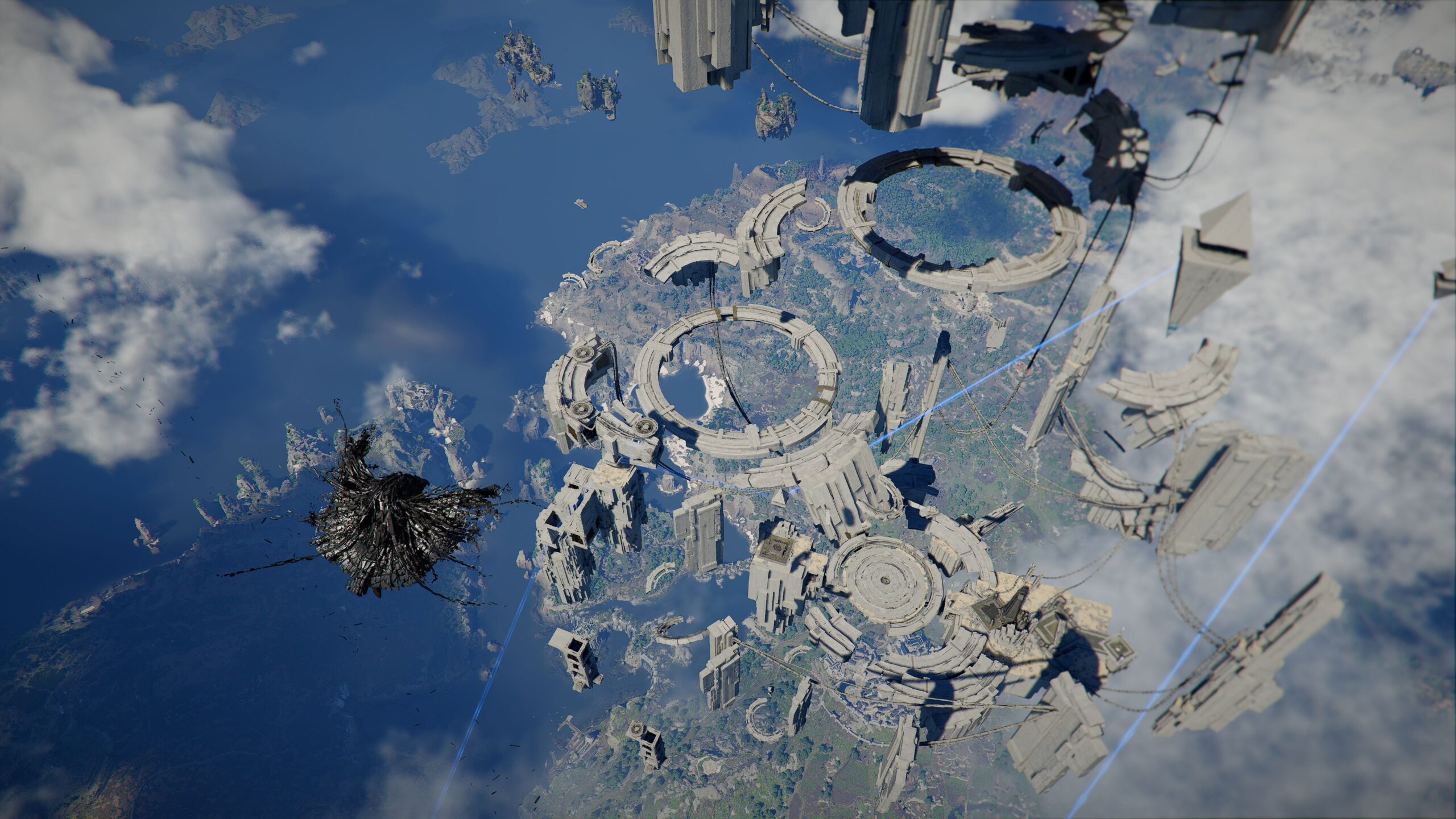
Now that we’ve covered some initial points, let’s talk about what Crimson Desert does well – particularly its world design. Once you start playing as Kliff in Hernand, you’re free to explore anywhere. While certain items, like the Crow’s Wings, are unlocked as you progress through the story, you can freely roam the lands from the very beginning if you choose.
Pywel stands out because it doesn’t overwhelm you with markers and objectives. Instead, it first impresses with its grand scale and then encourages exploration. The developers deserve praise for creating a realistic medieval world, complete with dirty streets and hidden alleys, rather than just a pristine, idealized town.
While exploring cities and towns, you’ll see people chatting and living their lives, though their routines aren’t very detailed. Soldiers might let you pass or turn you away based on what you’re wearing. Keep an eye out for wanted posters, and you might even run into the person they’re looking for – in which case, you’ll need to catch them and bring them to the authorities, either on foot or on horseback. There’s no quick travel, but that’s not so bad considering the rewards for capturing bounties get better and better. It’s a little repetitive that the same mini-game appears in multiple cities, but having a reliable way to earn money is helpful, especially considering the size of the world.
As a huge fan, what I really loved about Pywel is how much there is to discover. It’s not just about big, beautiful landscapes, though it has those too! It’s crammed with hidden areas – ruins, caves, little nooks and crannies – and the occasional tough boss. You’ll find these giant question marks all over the place, and they could lead to fast travel points, or some crazy puzzle like moving a huge pillar around underground. I remember one puzzle where I had to carefully walk between tiles, and it got harder and harder as more tiles appeared – it was like a logic maze! There were times I was totally stuck, but that’s part of the fun. Dropping into a massive, dark cave and finding a cool sword, or even just a chest of resources, was always a great feeling. Sometimes it was just a little bit of copper, but other times, it was a real treasure trove!
Honestly, everything you do in the game seems to come back to helping Kliff grow as a character, and that actually changes how battles play out – we’ll get into that later. It’s through this character progression that the game’s online elements, the MMO-like bits, start to feel…a little strange, to be honest.
That’s just a small taste of everything you can do in the open world. You’ll find opportunities like fixing up wrecked wagons at a medieval workshop, taming wild horses and registering them at the stable, or even selling them for profit. Expect to stumble upon challenging encounters, such as clearing out a quarry filled with enemies and then facing a massive boss with a powerful drill that constantly tunnels underground.
The game offers unexpected scenarios, like a situation where a crew is delayed because of an injury, forcing the versatile character Kliff – who’s a bounty hunter, farmer, trader, and animal rescuer – to operate a crane. Beyond that, the Greymanes camp can grow into a thriving settlement with farms, ranches, and shops. I haven’t explored all the unique upgrade paths and research options in every location, nor have I fully investigated the Abyss, which features interesting platforming sections, though some of those can be a little inconsistent due to the frequent drops.
While many of the activities in the game are interesting and unique, some are quite simple. This isn’t just about tasks like collecting items, making deliveries, or escorting characters only to be ambushed. Quests where you free important locations for different factions are good, and unlocking new missions and resources through these quests makes the game’s economy feel connected. This makes the world seem more dynamic, but the actual steps to liberate these locations – running in, defeating enemies, and then fighting a boss – aren’t very creative.
Sometimes, interesting characters appear as important objectives, but their stories often follow a predictable structure: travel from point A to point B, then to C, and finally defeat the boss. It’s a shame, really, because these characters could be great, but end up feeling underdeveloped. If the gameplay is so linear, at least give us a more engaging story to go with it.
Ultimately, everything you do contributes to your character’s development, which then impacts battles. This is where the game’s light MMO elements become a bit unusual. While I can accept things like shops restocking daily – and even mining taking a while to replenish, as it encourages exploration – there are plenty of vendors available as you progress. You’ll easily find enough copper and iron to upgrade your equipment and weapons.
Gathering resources can be frustrating at the beginning of the game. Chopping down trees often yields very little wood, and mining ore frequently results in only one or two pieces, even with tools like the Drillarm. While it gets easier as you unlock more options later on, the early hours can feel slow and repetitive when you’re trying to improve your equipment – and collecting plants is especially tedious.
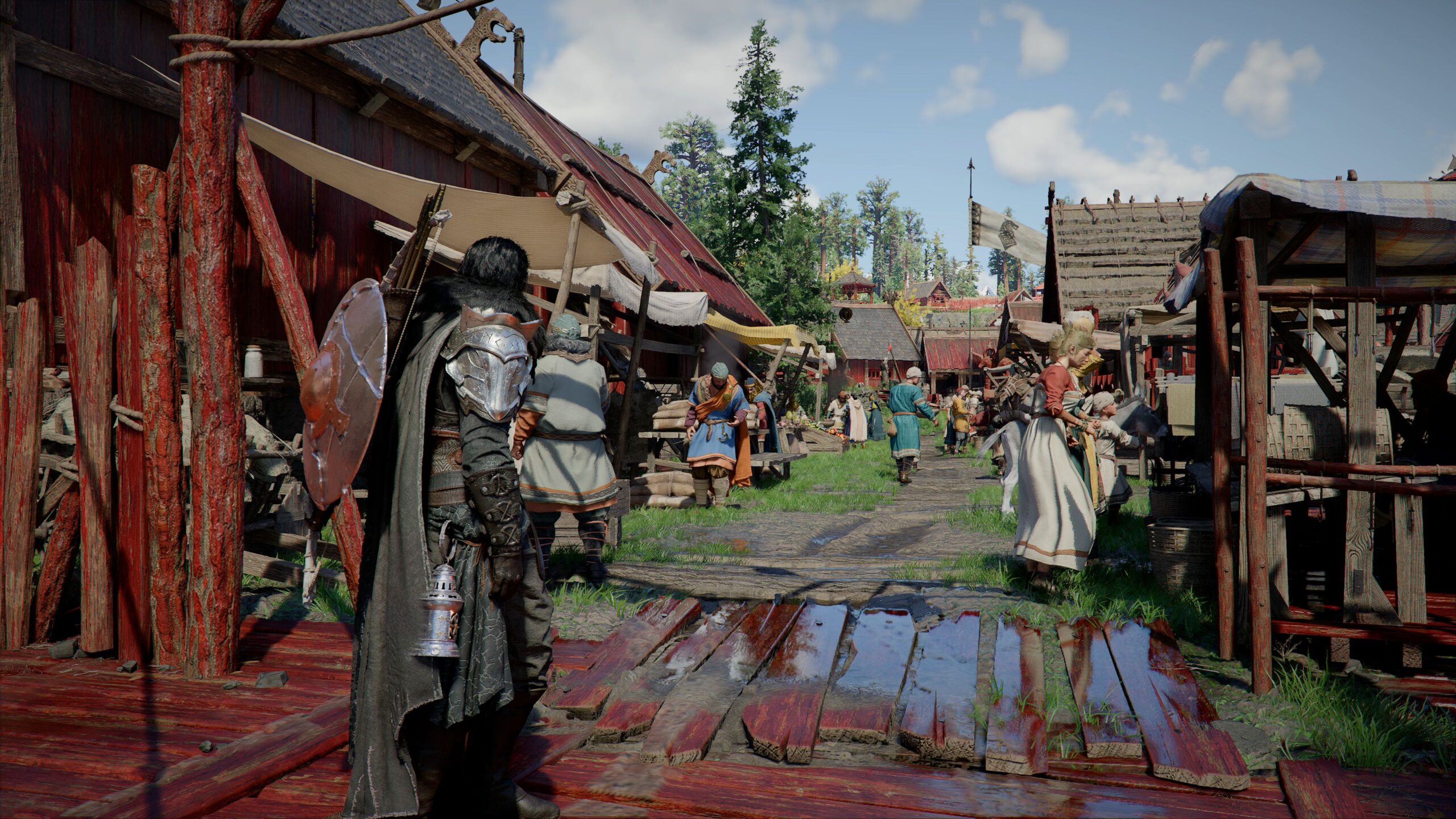
Even when battling heavily armored enemies, the combat feels impactful and powerful. It’s especially rewarding when you finally overcome their defenses. Plus, each weapon has a unique feel that’s still really satisfying to use, and I appreciate how different weapons change up your attacks.
Managing inventory is a constant struggle, even with upgrades from townsfolk and extra bags. It always feels too small, thanks to the sheer number of resources, trade items, weapons, and armor you collect. Plus, both Damiane and Oongka share the same inventory! While assigning Sealed Abyss Artifacts to one slot helps a little, the lack of camp storage is strange. The game has a detailed camp system where you can buy furniture and decorate a house, but no storage chest to keep things organized. An update is planned to allow storage through housing, but there’s no confirmed release date yet.
I don’t enjoy getting Abyss Artifacts so early in the gear upgrade process. While I understand the idea – creating a tough choice between improving stats and prioritizing upgrades once players have most skills unlocked – it doesn’t quite work. By that point, Abyss Artifacts are hard to come by, and having so much gear available, even if you only focus on Kliff, prevents players from trying out different options. It’s also frustrating that upgrades are so linear and you can’t get back resources you’ve already spent. Given how much the game focuses on gathering resources, it would be helpful if they were marked on the map, at least showing where you’ve already found some. But that’s another issue.
Fortunately, Crimson Desert really shines when it comes to combat. It begins fairly simply, but the main character, Kliff, is an experienced mercenary who doesn’t hold back. You’ve got standard light and heavy attacks, but you can also perform a powerful spinning slash by pressing both attack buttons, or combine a light attack with a dodge for a quick, evasive strike. You can vault over enemies, bash them with your shield, and then charge right through them – or just charge through everyone from the start. There’s a lot of variety – clothesline attacks, jumping strikes, even German suplexes for anyone trying to run away. You can kick enemies into the water, watch them struggle, and if they try to climb out, kick them back in again.
Even when battling tough enemies with shields, the combat feels powerful and reactive – it’s incredibly satisfying to finally break through their defenses. Each weapon type handles differently and feels great to use, and it’s neat how they change up certain moves. For instance, using a spear trades your usual kick for a vaulting kick that works even better. Don’t get complacent though – enemies are dangerous, especially in groups, and they have their own complex attacks and special abilities. But stringing together powerful attacks, like a turning slash followed by a stab that causes bleeding, feels incredibly smooth and rewarding.
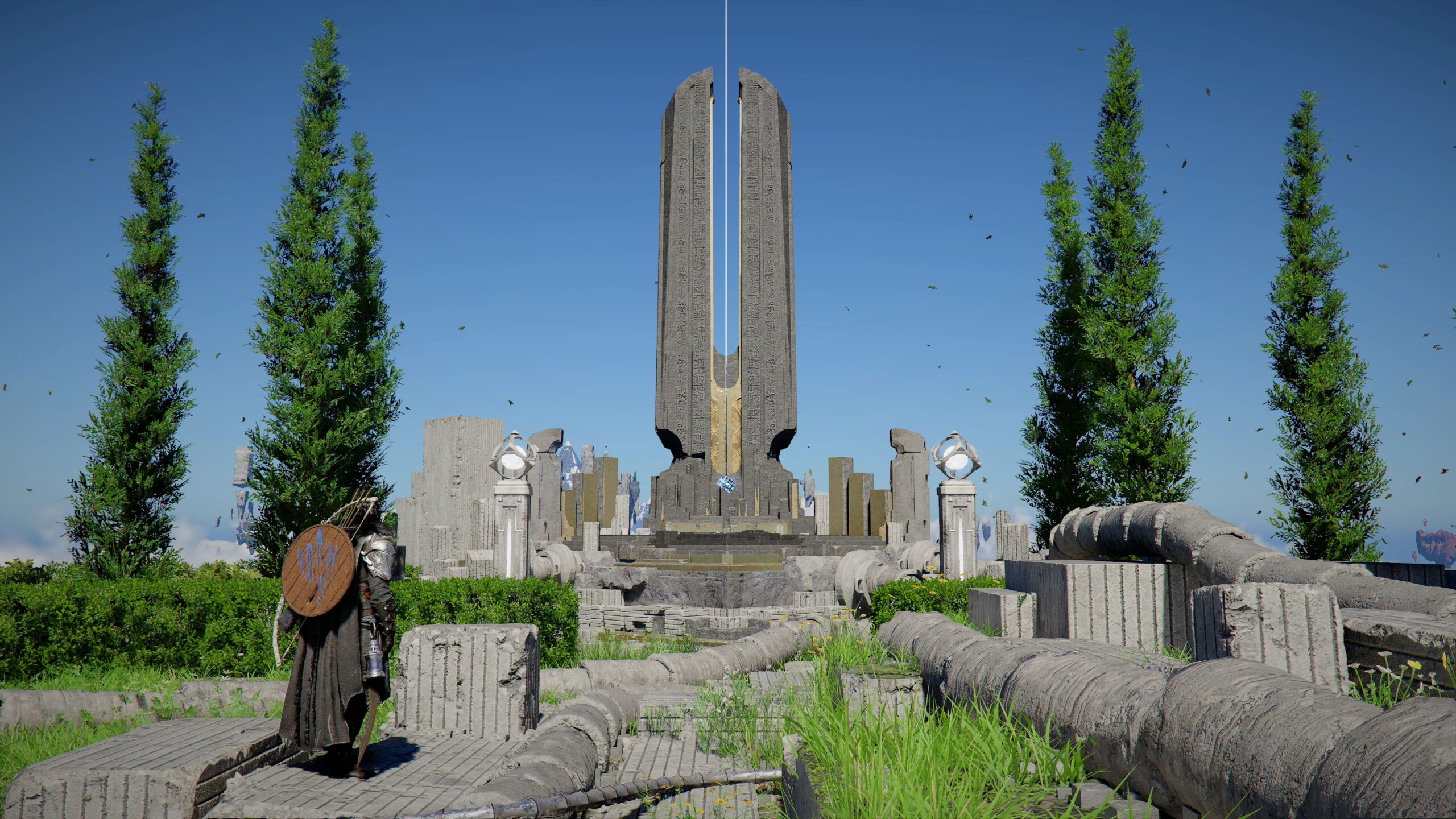
Since we’re discussing combat, I also want to mention Oongka and Damiane, two characters you can unlock. It was a little underwhelming that they have a lot of the same abilities as Kliff, but they still have enough unique skills to feel like different characters.
Honestly, the more I play, the more options I find, which is awesome but can be a little overwhelming! Collecting Abyss Artifacts and learning new Skills really opens things up, especially when you start thinking about elemental attacks and gear that gives you bonuses for using them. But it’s not too complicated, because there are also perks that just make your existing abilities even better. I was really excited when I found a one-handed sword that launched homing crows with my heavy attacks – those attacks already had an after-image effect, so it was amazing! And the shield that explodes when you hit or parry? Seriously cool, even though it took some effort to equip. It’s just been a blast finding all these different ways to build my character.
Learning new abilities is enjoyable, even if you don’t always need them immediately (like learning a dodge from a tough enemy when you don’t usually need to glide). I was a little frustrated that elemental powers were added so late in the game, but the combat itself is interesting enough to stay fresh. I also appreciated that you don’t need to level up stats to unlock skills – it makes those stats feel more important, and allows for flexibility. Having more Spirit or Stamina definitely enhances some techniques. However, the bow felt a bit weak early on, especially when compared to guns.
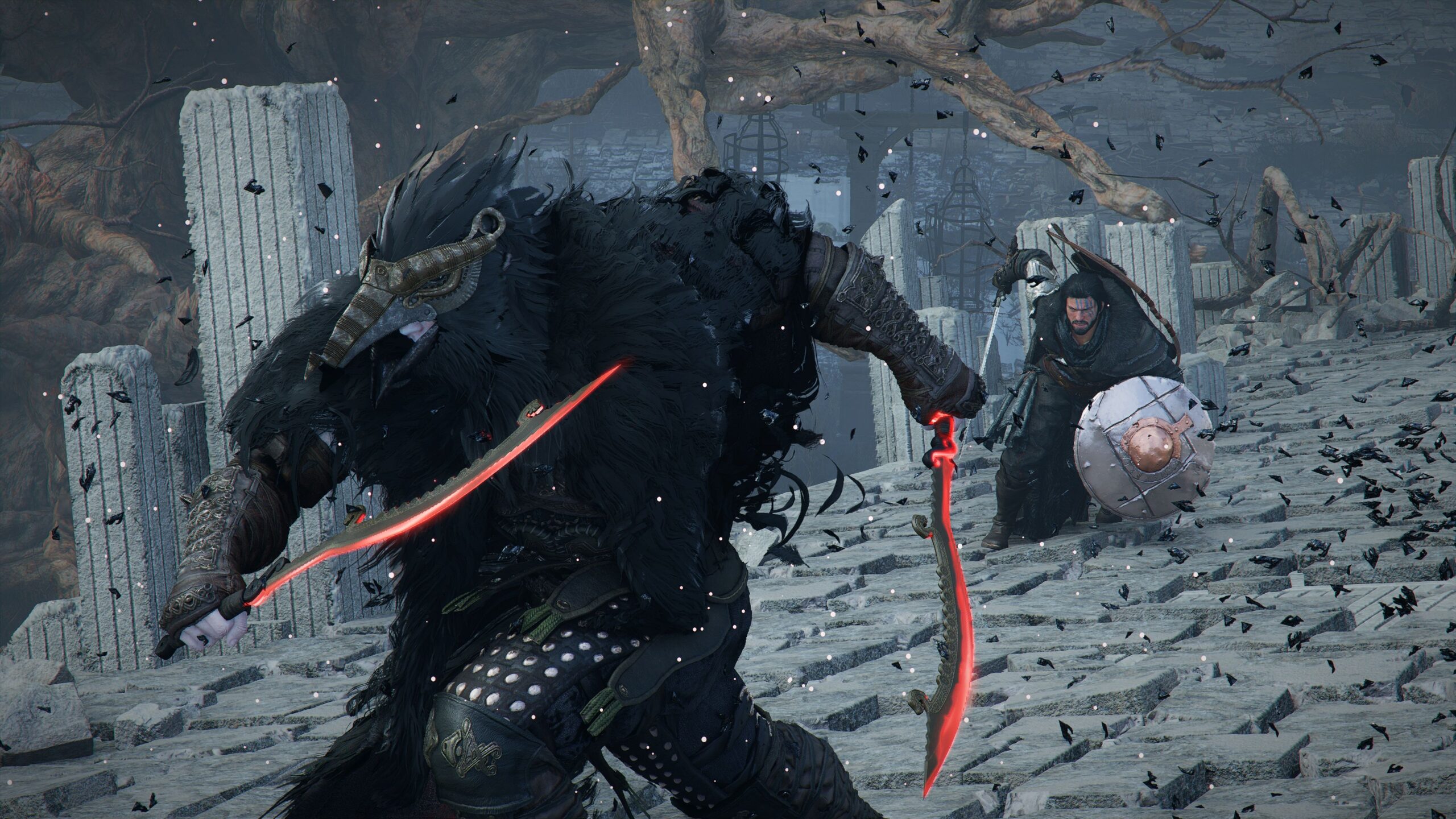
The boss fights are where Crimson Desert’s combat really stands out, though they can also be frustrating. Many are lengthy and demanding, where even a small error can be punishing. Successfully dodging attacks and knowing when to retreat, especially during a boss’s powerful moves, creates intense, almost rhythmic battles. However, the camera sometimes causes problems, like losing track of your target or failing to lock on properly. It’s also annoying that many bosses have periods where they’re completely immune to damage – this is different from simply being able to withstand attacks. You might perfectly time your counterattack after a long combo, only for the boss to become invincible, making your effort useless. You’ll just have to hope you avoided any lingering effects in the process.
One boss fight was particularly frustrating because the instructions were unclear. Having to repeat a puzzle after failing made it even worse. However, this was just one instance – overall, the boss fights were a strong point and helped make up for some of the weaker story elements.
Let’s move on to the unlockable characters, Oongka and Damiane. While they share some skills with Kliff, they still feel unique enough. Oongka’s attacks with two-handed weapons are a bit slow and awkward, which is something to keep in mind if you like that playstyle. Damiane, on the other hand, has a lot of variety in her moves, including a cool shield throw that can hit multiple enemies.
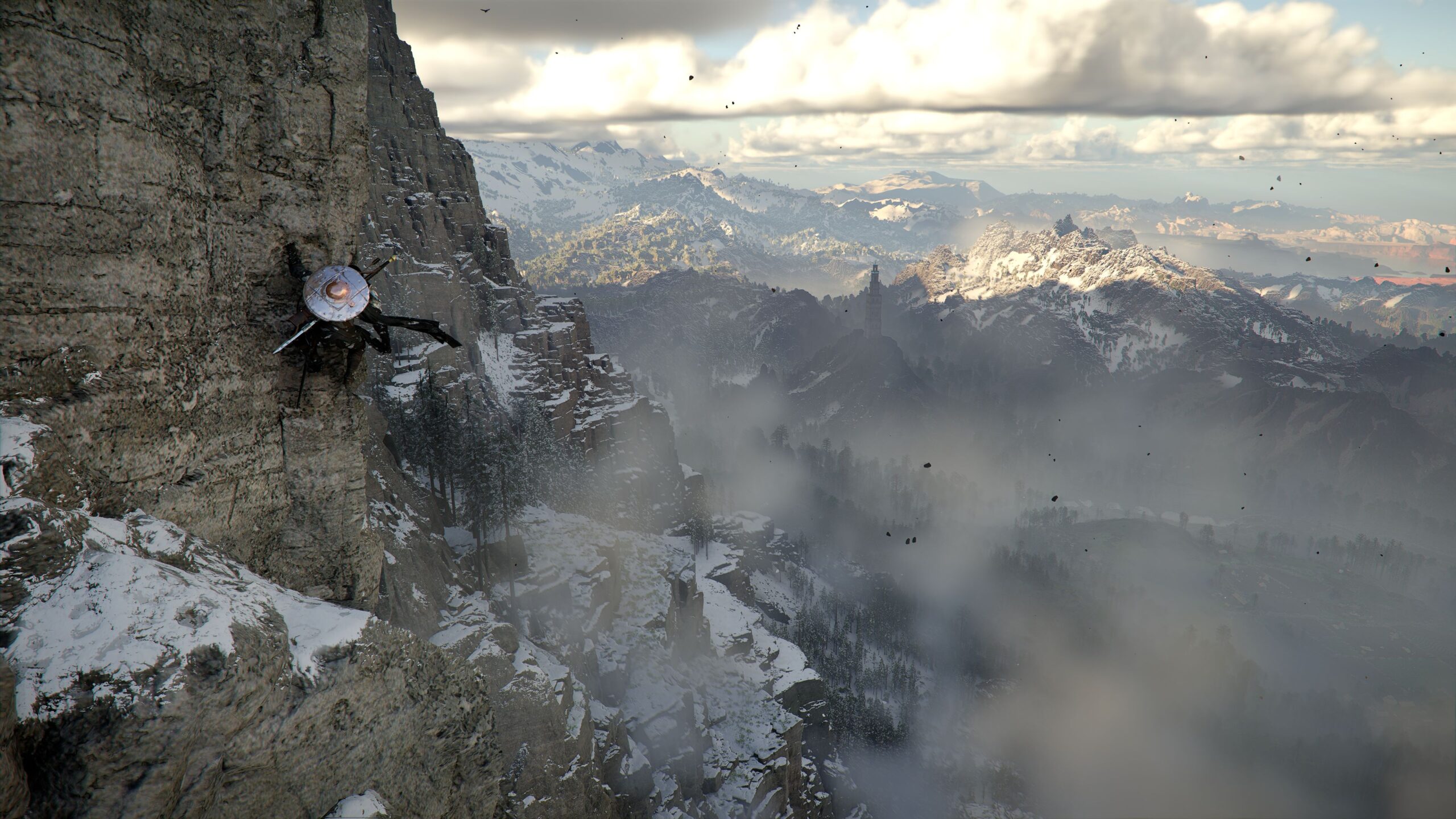
One thing that really stands out about Crimson Desert is how beautiful it looks. I mentioned it before, but the level of detail is incredible, particularly when you’re exploring the open world.
Joining these new characters feels very smooth, and their individual storylines add a lot of depth. However, it’s strange that you need separate items to unlock their skills. It feels like the game expects you to completely change your strategy after investing in another character, and honestly, it made me less motivated to use them until my main character was fully equipped. I also ran into a few glitches, like these characters sometimes refusing to attack even when I pressed the button and they had enough energy, and this happened more often as the story progressed. It’s frustrating, and I’m not sure what causes it.
The main issue with the game is probably the controls. They aren’t difficult to use, but there are so many buttons, and it can be hard to remember what each one does in different situations. For example, you hold down the left stick to use your grapple, but you need to be careful not to do it near edges – especially in areas like the Abyss – or Kliff will either sit down or hang precariously.
Using Blinding Flash (L1 + R1) and then switching to Focused Light (L1) feels smoother when your weapon is put away. The game seems to favor attacking if your weapon is drawn, making those abilities harder to use. I also think it’s a bit awkward that Kliff doesn’t automatically glide after using Focused Palms three times to jump – it feels like wasted height. Plus, Focused Palm often pushes him backwards, whether he’s on the ground or a wall, which is strange. And finally, gliding uses up a lot of stamina outside of the Abyss, which seems unnecessary. So, those are a few minor issues, but overall the game is great.
One thing is certain: Crimson Desert is visually stunning. I mentioned it before, but the level of detail is truly impressive, particularly when exploring the open world. From small animals scurrying through the undergrowth to the way wind moves through trees and shadows grow long at sunset, the game is beautiful and encourages you to slow down and appreciate it. The fact that the developers achieved this while also implementing ray tracing, with incredibly detailed environments that you can see from far away, is a major accomplishment. And surprisingly, it runs very smoothly.
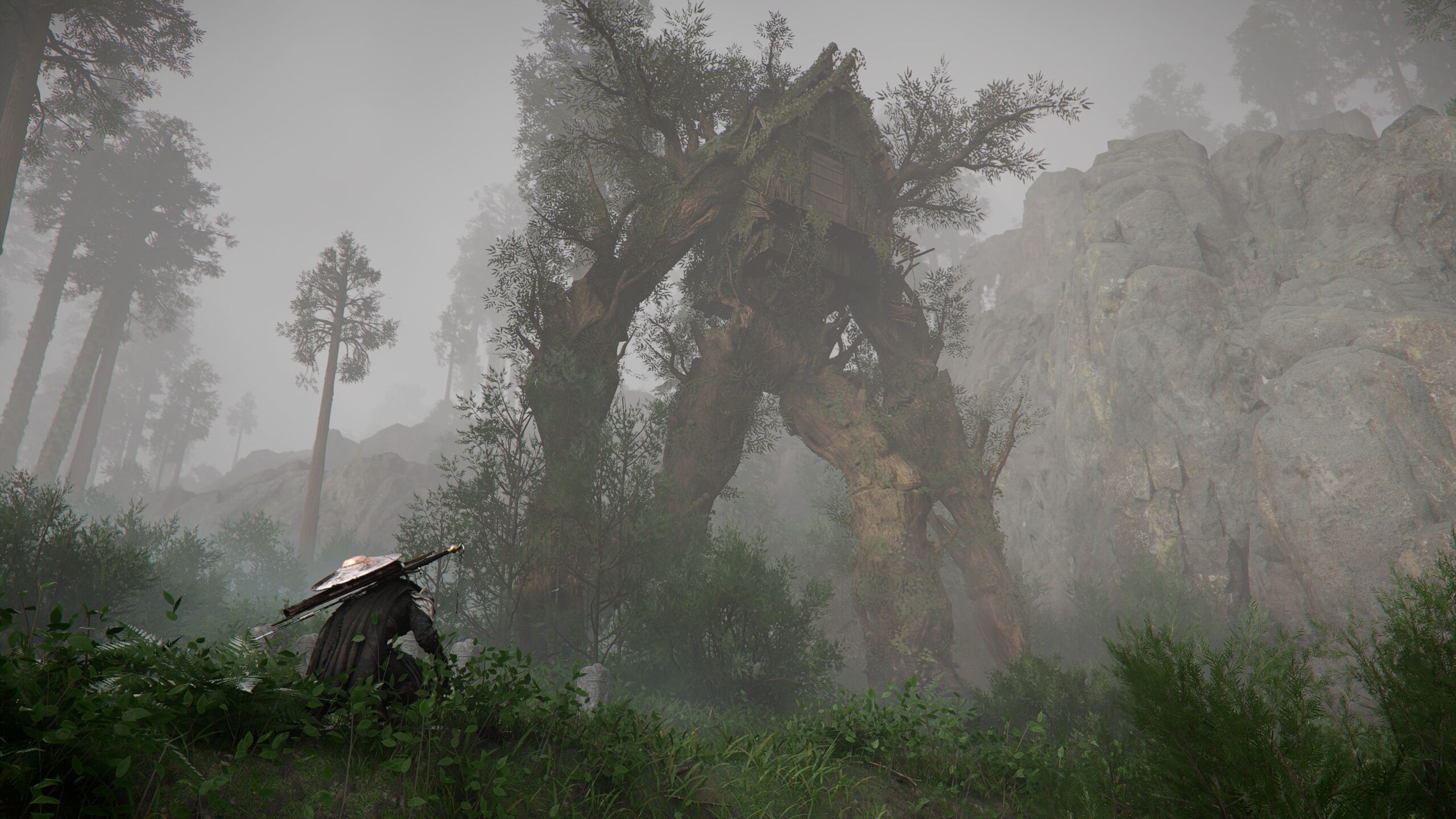
Despite some strange design decisions, Crimson Desert is a visually stunning game with a beautiful world. It’s still improving, but if you’re willing to look past its flaws, now’s a good time to jump in.
I tested the game on a PC with an Intel Core i5-11400 processor, 32 GB of RAM, and an RTX 4060 graphics card. At 1440p resolution, with most settings on High, and using DLSS 4.5L and DLAA, the game generally ran smoothly. I set the weather effects to exclude advanced features and kept fog quality on Medium. While the frame rate occasionally dropped below 60 FPS in demanding scenes – like nighttime with lots of lights, rain, and characters – it never felt laggy or unplayable. The main issue was some objects appearing suddenly in the distance (and occasionally close up) when moving quickly, likely due to using DLSS 4.5L. However, this wasn’t a major problem. Overall, the game performed well and should be a good experience for players with powerful PCs.
Despite its flaws, whether small or significant, whether you’ll enjoy Crimson Desert really depends on what you’re looking for in a game. If you want a strong, classic story, you’ll be disappointed. However, if you’re drawn to expansive open worlds, you’ll find plenty to explore and keep you engaged, even while completing repetitive tasks. The game offers a wide variety of skills and combat styles, but getting access to them can be frustrating early on due to limited resources, clunky inventory management, and odd requirements. When a game tries to do so much, these kinds of issues tend to surface more frequently.
Even though there were challenges, I genuinely enjoyed my time playing. I loved exploring Pywel, even when it meant difficult climbs or tough boss fights that required patience and perseverance. My first experience in the Crimson Desert was amazing – the scenery was incredible, even if I was quickly defeated! And surprisingly, I even had fun collecting almost 240 Dried Fish, which turned out to be a great way to heal.
Despite some strange design decisions, Crimson Desert truly shines with its stunning world and beauty. It’s a game with a lot of potential that will likely improve over time. If you’re willing to overlook a few oddities, the world of Pywel is waiting for you.
This game was reviewed on PC.
Read More
- The Super Mario Galaxy Movie: 50 Easter Eggs, References & Major Cameos Explained
- Sydney Sweeney’s The Housemaid 2 Sets Streaming Release Date
- 10 Best Free Games on Steam in 2026, Ranked
- All 13 Smash Bros. Characters in the Super Mario Galaxy Movie
- Welcome to Demon School! Iruma-kun season 4 release schedule: When are new episodes on Crunchyroll?
- Why is Tech Jacket gender-swapped in Invincible season 4 and who voices her?
- Dune 3 Gets the Huge Update Fans Have Been Waiting For
- Highly Anticipated Strategy RPG Finally Sets Release Date (And It’s Soon)
- Forza Horizon 6 ‘Prologue’ gameplay
- WTH?! Twitter Drops Fake Daredevil: Born Again Season 2 Spoilers as Character Return Confirmed
2026-03-19 01:16