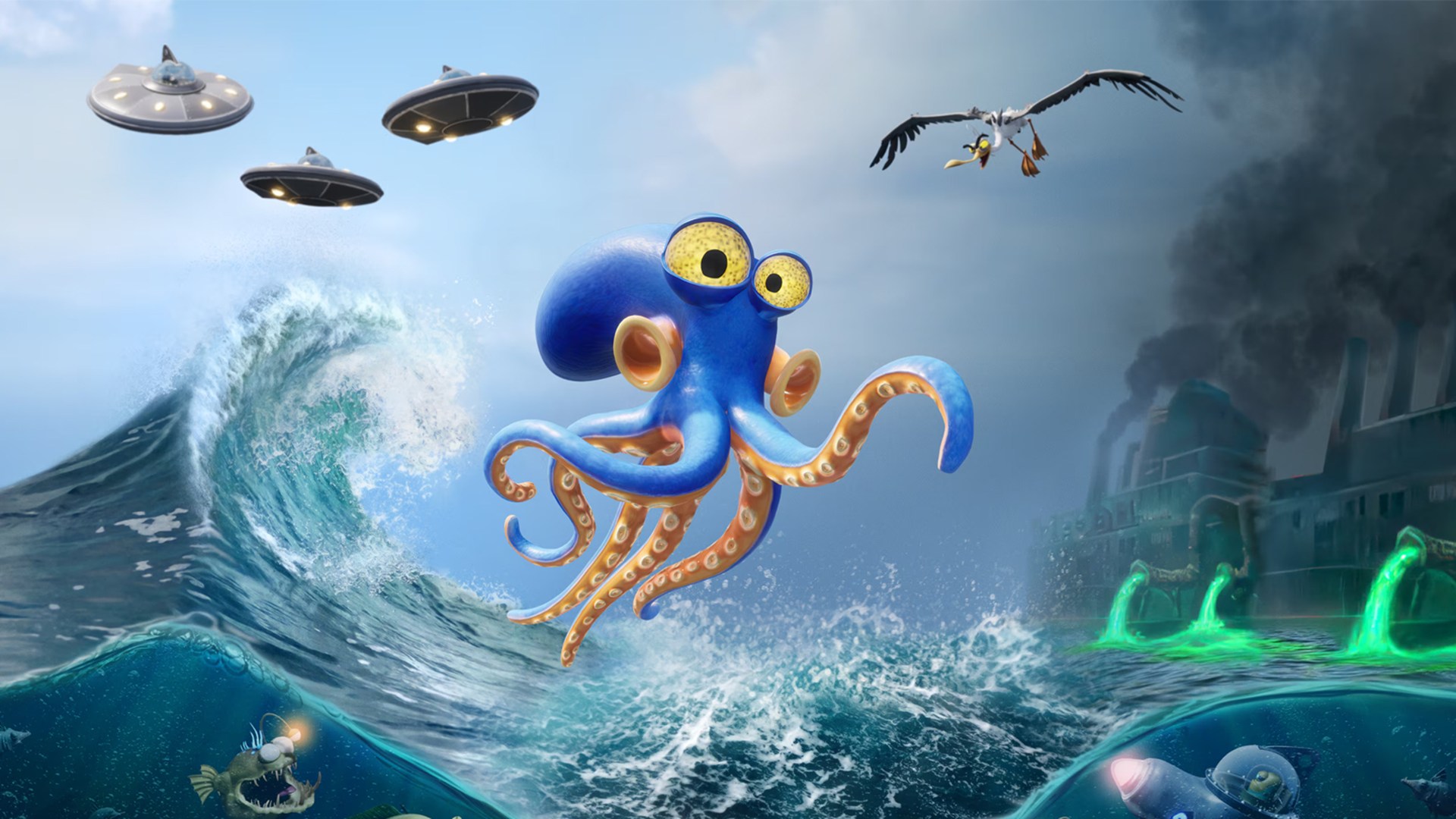
Octopuses are incredibly intelligent animals – they can solve mazes, use tools, and even break out of tanks. It’s surprising we don’t see them as the main characters in video games more often, considering how well-suited they are for stealth, exploration, and puzzle-based gameplay. While octopuses have appeared as playable characters before, with games like Octogeddon featuring weaponized tentacles and Octodad focusing on blending into human society, neither truly captured the feeling of being an octopus like Darwin’s Paradox does.
This side-scrolling adventure game from the indie developers at ZDT Studio offers a fresh and interesting idea: you play as a clever octopus who uses its skills to overcome challenging obstacles and solve puzzles. Drawing inspiration from games like Inside and Ori, and featuring playful animation, lively movement, and a delightful soundtrack, ZDT Studio has created a game that’s both charming and engaging.
The game’s platforming becomes a little less accurate as the levels get harder and require more skillful jumps and movements.
The game largely delivers on the studio’s vision, and it rarely feels broken or poorly made. However, while Darwin’s Paradox! starts with a fantastic concept, it doesn’t always live up to its full potential. It’s a fun platformer to play, but it’s not consistently as creative or original as the initial idea suggests.
As I mentioned at the beginning of this review, octopuses are perfectly designed for the challenges found in video games, and the game Darwin’s captures this brilliantly. The octopus’s natural abilities – like camouflage for stealth, ink to create distractions, and suction-cup tentacles for climbing – translate seamlessly into gameplay, allowing for sneaky maneuvers, quick escapes, and unique ways to navigate environments.
I really appreciated the little details in this game, like watching Darwin squish through narrow gaps – it really showed how adaptable he is. Everything felt really well thought out, like the developers took real-world concepts and gave them a fun, playful twist. There were times when Darwin’s Paradox! felt genuinely new and exciting, though unfortunately, that feeling didn’t always last throughout the whole game.
Despite having clever and unique mechanics, the game relies too much on familiar platforming challenges. Most obstacles involve simply flipping switches and moving blocks, which makes the game feel less original and more like a typical platformer.
Despite its flaws, the game is enjoyable to play. Darwin moves fluidly through the environments, whether he’s swimming, climbing, or running, and the transitions between these actions feel natural. His animations are expressive and give even basic movements a lot of personality. This is all enhanced by vibrant and lively environments – like flowing water, working machinery, and even chaotic fires – which gives the game a unique and consistent feel.
Okay, so the game starts out great, and the movement feels really good. But honestly, as the platforming gets harder, it starts to get a little frustrating. At first, it’s easy to recover from mistakes, which is nice. But later on, some of the obstacles aren’t super clear, and I found myself just kinda…guessing how to get past them. Like, jumping between giant spinning gears or on fast conveyor belts felt less about skill and more about just trying things until something finally worked. It’s not quite as punishing as a game like Limbo where you learn by dying a lot, but it definitely gets close to that feeling.
It’s often hard to predict what’s coming, and poor Darwin frequently suffered unfair deaths – getting squished, electrocuted, or burnt. These difficult sections not only interrupt the game’s flow, but also replace its enjoyable charm with frustrating and undeserved punishment.
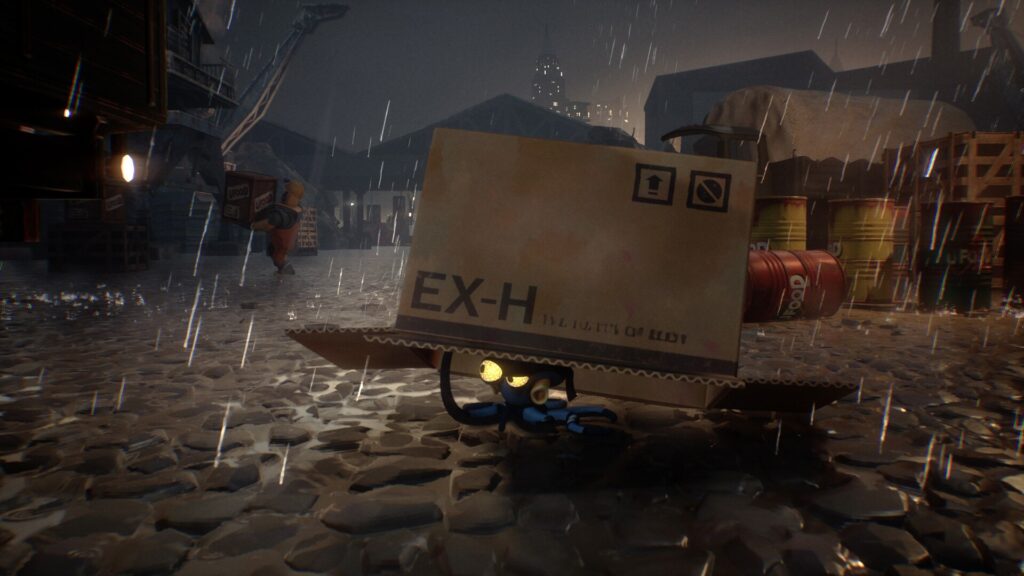
“Each environmental puzzle is immediately understandable, and because of that, rarely surprising.”
While challenging puzzles could have heightened the tension, Darwin’s Paradox! surprisingly offers fairly simple puzzle design. This isn’t necessarily a bad thing – easier puzzles can be a relief when you’re struggling, and clear solutions are always good. However, it feels a little inconsistent with the game’s overall theme and how it’s been advertised. The game doesn’t encourage creative problem-solving; the environments usually guide you towards one specific answer.
In gameplay, the puzzles tend to feel like tasks to complete rather than creatively engaging challenges. You’ll spend a lot of time moving things around and operating mechanisms, with occasional moments where you might, for example, damage equipment to adjust an object’s height – ultimately to help you reach a higher area.
The environmental puzzles in the game are easy to grasp, but this often means they aren’t very surprising. While games like this don’t need incredibly complex puzzles – even Inside, a major inspiration, kept things simple – Darwin’s Paradox! hints at more exciting possibilities. Moments where you use Darwin’s octopus abilities, like camouflage or ink, are fun, but these ideas aren’t developed enough and don’t happen often enough. It feels like the puzzles could have been designed with more than one solution, or better utilized Darwin’s unique skills and intelligence. Compared to a game like Inside, the puzzles here feel less creative and memorable.
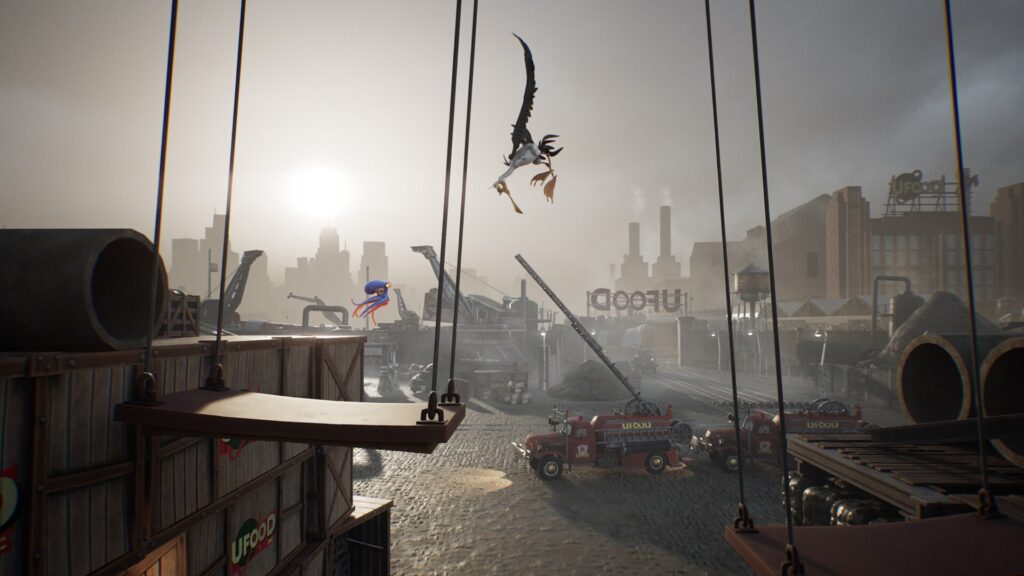
“However, if there’s one area where Darwin’s Paradox! consistently shines, it’s in its presentation.”
Despite its flaws, Darwin’s Paradox offers a surprisingly diverse range of environments, from shallow waters and cramped tunnels to bustling industrial areas like factories and offices. These locations are presented with a cartoonish, over-the-top style reminiscent of Looney Tunes. The game is also broken up by exciting action sequences – think daring escapes from factories, crumbling tower climbs, and precarious platforming challenges – which add a sense of excitement and enhance the game’s humor, especially with the constant annoyance of a mischievous seagull enemy.
Sometimes the game’s pacing feels a little off. Specifically, in areas designed like offices – where I used a camouflage ability to hide amongst things like cardboard boxes and furniture – the visuals were more interesting than the layout was easy to understand. While this fit the game’s style, I often felt lost and wasn’t sure which way to go. I’ve previously complained about puzzles being too easy, but in these complex, multi-level areas, I actually needed the hint system to figure out what to do. It’s possible I’m just not very good at the game, but I think the level design could have been clearer about where to go and what to do.
What really stands out in Darwin’s Paradox! is how it’s presented. Darwin himself is a charming character, brought to life with lively animation. His careful, slightly awkward movements – he almost seems to tiptoe with eight legs – are especially funny, and perfectly capture the game’s quirky atmosphere. This playful style extends to the story, which slowly becomes more strange and mysterious, fitting for Konami’s well-known tactical espionage series. The game playfully hints at this connection with things like exclamation points and the use of cardboard boxes.
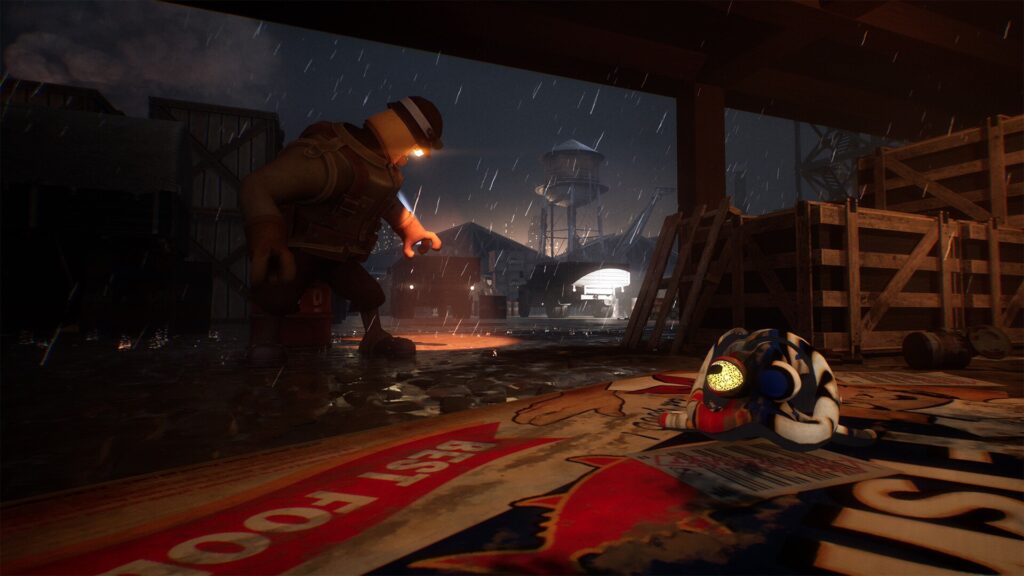
Okay, so I’ve been playing Darwin’s Paradox, and honestly, the core ideas behind it are really good. When the game is firing on all cylinders, it’s amazing – the way characters move feels great, they’re actually memorable, and the different areas you explore are super varied. It’s when all that creativity comes together that the game truly shines.
The game generally runs smoothly, although the different visual settings are quite distinct. The developers recommend playing with performance settings turned on, and I agree – it provides a much better experience than the quality mode, which causes a noticeable slowdown with only a slight improvement in graphics. Given the game’s fast-paced movement and focus on dynamic animations, performance mode is the way to go.
I was really impressed with the sound design in this game! It did a fantastic job of making the environments feel real – you could really feel what Darwin was experiencing as he moved around. Even the little details, like the soft sound of his tentacles sticking to things, added so much to the atmosphere. The music was good too, and definitely fit the mood of the game, though I didn’t necessarily remember any specific tunes afterward. Overall, the audio really helped pull me into the world.
Okay, so I just finished Darwin’s Paradox!, and honestly, it’s a really creative game. When it’s firing on all cylinders, the characters are great, the world feels unique, and moving around is just…fun. It’s super easy to pick up and enjoy, though I sometimes felt like the gameplay wasn’t quite as deep as it could be. It doesn’t totally break new ground, but it’s still a really charming adventure, even if it doesn’t fully live up to its potential. I’d definitely recommend checking it out!
This game was reviewed on the PlayStation 5.
Read More
- What Song Is In The New Supergirl Trailer (& What It Means For The DC Movie)
- Gold Rate Forecast
- One of Hulu’s Best New Shows Lands on Disney+ Ahead of Season 2
- Eurogamer Gives ARC Raiders 2/5 Over AI Voices, Dropping Metacritic Score from 94 to 84
- Digimon Is Getting a New RPG in 2026 (And You Probably Missed It)
- Czech Bank’s Crypto Comedy: $1M for a Digital Farce! 🎭💰
- Beyond Paradise confirms character exit – with potentially damaging consequences
- Unpacking the Controversy Around Amy Griffin’s Memoir The Tell
- MMOs Usually Take Up Too Much Time, But One Returning Classic Could Change That
- Pokemon Go Unveils Precious Paths Season Details With New Masterwork Research, Pokemon Debuts & More
2026-04-03 17:13